
– December 8 in Kathmandu: A historic conference on menstrual dignity and human rights
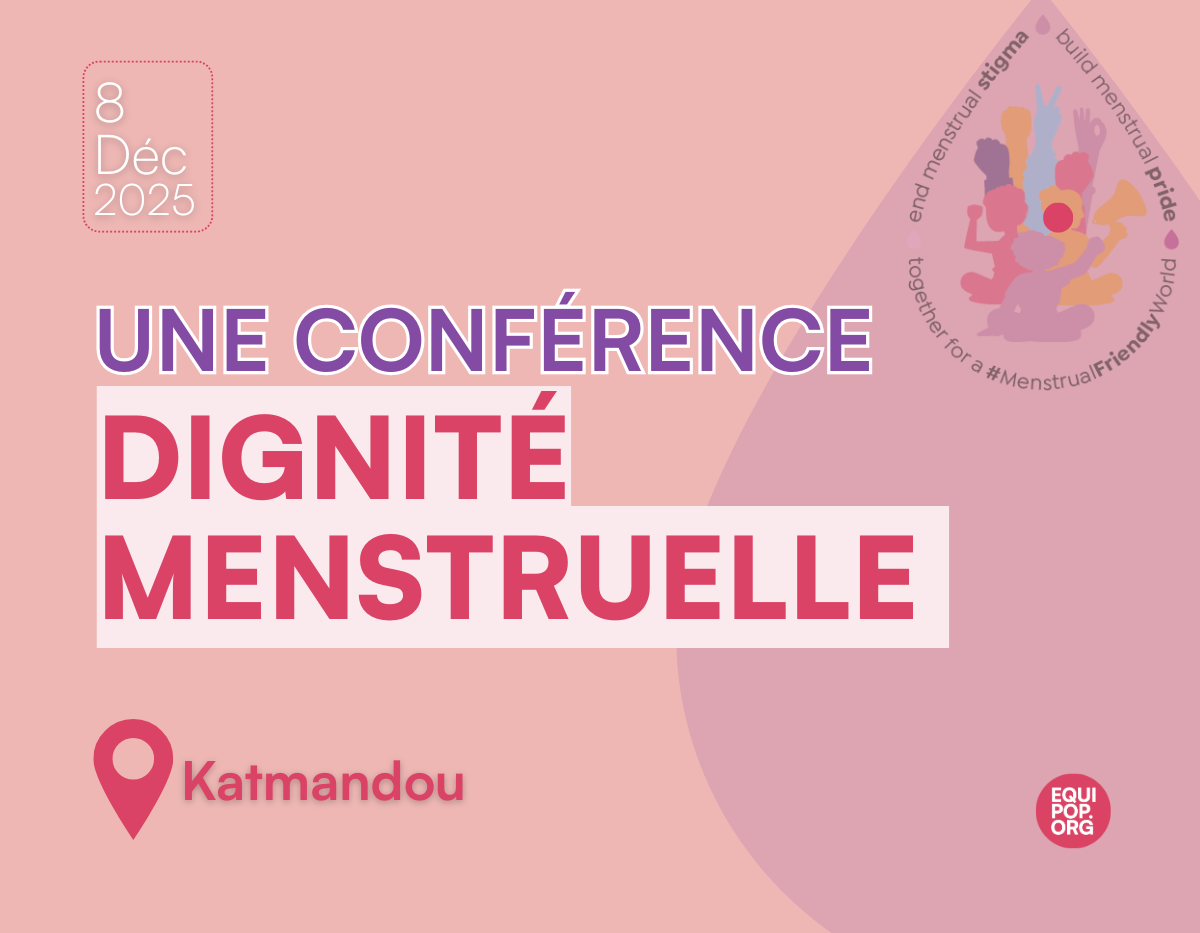
Since 2018, December 8, International Menstrual Dignity Day, has been part of the 16 Days of Activism Against Gender-Based Violence. This date serves as a reminder that menstrual discrimination is not simply a health or hygiene issue, but a human rights violation deeply rooted in gender inequality. In 2025, this mobilization […]
– SANSAS and CLV2: a workshop to strengthen democracy in health and empower young people
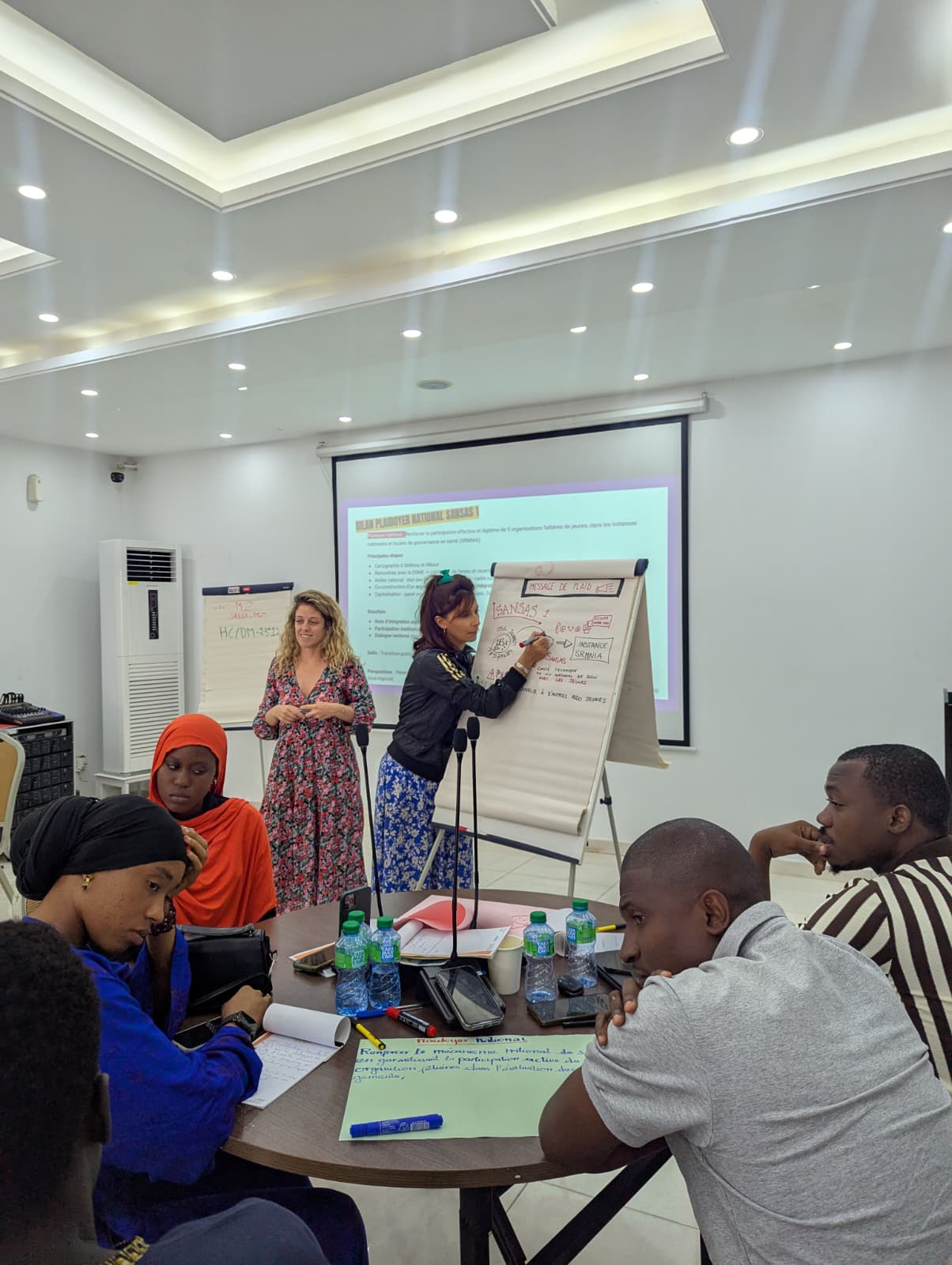
From October 15 to 17, 2025, members of the SANSAS and CLV2 projects (Solthis, Equipop, JED, RAES, young leaders, ANJSRPF, RJPA MGF/E) came together to share, capitalize on, and strengthen their actions around democracy in health. This joint workshop provided an opportunity to consolidate a collection of resources and experiences, while […]
– Three days to strengthen feminist advocacy voices in Benin: a workshop that brings together knowledge, experiences, and collective strategies
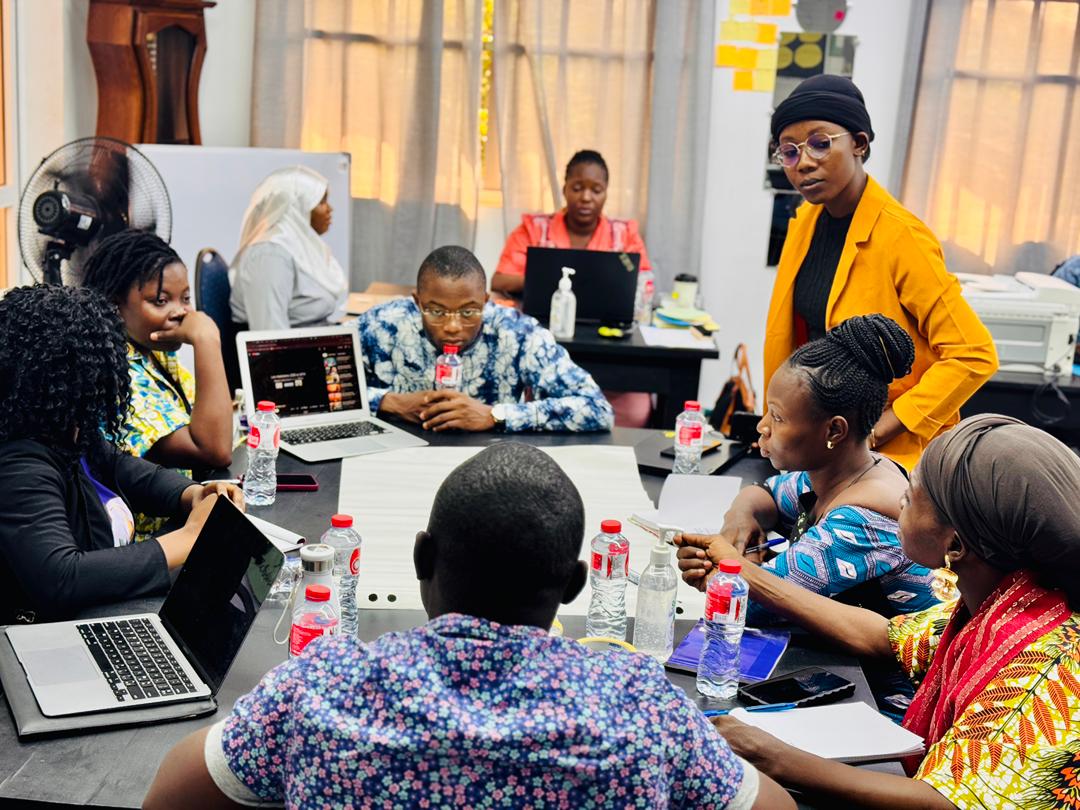
From November 17 to 19, 2025, Ouidah hosted a highlight of the project "For Feminist Agendas on Peace and Security – West Africa and the Sahel in Solidarity for Peace." For three days, 24 committed actors from partner organizations in Benin gathered for a training workshop […]
– Women, peace, and security: a conversation between four West African activists
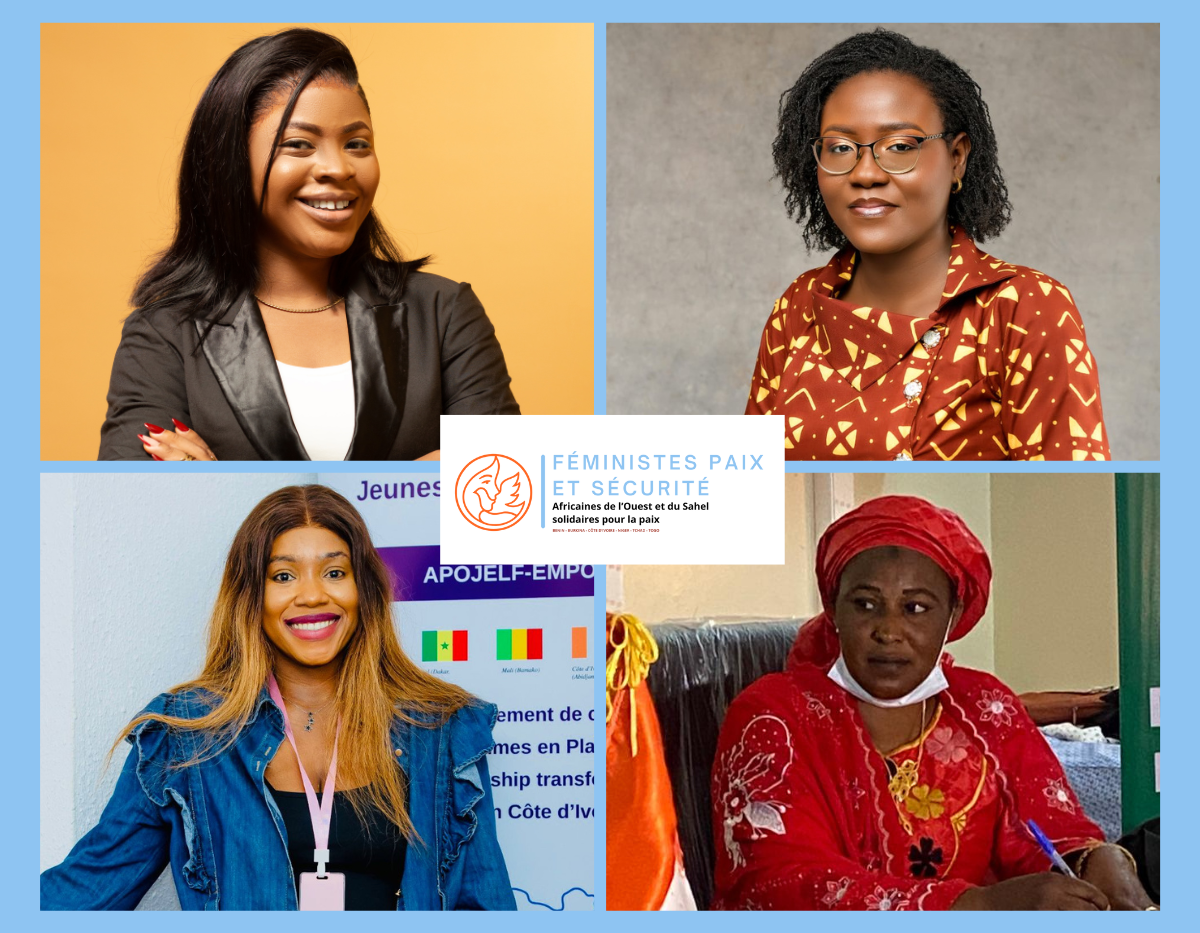
They come from Benin, Ivory Coast, Niger, and Togo. Florence Edéladjo Odjo, project coordinator at the NGO Barika (in northern Benin), Carelle Laetitia Goli, president of the ORAF executive board (Ivory Coast), Rakia Garba, coordinator of the NGO Mère Source de Vie (Niger), and Abra Rosaline Tsekpuia, spokesperson for the Négresses Féministes (Togo), […]
– Promoting gender equality in alternative care: the experience of SOS Children's Villages and Equipop
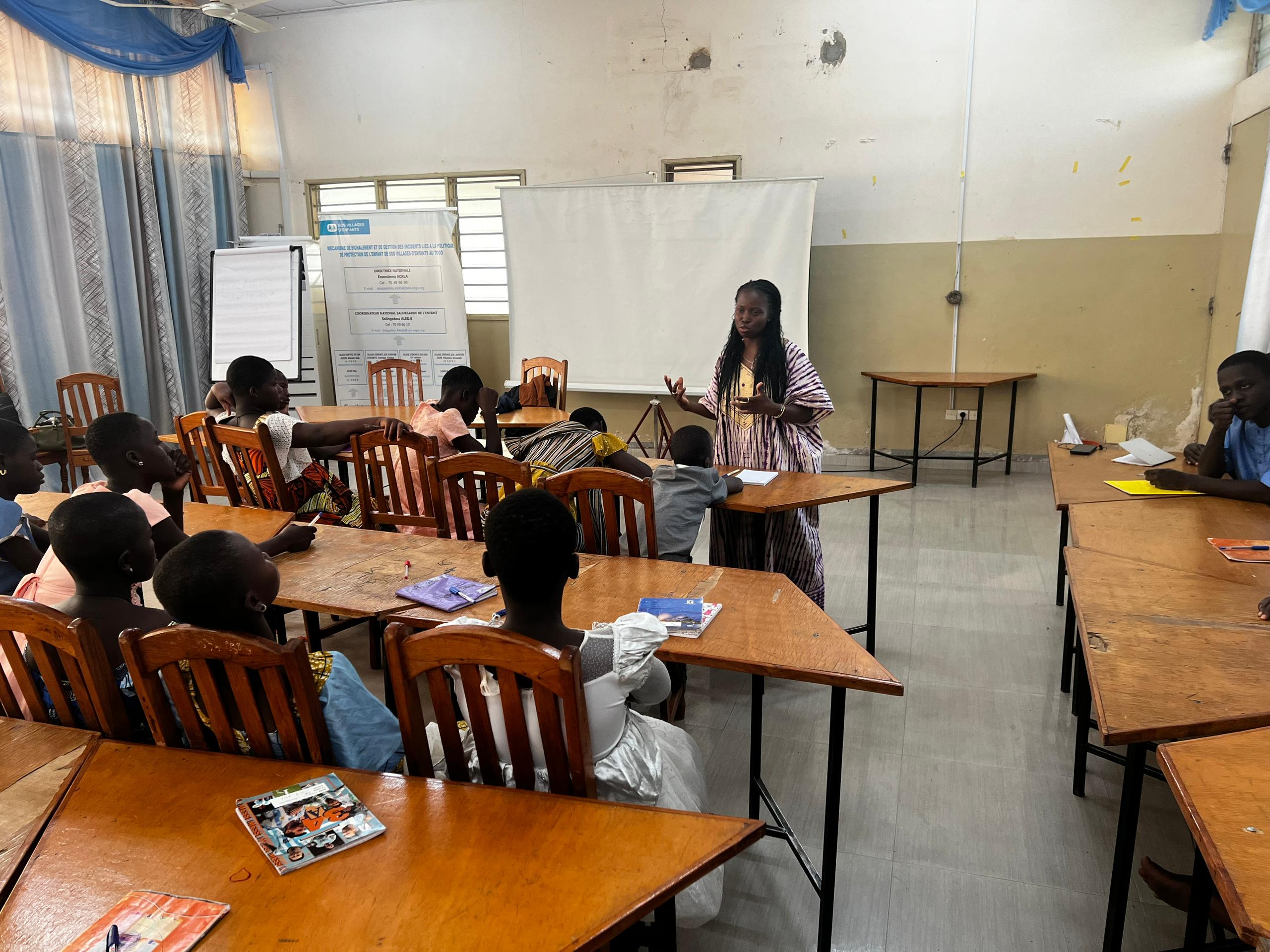
How can gender equality be sustainably integrated into alternative care? This is the challenge that SOS Children's Villages France and Equipop have been tackling since 2023 through the QUAPAO project, which aims to strengthen egalitarian dynamics within SOS Children's Villages in Togo, Niger, and Ivory Coast. This partnership draws on the expertise of a network […]
– EquipopLabs for feminist advocacy at the heart of communities
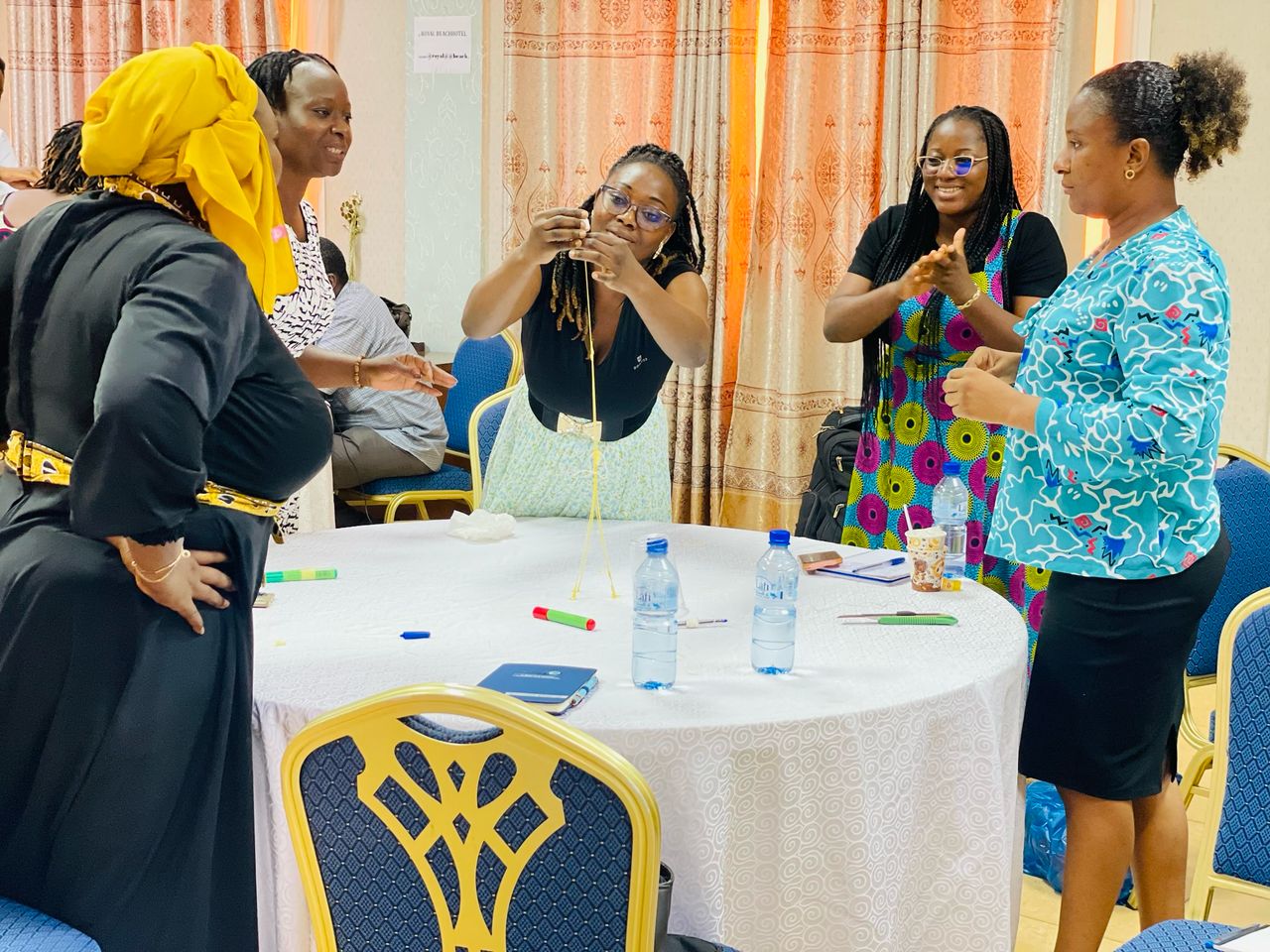
In 2025, three incubation labs were organized by Equipop as part of the C'est la vie! (CLV 2) project in Ouagadougou, Abidjan, and Niamey. These workshops, facilitated using the EquipopLab participatory methodology, brought together members of Ratanga Clubs, civil society organizations, institutional partners, the project's feminist consultants, [...]
– Young Women in Motion: Five days to imagine, share, and co-create advocacy strategies to combat sexual violence against women.
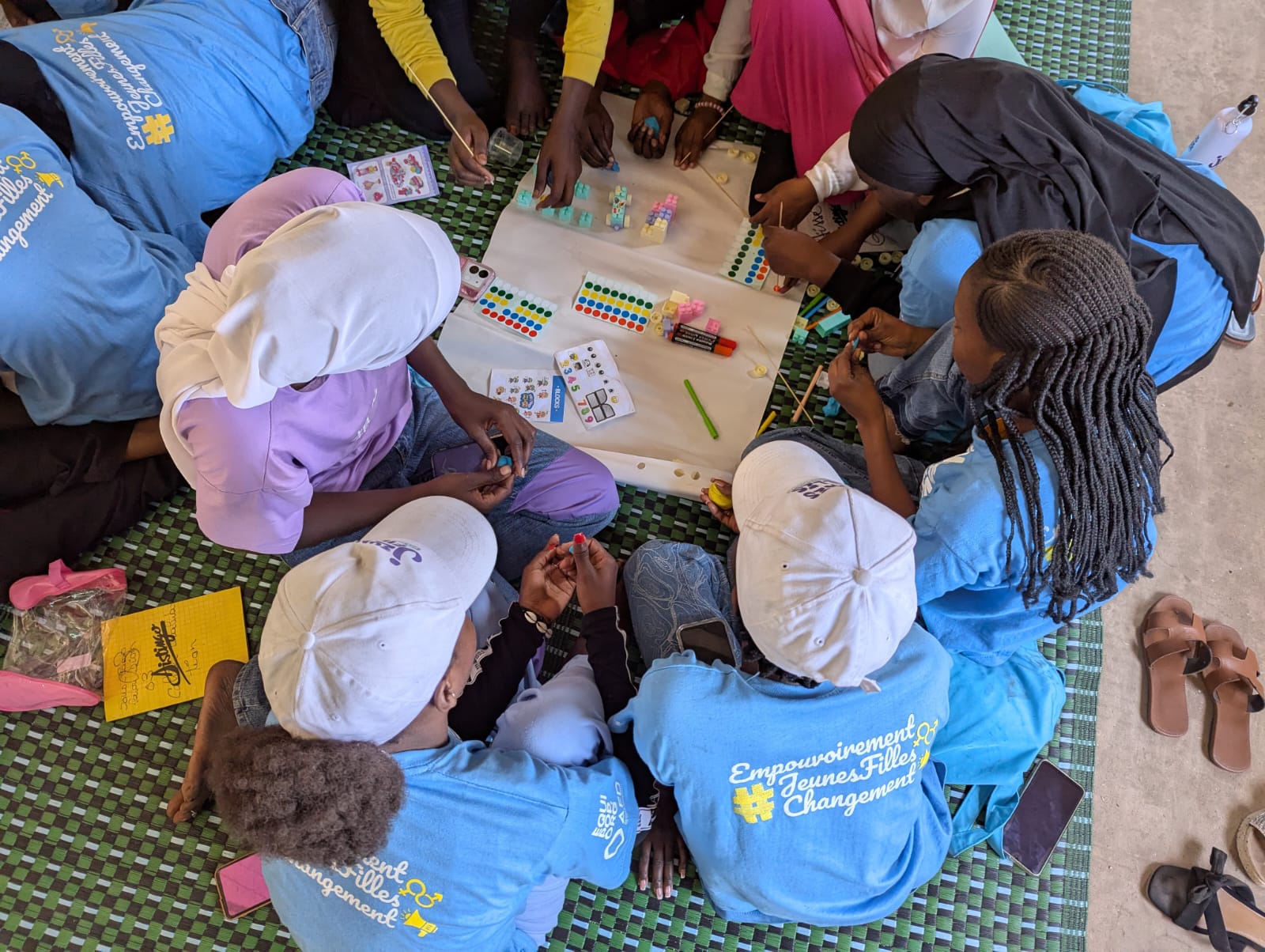
From April 2 to 7, 2025, the Professional Training Center (CIFOP) in Mboro, Senegal, welcomed 135 Young Women in Motion (JFM) from Mbour, Fimela, and Matam. Accompanied by teams from Jeunesse et Développement (JED), Equipop, and a Senegalese feminist consultant, these young women took part in a unique incubation lab […]
– Strengthen media practices to better combat gender-based and sexual violence
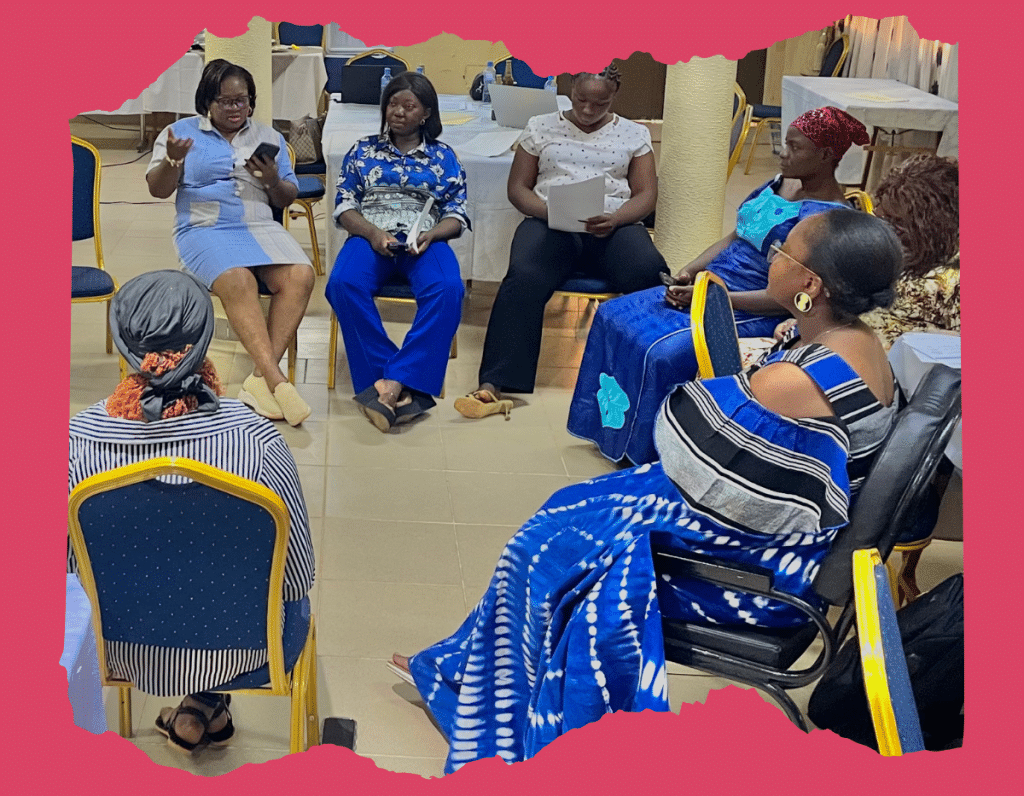
From March 18 to 21, Equipop led a workshop on feminist communication for feminist journalists. Over four days, participants came together to reflect on dominant media practices, deconstruct sexist representations in the news, and strengthen their skills to produce more accurate and transformative reporting on gender-based violence […]
– In Senegal, strengthening dialogue between young people, political authorities, and committed professionals: a look back at the SANSAS project round table

A roundtable discussion held at the end of January 2025 to share key lessons on improving sexual and reproductive health services for adolescents and young people in Senegal. This exchange brought together young people, health professionals, representatives of public institutions, and technical and financial partners, with the shared ambition of […]
– Data to take action against gender-based and sexual violence!

Data on gender-based and sexual violence (GBV) is essential for understanding the phenomenon, its causes, consequences, needs, and obstacles, and thus for developing and implementing effective, appropriate, and high-quality policies.