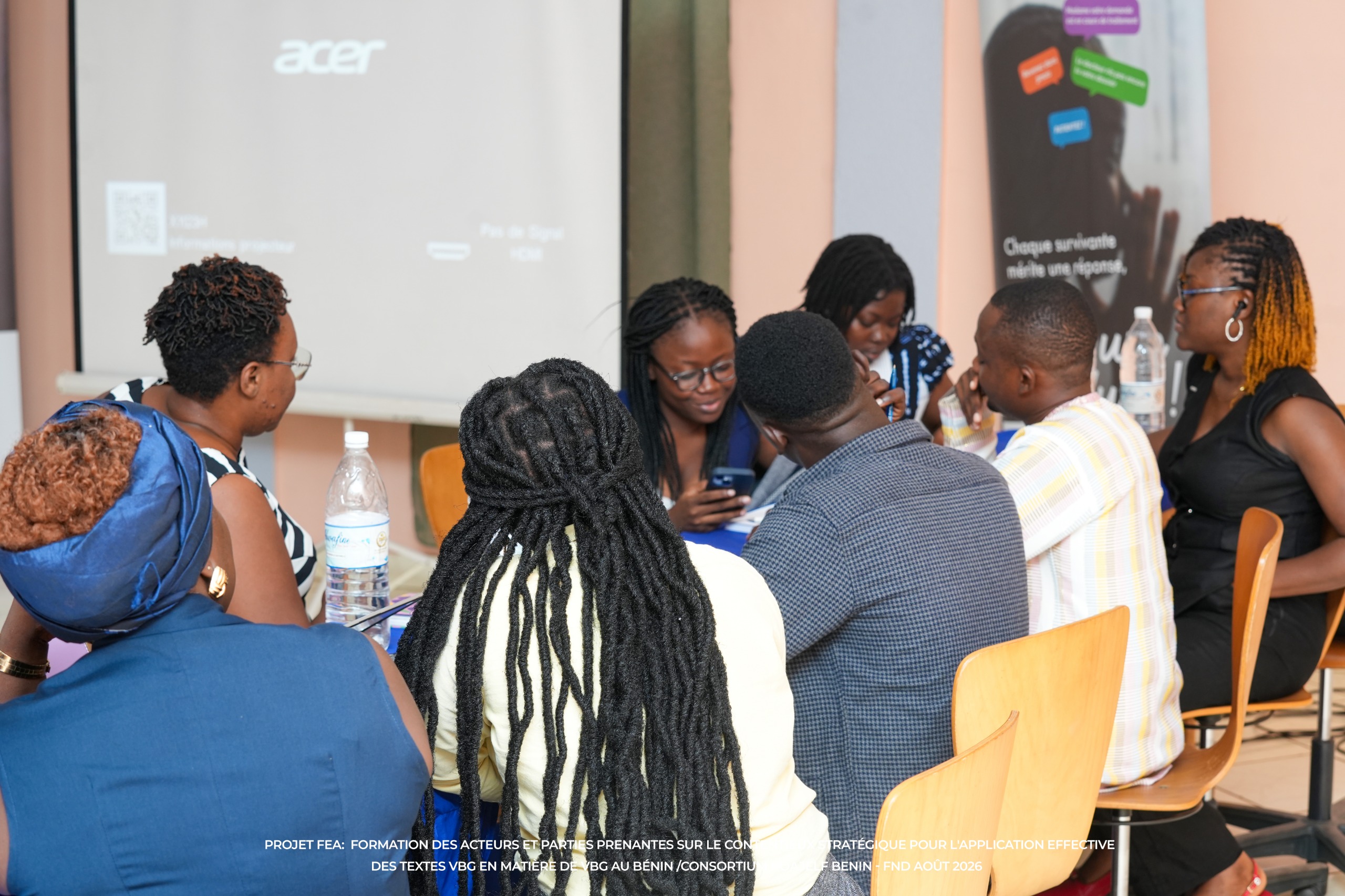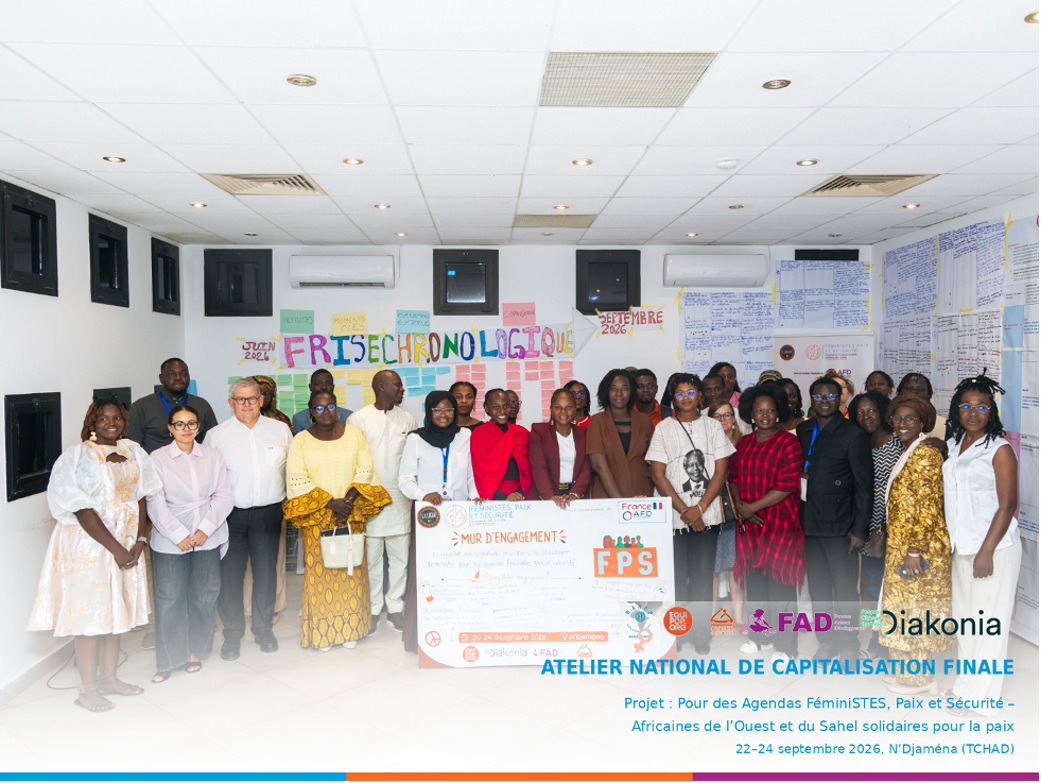
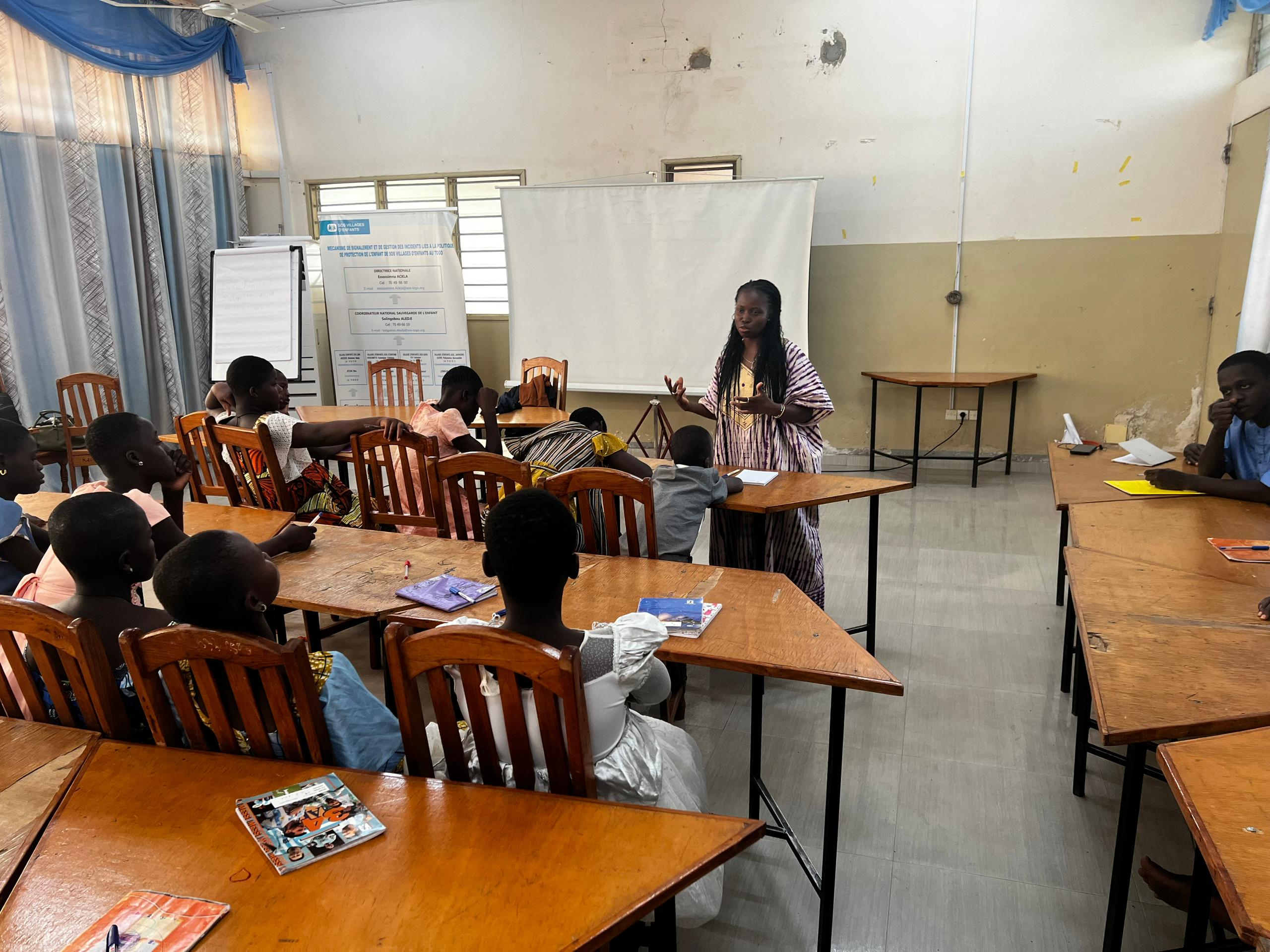
How can gender equality be sustainably integrated into alternative care?
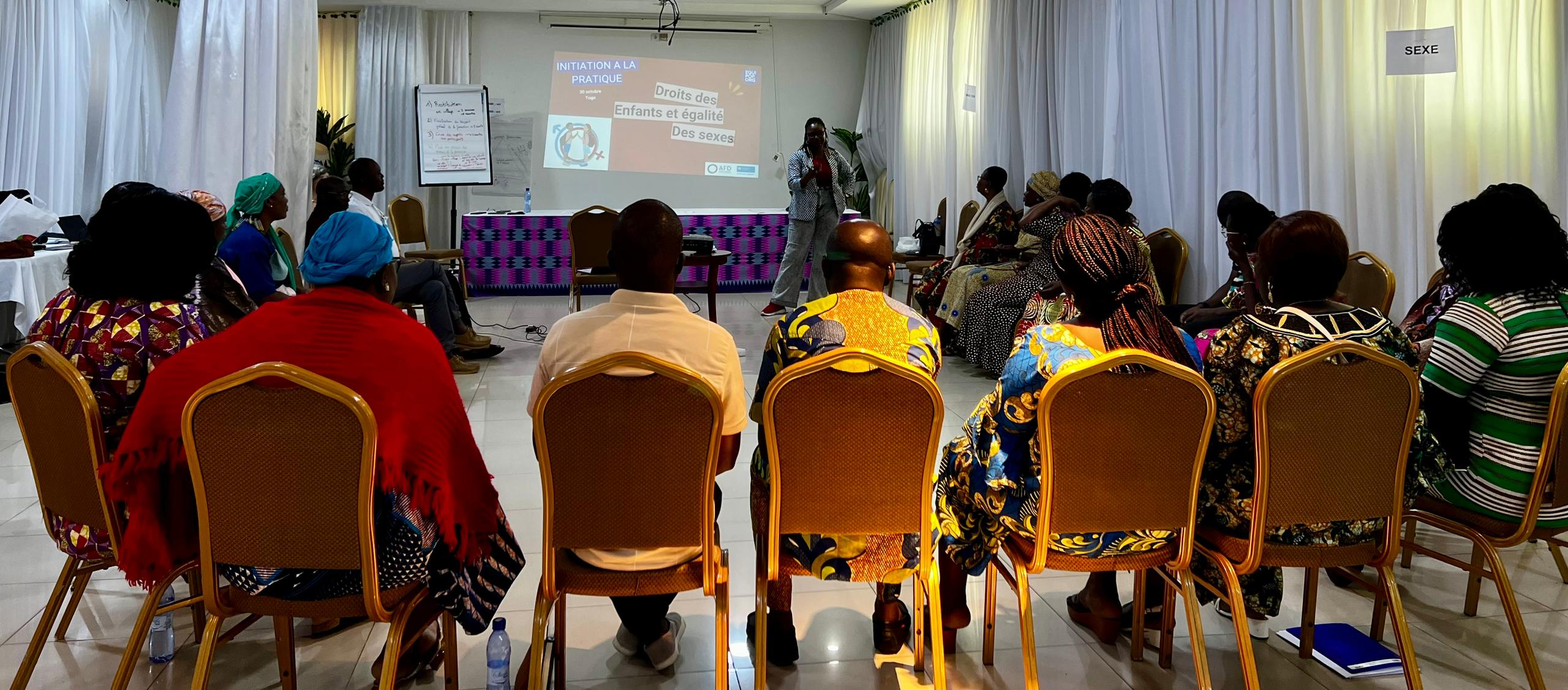
This is the challenge that SOS Children's Villages France and Equipop have been tackling since 2023 through the QUAPAO project to strengthen egalitarian dynamics within SOS Children's Villages in Togo, Niger, and Côte d'Ivoire. This partnership draws on the expertise of a network of West African feminist consultants, who are putting their in-depth knowledge of cultural contexts and technical know-how to work to bring about a profound transformation in educational practices.
The QUAPAO project: Quality of care in child protection in West Africa.
- Institutional Project (IPD) co-financed by the French Development Agency (AFD) and SOS Children's Villages France, in partnership with Equipop.
- Period: 3 years / Phase 1: November1, 2023 to October 31, 2026
Main objective: Introduce a quality approach within three associations in order to guarantee care that respects the rights, needs, and expectations of children and young people taken in by SOS Children's Villages.
Implementation in National Associations (NA) Togo (3 villages), Niger (1 village), and Ivory Coast (2 villages).
What we have put in place
The gender approach is a strategic prism in the QUAPAO project, with support provided on three complementary levels:
- With SOS teams: participatory assessments of gender issues (non-sexist education, comprehensive sexuality education, empowerment of girls, combating gender-based violence), facilitating debates, supporting the design of transformative actions;
- For professionals: training focused on egalitarian educational practices and support in testing concrete initiatives that promote equality between girls and boys;
- With children and young people: leading training workshops and discussion groups on comprehensive sexuality education, developing their empowerment, positive masculinity, transformative femininity, gender-based violence, non-sexist education and the distribution of household tasks, dreams and careers without gender limits.
To facilitate acceptance of the support, particular care was taken in presenting the consultants. Although feminists and committed to defending women's rights, they initially positioned themselves as gender specialists, highlighting their technical expertise while remaining transparent about their commitment.
Integrating gender equality into alternative care: the areas developed in QUAPAO
The QUAPAO project has demonstrated that gender equality cannot be improvised: it must be considered a structural dimension of educational quality. The support provided by Equipop has enabled the development of a framework for action based on four complementary areas that guide the transformation of practices in SOS Children's Villages in Togo, Niger, and Côte d'Ivoire.
- Identify and document inequalities
The first step was to highlight the inequalities that still affect the daily lives of children, young people, and professionals. Through participatory assessments, teams and families were able to analyze educational practices, institutional dynamics, and community contexts together. This work highlighted, for example, the persistence of gendered divisions of labor and differences in access to opportunities based on children's gender. This data then fed into a collective strategic reflection, paving the way for targeted actions.
- Strengthening institutional frameworks for equality
Because the sustainability of change depends on solid benchmarks, the project supported the ANs in developing steering documents that explicitly incorporate gender considerations. Whether in quality improvement plans, later in institutional projects, or in internal regulations, the objective was to place gender equality at the heart of care standards, while putting in place monitoring mechanisms to ensure their effective implementation. This formalization contributes to ensuring that the transformation is long-lasting.
- Transforming educational and parenting practices
Support was also provided to professionals (SOS Parents, family assistants, youth educators) to ensure that equality becomes a concrete benchmark in family life. Awareness-raising and training focused on the importance of deconstructing discriminatory beliefs, whether they relate to gender preferences, the traditional division of domestic tasks, or certain educational stereotypes. In several villages, educational initiatives were trialed to promote a more equitable division of responsibilities and encourage each child to develop their aspirations freely, regardless of their gender.
Furthermore, the mobilization of professionals was also crucial: taking into account their professional and personal experiences by offering them dedicated spaces was an important lever for change. In order to transform educational relationships in favor of greater equality, parents must also be able to deconstruct their own histories, understand them, and find personal and collective interest (e.g., training on women's rights).
- Equipping professionals and empowering children and young people
Finally, the project emphasized the need to strengthen professionals' ability to identify and deconstruct gender stereotypes. Training and support sessions enabled teams to integrate this awareness into their daily work, while initiating positive discrimination measures to compensate for certain imbalances observed, particularly in access to positions of responsibility or school and extracurricular activities. At the same time, spaces for dialogue were created to enable children and young people to reflect on equality themselves and assert themselves as agents of change within their villages.
Through these four areas of focus, QUAPAO has laid the foundations for an integrated and systemic approach that not only corrects existing imbalances, but also brings about lasting change in educational and intentional culture in favor of equality.
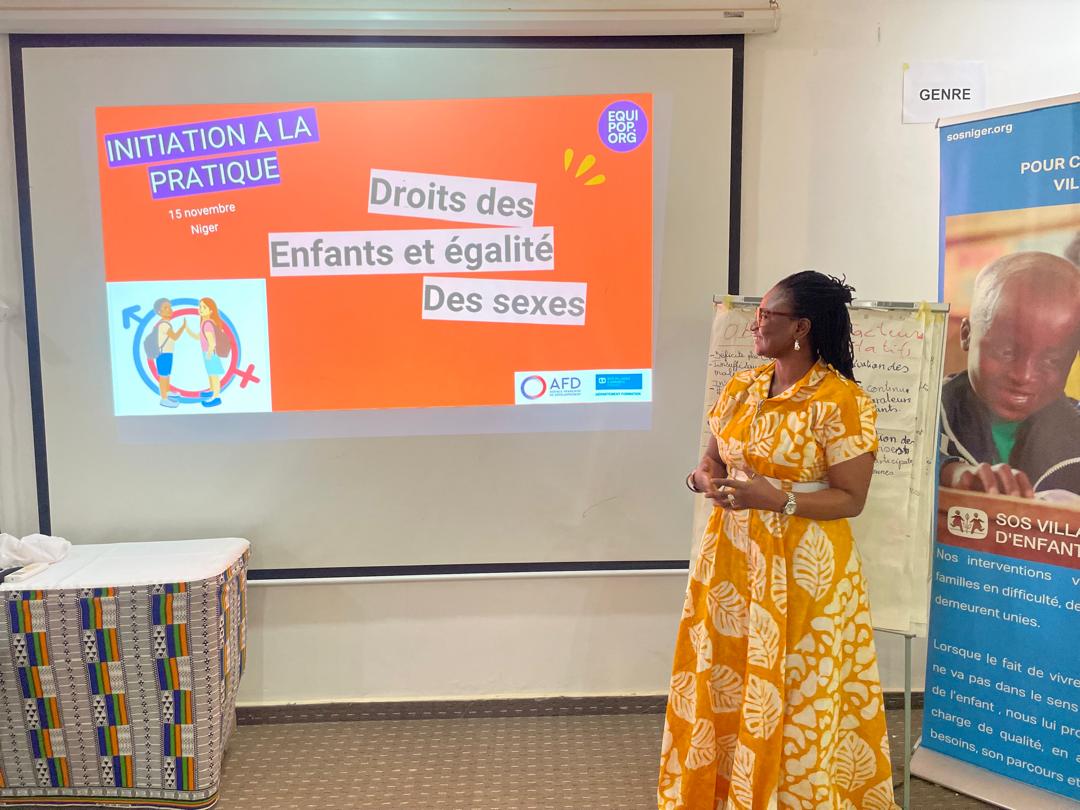
The key drivers identified
The support provided as part of the QUAPAO project has identified five key levers for embedding gender equality in alternative care in the long term. These levers reflect an approach that is both pragmatic and deeply rooted in the local realities of SOS Children's Villages in Togo, Niger, and Côte d'Ivoire.
- Adapt language and posture to overcome initial resistance while remaining true to the values you uphold.
Overcoming initial resistance requires subtle adjustments in language and attitude. The concepts of gender or feminism can provoke reluctance if they are perceived as abstract or distant from everyday practices. In QUAPAO, discussions were introduced using accessible concepts such as "equity in education" or "mutual respect," allowing for open dialogue while remaining true to the values being promoted.
This approach facilitated the mobilization of teams and professionals, fostering voluntary commitment rather than imposed adherence.
- Co-develop solutions with teams and professional , based on their realities and priorities.
The transformation of practices is sustainable when it is designed collectively. Support is provided to promote the knowledge and priorities of those working in the field, taking into account their constraints and experiences. In several villages, this co-construction has led to the implementation of concrete initiatives, such as the introduction of participatory discussion time and more attentive listening to promote adequate care for children and young people, or the reorganization of domestic tasks. These measures, developed on the basis of their realities, have reinforced the feeling of ownership and encouraged the adoption of changes.
- Leverage local expertise by relying on consultants who are rooted in cultural contexts but open to pedagogical innovations.
Local expertise was a key factor in ensuring the credibility and effectiveness of the support provided. The West African consultants (from Togo, Niger, and Côte d'Ivoire) involved in QUAPAO were able to combine their knowledge of cultural contexts with an openness to educational innovations. Their local roots enabled them to anticipate resistance and propose appropriate solutions, while serving as inspiring role models for the teams, children, and young people. This combination of technical expertise and social legitimacy strengthened buy-in and confidence in the process.
- Create safe spaces for dialogue to question representations and deconstruct prejudices.
Challenging gender norms requires environments where everyone can express themselves without fear of judgment. The workshops and discussions provided these supportive spaces, encouraging participants to voice their doubts and compare practices. These exchanges gradually broke down prejudices and fostered collective reflection on equality, while encouraging the co-construction of solutions adapted to each family and educational context.
- Anchor the lessons learned in internal practices and standards so that the gender approach becomes a natural part of quality care.
In order for the gender approach to become a natural part of educational quality, it is essential to institutionalize it. At QUAPAO, this has meant integrating equality principles into internal evaluation frameworks, adapting internal procedures, and setting up regular monitoring. This formalization ensures that changes are sustainable, allowing identified best practices to spread and become a permanent part of the daily operations of SOS Children's Villages.
Biases to avoid
The QUAPAO project experience also identified key pitfalls that can compromise the effectiveness and sustainability of gender-sensitive support in alternative care.
- Imposing a discourse and/or methodology that is disconnected from local realities
Addressing gender equality without taking cultural and institutional contexts into account can generate resistance and limit ownership of actions. In some SOS villages, the direct use of the term "feminism" at the start of workshops was perceived as abstract or divisive by some of the teams. To overcome this barrier, the vocabulary and content of the interventions were adapted by anchoring them in everyday practices and concrete educational concerns, thereby enabling the teams to be fully mobilized and creating a constructive dialogue.
- Reducing gender to a one-off training module, without long-term support
Transforming attitudes and practices requires ongoing support. During an initial series of training sessions, several SOS parents expressed their enthusiasm but also their difficulties in applying the new approaches in their daily lives. Without ongoing support, the gains made are likely to fade quickly. QUAPAO has therefore set up follow-up sessions and regular opportunities for discussion, allowing participants to share their successes, identify the obstacles they have encountered, and gradually consolidate the changes, thus ensuring the sustainability of the impact.
- Neglecting the acceptability phase, which is essential for the effective mobilization of teams.
Before any action is taken, it is crucial to create a climate of trust and legitimacy around the project. Some teams feared that gender-focused support would challenge their established practices. The gradual introduction of consultants as technical experts, while being transparent about feminist commitments, helped to create a reassuring environment and encourage buy-in. This acceptance phase proved to be decisive: it paved the way for active participation and genuine ownership of equality principles by all stakeholders.
Towards capitalization and dissemination of the model
The consolidation of the four areas (identifying and documenting inequalities, strengthening institutional frameworks for equality, transforming educational and parenting practices, and equipping professionals and empowering children and young people) developed in QUAPAO naturally paves the way for a process of capitalizing on and sharing learning. By structuring educational practices around gender equality and integrating these principles into institutional frameworks, the project provides a foundation for producing transferable tools and methods.
Equipop and SOS Children's Villages France are therefore planning to organize collective reflection sessions with consultants and local teams in order to document successful initiatives and observed transformations. This capitalization will enable the creation of training modules and operational benchmarks that can be adapted to other contexts within the SOS network in West Africa. Beyond documentation, the aim is to promote the dissemination of a gender-sensitive support model integrated into alternative care, which will inspire other associations and institutions to enshrine gender equality in all aspects of education and child protection in the long term.
The QUAPAO experience illustrates that transforming practices and mindsets is possible when technical rigor, institutional commitment, and culturally sensitive dialogue come together.