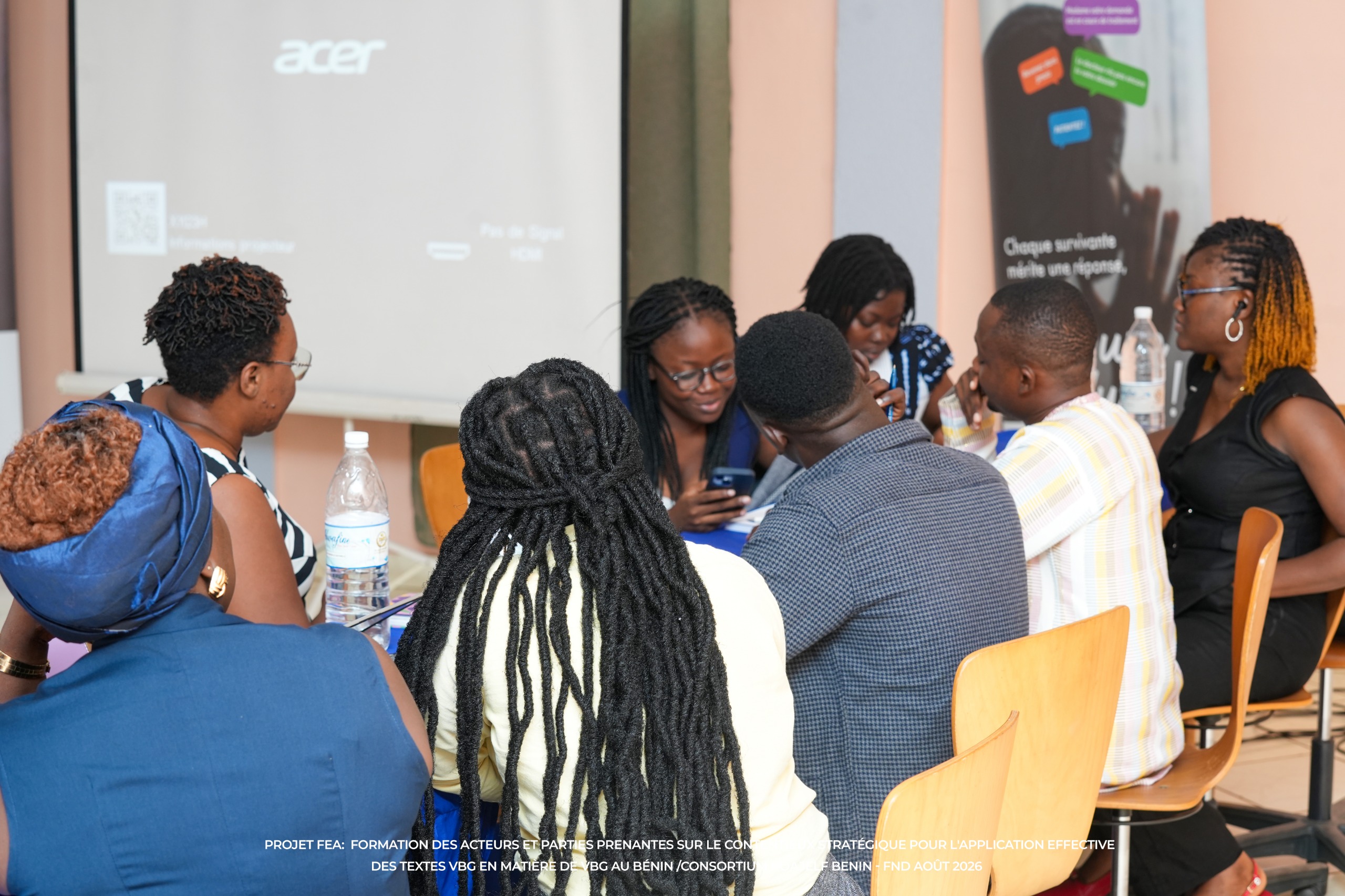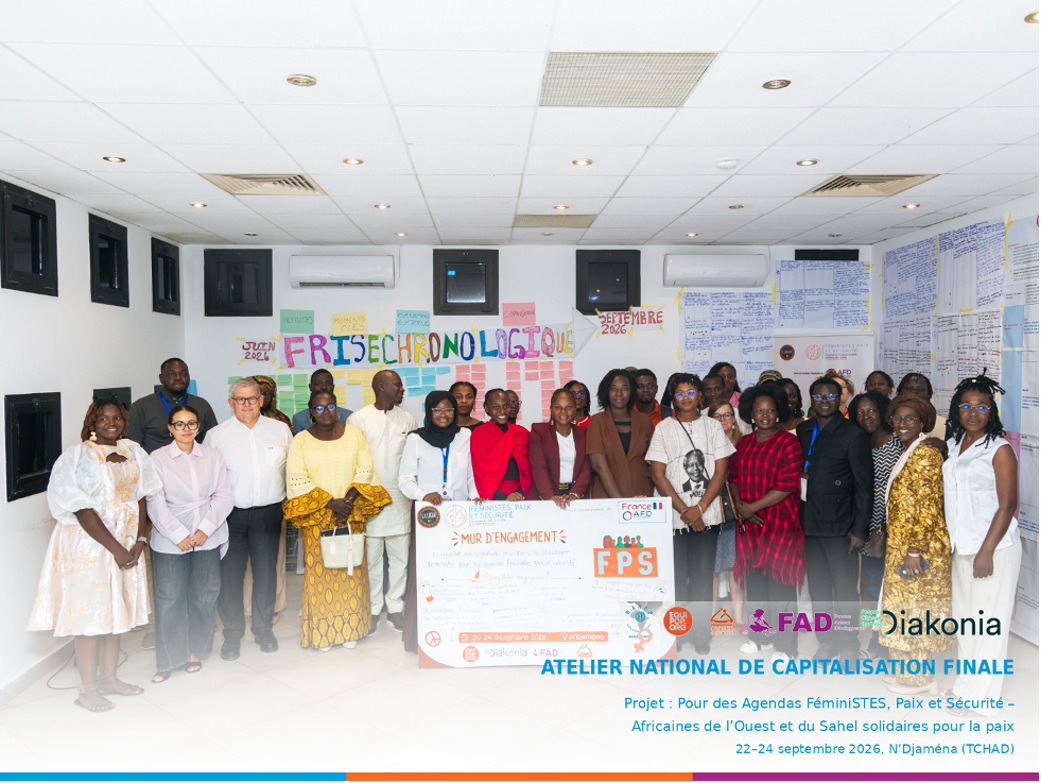
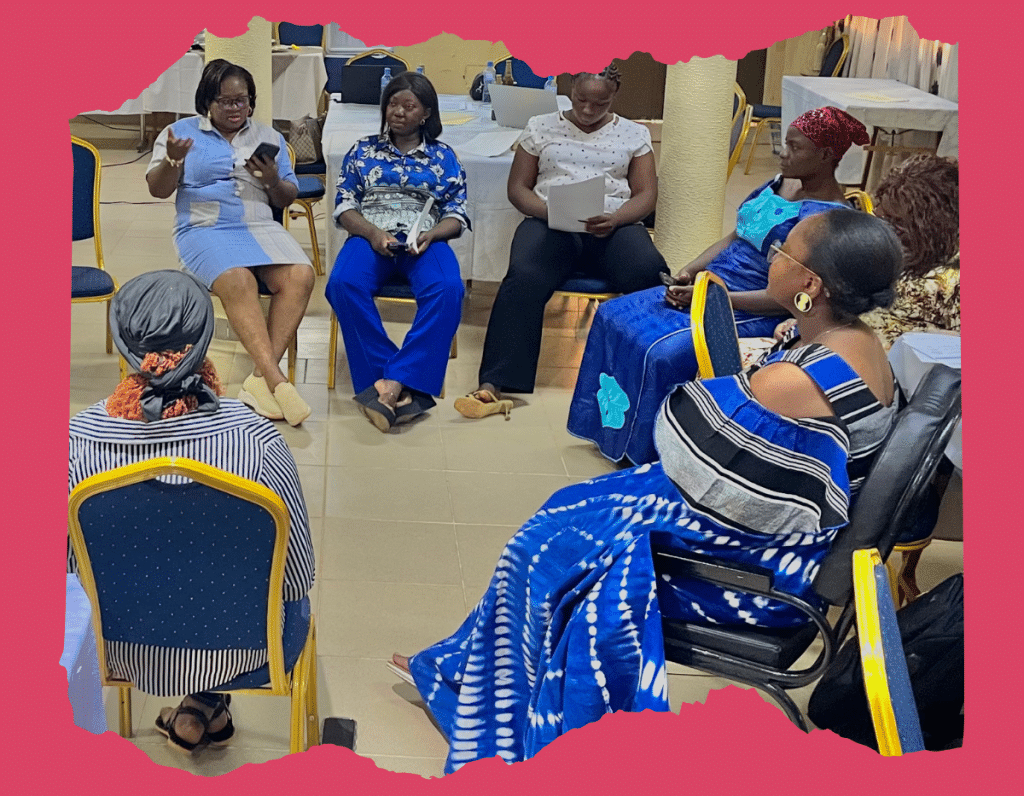
From March 18 to 21, Equipop led a workshop on feminist communication for feminist journalists. Over four days, participants came together to reflect on dominant media practices, deconstruct sexist representations in the news, and strengthen their skills to produce more accurate and transformative reporting on gender-based and sexual violence (GBV).
This workshop is part of the SE DÉFENDRE project, implemented by a consortium of feminist organizations comprising Voix de Femmes, the Association des Femmes Juristes du Burkina Faso (AFJ/BF), the Initiative Pananetugri pour le Bien-être de la Femme (IPBF), and Equipop. The project aims to support Burkinabe women and their organizations in their fight against gender-based and sexual violence, adopting a feminist approach focused on empowerment, resilience, and social transformation.
Working with the media to change narratives
In Burkina Faso, journalists play a vital role in informing citizens, raising awareness of social issues, and promoting values of equity and justice. Through their daily work, they help shape collective perceptions, influence behavior, and give voice to those who are often marginalized.
The media thus play a central role in shaping social representations: they can contribute to the normalization of violence against women—or, conversely, to its denunciation and the opening up of spaces for dialogue and change.
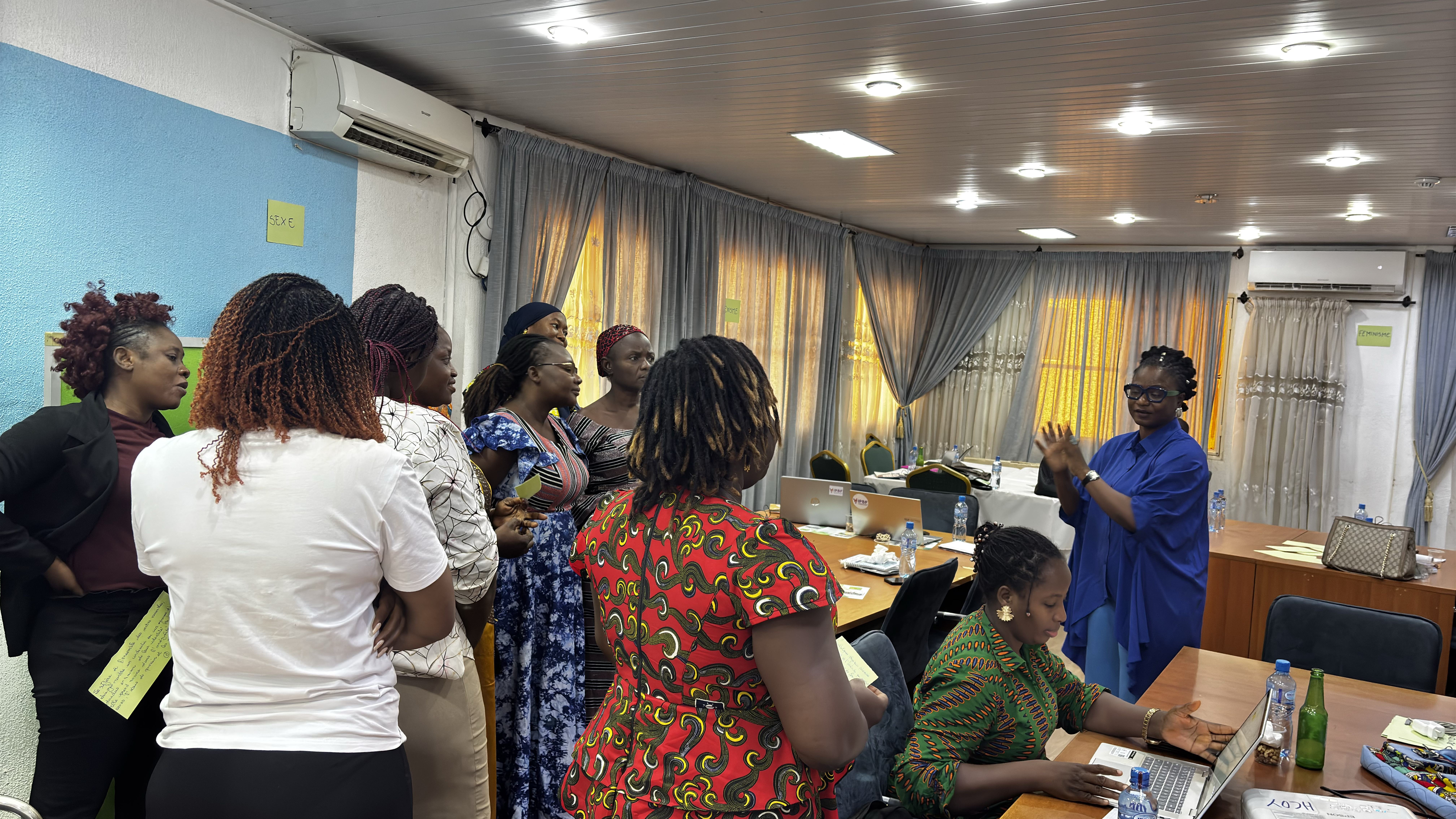
Aware of this responsibility, feminist journalists committed to equality responded to the call of the project SE DÉFENDREproject, which places synergy with the media at the heart of its priorities. The workshop organized in March welcomed and reinforced this commitment, allowing participants, all of whom are already involved in the field, to explore key themes related to media coverage of gender-based and sexual violence (GBV):
- Understanding the mechanisms that reinforce the invisibility of victims and survivors, in order to better represent them in the media;
- Identify biases in words, images, and journalistic angles to avoid unintentionally reproducing stereotypes.
- Develop more balanced, humane, and respectful communication, without sensationalism or complacency;
- Explore the principles of a gender-sensitive approach to media, based on ethics, professional rigor, and respect for human dignity.
The media plays a central role in shaping social representations. It shapes attitudes, influences behavior, and contributes to the normalization or condemnation of violence against women. That is why one of the priorities of the SE DÉFENDRE project is to work in synergy with journalists committed to gender equality in order to change the dominant narratives.
During the workshop, several topics were explored:
- Identifying and deconstructing media bias in the coverage of gender-based and sexual violence;
- The choice of words and narratives, which can reinforce or challenge gender stereotypes;
- The principles of feminist journalism, based on ethics, rigor, and solidarity with survivors;
- Mechanisms of empathy toward perpetrators: how the media (often unconsciously) contributes to protecting the reputation of accused men, to the detriment of women survivors;
- Tools to refocus narratives on victims and survivors, while respecting their dignity and their words.
Towards a network of feminist journalists
Beyond capacity building, this training laid the foundations for a network of feminist journalists in Burkina Faso: a space for professional sisterhood, collaboration, and exchange between journalists eager to make journalism a real lever for social transformation.

Participants expressed their desire to engage in the long-term fight against gender-based and sexual violence, through their journalistic work, but also through advocacy, cross-sector alliances, and awareness-raising activities.
For media discourse that liberates, protects, and transforms
The workshop ended on a strong note of commitment: to use the power of words and stories to promote women's rights. Because the fight against VSS is not only fought in courts or healthcare centers, it is also fought in newspaper columns, on the radio, on television, on blogs, and on social media.
Equipop, alongside its partners, is committed to supporting the actors of change in this process, convinced that the media has an essential role to play in encouraging constructive discussions, promoting positive initiatives, and contributing to the emergence of a more equitable society that respects the rights of all.
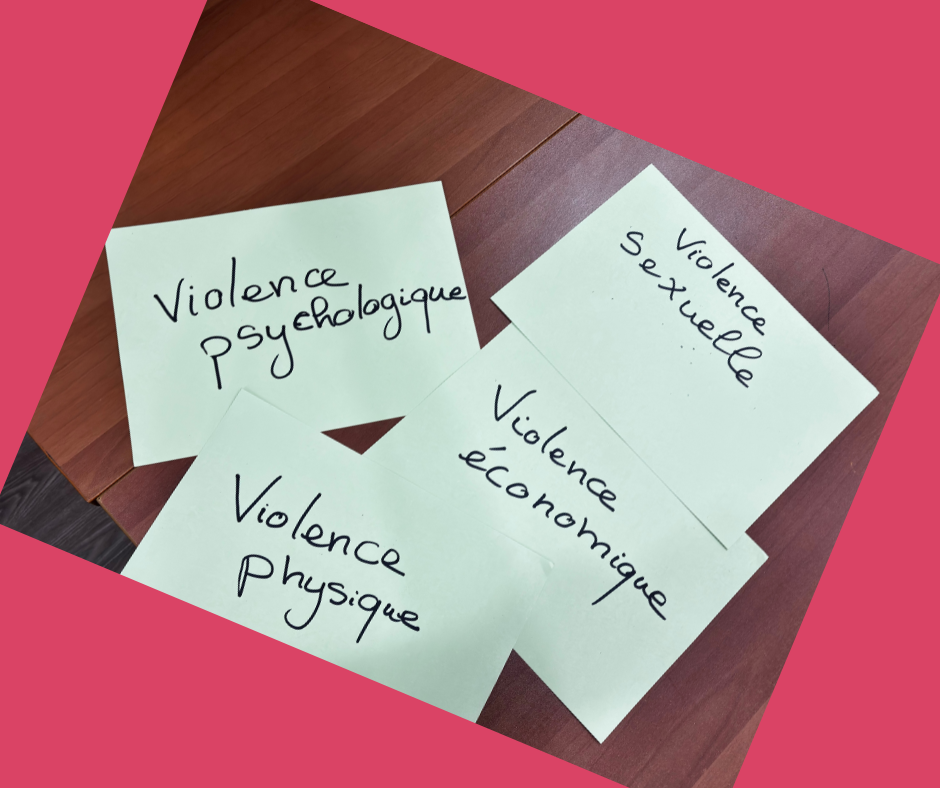
As part of the project SE DÉFENDREproject, Equipop has launched a series of training courses specifically designed to strengthen the capacities of journalists and media professionals on issues of feminist communication and the fight against gender-based and sexual violence. This program aims to provide opportunities for exchange, practical application, and critical reflection in order to support ethical, gender-sensitive media approaches that are adapted to local contexts. The next steps will include additional workshops, thematic webinars, and strategic meetings with media leaders to consolidate the commitments made collectively and promote a sustainable dynamic.