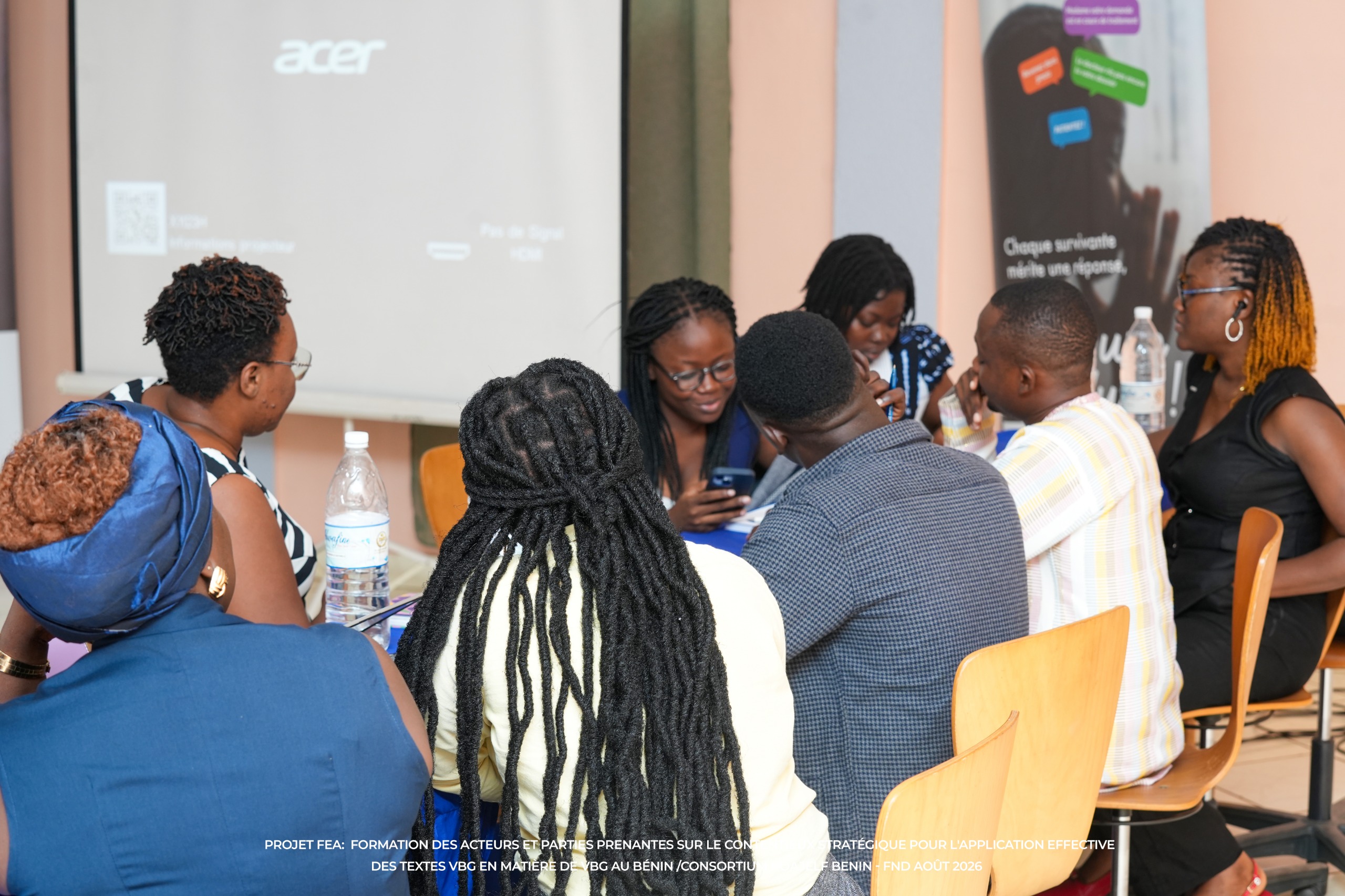
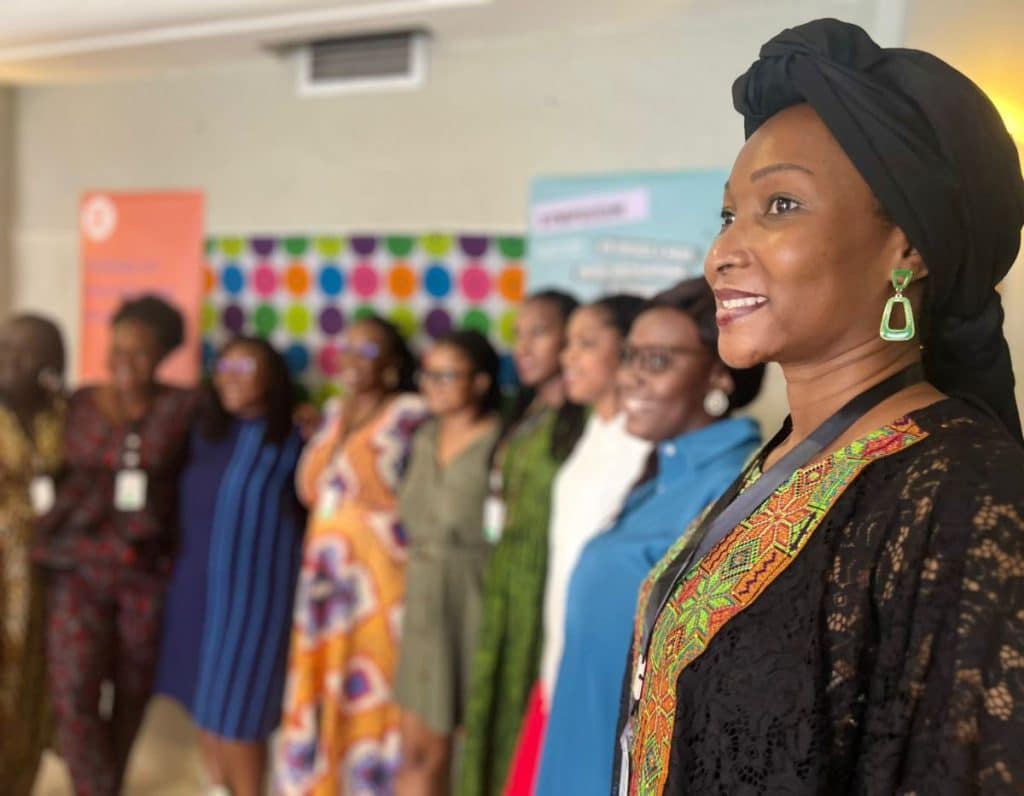
From March 4 to 6, 2024, in Cotonou, Equipop organized, with a committee of experts, a symposium entitled "A space of our own between activism and research: let's discuss a feminist approach to SRHR!"
Funded by AMC as part of the Foundation project, this event brought together 40 activists and researchers from 14 different countries to collectively reflect on repoliticizing issues related to sexual and reproductive health and rights (SRHR) from a feminist perspective, as well as actions to combat anti-rights movements.
Take action by collectively considering issues related to SRHR and actions to defend them.
SRHR are fundamental rights based on long-established human rights. SRHR are also political issues; the problems they address (maternal mortality, sexually transmitted infections, unwanted pregnancies, access to menstrual dignity, sexual and gender-based violence, etc.) should be seen as resulting from power and wealth relations, as well as from political choices and priorities. One of the questions that keeps coming up in feminist circles around the world is: who owns women's bodies? “We are bodies steeped in history. In 2017, Macron can decide to talk about African women's motherhood during an international meeting in Germany without causing too much of a stir, and at the same time, in 2024, talk about demographic rearmament in a French context. […] We cannot think that we are only women's bodies. […] When Awa Thiam says, "Give black women a voice," she is saying that we need to be heard as subjects, as ourselves. And deep down, we are caught up in this. When we politicize who we are, we understand that we are projects above ourselves. Odome Angone Our elders have made many advances in SRHR over the decades, and it remains important to renew our thinking and mobilization efforts. on the issue for three main reasons:- Positions on SRHR remain too often rooted in a biomedical, public health, or even instrumental approach to growth, leaving aside the issue of choice and human rights. A Read the article on demographic rearmament
- SRHR are not fully guaranteed in any territory. They are regularly challenged and attacked, both in national contexts and in international negotiations on gender equality. Read the report published by Equipop and the Jean Jaurès Foundation in 2023.
- Finally, it is important to maintain the momentum of the new feminist movements that have emerged since #MeToo, which are active on every continent.
Shaping a “space of our own,” between activism and research
With the support of a committee of experts and exploratory studies, the aim of this first symposium was to bring together French-speaking academics and feminist activists from West Africa, North Africa, and Europe to create a "space of our own" around a simple question: what, in your opinion, is a feminist approach to SRHR? To address this issue, 40 feminist activists and researchers from 14 different countries (Belgium, Benin, Burkina Faso, Canada, Ivory Coast, France, Italy, Mali, Morocco, Mauritania, Niger, Netherlands, Senegal, Tunisia) gathered in Cotonou on March 4, 5, and 6, 2024, to discuss the following issues:- Knowledge for action: comprehensive sexuality education through the lens of the life cycle;
- From talking circles to the women's liberation manual: different perspectives on the valorization of experiential knowledge;
- Our bodies, our choice, our right: bodily autonomy and reproductive justice;
- Gynecological and obstetric violence and health inequalities;
- At the intersection of oppressions: how can we defend universal access to SRHR in the face of anti-rights movements in hostile contexts?
- Screening of the documentary “We are coming,” chronicle of a feminist revolution, and discussion with Nina Faure, the director;
- An art therapy session with Salimata Kaboré, painter.