In Guinea, menstruation remains a highly taboo subject in many communities. The lack of information, cultural beliefs, and the stigma surrounding menstruation have a direct impact on young girls’ lives: school absenteeism, low self-esteem, isolation, and difficulty speaking openly about menstrual health.
Sang pour Sang is a consortium project dedicated to promoting menstrual dignity and strengthening community initiatives focused on menstrual health and the rights of menstruating people. In Guinea, Equipop supports Club ELLES Guinée through the Menstruc’Actions Insulaires project, which focuses on community outreach, working with schools, and engaging families in dialogue about menstruation and menstrual dignity.
Ismatou Baldé is a Guinean feminist activist and coordinator of the Menstruc’Actions Insulaires project at ELLES de Guinée, an organization founded in 2020 that works with young women aged 16 to 25 on various social issues such as gender-based violence, early marriage, sexual and reproductive health, high-risk pregnancies, and menstrual dignity.
According to Ismatou, many young girls still grow up surrounded by fear, shame, and misinformation about menstruation.
She explains that in some communities, girls grow up with fear and shame surrounding their periods. Some still believe they must not go near men during their periods, lest they become pregnant. Others avoid going to school during this time to escape teasing or the stares of others.
Before joining the Sang pour Sang consortium, ELLES de Guinée primarily carried out one-off activities around May 28, World Menstrual Hygiene Day. These activities focused mainly on access to menstrual products and a few community awareness sessions.
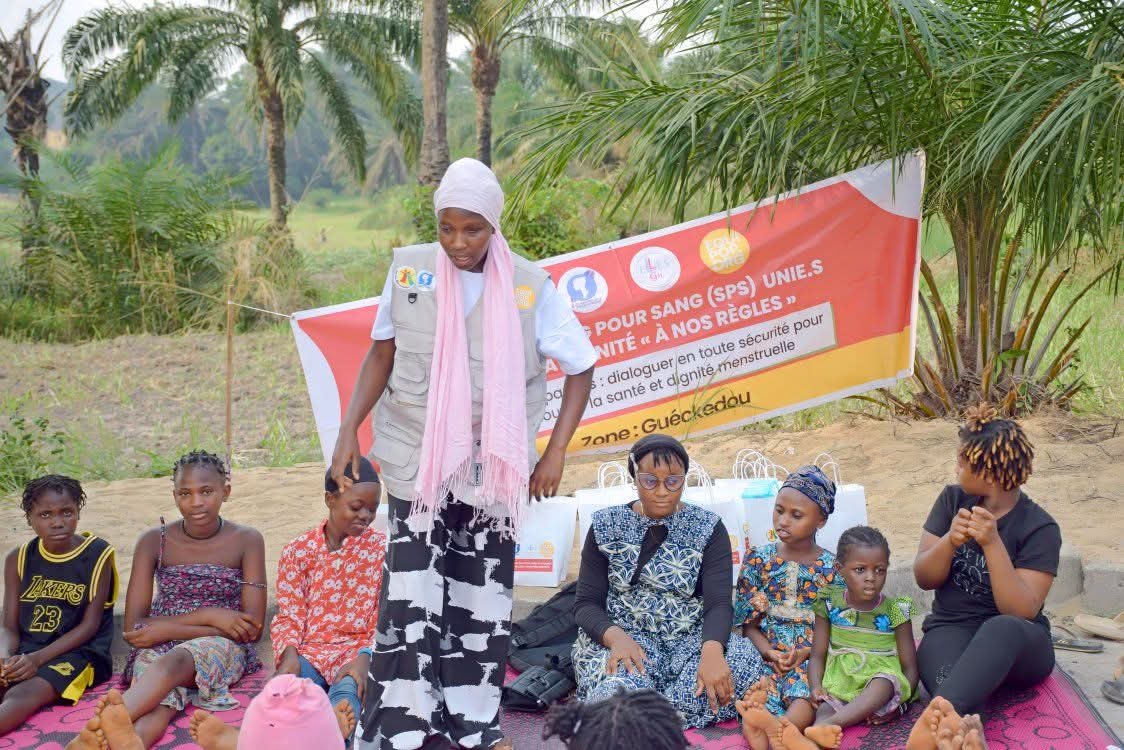
Initiatives implemented through the Sang pour Sang project
For over a year now, the Menstruc’Actions Insulaires project, supported by Equipop, has enabled ELLES de Guinée to significantly expand its work on menstrual dignity.
Thanks to the consortium’s support, the association was able to:
- develop more regular outreach activities;
- work directly with schools, families, and communities;
- strengthen its organizational capacity;
- receive training;
- obtain equipment and tools to improve its operations and communication.
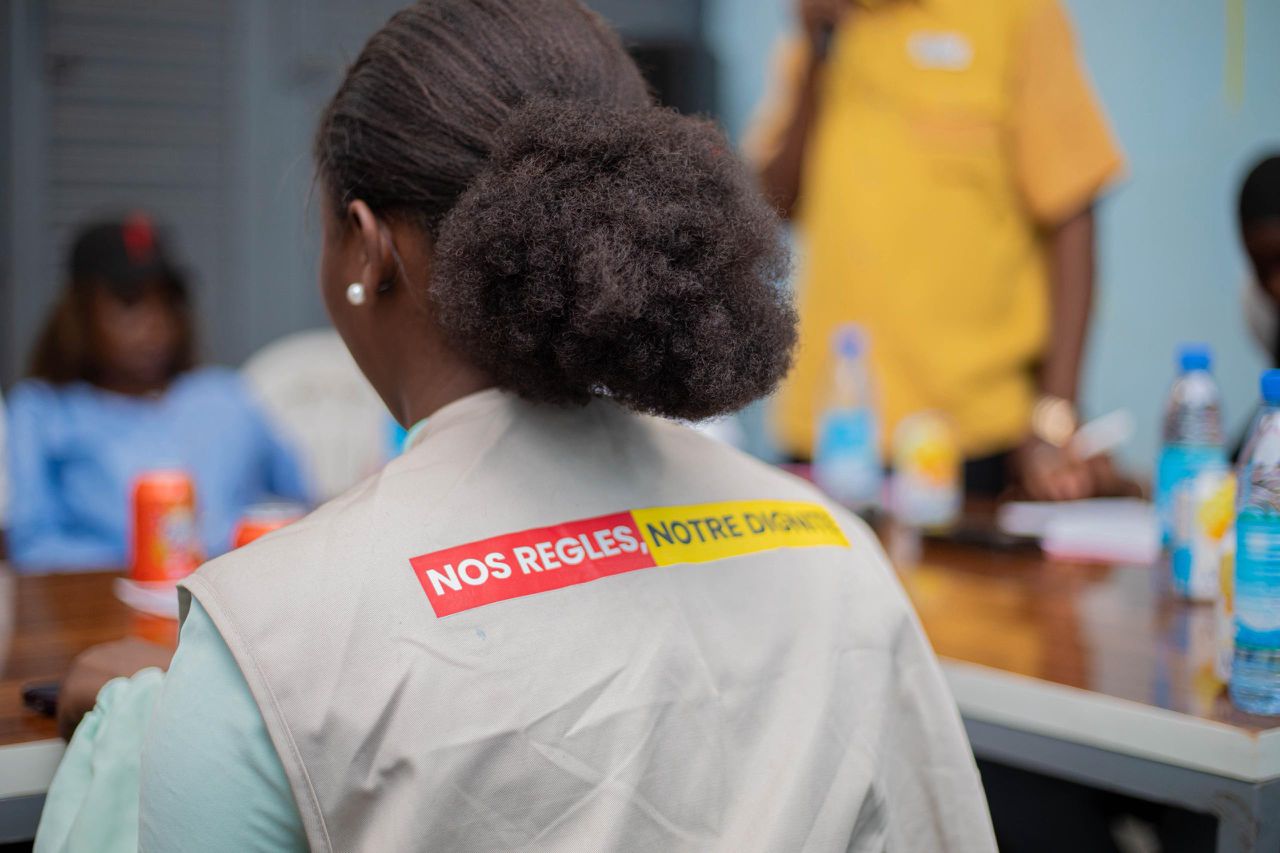
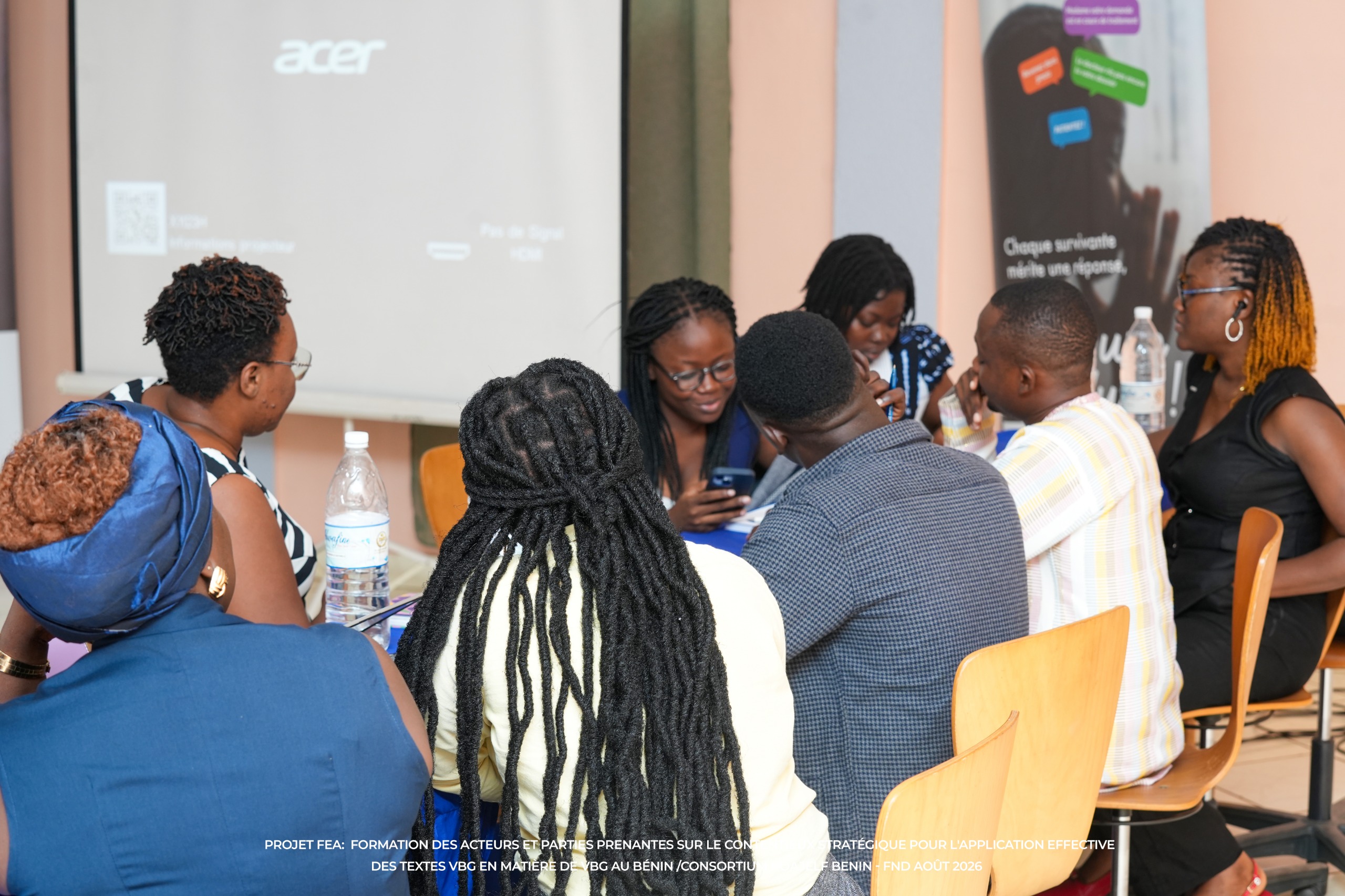
Today, the organization holds discussions with young girls, parents, mothers, and teachers to debunk myths surrounding menstruation and create more open spaces for dialogue.
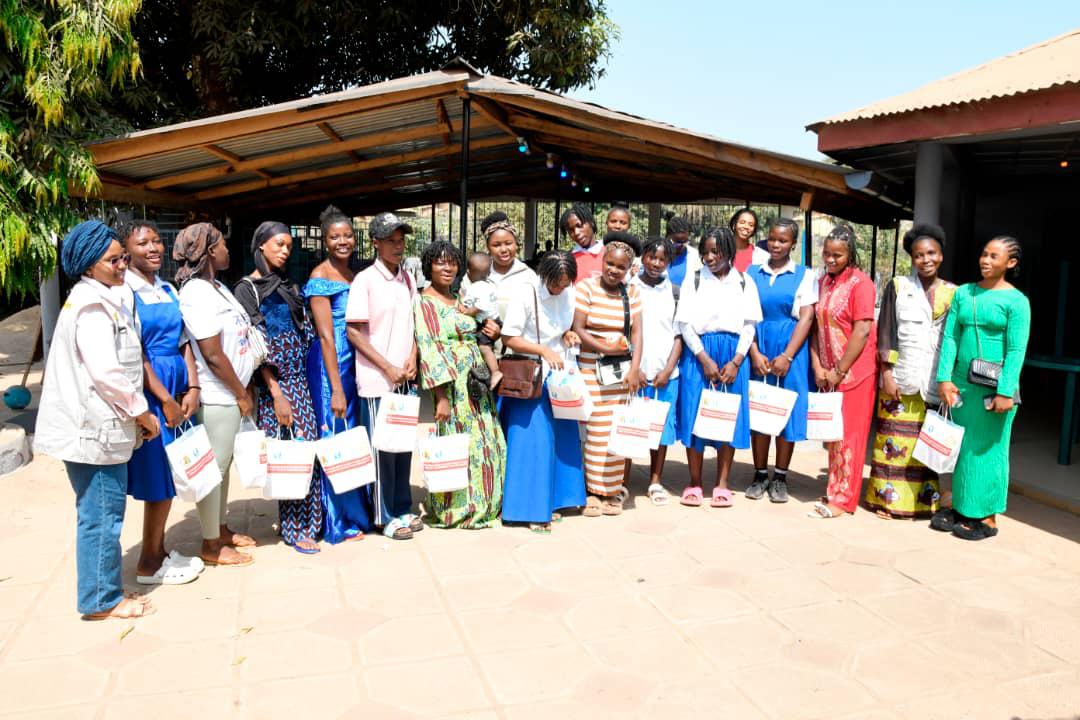
One of the most memorable experiences for the team was a project on the island of Kassa, where members of ELLES de Guinée met with women and teenage girls to raise awareness about menstrual health and menstrual dignity.
Through discussions with young girls, parents, and teachers, the organization has helped communities better understand that menstruation is a natural phenomenon and that no girl should feel ashamed of her period. These awareness-raising activities have also helped dispel misconceptions about menstruation and encouraged families to support young girls in continuing their education during their periods.
For Ismatou, the project went far beyond simply distributing menstrual products:
“Today, we’re also talking about dignity, self-confidence, and girls’ right to experience their periods without shame.”
What changes have been observed?
According to the organization, hundreds of menstruating individuals have already benefited from the awareness-raising activities carried out as part of the project.
Over time, some families have begun to change their perception of menstruation. Parents are becoming more involved in discussions and have a better understanding of the challenges teenage girls face during their periods.
The organization has also observed changes in schools. Some girls who previously avoided going to class during their periods now continue to attend classes thanks to awareness-raising sessions conducted with families and schools.
For Ismatou, the most significant change is that menstruation is gradually becoming a topic that girls can discuss more freely.
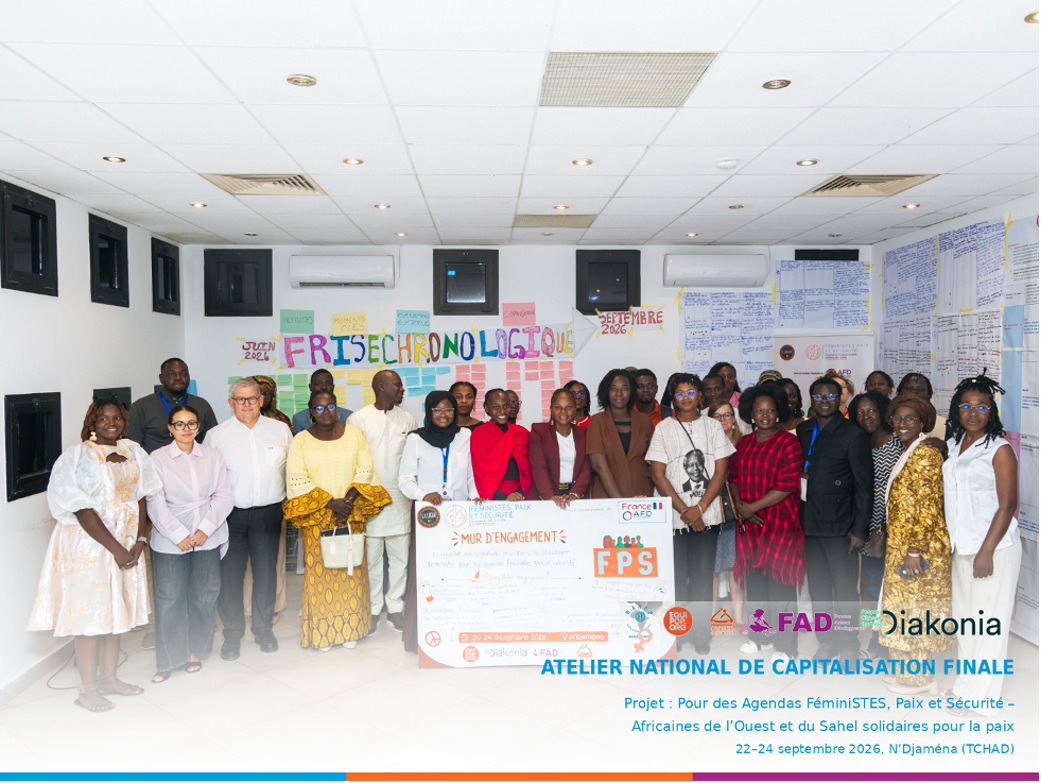
The Menstruc’Actions Insulaires project, supported by Sang pour Sang, has also had a significant impact on ELLES de Guinée itself. Thanks to funding, training, and collaborative efforts, the organization has strengthened its organizational capacity, improved its communication tools, and developed new initiatives such as the “My Body, My Choice” project.
The next steps in the project include continuing awareness-raising activities and strengthening the training of community liaisons as part of Menstruc’Actions Insulaires.
Why is this important for ELLES in Guinea?
For ELLES de Guinée, menstrual dignity is not limited to access to menstrual products. It’s also about challenging taboos, enabling girls to continue their education, and building communities where menstruation is no longer a source of shame.
Through the Sang pour Sang project, the organization continues to raise awareness in communities and amplify the voices of young girls so that everyone who menstruates can experience their periods with dignity, safety, and confidence.
“No girl should be ashamed of her period or be kept out of school because of it,” says Ismatou Baldé.