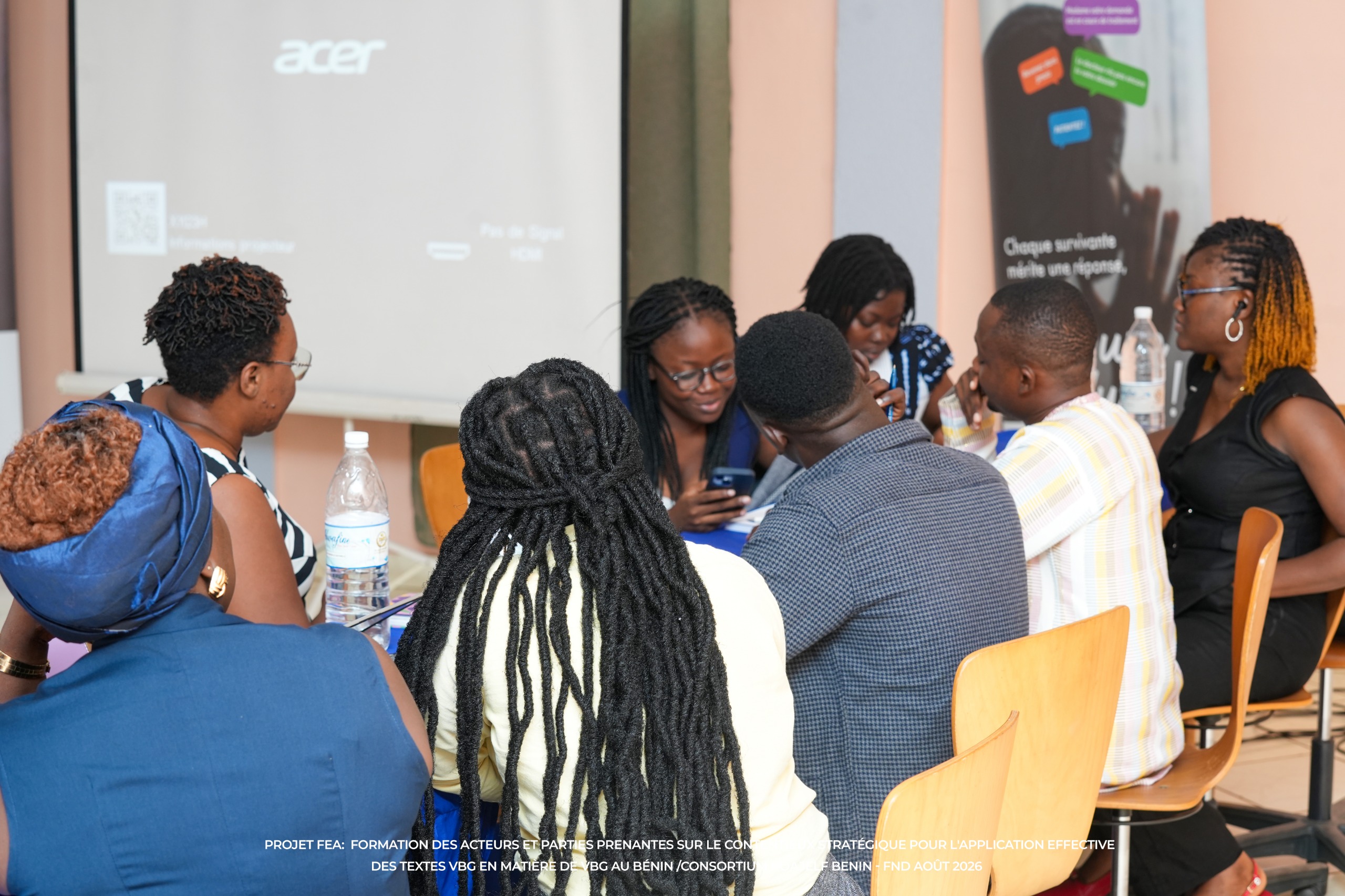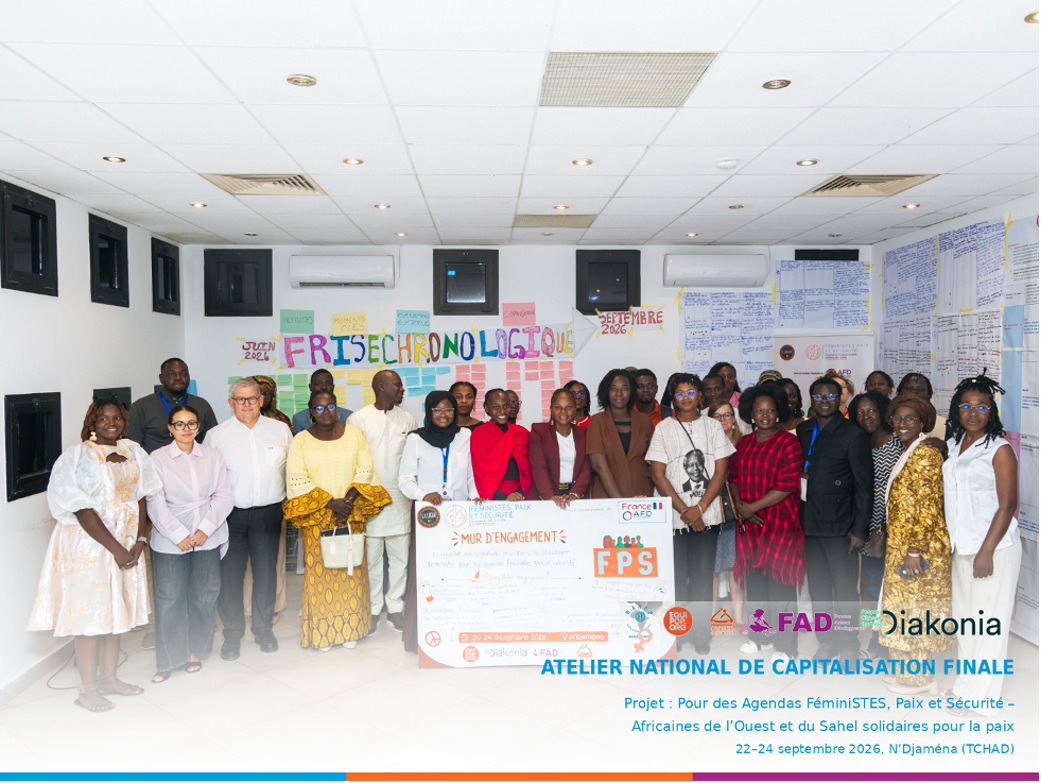
Withinthe Francophone Feminist Alliance (AFF), led by Equipop, we firmly believe that the response to the erosion of rights must be built collectively. That is why Equipop is committed to gaining a better understanding of the workings of advocacy within the African Union. Our goal? To open doors and identify avenues for engagement for feminist organizations in West and Central Africa.
Last May, Equipop participated for the first time in the NGO Forum (May 7–9), followed by the ordinary session of the African Commission on Human and Peoples’ Rights (ACHPR, May 11–20) in Banjul. This mission was part of a delegation from the Francophone Feminist Alliance (AFF), coordinated by FIDH.
In the face of conservative attacks targeting multilateral forums, the strategic involvement of Francophone civil society is no longer an option—it is a necessity. Taking ownership of regional human rights protection mechanisms is a powerful political tool. This is how we will be able to transform national laws and reaffirm, with one voice, the universality of the fundamental rights of all people.
A Key Forum for Human Rights in Africa
The ACHPR is the primary continental mechanism for the promotion and protection of human rights in Africa. Established in 1987, it is also responsible for overseeing and interpreting the African Charter on Human and Peoples’ Rights (Banjul Charter) and its additional protocols, including the Maputo Protocol. This protocol is a cornerstone treaty for women’s rights in Africa, as it prohibits, among other things, female genital mutilation and forced marriage, while explicitly affirming the right to safe abortion.
Despite widespread ratification, implementation of the Maputo Protocol remains uneven, particularly in several French-speaking countries. Indeed, several signatory states have entered official legal reservations (notably regarding Article 6 on the age of marriage or Article 14 on safe abortion) to exclude these obligations from their national law, often under pressure from customary or religious norms. These reservations, combined with the failure to transpose the Protocol into local laws, create a significant gap between the formal diplomatic commitments made by governments and the reality experienced by women and girls, who remain deprived of legal remedies and effective protections on the ground. In this context, the ACHPR, in collaboration with civil society, plays an essential role in supporting and holding States accountable, particularly through initiatives aimed at lifting these reservations.
The Commission's regular sessions and the NGO Forum thus serve as strategic forums for dialogue, advocacy, and coordination among states, African institutions, civil society organizations, and technical and financial partners.
Highlighting the issues of justice and reparations for survivors
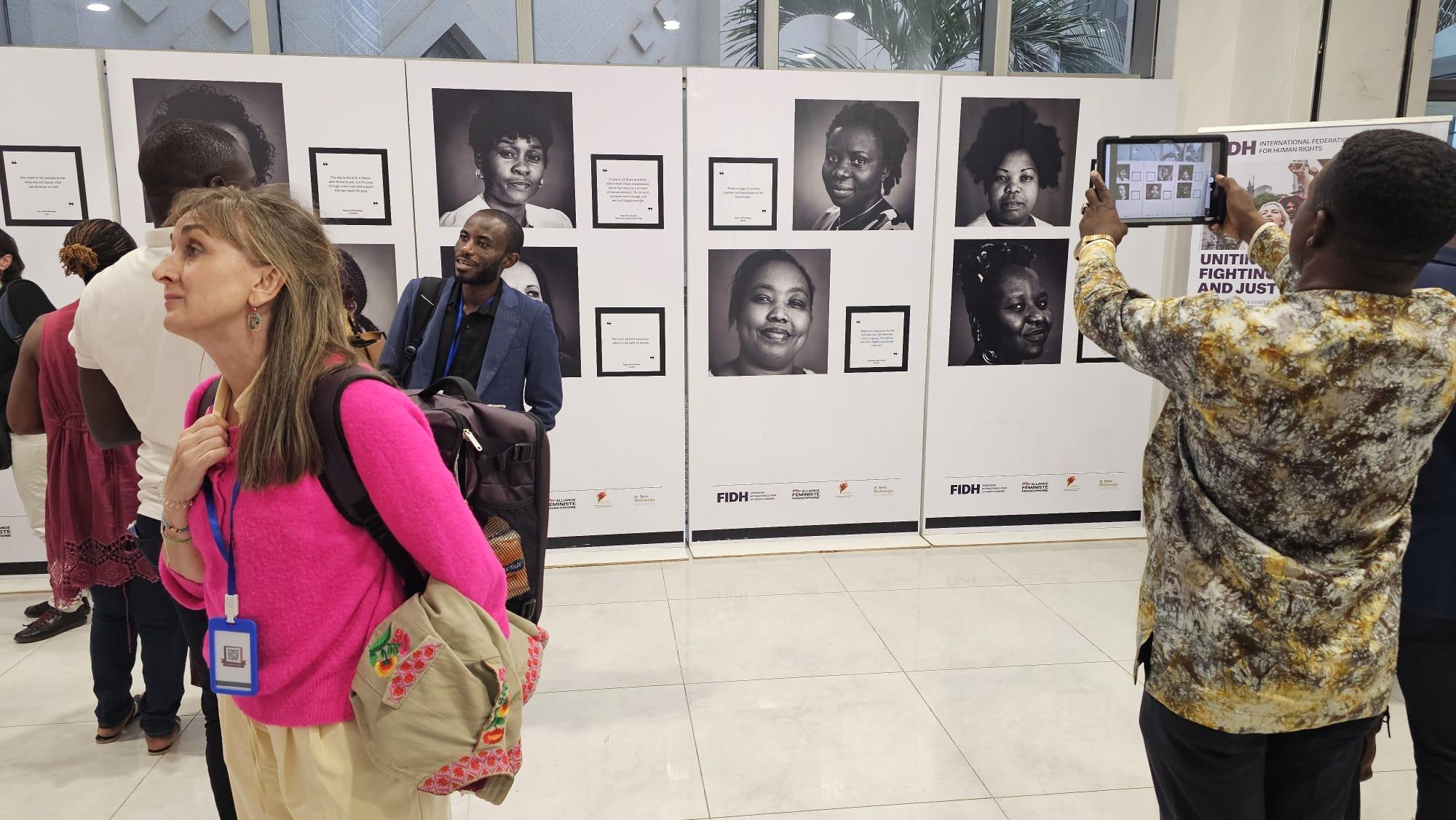
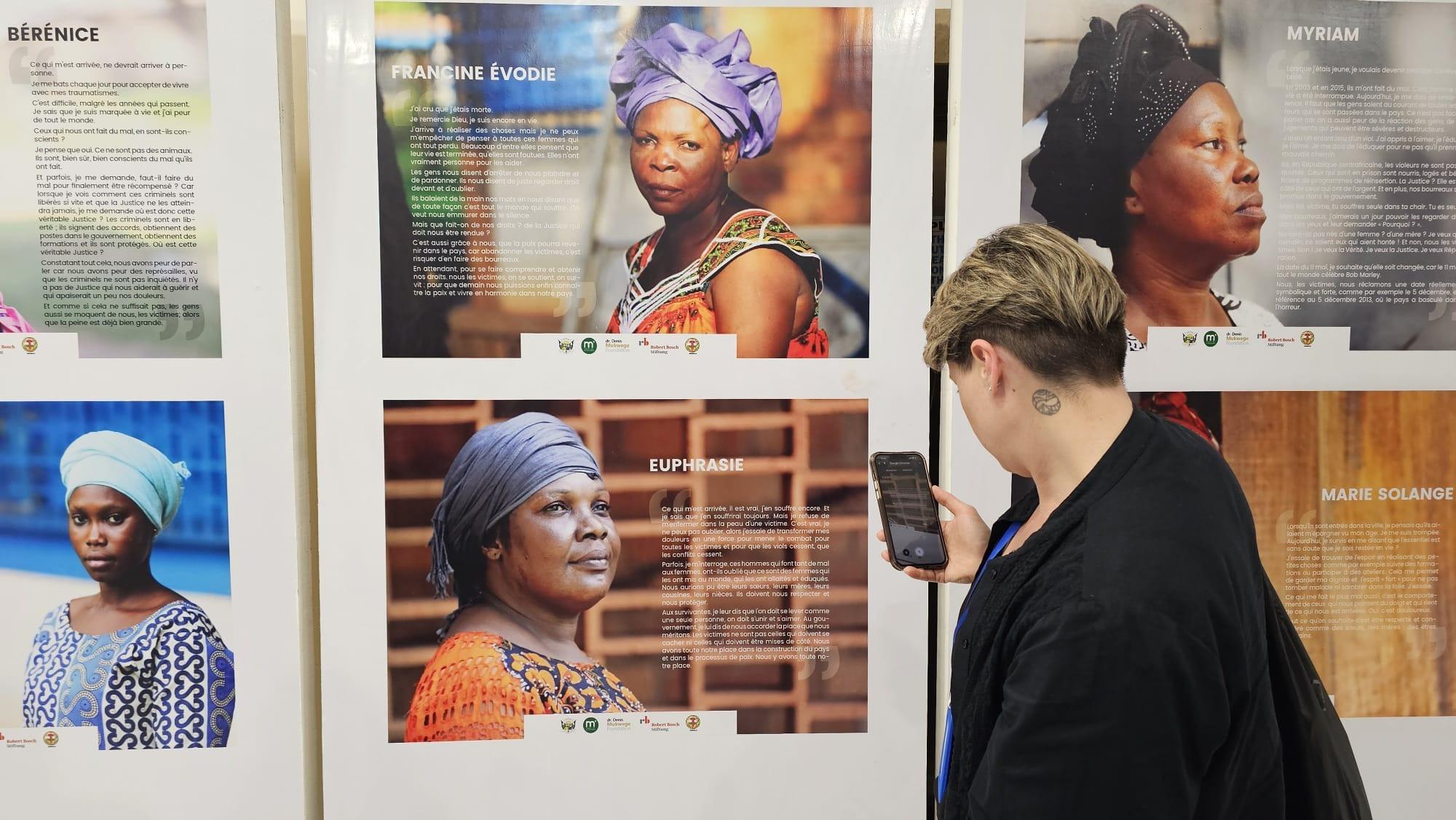
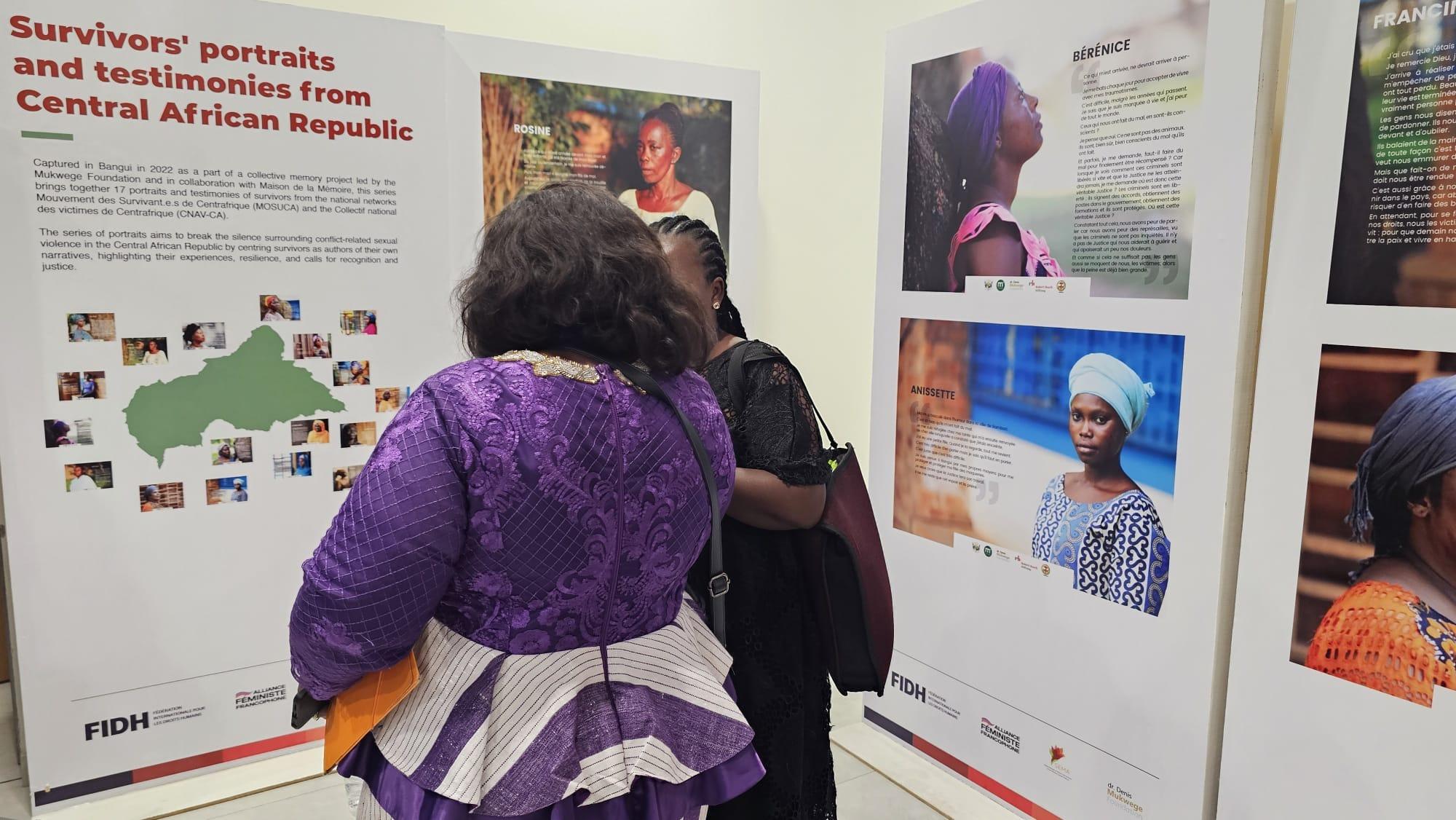
In partnership with the Denis Mukwege Foundation, the AFF delegation consisted of four activists who are members of SEMA—the Global Network of Victims and Survivors of Sexual Violence in Conflict—from the Central African Republic, the Democratic Republic of the Congo, and Mali. They brought the voices and expertise of survivors of conflict-related sexual violence to pan-African advocacy forums, notably during a side event dedicated to this topic. This event highlighted the issues of justice and reparations for survivors. At the same time, an art exhibition featuring portraits and testimonies from survivors was organized, designed as a space for remembrance, visibility, and dignity for those most directly affected.
This exhibition was originally scheduled to be presented at CSW70 in New York in March 2026 but was postponed following measures taken by the United States to restrict the entry of several activists into the country.
A strategic area amid growing pressures
In light of the shrinking civic space and the threats facing feminist activists, becoming involved in African institutions is proving increasingly strategic.
This first participation confirms that participation in continental bodies helps strengthen synergies between human rights actors and feminist movements, amplify Francophone voices, and better align sexual and reproductive health and rights (SRHR) issues with African frameworks for the protection of human rights.
What's next? We will strengthen our engagement with the ACHPR and consolidate our partnerships to ensure that feminist approaches are firmly embedded in African human rights mechanisms.