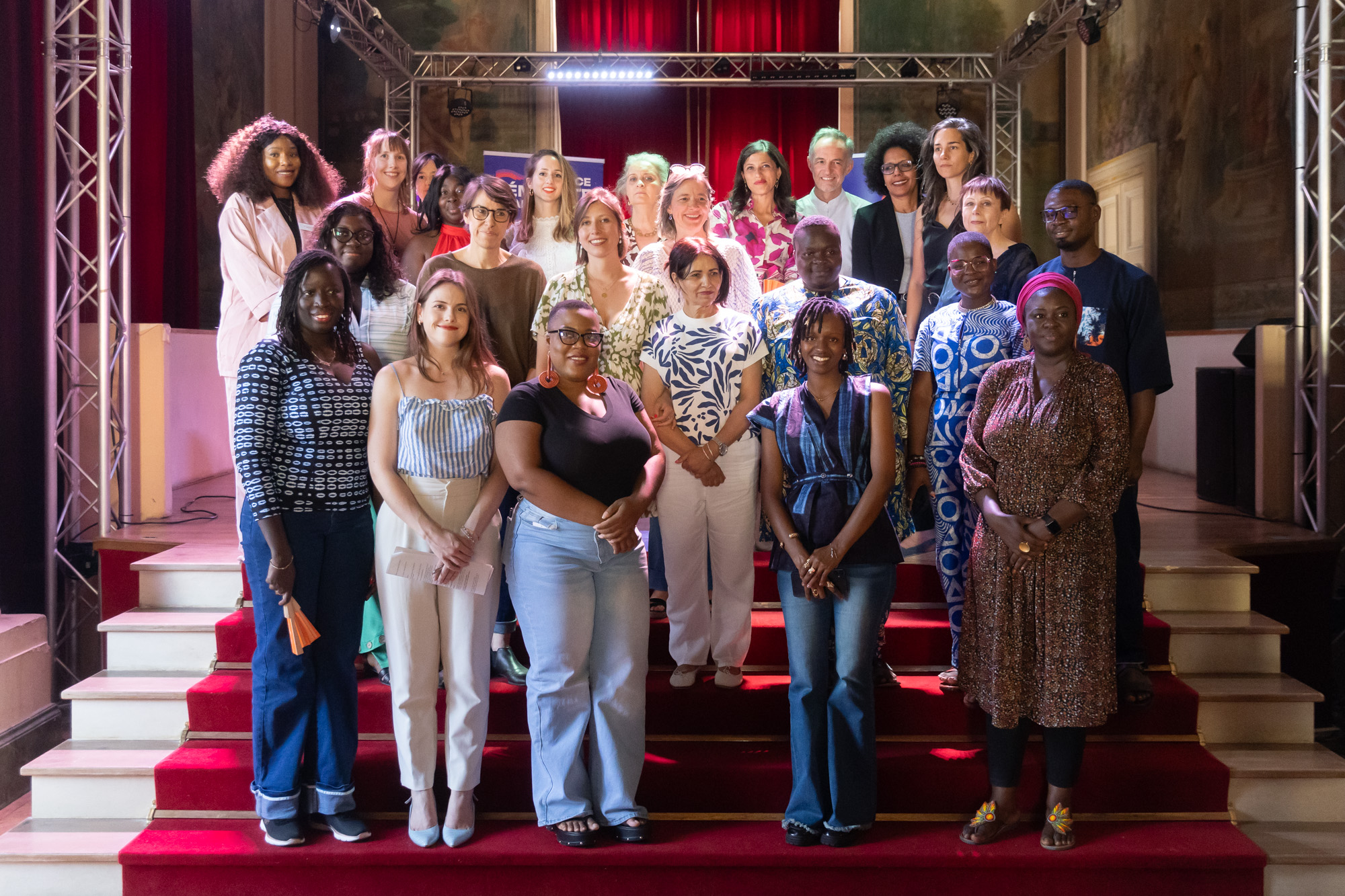
In the face of growing attacks on women’s rights and gender equality, a response is needed: to strengthen solidarity among feminist movements, public authorities, and committed partners. With this in mind, on July 9 at the City Hall of Paris’s 10th arrondissement,the Francophone Feminist Alliance (AFF) brought together activists, policymakers, institutions, and civil society organizations for a meeting focused on dialogue and collective action.
Organized by Equipop, the Mediterranean Women’s Fund (FFMed), and the International Federation for Human Rights (FIDH), this event was part of a week of activities organized bythe Francophone Feminist Alliance. Over the course of several days, about twenty activists from 14 countries (Africa, the SWANA region, Canada, and France) gathered in Paris to share their experiences, consolidate their advocacy strategies, and strengthen their alliances.
Hosted by Alexandra Cordebard, Mayor of the 10th arrondissement, the meeting was opened by Emmanuel Grégoire, Mayor of Paris, followed by Éléonore Caroit, Minister Delegate for the Francophonie, International Partnerships, and French Citizens Abroad. Lucie Daniel, Head of Advocacy and Research at Equipop, then highlighted the challenges posed by the global backlash against women’s rights. She presented the work of the Francophone Feminist Alliance, as well as the latest figures from the AWID global network’s report on funding for feminist organizations, alongsideInna Michaeli, AWID’s Co-Director.
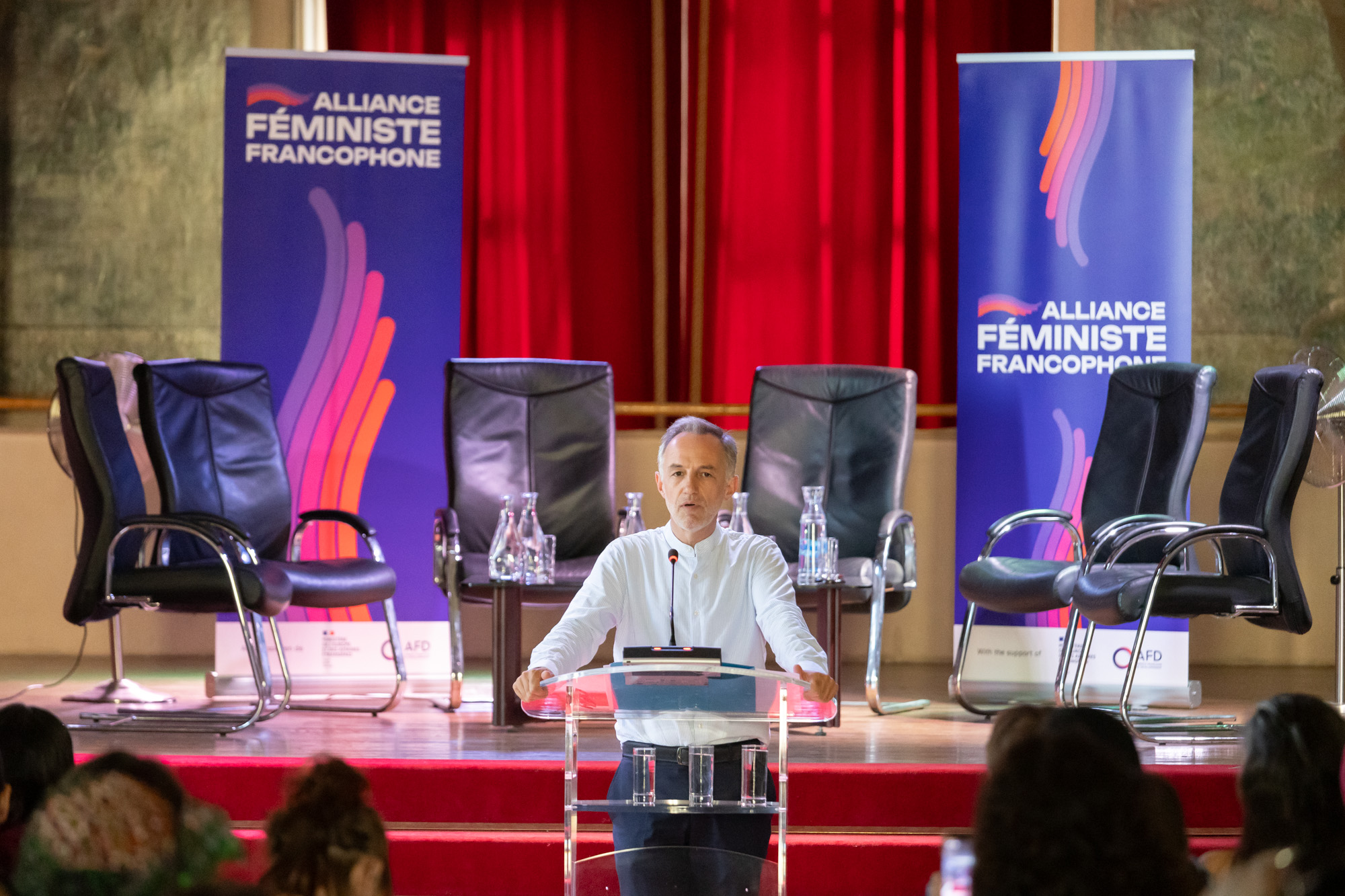
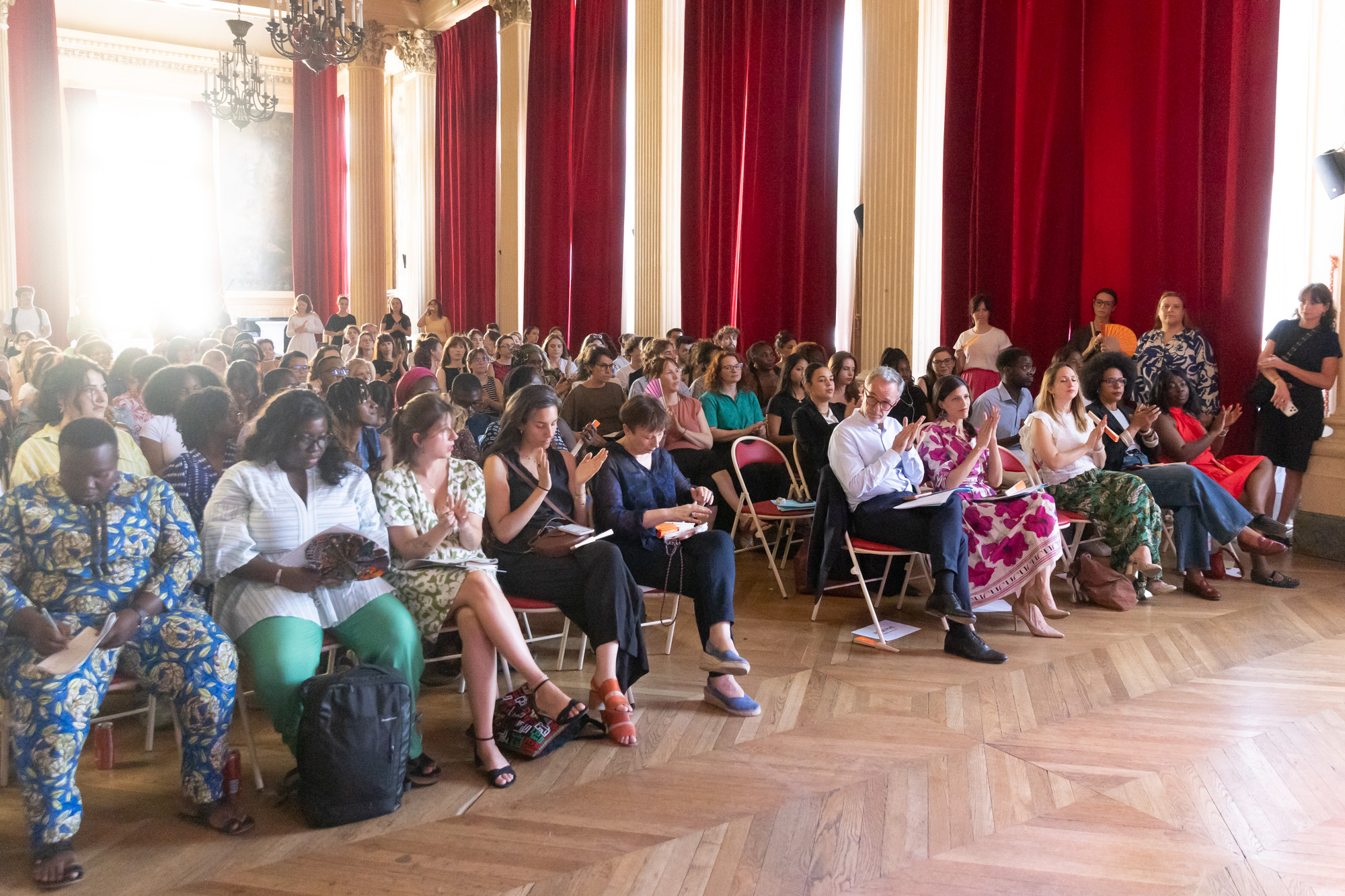
The main part of the meeting was devoted to testimonies from AFF activists, in a session moderated by Marion Duquesne, co-director of FFMed. Ahodi Credo Addis Semevo (AFRO BENIN), Khadija Errebah (Democratic Association of Moroccan Women), Vanessa Zammar (Jeyetna, Lebanon), Zipporah Dulcie Ndione (ROAJELF, Senegal), and Alice Apostoly (Feminists Against Cyberbullying) shared the realities they face in their countries: the rise of anti-rights movements, restrictions on civic space, conflicts, violence, and the growing influence of masculinist movements. Their remarks illustrated not only the diverse forms that the backlash takes but also the strength of the resistance strategies developed by feminist movements.
One conclusion became clear throughout the discussions: these resistance movements cannot continue without political and financial support commensurate with the challenges at hand. As cuts to official development assistance weaken civil society organizations, the participants emphasized the essential role of mechanisms such as the Support Fund for Feminist Organizations (FSOF). At stake in these budget decisions is the ability of local organizations to continue their work, support communities, and defend human rights.
Anne Souyris, a senator from Paris, and Sophie Giroud, vice president of the FIDH, emphasized the importance of continuing the dialogue between institutions and feminist movements.
In closing, Barbara Gomes, Deputy Mayor of Paris in charge of Gender Equality, who made this meeting possible, reiterated the importance of supporting feminist movements and fostering alliances between local governments, institutions, and civil society to counter anti-rights attacks.
This event illustrates the conviction that guides Equipop’s work: in the face of backlash, responses must be collective. In Paris, just as at the seminar Equipop organized in Lyon as part of the Tour de France of Feminist International Solidarity, our goal remains the same: to foster dialogue among committed activists, to develop shared responses to setbacks in women’s rights, and to help strengthen feminist alliances at every level.
Photo credits ©: Joséphine Brueder/City of Paris