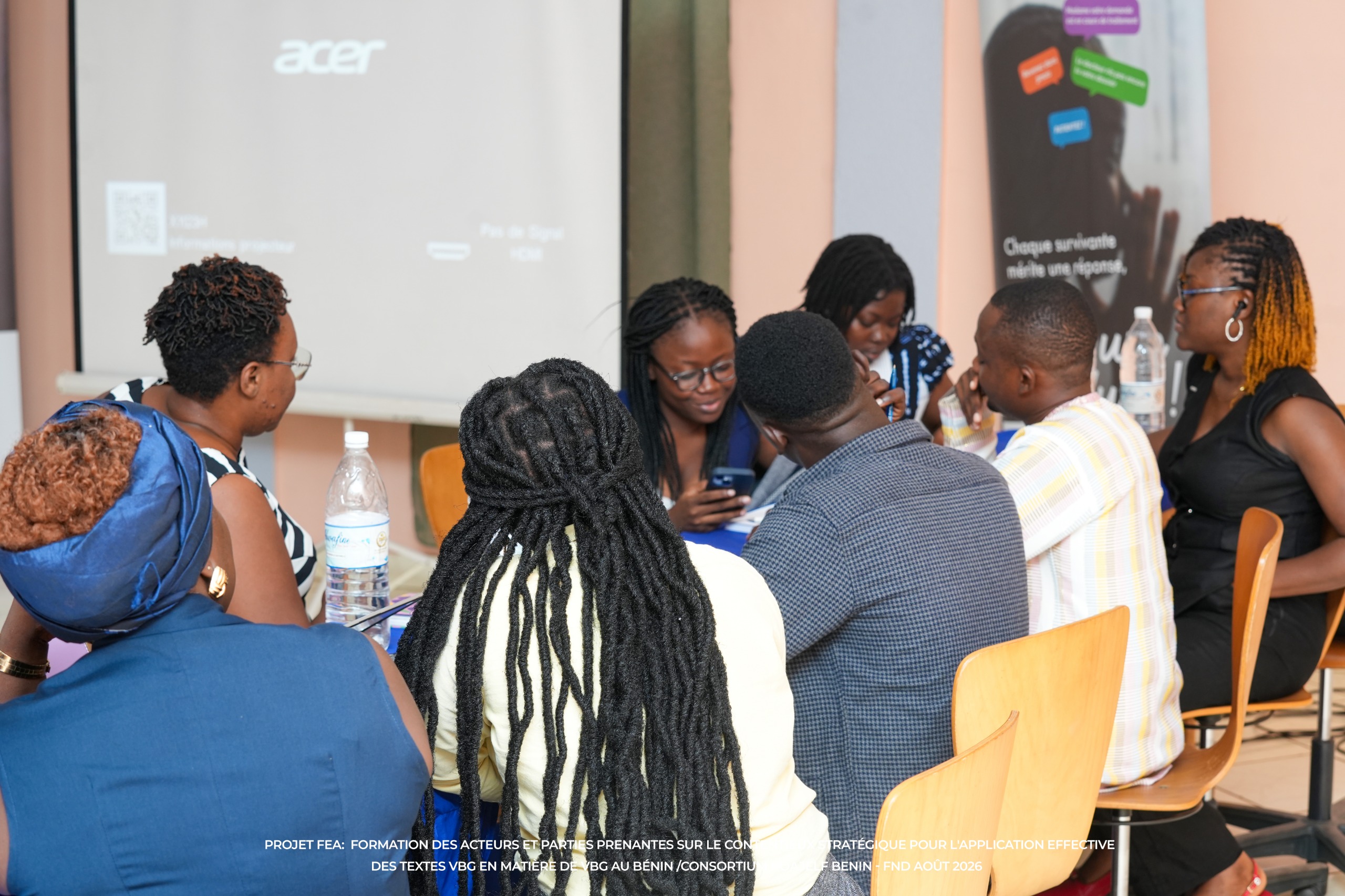
Universities are an unexpected setting for gender-based violence. Increasing numbers of female students in Senegal are dropping out of school, abandoning their studies, and enrolling in doctoral programs at low rates.
In order to end gender-based violence in universities, ROAJELF Senegal, as part of the Feminists in Action project, has targeted Alioune Diop University in Bambey and Assane Seck University in Ziguinchor to carry out capacity-building, awareness-raising, listening, and advocacy activities with a view to adopting a pact to combat GBV within these universities.
Mobilization for the adoption of a pact to combat GBV
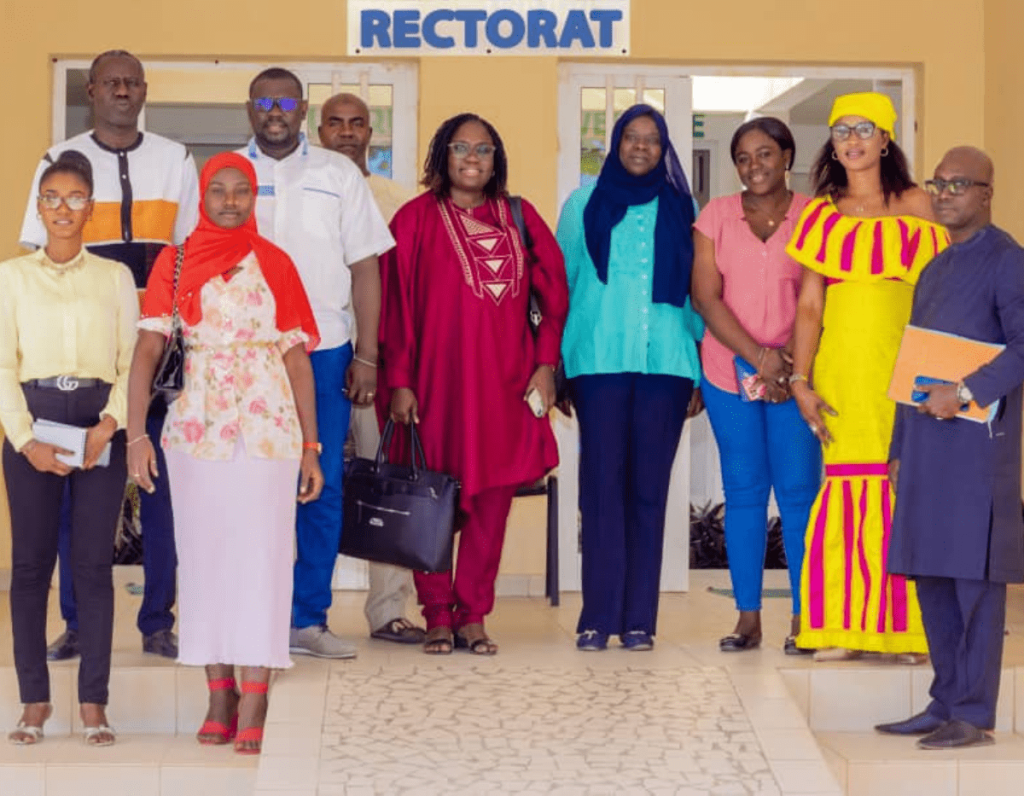
The network met with administrative and local authorities from the departments where the two universities are located, university authorities, and student leaders. The aim of this participatory and collaborative approach is to encourage these stakeholders to take ownership of the project and actively participate in improving the knowledge of students, authorities, and university staff on GBV, including victim care.
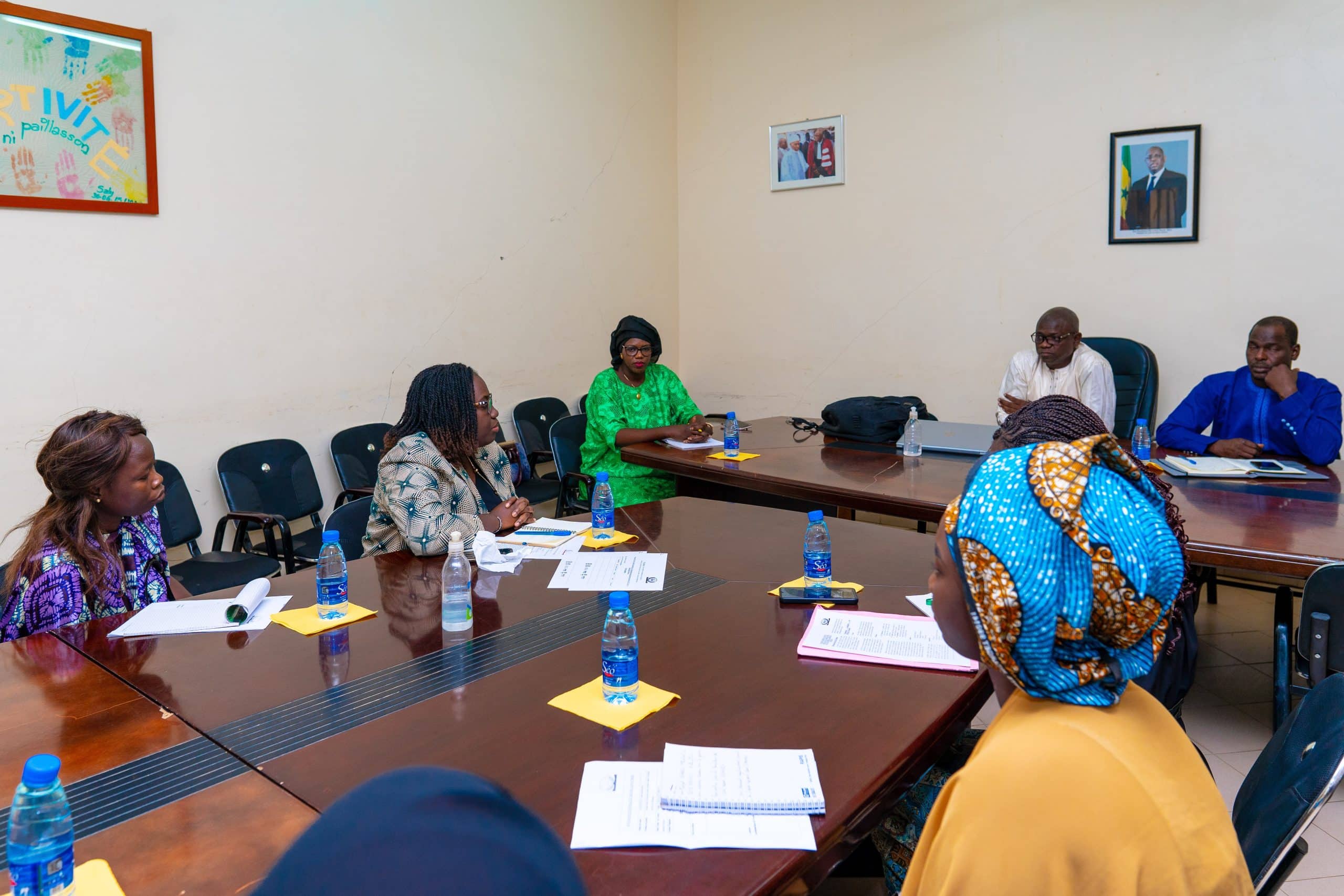
This approach will facilitate, with the authorities and university staff, the adoption of a pact to combat GBV in these universities and ensure the sustainability of the project.
"The project to end gender-based violence reinforces respect for the rights of women and girls. It will enable the establishment of a legal framework to protect female students against sexual harassment and gender-based violence, as well as a framework for the care and follow-up of victims of gender-based violence in both universities," says Anne Marie NDIANE, Secretary General of ROAJELF/SENEGAL.
With regard to the administrative and local authorities of the department where the universities are located, this approach, beyond soliciting their collaboration on the project, was an opportunity to discuss cases of violence that would be brought to their attention.
ROAJELF/SENEGAL therefore met with student representatives to gather their opinions and encourage their strong involvement in the implementation of the planned capacity-building, listening, and advocacy activities. Within the framework of this project, this approach places students at the heart of the mobilization and communication strategy.