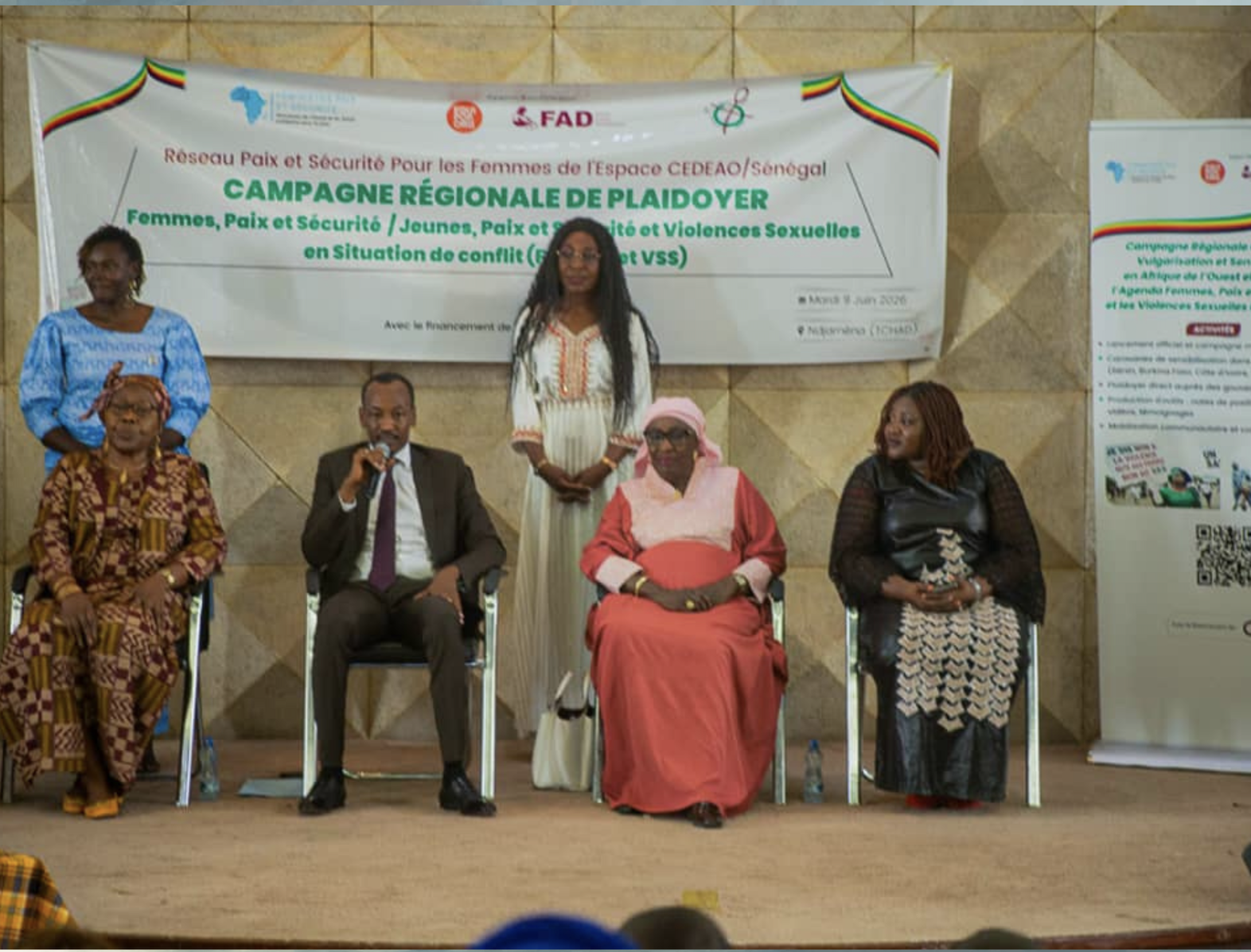
N'Djamena, June 9, 2026 – Against the backdrop of a Sahel region marked by conflicts, security crises, and persistent gender-based and sexual violence, a new regional initiative aims to convey a strong message: no lasting peace can be built without the effective and holistic participation of women and young people.
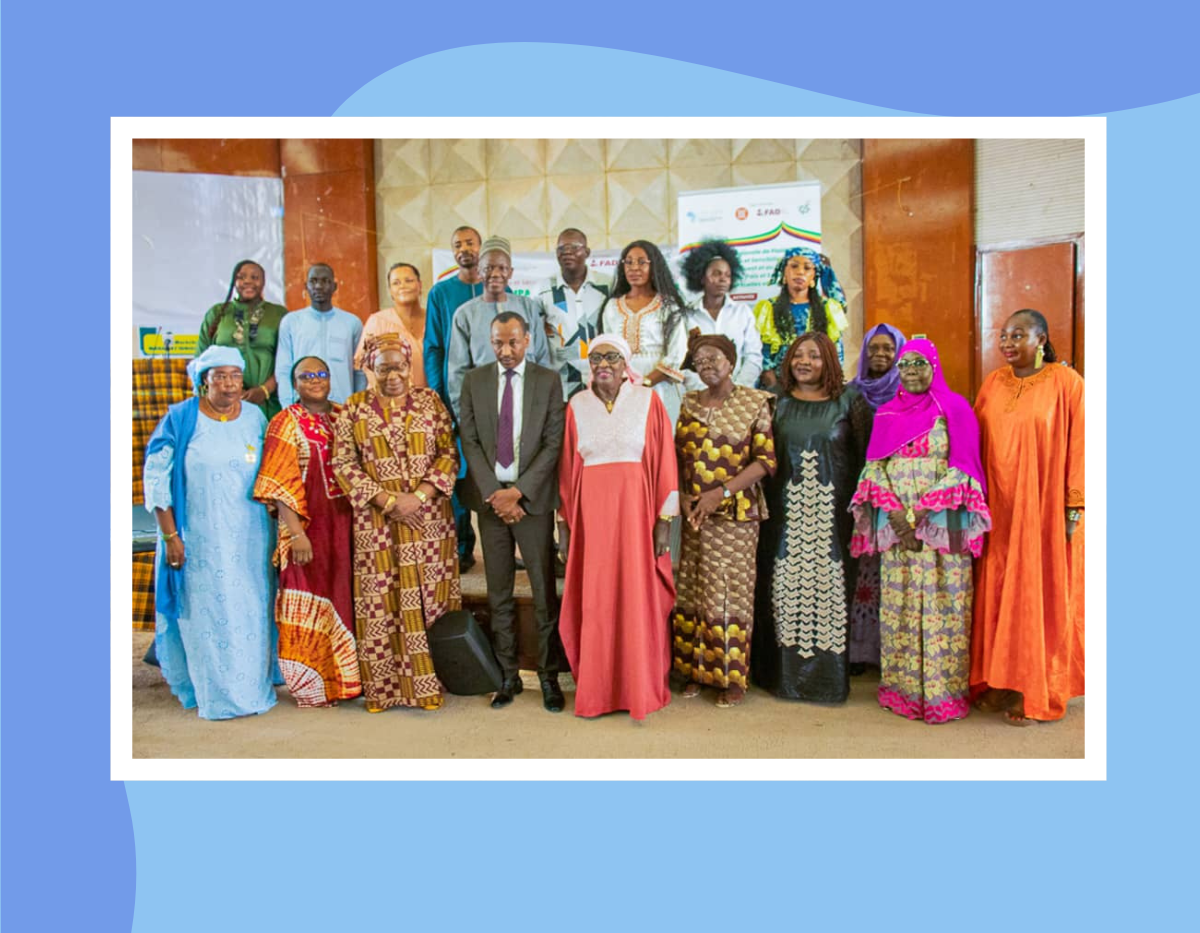
Gathered at the Maison de la Femme in N’Djamena, the Network for Peace and Security for Women in the ECOWAS Region (REPSFECO), together with several national institutions, technical and financial partners, and civil society organizations—including the Chadian League for Women’s Rights, the Network of Young Women and Girls Leaders (REJEFT), and the Salama Peace Initiative, officially launched a regional advocacy campaign dedicated to the Women, Peace, and Security (WPS) and Youth, Peace, and Security (YPS) agendas, with a focus on prevention and protection against gender-based and sexual violence (GBV).
This campaign, which emerged from an incubation lab, aims to strengthen and accelerate the effective implementation of the FPS and JPS agendas in national and regional policies, as well as to amplify the voices of women and young people, particularly survivors of sexual and gender-based violence. It aims to build strong and inclusive regional mobilization to accelerate the coordinated and sustainable implementation of commitments made by states, strengthen the voices of women and youth, and spur concrete action at the political, institutional, and community levels.
It aims to build strong and inclusive regional momentum in order to accelerate the coordinated and sustainable implementation of the commitments made by States, strengthen the voices of women and young people, and spur concrete action at the political, institutional, and community levels.
Beyond being an official ceremony, this gathering had a clear political goal: to ensure that women and young people are recognized not merely as beneficiaries of public policies or victims of crises, but as essential actors in peace, social cohesion, and the transition toward more just and sustainable societies.
In the Sahel and West Africa, women and girls continue to be among those most severely affected by the consequences of armed conflict, forced displacement, security instability, and gender-based and sexual violence. Yet they remain largely underrepresented in decision-making forums, mediation processes, and peace governance mechanisms.
The participants reiterated that international resolutions on the Women, Youth, Peace, and Security agendas cannot yield concrete results without strong political will and real investment, including financial investment. In particular, they emphasized the need to strengthen mechanisms for the prevention of and protection for survivors of sexual and gender-based violence, as well as to create spaces where women and young people can fully exercise their leadership.
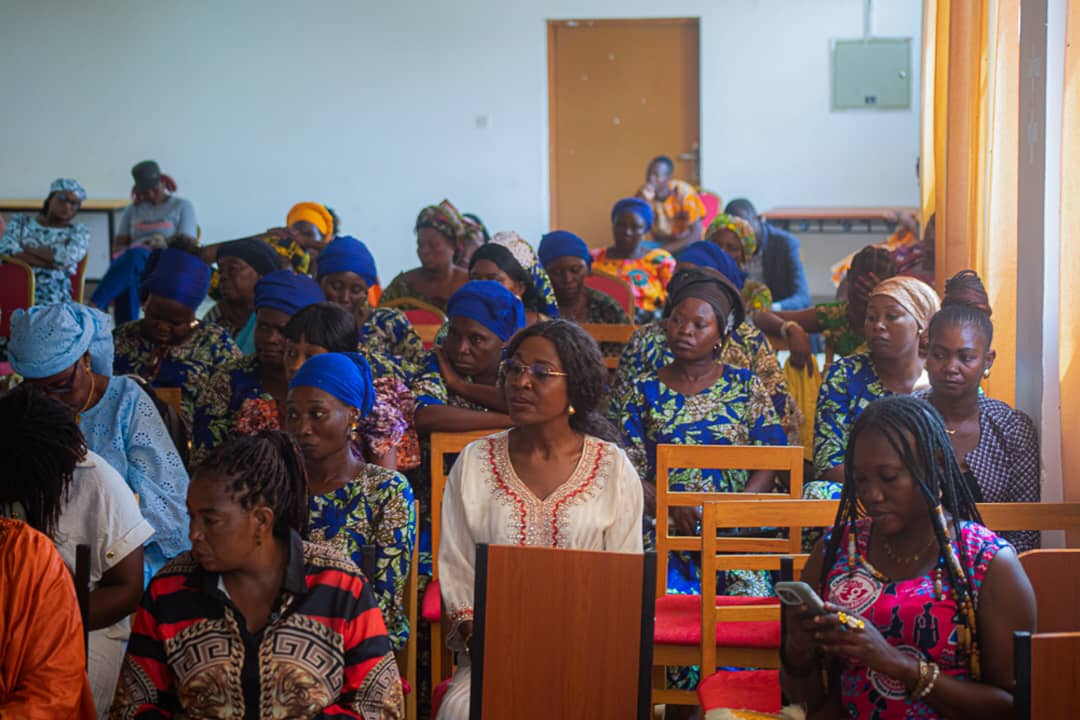
During the discussions, several key issues emerged: accelerating the implementation of the Women’s and Youth Agendas, ensuring access to sustainable funding for initiatives led by feminist and youth organizations, and using digital technology as a tool for raising awareness, mobilizing support, and defending rights.
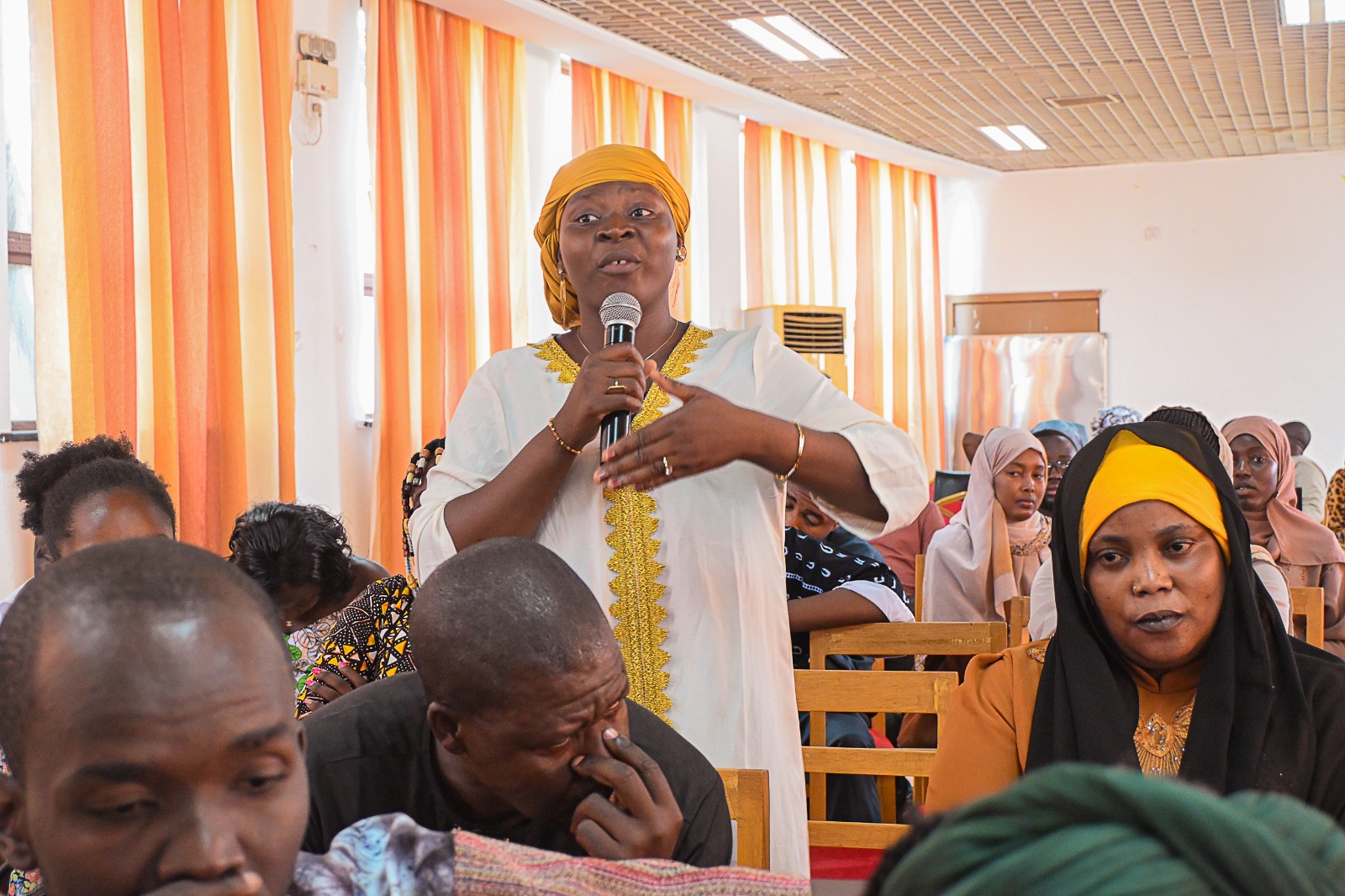
One of the key messages to emerge from the discussions focused on the strategic role of feminist organizations in social transformation. Often on the front lines in their communities, these organizations carry out essential work in preventing violence, supporting survivors, mediating, and advocating—despite their still-limited resources. The recommendations issued following this meeting call for greater political commitment, increased national and innovative funding, and greater recognition of local initiatives led by women and young people.
This regional campaign will be gradually rolled out in six countries in West Africa and the Sahel: Benin, Burkina Faso, Côte d’Ivoire, Niger, Chad, and Togo.
In a region facing multiple challenges, this initiative underscores a reality often highlighted by feminist movements: building peace is not just about silencing the guns; it is also about transforming the inequalities that undermine societies and exclude certain voices from the spaces where the collective future is decided.
| The regional advocacy campaign“Regional Advocacy Campaign: Outreach and Awareness-Raising in West Africa and the Sahel on the Women, Peace, and Security Agenda and Sexual and Gender-Based Violence” is being implemented as part of the project “Toward Feminist Women, Peace, and Security Agendas: West African and Sahelian Women United for Peace,” which is being implemented in Benin, Burkina Faso, Côte d’Ivoire, Niger, Chad, and Togo—particularly in areas where various forms of violence and violations of rights, peace, and security cross borders. Funded by the French Development Agency through the Support Fund for Feminist Organizations (FSOF), this project is implemented by a consortium comprising Equipop, Diakonia, FAD Niger, and the Gorée Institute. It helps to (re)position the FJPS agendas as closely as possible to the affected regions by investing in the transformative potential of women and young peacebuilders, with the goal of creating more just and sustainable societies in West Africa and the Sahel. |