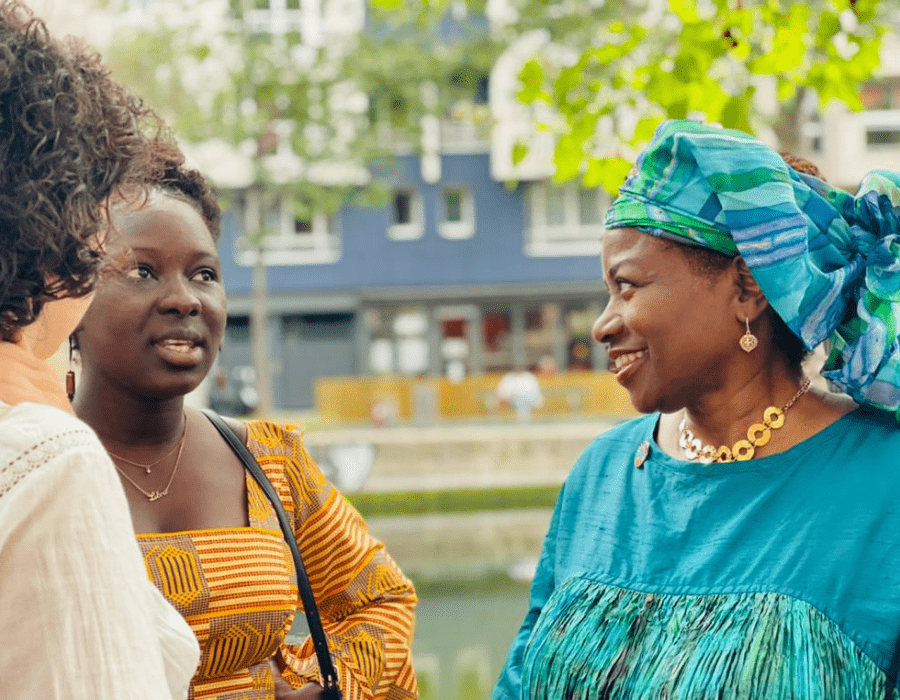
In West Africa, as in other parts of the world, we are witnessing a renewal of the fight for gender equality, with the emergence of young feminist voices linking new repertoires of action to historic struggles for women's rights.
Paradoxically, women's rights activists and associations receive very little financial support, despite being highly effective agents of change. The share of official development assistance generally allocated to them is minimal. In French-speaking West Africa, feminist organizations are no exception to this rule, especially when it comes to young feminist movements. Yet in the face of strong conservative currents, their contribution to building fair societies is crucial. With this in mind, Equipop provides resources to support the collective action of feminist movements in West Africa.
STRENGTHENING COLLECTIVE ACTION WITH THE RJFAO
Since 2018, through several projects, Equipop has been supporting the Network of Young Feminists in West Africa (RJFAO), which is made up of feminist activists from eight French-speaking West African countries. By providing the network and its members with resources to meet, hold joint discussions on feminist principles and values, and mobilize collectively in joint advocacy efforts, the network is undertaking a reflection on the well-being of activists, their mental health, and the dynamics of solidarity that its members can establish among themselves. Since its creation in 2018, the Network of Young Feminists in West Africa has gained resonance and visibility and is beginning to bring together an increasingly broad base. The aim now is to continue to consolidate by moving towards integration into a global feminist dynamic in French-speaking West Africa. Initially composed of around 30 members since its creation, the network is currently undergoing a gradual expansion to welcome new feminist energies.
SUPPORTING THE MULTIPLE FEMINIST MOVEMENTS THAT ARE TAKING SHAPE IN WEST AFRICA
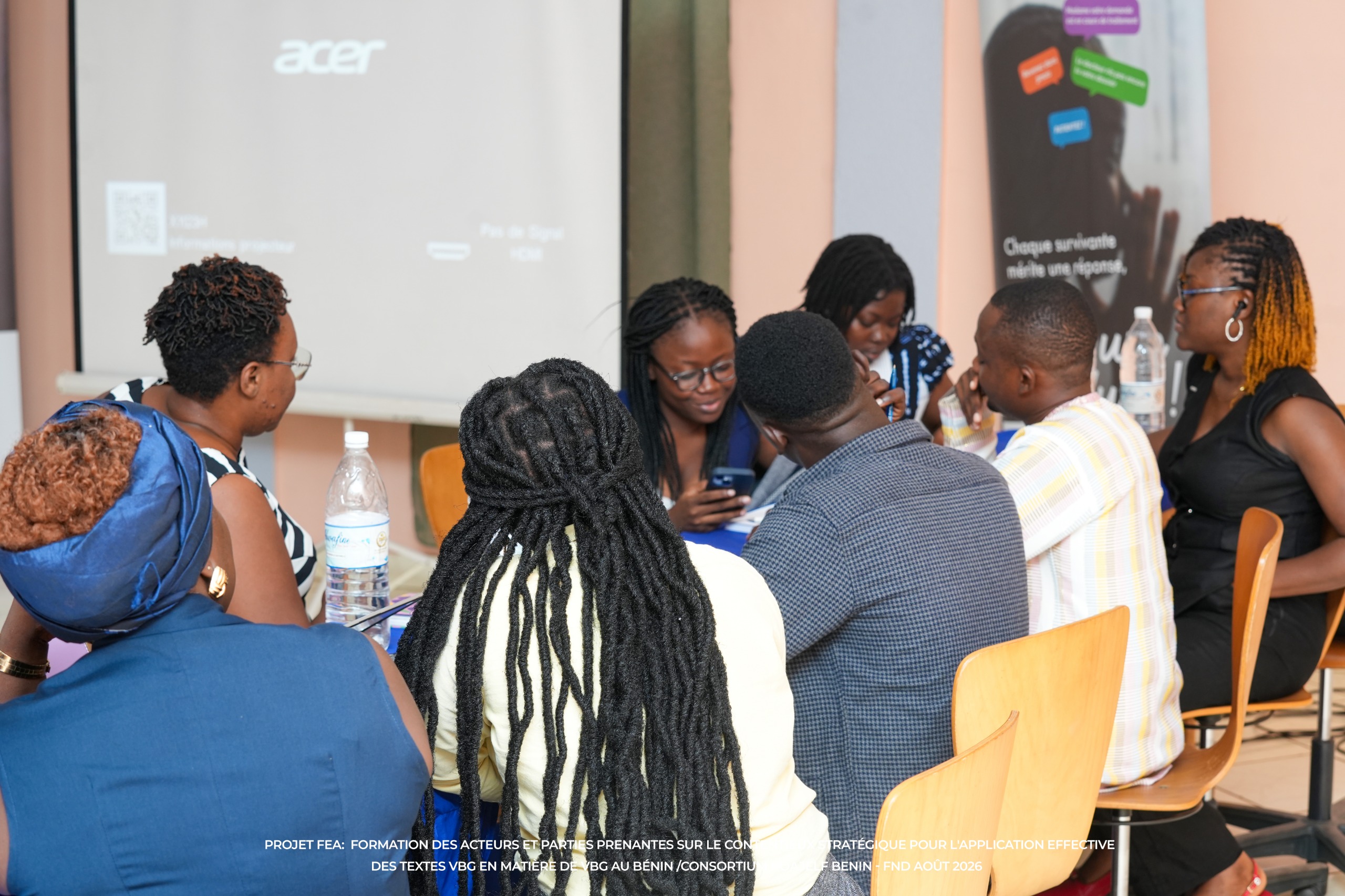
Feminist energies are flourishing in French-speaking West Africa. In each country, women are organizing themselves into collective and transformative actions. Equipop supports several national feminist initiatives by offering these movements various funds and support tailored to their needs in order to strengthen their capacity for action and organization. The aim is also to encourage synergy between all these women and to systematize spaces for young feminists to meet and discuss. These spaces allow feminists to carry out preliminary work on their representations, including on issues considered less consensual (the right to freely dispose of one's body, LBTQIA+ rights, sex work, etc.), in order to take the time to develop a feminist voice and analysis in line with their actions in defense of women's rights. It is also a means of strengthening their sisterhood and enabling the dissemination of feminist knowledge among activists with diverse profiles and expertise. Equipop facilitates the creation of such spaces for exchange, as is the case with the organization of feminist café debates, or by supporting organizations that set up national feminist meetings.
CONSOLIDATING THE INFLUENCE OF YOUNG FEMINISTS TO AMPLIFY THEIR VOICES AND POWER
The influence of young feminist movements cannot be addressed without questioning the power relations in the societies in which they operate, and the way in which their demands are taken into account in the design and implementation of policies and programs. The shift towards egalitarian societies therefore requires that they have access to decision-making spheres, not only to voice their demands, but also to challenge these power dynamics. With this in mind, Equipop works to facilitate access for its feminist partners to its networks and resources, with a view to transferring and sharing power and influence. To this end, Equipop aims to help position feminists as key players in the definition of public policy, while remaining vigilant to the risks of institutionalization and depoliticization of the feminist struggle. The role that international solidarity actors can play is important: it involves questioning funding practices, in particular by promoting the principle of non-competition among feminist actors, opening up decision-making and power spaces to feminist actors in all their diversity, supporting their participation in various political processes, and systematizing a feminist reading of public issues.
[vc_column css= ».vc_custom_1640695990325{background-color: #c4c4c4 !important;} »]