If Resolution 1325 were a person, she would be a young woman in her twenties, committed and resolutely action-oriented. Unanimously adopted on October 31, 2000, by the members of the United Nations Security Council, Resolution 1325 marked a turning point by recognizing the specific impact of crises and conflicts on women, as well as their indispensable role in conflict prevention and resolution. Driven by the mobilization of women around the world in general—and African women from all regions in particular, from the Mano River to the Great Lakes and the Sahel—Resolution 1325 now forms the foundation of the Women, Peace, and Security Agenda.
Today, many stakeholders in West Africa and the Sahel are bringing this Agenda to life through initiatives that support women and young people, as illustrated by the project “Toward Feminist Agendas, Peace, and Security: Women of West Africa and the Sahel United for Peace,” supported by AFD and implemented by the consortium comprising Equipop, FAD, Diakonia Sweden, and the Gorée Institute.
In fact, for the past three years, civil society organizations in seven countries in West Africa and the Sahel (Benin, Burkina Faso, Côte d’Ivoire, Niger, Chad, Togo, and Senegal) have launched initiatives to raise awareness of the Women, Peace, and Security (WPS) agenda—particularly in crisis-prone areas—to prevent violence and conflict, especially at the community level, and to empower women and young people to strengthen their rights, amplify their voices, and ensure their full participation in decision-making processes. Much more than a political framework, the Women, Peace, and Security (WPS) Agenda thus emerges as a true catalyst for social transformation toward peaceful, just, and sustainable societies.
One of the project’s key achievements is the strengthening of dialogue between public authorities and civil society organizations. In several countries, CSOs have contributed to the revision or implementation of National Action Plans (NAPs) related to the Women, Peace, and Security Agenda.
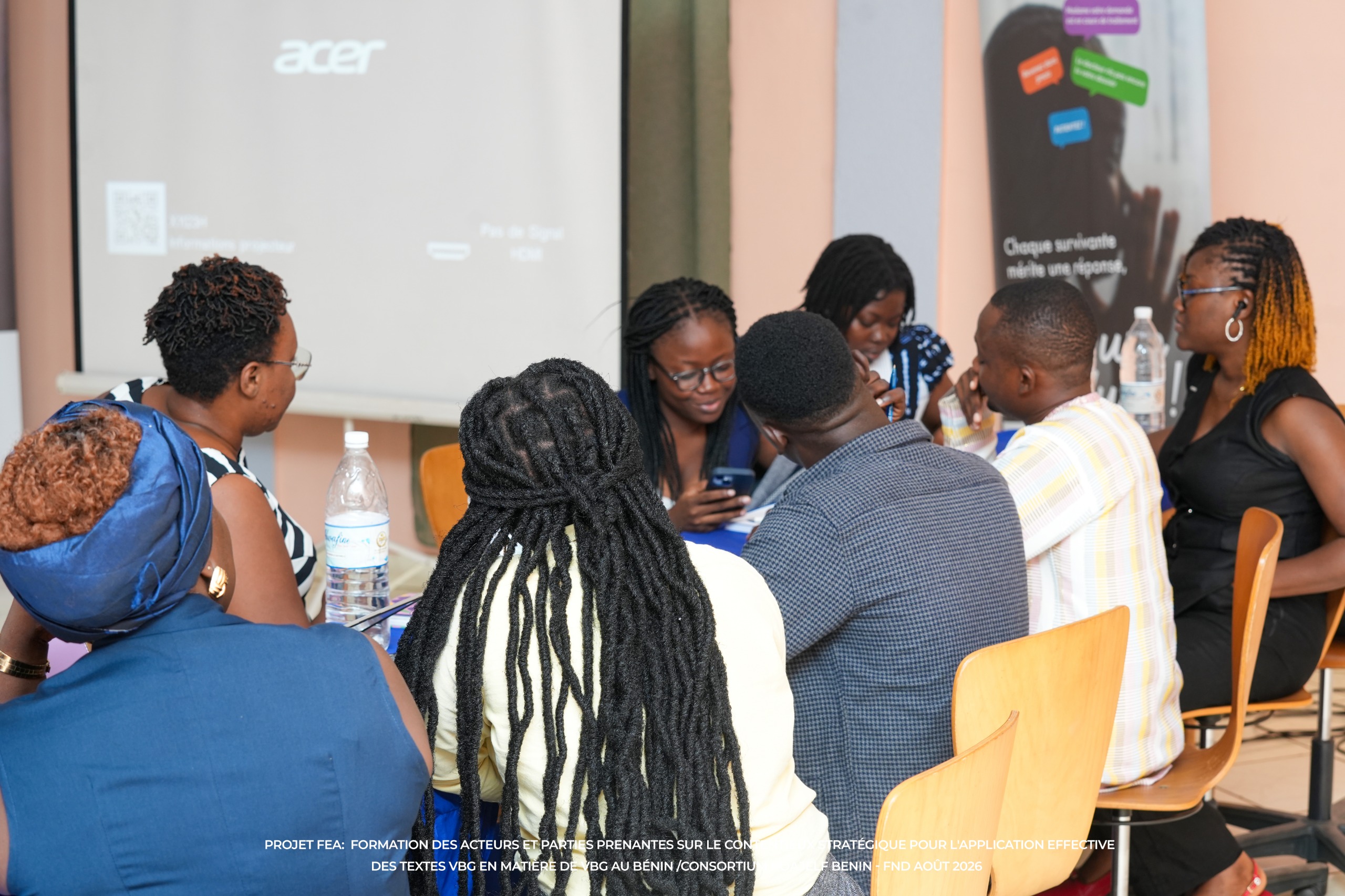
In Benin, the organization of a national conference on Resolutions 1325 and 2250 in 2025 and 2026 helped reignite discussions about the National Action Plan (NAP) and strengthen CSO participation in its development. Their advocacy led the Ministry of Family and Solidarity to commission an evaluation of the first-generation NAP (2021) and to hire a consultant to draft the new-generation NAP. Today, two CSOs involved in the project are members of the ad hoc committee tasked with developing this NAP.
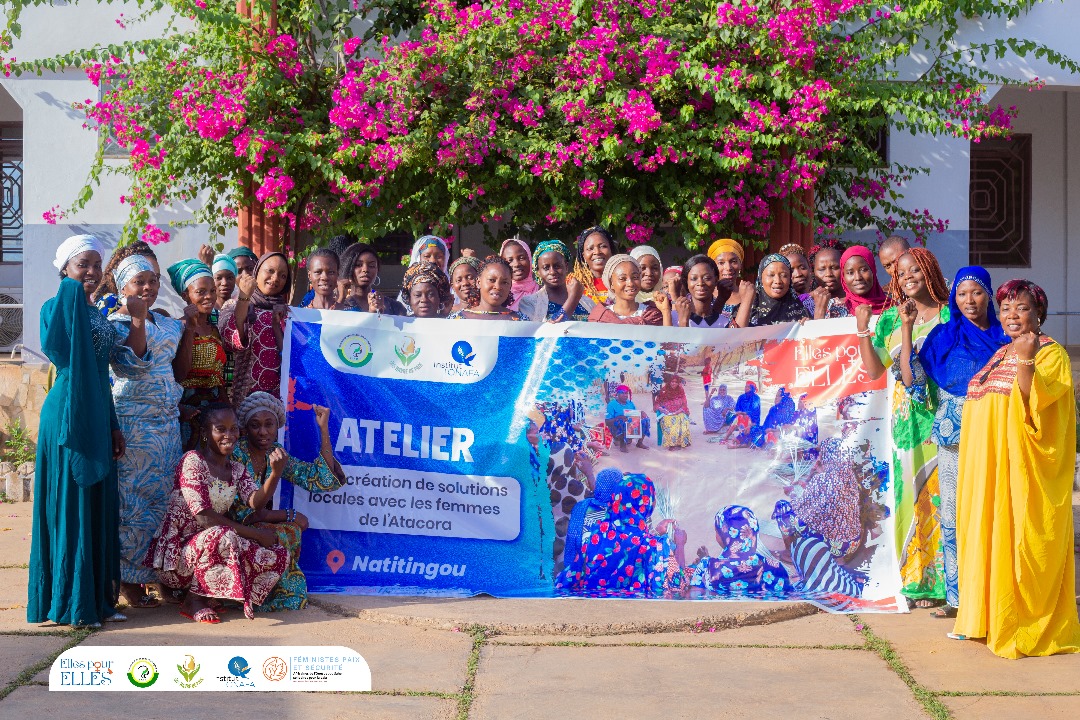
In Togo, advocacy efforts led by WANEP-Togo, a strategic partner of the project, with the Minister of Solidarity, Gender, Family, and Child Protection, contributed to the adoption of the new 2025–2029 National Action Plan (NAP) for the promotion of gender equality and sustainable peace, supported by the United Nations Development Program (UNDP). Furthermore, for the first time in the northern Savanes region, women’s and youth organizations have joined forces in a Regional Coalition for Women, Youth, Peace, and Security to monitor the implementation of the NAP, thereby marking the Agenda’s local roots.
In Côte d’Ivoire, the Minister of Youth and the Minister of Women, Family, and Children have committed to developing the first-generation National Action Plan (NAP) under Resolution 2250 and to mobilizing resources for the implementation of the second-generation NAP under Resolution 1325. And for CSOs working in remote northern areas, this agenda is welcome, as it empowers people to speak out and brings about change within their communities.
On January 19, 2023, Chad adopted its first National Action Plan (NAP) for 2023–2027, extending this momentum to the Central Sahel and incorporating cross-border dimensions related to the prevention of violent extremism, women’s participation in peace processes, and post-conflict reconstruction. The Ministry of Women and Early Childhood (MFPE) has included two women’s organizations involved in the project on the National Committee for Monitoring and Evaluation of Resolution 1325, established to oversee its implementation.
In Burkina Faso, where community ownership of the FPS Agenda remains limited, several partner organizations have joined forces within the Plurielles Consortium to strengthen their advocacy efforts. In particular, they organized a National Forum in Ouagadougou in August 2026 to raise awareness of the Agenda. This initiative was commended by the UNDP, which highlighted the results achieved and the growing ownership of these issues by local CSOs, opening up new opportunities for collaboration.
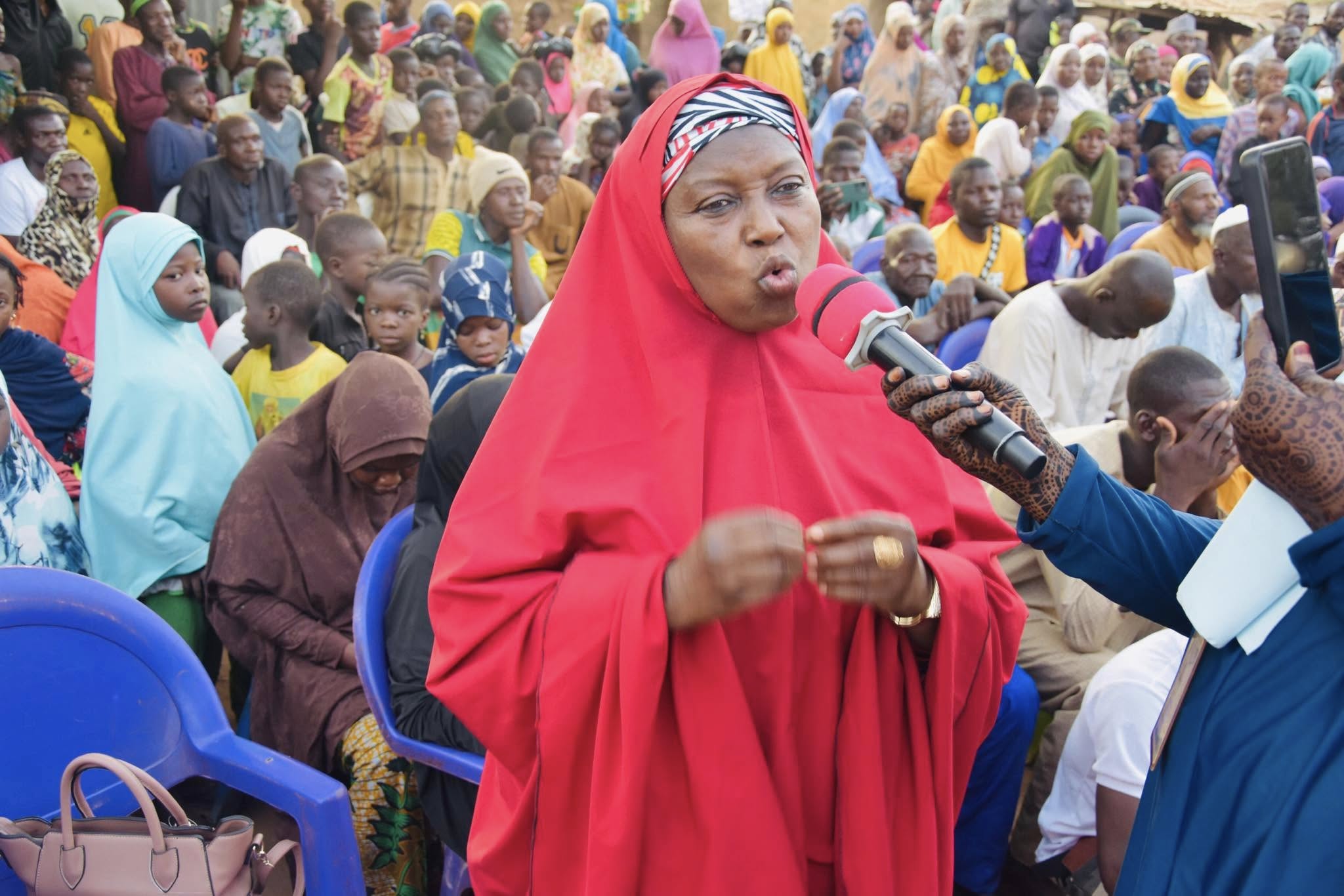
In Niger, where the Ministry of Women’s Affairs was abolished following the military takeover in 2023, progress on the FPS Agenda has been most evident at the local level. Despite a challenging political climate, partner organizations continued their awareness-raising efforts by translating Resolution 1325 into several national languages (Fulfulde, Tamachek, and Zarma) to help communities take ownership of it.
A study on the FPS agenda conducted between 2025 and 2026 by a team of feminist researchers coordinated by the West African Research Center, in collaboration with the Equipop-FAD-Diakonia Sweden-Gorée Institute consortium, shows that its implementation continues to face common challenges: a context of growing, multifaceted insecurity; the persistence of discriminatory patriarchal and sociocultural gender norms; low representation of women and young people in decision-making bodies; and low political prioritization, with its associated consequences (limited funding, a flawed inclusive multi-stakeholder coordination and monitoring-evaluation system, and a lack of dissemination of policy documents).
It also highlights the limitations of a governance model that is often elitist and top-down, in which needs and priorities are defined at the international or national level before being implemented locally, with little room for contextualization. The project specifically sought to strengthen community ownership and the inclusive implementation of this agenda, particularly among women and youth, as well as their local formal and informal organizations and movements, through financial support and technical assistance. This contributed to the development of their organizational and operational capacities, both in terms of advocacy with decision-makers (from the local to the supranational level) and in terms of social mobilization, as well as in their initiatives to empower agents of change on the ground.
The project also helped promote a more feminist and transformative interpretation of the FPS Agenda. The study therefore recommends reinterpreting the four pillars of Resolution 1325—Prevention, Participation, Protection, Relief, and Recovery—in light of the realities experienced by women. The initiatives supported in the six countries provide several examples of this.
Another key feature of this project is the successful integration of the Women, Peace, and Security (WPS) and Youth, Peace, and Security (YPS) agendas. Indeed, while the WPS agenda has historically been championed by a generation of women who are now older and have proven experience, the YPS agenda has focused primarily on young men, particularly through issues related to the prevention of violent extremism and disarmament, demobilization, and reintegration (DDR).
By building bridges between the FPS and JPS agendas and connecting stakeholders from the past, present, and future, the project has helped better integrate the specific needs and participation of young girls into peace and security issues. This convergence, integrated into all of the project’s activities and initiatives—particularly advocacy efforts—has fostered greater consideration of young girls’ concerns by involving them more deeply in the processes and forums for discussing, developing, and monitoring national and local policies and programs, with cross-generational support from their elders.
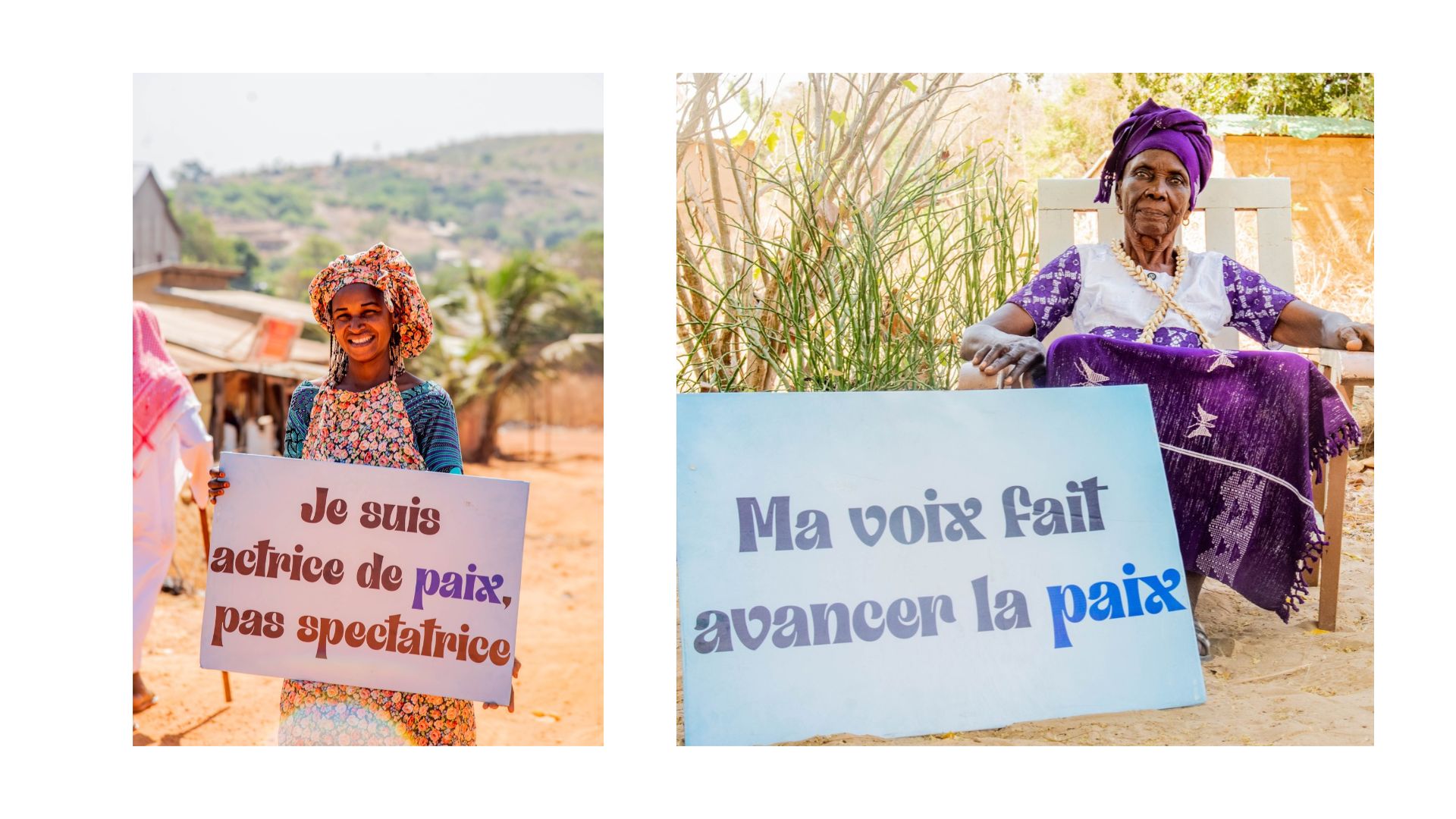
Women and young people are often at the heart of prevention efforts, yet they are not recognized as full-fledged actors in security. In Côte d’Ivoire, a feminist Youth, Peace, and Security Club conducted awareness campaigns on the Women, Peace, and Security (WPS) and Youth, Peace, and Security (YPS) agendas—and in particular on UN Security Council Resolutions 1325 and 2250—in the run-up to the 2025 presidential and legislative elections. According to participants, spreading messages of peace helped prevent pre- and post-election tensions in several localities.
The participation of women and young people in decision-making processes is one of the main objectives of Resolutions 1325 and 2250 and subsequent resolutions. In northern Benin, training and community dialogue activities have strengthened the capacity of Fulani women and girls to participate in forums for consultation on conflict prevention and social cohesion, from which they had previously been largely excluded.
In situations of crisis and conflict, women and young people are more vulnerable to violence. This situation is even more acute for women, including young refugees and displaced persons, as well as those with disabilities. In Burkina Faso, safe spaces called “SI MIA”—which means “Let’s Talk About It”—have been established to allow women to discuss the violence they experience and their role in conflict management within their communities.
Special attention is given to the most vulnerable women and girls in crisis and post-conflict contexts under the Relief and Recovery pillar. In the various countries where we operate, income-generating activities (IGAs) have enabled many women to strengthen their economic independence and better meet their families’ needs. In Niger’s Maradi region, classified as “sensitive,” nearly 100 survivors of gender-based violence received economic support through the creation of income-generating activities and vocational training. Beyond improving their living conditions, these initiatives have boosted their self-confidence and their ability to participate in community life.
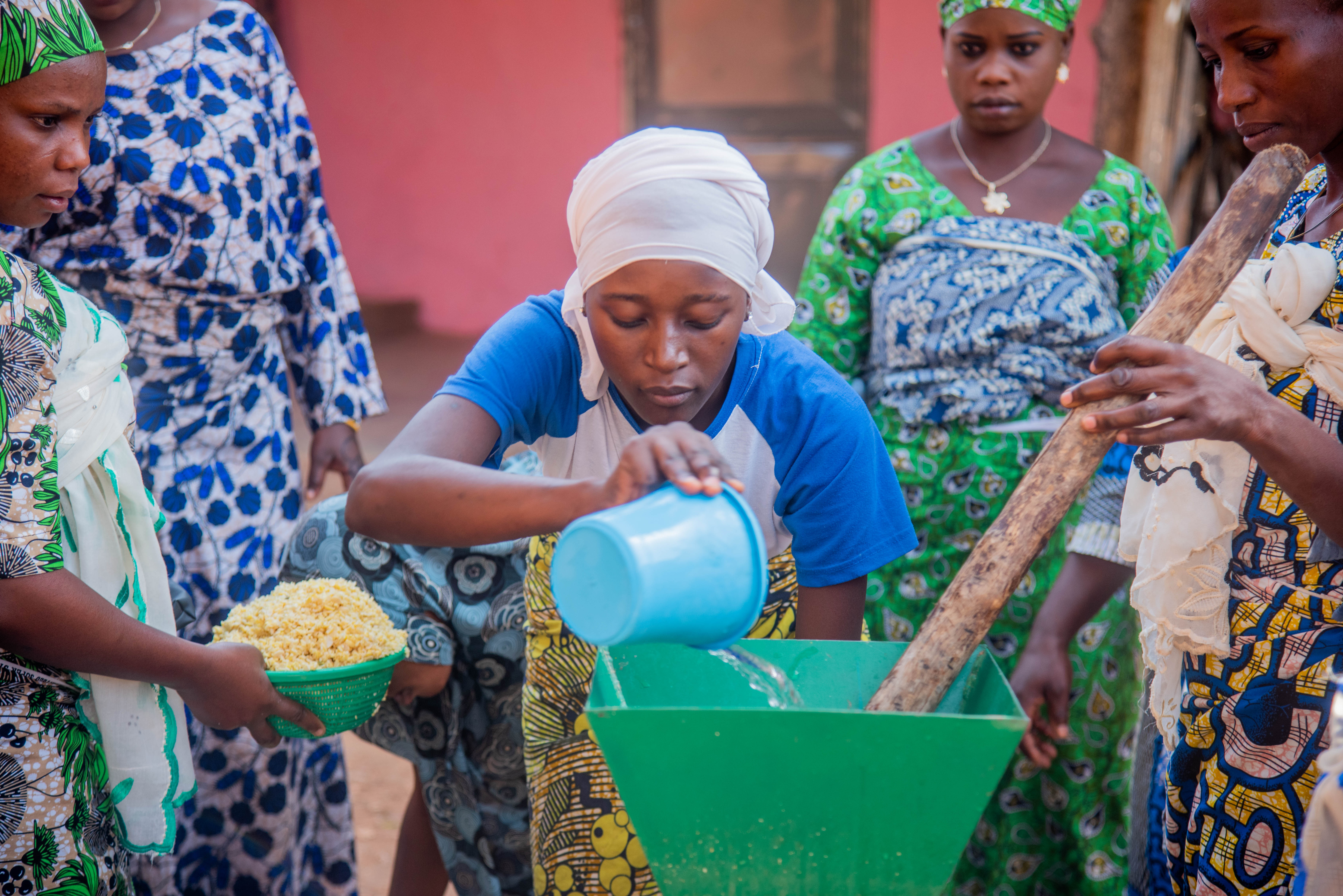
The initiatives implemented as part of the project “TowardFeminist Agendas for Peace and Security—Women of West Africa and the Sahel, United for Peace” provide a concrete response to one of the frequent criticisms leveled at the FPS Agenda—namely, its top-down nature, lacking genuine co-creation with the women concerned and failing to include those who are most vulnerable and marginalized. On the contrary, numerous examples from various countries demonstrate the ability of women, young people, and their organizations and movements to take ownership of this Agenda, adapt it to their realities, and translate it into effective, concrete, and sustainable actions and solutions.
Twenty-six years after the adoption of Resolution 1325, its vision remains more relevant than ever. Its legacy continues to be built day by day thanks to those on the ground who are turning it into a true catalyst for social transformation. This anniversary is an opportunity to celebrate the progress made, while reminding us that no lasting peace can be achieved without the meaningful participation of women and young women, in all their diversity.