Today, some survivors seek to escape repeated violence from their partners, their partners' families, and sometimes even their own families. Often accompanied by young children, they want to leave this violence behind despite their vulnerability, their fears, and the weight of tradition... in order to stop enduring further abuse, humiliation, or indifference. However, do these women have anywhere to take refuge? Where can they go? How will they support themselves? Is there anyone to take them in and advise them?
As part of the Feminists in Action (FEA) project, the consortium ROAJELF, comprising ROAJELF Senegal, Benin, and Burkina Faso, conducted an assessment to understand how the systems/care centers for survivors of domestic violence operate in each country, and three major findings are to be deplored:
- Observation 1: The fight against gender-based and sexual violence (GSV) is not a priority for governments: studies on GS&SV focus mainly on the victimization of women and do not address the issue of state responsibility, particularly with regard to the effectiveness of their policies and laws.
- Finding 2 : Domestic violence, violence that mainly affects women: violence within couples is based on a relationship of power and domination. We are not talking here about conflicts that are resolved through negotiation, but rather violence linked to unequal and rigid power relationships. This violence can take many forms: physical, psychological, verbal, sexual, economic, administrative, etc.
- Finding 3 : There are too few holistic care centers in the three countries: despite legislation in place to prevent, protect, and care for survivors, state-run centers are rare in all three countries (28 in Senegal, 2 in Burkina Faso, 3 in Benin).
Well-being of survivors, the need to consolidate services
Holistic care centers enable a more effective response to the specific needs of survivors of violence, respecting feminist values of sisterhood, listening, kindness, etc. Survivors have multiple needs (emergency shelter, information, medical care, psychological support, access to legal rights, etc.). As a result, many different actors are involved in their journey. Networking the various resources in a given area helps to improve the identification of violence and ensure consistency in the responses provided to survivors and their safety. Having centers that bring together all the necessary services is essential so that survivors can find a place with everything they need and, above all, with follow-up on their case, thus avoiding having to repeat their story and discouragement in the many steps involved.
Advocacy at national and subregional levels for concrete responses
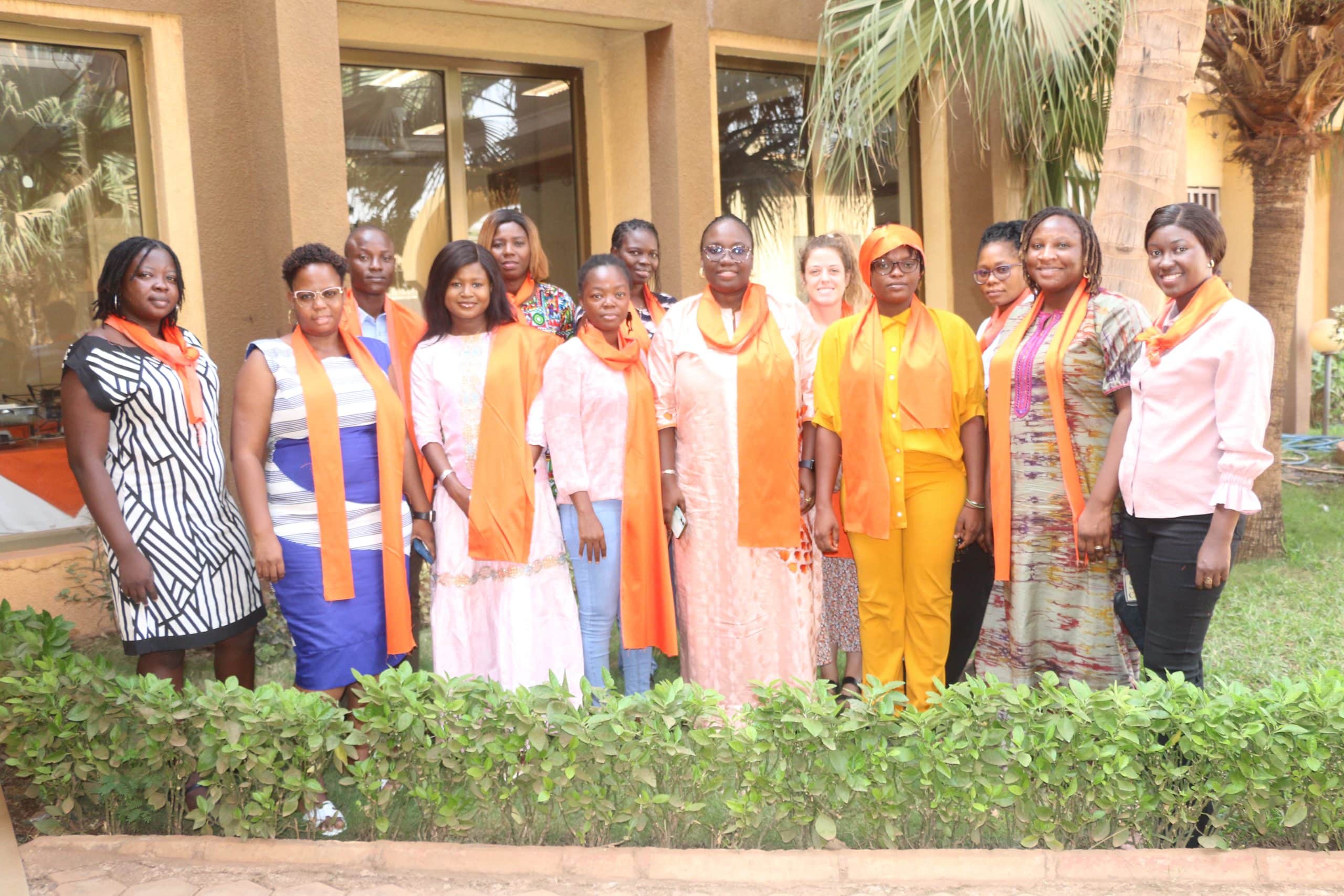
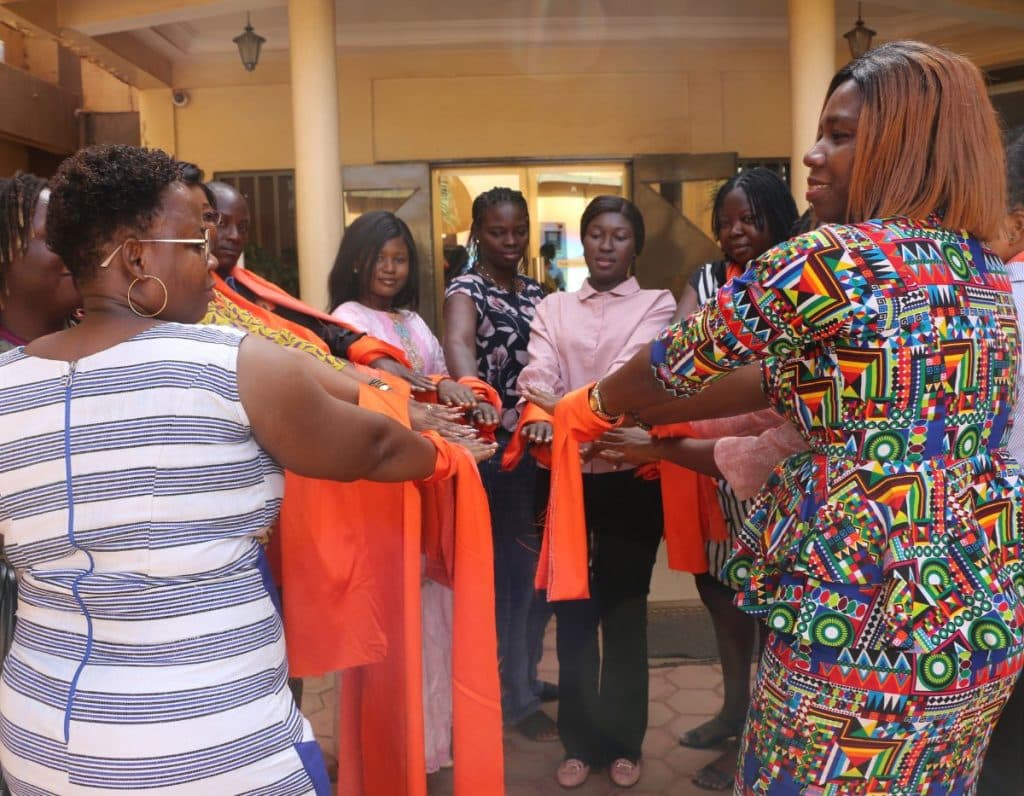
Following an assessment of the realities in their countries and the alarming lack of shelters for women survivors of domestic violence in Senegal, Benin, and Burkina Faso, the consortium composed of ROAJELF from these three countries is calling on decision-makers through national advocacy campaigns: ROAJELF Benin: to encourage the mayors of the municipalities of Cotonou, Parakou, and Abomey Calavi to provide premises within a maximum radius of 10 km from the CIPEC-VBG to house survivors of domestic violence by a spouse or partner (at least 6 beds for emergency shelter). ROAJELF Burkina Faso : encourage technical teams from the ministries of justice, health, and social action to collectively draft a decree requiring the state to create a holistic center in each municipality to care for and protect women and girls who are survivors of violence. ROAJELF Senegal: Initiate work on developing a national strategy to strengthen and expand holistic care centers for survivors of domestic violence with the new ministers, Ms. Maïmouna DIEYE, Minister of Family and Solidarity, and Mr. Ibrahim SY, Minister of Health and Social Action. At the subregional level, the consortium will work closely with ECOWAS to collaborate with the technical teams of the gender unit and encourage gender focal points to establish regional standards for the protection of survivors of sexual and gender-based violence by a spouse or partner.
Since April 2023, two consortia of feminist organizations in West Africa have been mobilizing to call on their governments to address the scourge of gender-based and sexual violence (GSV). Feminist Funds in Action (FEA)provide feminist organizations with financial, human, and material resources to support them in their fight for the rights of women and girls. As part of Channel 3, assessments have been carried out and the conclusions require concrete commitments and actions from states.