The continuum of violence marks a major conceptual shift in how survivors’ experiences are named, analyzed, and addressed
Its value as a framework lies in understanding the diversity of acts of violence not as isolated events, but as interconnected manifestations of a system designed to control women’s bodies and sexuality—a system that also restricts their spaces, voices, and freedoms. This system, built on gender stereotypes and inequalities, has the effect of fostering sexual and gender-based violence (SGBV), to which it contributes significantly by fostering its acceptance and invisibility in both private and public spheres.
Against a global backdrop of multifaceted crises, the rise of anti-rights movements, and the erosion of hard-won gains in women’s rights, the fight against sexual and gender-based violence (SGBV) brings together a diverse range of actors whose interventions at various levels—including laws and policies, public and private programs, and community and individual mobilization—reflect a wide array of stances, approaches, and outcomes. For Equipop, a key challenge is to drive transformative change around sexual and reproductive violence by placing the voices of those most affected at the center of the discussion.
Building on women’s voices requires the development of innovative strategies to support not only the expression of those voices but also their dissemination and reception by professionals whose involvement in dismantling sexist norms is crucial (medical professionals, lawyers, researchers, journalists, etc.). Added to this is the imperative to infuse this momentum for social transformation into policies and programs at the local, regional, and international levels.
During the 2024–2025 fiscal year, this vision continued to guide the implementation of two major projects developed by Equipop in West Africa. These are, on the one hand, the project on gynecological and obstetric violence (GOV) in Senegal and, on the other hand, the “Se défendre” project in Burkina Faso.
The VGO Project: Cross-Sectoral Synergies Centered on a Feminist Approach to Gynecological and Obstetric Care.
"Our Bodies, Our Health" is a pioneering initiative aimed at securing political, legal, and social recognition of violence against women and girls and positioning it within the continuum of violence against women and girls. Its immediate goal is to combat violence against women and girls by strengthening the conditions that enable women of all ages to exercise their rights over their own bodies, including in the medical sphere.
The implementation of the “Our Bodies, Our Health” project is structured around five key areas: representations of women’s bodies; empowering women’s voices and fostering their autonomy; compassionate care and human rights; advocacy and communication at the national level; and research, evaluation, and knowledge translation. Each of these pillars encompasses several activities, all of which aim to amplify women’s voices as they freely share their experiences, feelings, and aspirations regarding their own bodies, sexuality, and reproduction. As part of this effort, one of the flagship activities is the organization of women-only discussion circles to create the ethical and practical conditions for sharing experiences of gynecological and obstetric care.
In Diamniadio, the focus groups organized reached women and girls aged 10 to 70, representing a range of vulnerability factors related to age, social status, health status, employment status, and so on.
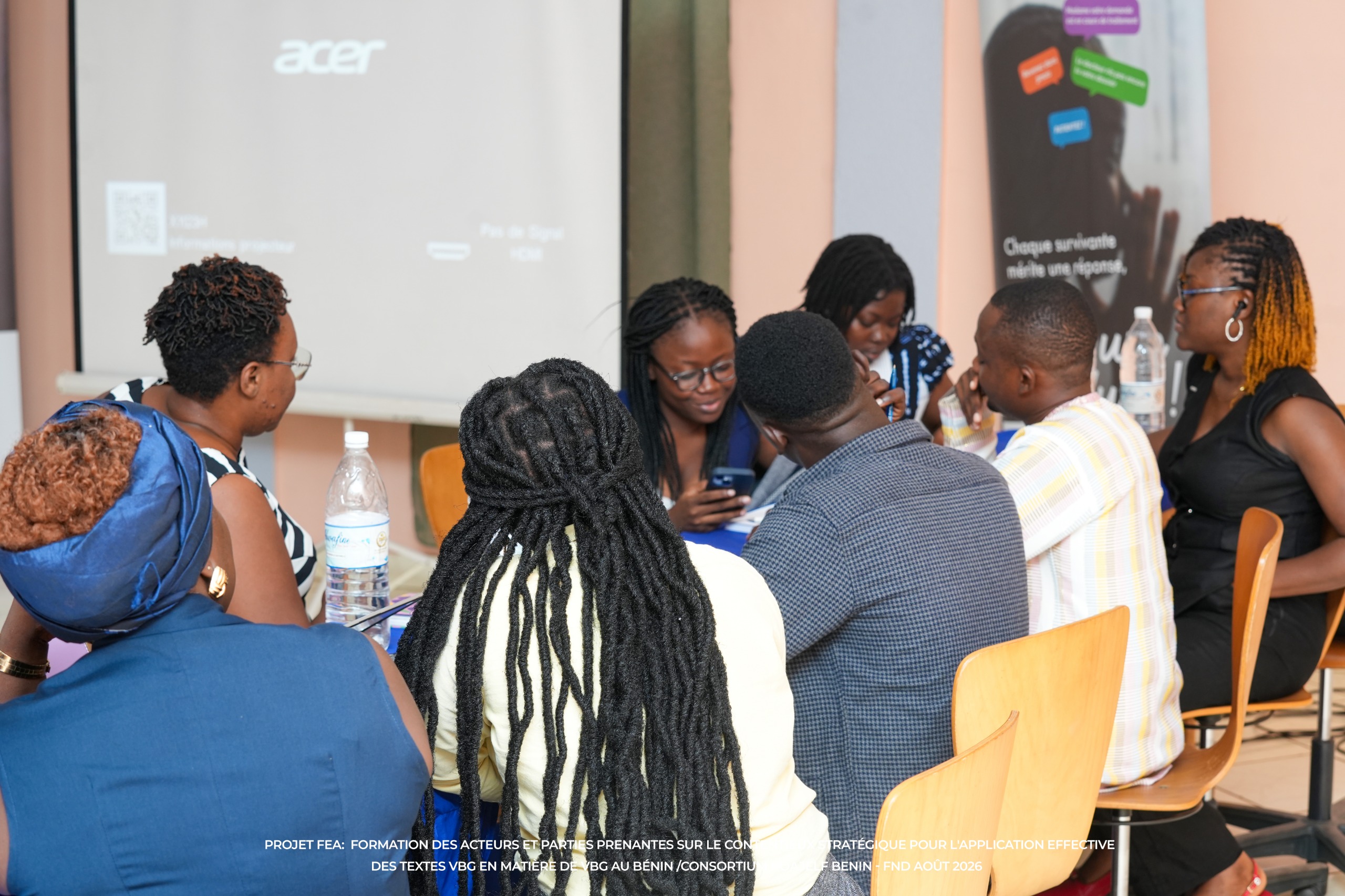
The organized discussions provided a safe and trusting space to address a variety of topics, such as difficulties accessing healthcare, sexual and reproductive health and rights (SRHR), child marriage and early pregnancy, sexual harassment, domestic violence, abortion, and more. Participatory and liberating, the discussion circles provided participants with an opportunity to safely express their experiences, feelings, and lessons learned in relation to the topics discussed. They further illustrated how certain factors—such as gender, age, visible markers of social status, and disability—exacerbate the negative experiences embedded within the continuum of gender-based and sexual violence.
The experience of collectively sharing intimate stories (about childbirth, sexuality and sensuality at different stages of a woman’s life, including menopause, traumas in healthcare settings, etc.) has also proven to be a powerful lever for individual and collective empowerment and for expressing a sisterly voice on patriarchal violence and self-support practices within communities and healthcare institutions.
The various discussions highlighted the importance of addressing structural issues, such as stigmatization and discrimination linked to restrictive sociocultural norms, the taboo surrounding sexuality, as well as the entrenchment of violence within family and societal dynamics. These issues were also raised during discussion sessions among men, among healthcare providers of both genders, and in the context of fostering dialogue between patients and healthcare providers.
Another key activity of the project is the reissue of *Notre corps, notre santé*. The book *Notre corps, notre santé: Women’s Sexuality in Sub-Saharan Africa*, inspired by *Our Bodies, Ourselves*, was originally published in February 2004. It was the first book aimed at Sub-Saharan women to address their bodies and sexuality.
Twenty years later, the original editorial committee, reconstituted around Fatou Sow and Codou Bop, has brought together several young feminists and a diverse range of disciplinary backgrounds for a reissue project.
Drawing on a diversity of voices and experiences, this rewriting project aims to advance knowledge and practices regarding women’s sexual and reproductive health. It involved rewriting the book based on the authors’ personal experiences and collected testimonials, with the goal of making evidence-based and respectful information available to women at every stage of their lives.
The “Se défendre” Project: Supporting Burkinabe women and their organizations in their fight against gender-based and sexual violence (GBV)
The "Se défendre" project is Phase 2 of the "Women’s Rights and Health in Burkina Faso" project. It was launched as part of an emergency response during the COVID-19 crisis to empower the most vulnerable women and girls by strengthening their leadership and providing holistic care for gender-based violence.
The results of this first phase highlighted that, beyond emergency situations, a strengthened feminist approach was necessary in the fight against GBV in Burkina Faso. They similarly illustrated “the power of reconstruction,” as documented in a knowledge-sharing booklet of the same name published at the end of the project by Equipop and its partners: the Panandetiguiri Initiative for Women’s Well-being, the Association of Women Lawyers of Burkina, and Voix de Femmes.
As a logical continuation of Phase 1, Se défendre aims to support women and their organizations in combating gender-based and sexual violence.
It supports social change initiatives led by local women, drawing on approaches centered on the rights, dignity, and autonomy of women and girls. Special attention is given to marginalized women and girls.
The project is rooted in an approach based on equality, social justice, and recognition of the power dynamics that underpin violence against women and girls.
It draws inspiration from feminist principles, in that it places women and girls at the center of the transformation process, valuing their knowledge, experiences, and capacity for action.
The project seeks to strengthen individual and collective responses to gender-based and sexual violence, while encouraging local dynamics of change driven by the communities themselves.
The project is built around three interrelated objectives, which are:
- supporting the development of approaches to empower women and girls, as well as CSOs that advocate for their rights in the face of sexual and gender-based violence;
- support for women who are victims of sexual and sexual violence throughout their legal, judicial, and psychological processes;
- and improving the implementation of the legal framework and its development by pursuing strategically significant litigation and conducting training sessions on the advocacy efforts to be undertaken in connection with such cases.
In the area of empowerment, training sessions were organized on feminist approaches to sexual and reproductive health, feminist communication, and masculinities.
Organized for key actors in the fight against SGBV in Burkina Faso (civil society organizations, feminist journalists, project teams from consortium partners, etc.), these sessions helped strengthen their capacity to address SGBV from a feminist perspective.
Empowerment also involves supporting the individual and collective capacity for action among women and girls. As part of this approach, leadership clubs were established and access to safe spaces was facilitated. This resulted in strengthening young girls’ engagement and their ability to express themselves and develop innovative solutions to address SGBV. The establishment of a theater troupe has also provided a creative platform for raising awareness, helping to inform and educate adolescent girls and young women about sexual and gender-based violence as well as SRHR for young people and adolescents.
On a broader scale, radio programs broadcast in several regions of Burkina Faso have also reached a wide audience, thereby helping to spread prevention messages about sexual and gender-based violence (SGBV).
Significant progress has also been made in supporting women survivors of SGBV through their legal, judicial, and psychological processes.
The organization of training sessions on safeguarding and feminist approaches to SGBV reached actors within the protection system and members of the Association of Women Lawyers of Burkina Faso. This fostered the engagement of frontline care providers and improved their professional practices. The approach developed following this initial phase involved combining training and awareness-raising sessions with legal consultation times through mobile clinics. The awareness-raising sessions organized reached women and girls from vulnerable groups (internally displaced persons, people living with disabilities, etc.). Conducted in the local language (Mooré), they provided participants with an opportunity to share their experiences and tell their stories. The deployment of mobile legal clinics following these activities resulted in high satisfaction rates among users, as well as among women and girls who are survivors of sexual and sexual violence and who were able to receive legal, psychological, and judicial support.
One particularly forward-looking and innovative aspect involves supporting progress through strategic litigation. Workshops were organized to foster discussion on topics related to VSS and strategic litigation. Organized into three separate sessions, these workshops specifically targeted groups of women (market leaders, Green Brigade leaders, widows, etc.). Each session raised participants’ awareness of the issues surrounding VSS and strategic litigation, while providing a space for dialogue to share their experiences and discuss the challenges they face in their respective contexts. Following these workshops, awareness-raising sessions organized by project facilitators in pre-identified markets helped identify potential cases for strategic litigation. CSOs working to protect women’s rights are mobilizing on multiple fronts to advance legislation and practices aimed at combating gender-based and sexual violence, and to demand that states act with due diligence to prevent, investigate, punish, and provide redress for acts of violence committed. The use of strategic litigation is one of the key means to accelerate the realization of rights and enable survivors to have effective access to justice. Many organizations (ISLA, Center for Reproductive Rights, IHRDA, etc.) recognize the transformative power of this approach, particularly when combined with political mobilization efforts, and are using it across Africa by bringing cases to the regional or national level (see examples of success below).
Indeed, bringing a case before a judge to rule on legal deficiencies or to encourage legal reforms is a means of establishing new legal precedents and, consequently, of driving changes in existing policies or legislation or ensuring their proper implementation. In practice, this involves supporting and, most often, publicizing the trial of a person whose case is considered to be in the public interest, as its legal impact is expected to extend beyond the specific interests of the parties involved.
Toward a Feminist and Activist Approach to Research
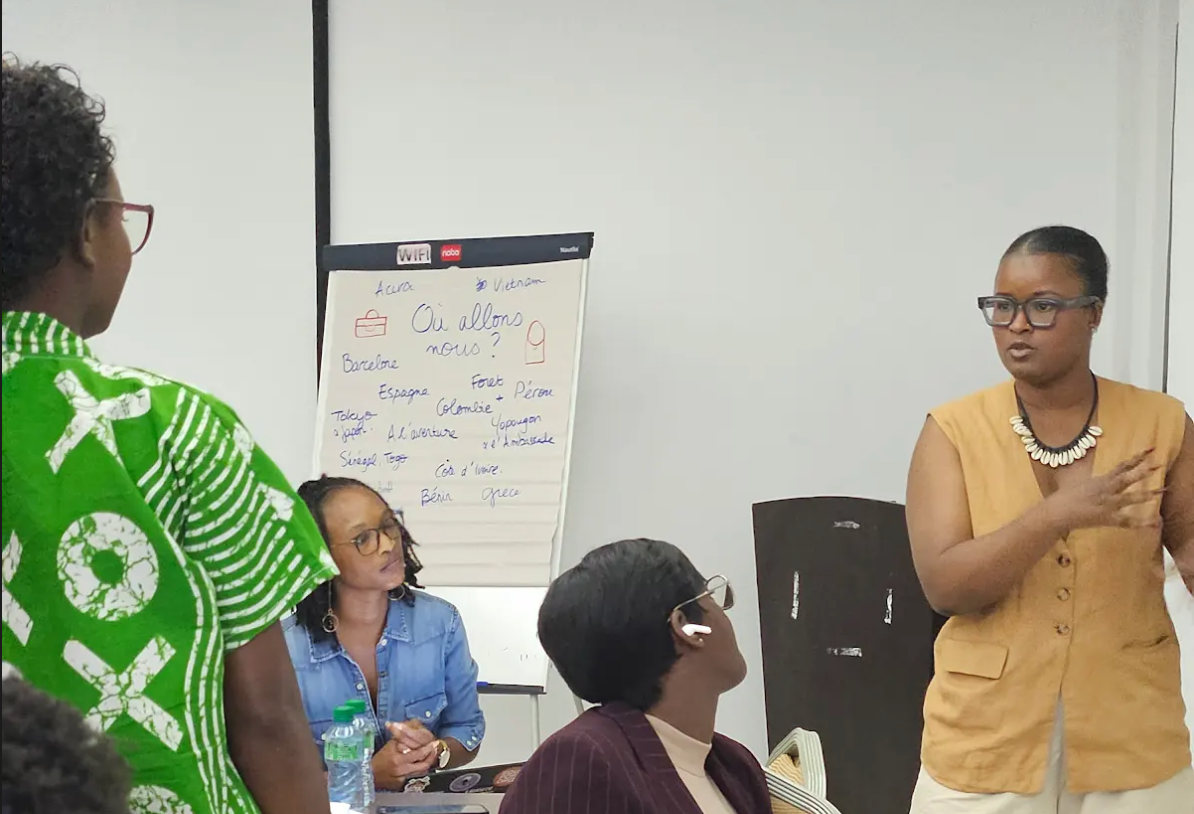
Equipop places increasing emphasis on research in its work on transformative projects promoting gender equality. Over the years, this focus has taken various forms. During the exploratory phase, research conducted in 2020 on gender-based and sexual violence (GBV) in the context of the COVID-19 crisis in West Africa informed the design of the Women’s Rights and Health project in Burkina Faso, whose second phase, titled “Standing Up for Ourselves,” is currently being implemented by Equipop and its partners.
Research was also a key strategy within the Sansas project. Studies on the sexual and reproductive health of adolescents and young people not only helped refine the consortium’s interventions but also provided guidance for future policies and actions related to SRH for adolescents and young people in Senegal.
Similarly, the situational analysis of gynecological and obstetric violence in Senegal is a flagship activity of the VGO project. Conducted in four regions (Matam, Sédhiou, Dakar, and Diourbel), this study employed a social innovation approach grounded in feminist values of participation, inclusion, and empowerment for girls, adolescents, and women.
A rapidly growing movement: feminist participatory research
A key focus at Equipop is the development of participatory feminist research, which fosters synergies between feminist researchers and activists from diverse regions. Lessons learned from the Young Feminists of West Africa project—the Cotonou symposium on feminist approaches to SRHR (March 2024) and the regional #CompterPourToutes campaign for collecting data on SRHR—have highlighted converging findings: the need to strengthen the production and sharing of feminist knowledge. To address this, Equipop launched the CollectivAct Research Fund as part of the MAAG project. This initiative represents a first step toward meeting the demands of feminist movements for more resources dedicated to the creation of feminist knowledge.
Through this fund, Equipop makes its approaches, methodologies, and support mechanisms for transformative power available to young feminist movements. The CollectivAct Research Fund thus represents a unique opportunity to structure and strengthen the links between research and activism, through an innovative blend of participatory feminist research and incubation labs.
Finally, the fund is based on a flexible financing mechanism that ensures the independent management of knowledge-generation processes by feminist partners with diverse backgrounds, brought together in a consortium.
Committing to fostering a feminist generation that understands the importance of international solidarity: an exchange program rich in learning opportunities
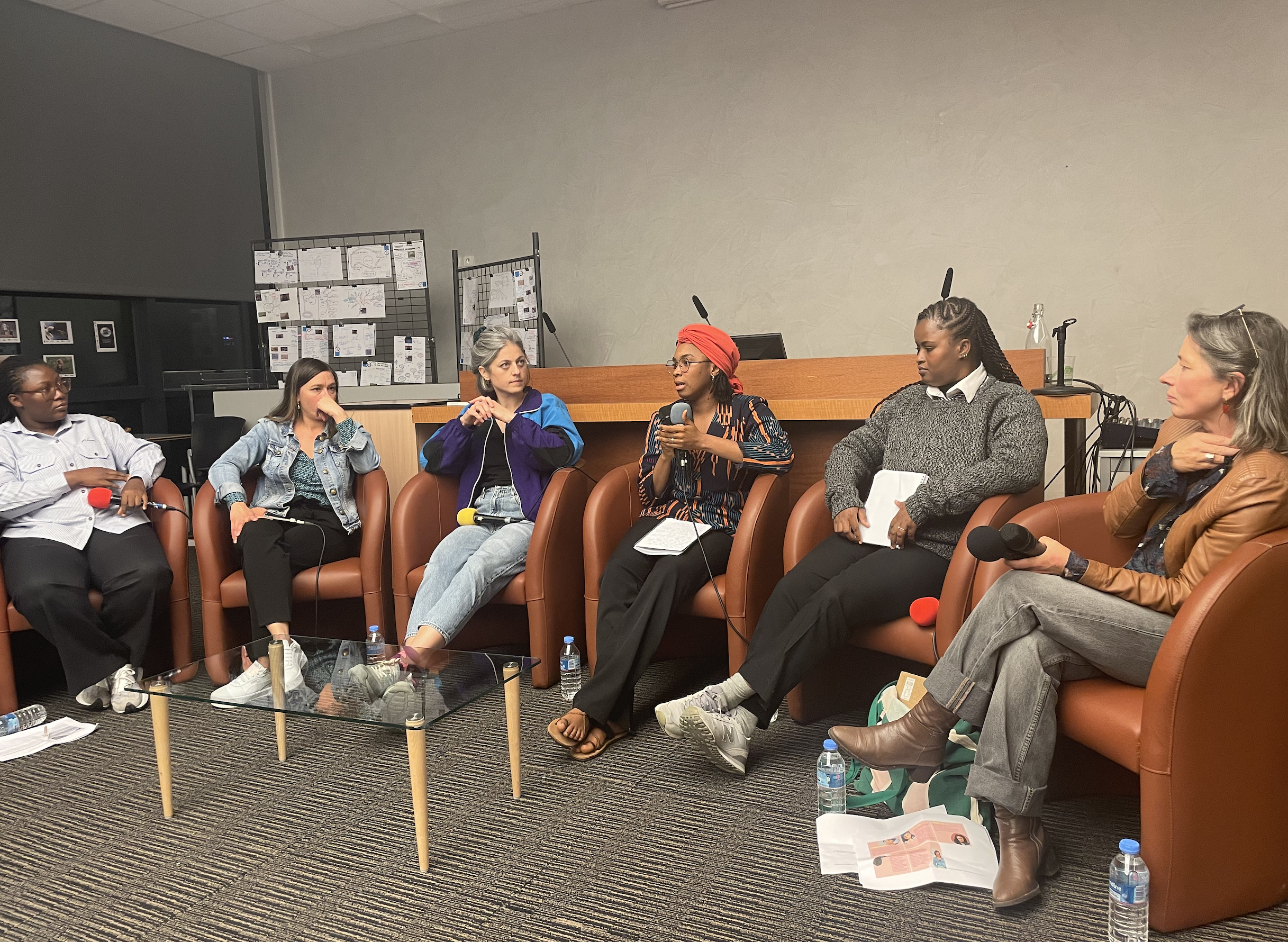
As part of the “Brisons le Silence” festival, organized by our partner Filactions in November 2024, Equipop organized a feminist exchange trip. This activity is part of the “Feminist Generations: Lyon and Its Metropolitan Area, a Region of Equality” project.
Three young feminists—key figures in West African movements with diverse backgrounds in activism—traveled to France: Amandine Yao (Gouttes Rouges), Kadiatou Konaté (CJFLG), and Chanceline Mevowanou (JFAD). Alongside numerous activists from the West African subregion, they are helping to advance the struggle for gender equality. During their stay, they met with their counterparts in Lyon—more than twenty activists—and participated in collective actions in the Auvergne-Rhône-Alpes region.
A one-day workshop with stakeholders in community education and international solidarity provided an opportunity to discuss social, political, and legislative challenges, while emphasizing the importance of adapting funding and preventing any exploitation of feminist struggles. During a coffee-and-discussion event with feminist student organizations, such as CLIT (Lyon University of Medicine) and Eh Mademoiselle (Sciences Po), the discussion focused on how to build a common movement while working on specific areas of action and on the need to pool efforts in the face of systemic challenges at various levels.
This week of dialogue helped strengthen transnational feminist solidarity by highlighting intersecting forms of oppression—based on class, race, and gender—and by bolstering global feminist efforts to achieve true equality.