How can we make the social changes that our interventions contribute to visible? This methodological challenge is shared by all development actors. Quantitative approaches, while useful for programming activities and managing resources, have many biases, such as the difficulty in understanding how stakeholders evolve throughout the project.
Together with its partners, Equipop aims to bring about changes in relationships, practices, and representations, which are all drivers and facets of citizen and political mobilization. Collectively defining these desired changes, being able to observe them closely, discussing them, and knowing how to report on them is a challenge we have been working hard on in recent months.
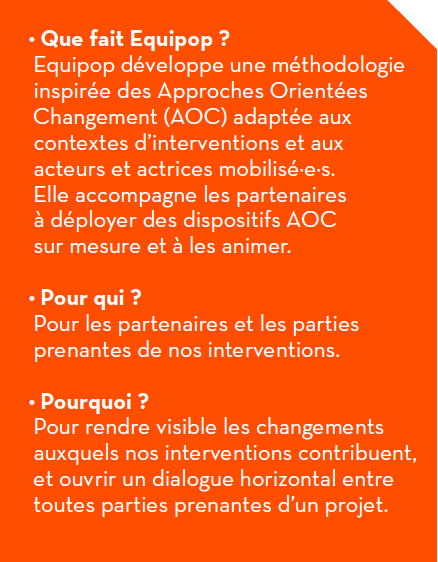
In 2019, Equipop embarked on a major project: integrating Change-Oriented Approaches (COA) into project intervention strategies. Drawing on proven methodologies, such as impact mapping, and supported by F3E1, Equipop has developed an approach tailored to its partners and several key intervention themes, such as youth involvement, institutional engagement, multi-stakeholder dialogue, and innovation.
AOCs, FROM A TO Z!
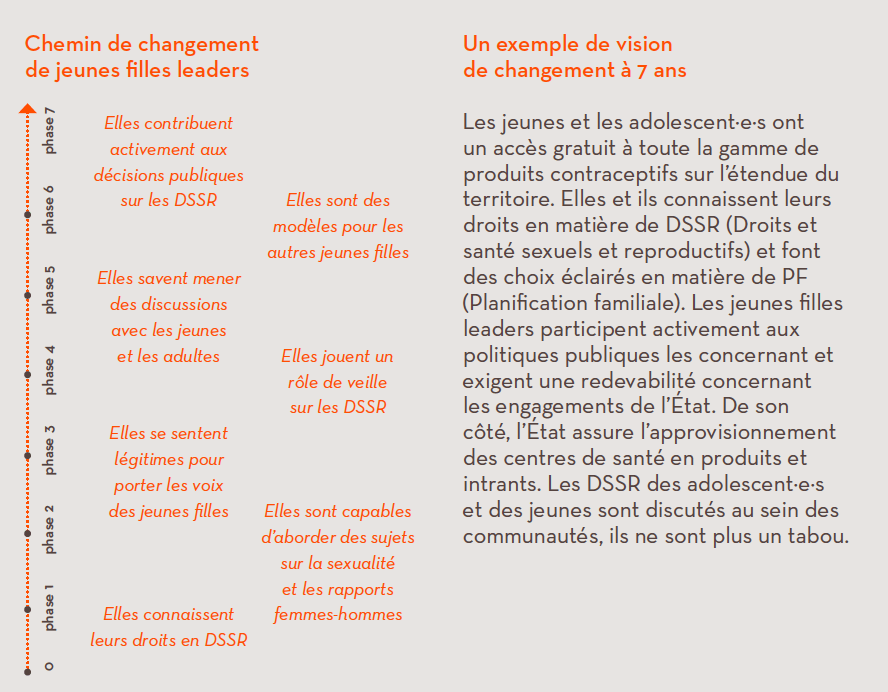
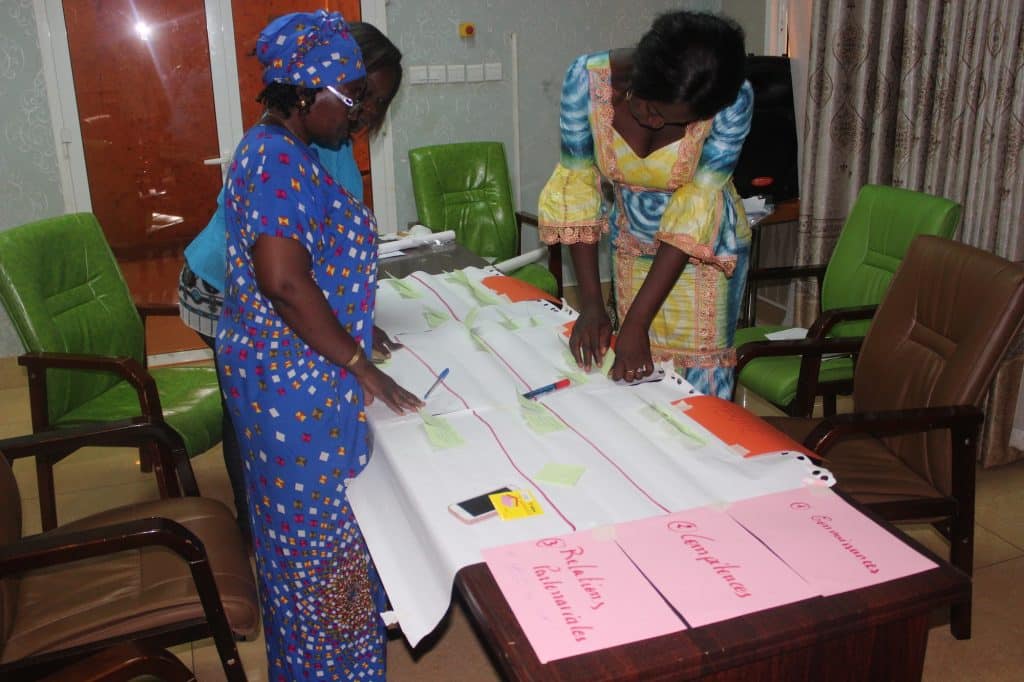
Deployed in the Change Lab and Fondemsan projects, change-oriented approaches offer the various associations involved the opportunity to come together around a shared vision of change and to target key working partners for the project whose support is strategic. Paths to change are thus devised for each of these partners and will be used to adjust interventions so that they contribute to bringing about the expected changes.
Once the framework is in place, the associations observe all the small steps that translate into significant effects on a daily basis, such as the bonds that are formed within a group of young women and their ability to help each other. Analyzing the factors is also a key step in understanding how these changes have been possible.
These "small changes" observed by the teams must be cross-referenced with the views of the project stakeholders, whose feedback on their experiences is central. For practitioners in associations, this openness to the experiences of the public, and also of the project's allies, makes it possible to adapt support and action strategies along the way.
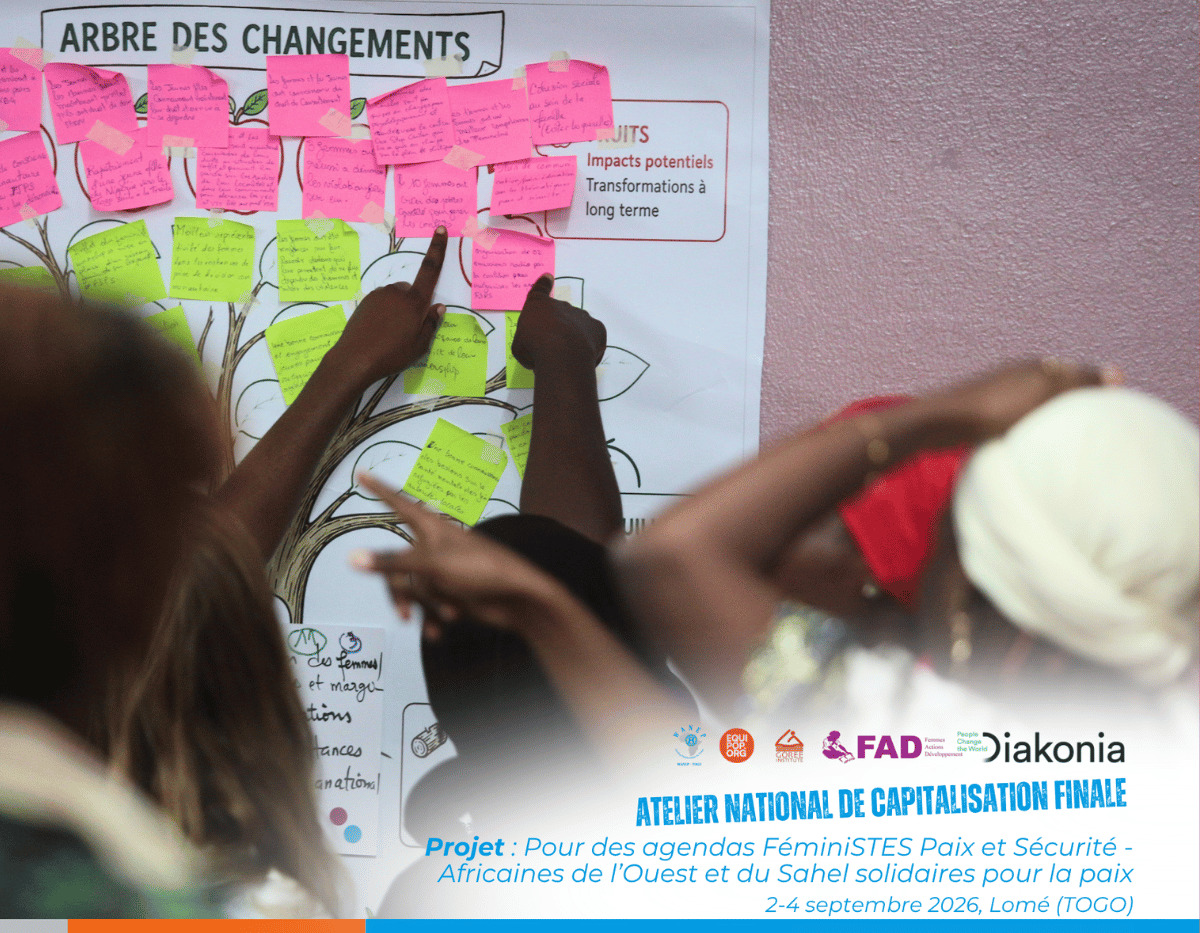
At the mid-point and end of the project, all of these changes and the developments they reflect are compared with the paths of change initially envisaged. This aggregation of observed effects then reveals several levels of impact of the project: individual, collective, and territorial. AOCs also highlight the processes through which changes were made possible and the strengths of the support strategies. They are therefore an obvious source of capitalization!
THE BEGINNINGS OF AOCs
Equipop and its partners are experimenting with this change-oriented monitoring approach and learning from it. Initial results are beginning to show:
- Better understanding of desired societal transformations. In projects, the question of the meaning of action is sometimes overlooked, imposed by external factors (particularly donors). From the very first workshops, change-oriented approaches encourage collective discussions about the meaning and relevance of the objectives.
- Greater consideration for the ecosystem. Social and political mobilization projects are not carried out in isolation and involve numerous actors in the fields of political, traditional, and religious power, as well as in the media, associations, and civil society. Change-oriented approaches encourage consideration of all these dynamics and strengthen partnerships.
- Better project management. In concrete terms, teams are able to go beyond strictly monitoring activities to assess and analyze the effects of the project. These moments of analysis are very useful for understanding the pace of the actors, their appropriation of the project, and adapting the framework of actions.
- Enhanced dialogue between stakeholders. Change-oriented approaches require regular analysis of observed changes and sharing of these analyses among the various project leaders, who in turn have access to insightful information to adapt their actions. AOCs are a collective experience: they involve extended dialogue between the various stakeholders to strengthen commitment to the vision of change and promote the involvement of everyone, especially young people.
The next steps for the AOCs are also being put in place. Based on feedback from the associations, a methodological guide will be developed, highlighting the main challenges involved in monitoring citizen mobilization projects promoting sexual and reproductive rights and health. Emphasis will also be placed on dialogue with donors, focusing on the benefits of these new monitoring approaches and the conditions for their deployment, in order to inform them about the value of this approach.