How can we know what is actually changing when a project seeks to transform power dynamics? How can we measure changes in the relationships between the various actors?
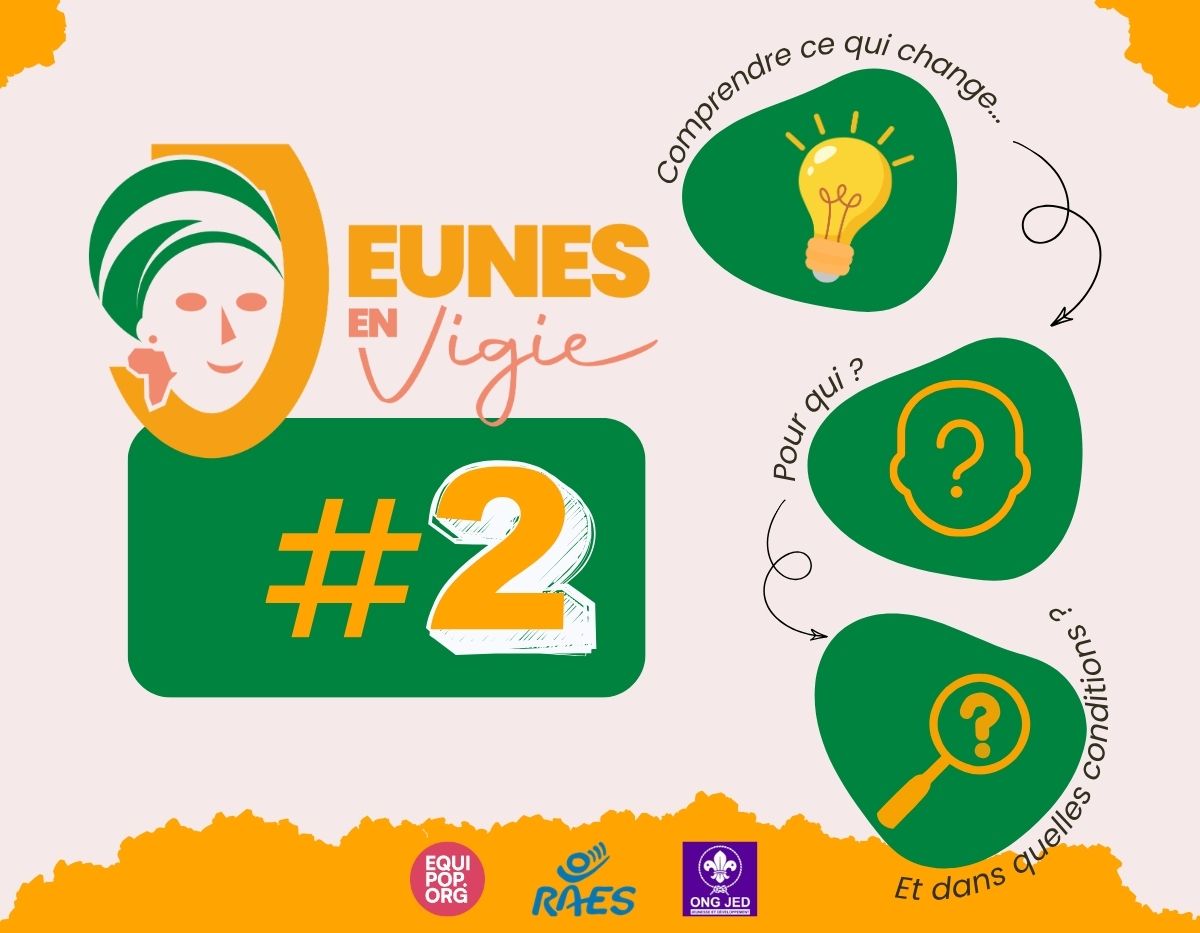
As part of Jeunes en Vigie 2 (JEV2), Equipop, JED, and RAES are piloting a monitoring and evaluation approach that seeks to answer these questions: the measurement of social utility (MUS).
The goal: to go beyond simply monitoring activities in order to better understand the changes taking place within and around the project, particularly in the relationships between the participants—young people from diverse backgrounds—health care providers, communities, and authorities.
Shifting Perspectives: From Impact to Transformation
In JEV2, social utility is defined as the capacity of an initiative to produce effects that contribute to the common good: reducing inequalities, strengthening young people’s political participation and social cohesion, and bringing about changes in power dynamics, norms, and policies.
The challenge, therefore, is to examine what is happening in the spaces where the project is active: what is changing for the participants and for young people? How are their relationships with service providers, communities, or authorities changing? Are their voices being heard more? Is their access to rights and health services truly improving? And what role are they playing in influencing decisions that affect their health?
Social utility does not replace change-oriented approaches (COAs); rather, it complements them.
AOCs are a key component of the JEV2 monitoring process. They help document the trajectories, learning experiences, realizations, and transformations experienced by participants, health care providers, and other stakeholders.
The MUS complements this approach by broadening the focus to include relationships among stakeholders, power dynamics, effective access to rights and services, the recognition of experiential knowledge, and the role of young people in decision-making bodies. The two approaches are therefore complementary.
Collaborative Development of the MUS Framework
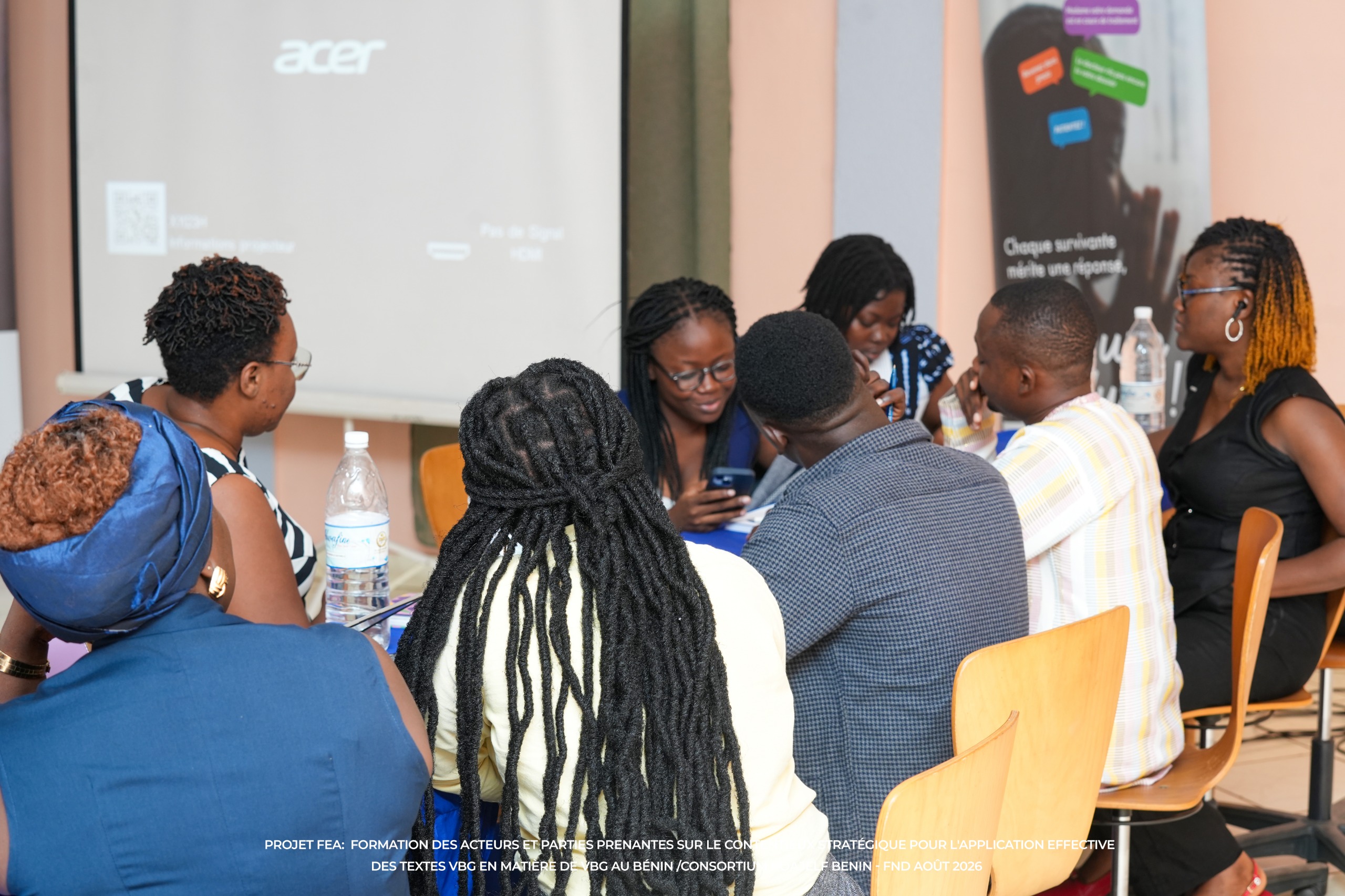
On July 7 and 8, 2026, JEV2 partners, stakeholders, and healthcare providers gathered in Dakar for a workshop focused on jointly developing a framework for measuring social utility.
The discussions made it possible, in particular, to identify three levels of observation:
- how things are changing for young girls, particularly in terms of their agency and ability to make their voices heard
- how relationships between the various actors are evolving, as well as the power dynamics at play among them;
- changes in effective access to rights and in the scope of citizen oversight, particularly in terms of the ability to bring about changes in health care practices and systems.
The next step, therefore, is to work together to develop the tools that will enable listeners to contribute to this process of monitoring and learning.