– Mobilized for the FGE! #1 – Irmine Ayihounton

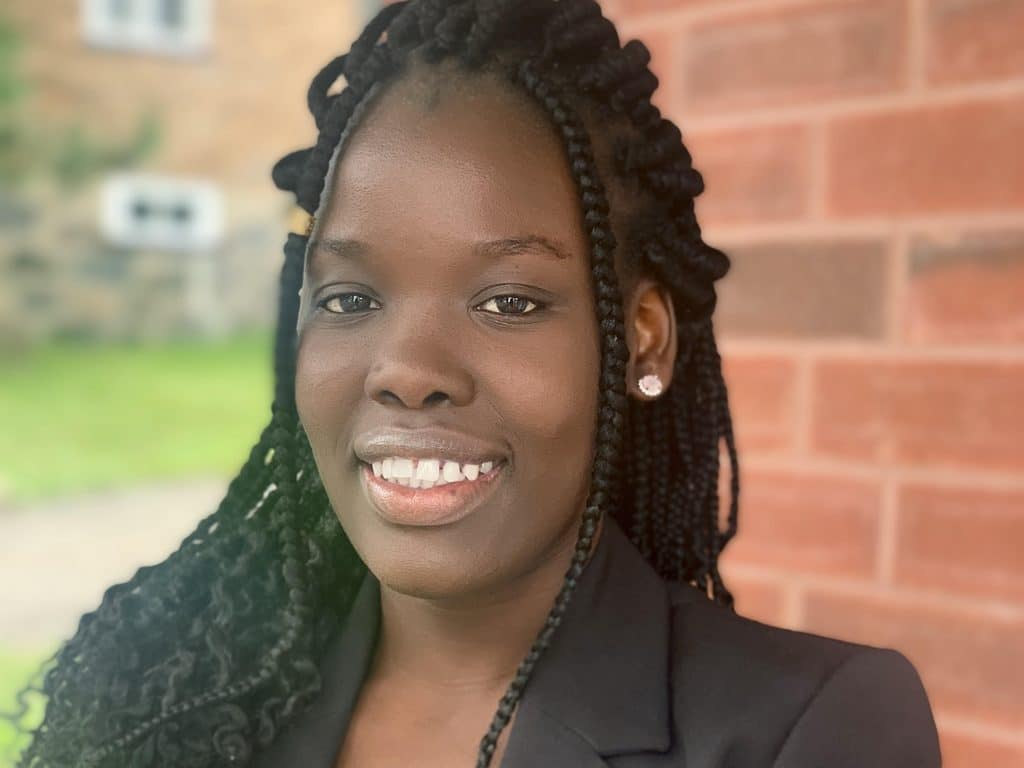
Irmine Ayihounton, a young activist from Benin, tells us about her commitment to gender equality ahead of the Generation Equality Forum, which begins on Wednesday, June 30, 2021. Irmine is a member of the West African Young Feminists Network, which, together with Equipop and Alliance Droits et Santé, is campaigning to ensure that this high-level global meeting leads to decisive state commitments to the rights of women and girls around the world.

Why is the West African Young Feminists Network mobilizing for the Generation Equality Forum?

  It is very important for us, the Network of Young Feminists of West Africa, to mobilize for the Generation Equality Forum. At this major international forum, decisions will be made for women and girls around the world. But how many women and girls, especially from West Africa, will be represented in these decision-making processes? Far too few, if any. We are young women ourselves and we are fortunate to interact with women and girls from eight countries on a daily basis: we understand the contexts and challenges they face and have relevant and transformative recommendations to offer to governments. That is why we are mobilizing to demand to be involved. It is our mission to give voice to the women and girls of West Africa and advocate on their behalf at the Generation Equality Forum. – because no one can plead our case for us. We will record the commitments that are made and follow up on them, checking that they are fulfilled. Our participation in the FGE is also an opportunity to remind everyone—especially governments—of our commitment, our motivation, the fact that we are not giving up, and that we are investing time and resources in the fight for women's rights. We have action plans and well-thought-out strategies, and governments must invest in our potential. To ensure that these action plans do not remain on the shelf, we need more funding, and sustainable funding, with flexible access terms.   

Can you give us some concrete examples of your involvement as a member of the Young Feminists Network?

First, I participated in discussions organized ahead of the FGE: Curated Discussions, spaces for debate allowing young people to express themselves and advocate on the main themes of the forum. I thus contributed to taking stock of the situation, identifying challenges, and making recommendations on topics such as the right to control one's own body, sexual and reproductive health and rights, gender-based violence, and feminist movements and leadership. The aim was to highlight how the FGE can help consolidate our achievements and address the remaining challenges in these areas. Then I had the opportunity to wear a direct appeal to the French government, members of parliament, and also to Delphine O (ambassador, secretary general of the FGE). In particular, I was able to express to the latter our concerns and recommendations regarding the involvement of the Young Feminists Network and young feminists in general, thanks to the facilitation of Equipop and on the occasion of the launch of the UNFPA annual report ("My body belongs to me").   I also contributed to the writing of the activism guide #FeministGenerations, in collaboration with Equipop, which provides young people with practical activism tips to facilitate their mobilization for gender equality within the framework of the FGE. Finally, I contributed to the drafting of the platform Supported by the network—with technical assistance from Equipop—NAME OF THE TRIBUNE, published on Wednesday, June 23, in XX media outlets in West Africa.  

What are the main messages that you and your network are conveying at the Generation Equality Forum?

  We request more funding for feminist associations, from the flexibility in granting this funding—so that it is accessible to all—and the sustainability initiatives, in order to be able to carry out projects over a sufficiently long period of time to meet the challenges of social transformation that we face. We also call on states to take measures to protect feminist activistsThe topics we address are often still taboo in certain regions. Due to a lack of understanding, people think that we are confusing women and changing norms without taking cultural contexts into account. We sometimes receive threats and are harassed on social media. French President Emmanuel Macron has referred to these protective measures as a priority, and we are now waiting to see what form they will take in practice. Fighting for women's rights should not be a source of discomfort or danger that could ultimately discourage some women from activism. Therefore, we want to that States commit to making Comprehensive Sexuality Education a priority in West AfricaWomen are not even aware that they have rights, particularly over their own bodies. They have internalized norms that relegate them to second-class status. Only by educating girls can they become aware of their rights and be able to defend them—in matters of sexuality or combating violence, for example. 

Further information

April 22, 2026

At a time when gender equality and international solidarity are under direct attack around the world, Equipop has set out to strengthen its alliances in order to take strong

April 2, 2026

Open Letter to Public Authorities, Academic Institutions, and Stakeholders Committed to the “One Health” Approach, Ahead of the One Health Summit in Lyon

March 31, 2026

Equipop has been involved in the development and monitoring of French feminist diplomacy for several years. In particular, in October 2025, we published a report on

Looking for something?