In Chad, Union RANNENDA is one of those women who turn their outrage into action. As vice president of the Chadian League for Women's Rights, she campaigns for lasting peace based on equality, social justice, and recognition of women's power. Throughout her career, she has demonstrated a deep commitment to building a society where women do not simply hope for peace, but build it, day after day. Read her story.
“From a young age, I have witnessed many situations of injustice in my environment. One of the moments that had the greatest impact on me was during my teenage years, when I saw girls around me being deprived of schooling because of early marriages, or simply because it was believed that girls' education was not a priority. This is still a widespread reality in my community.
A keen awareness of gender inequalities
These experiences had a profound effect on me. They awakened in me a keen awareness of gender inequality and violence against women and girls. My family, friends, and community played a decisive role in shaping this awareness and my commitment to the cause.
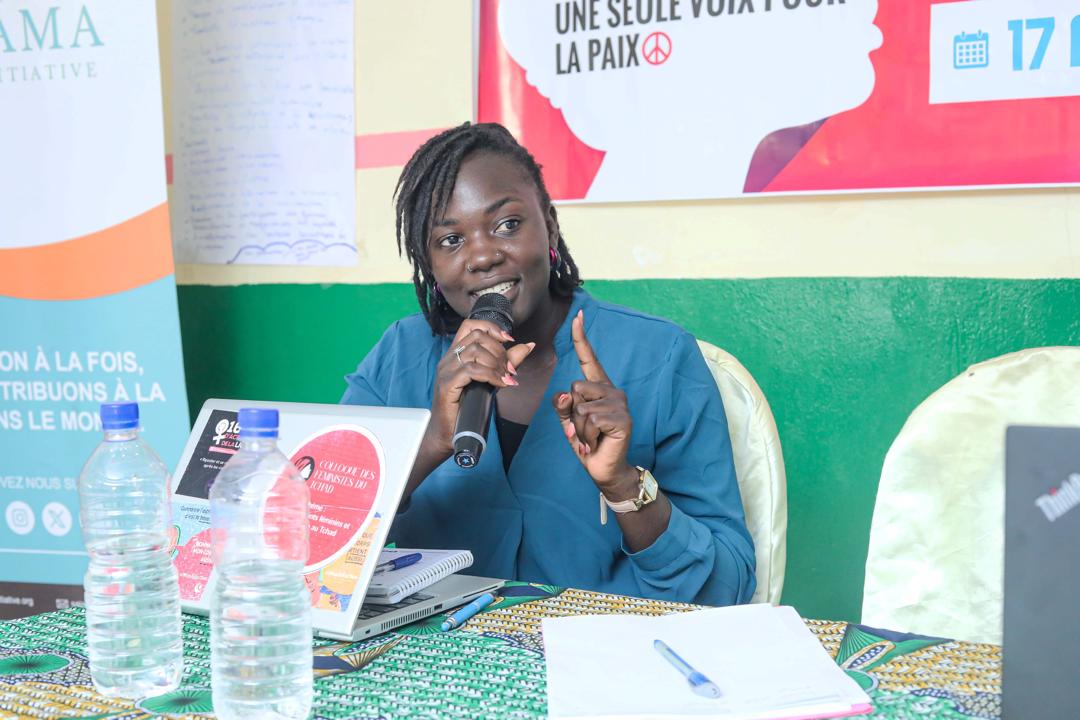
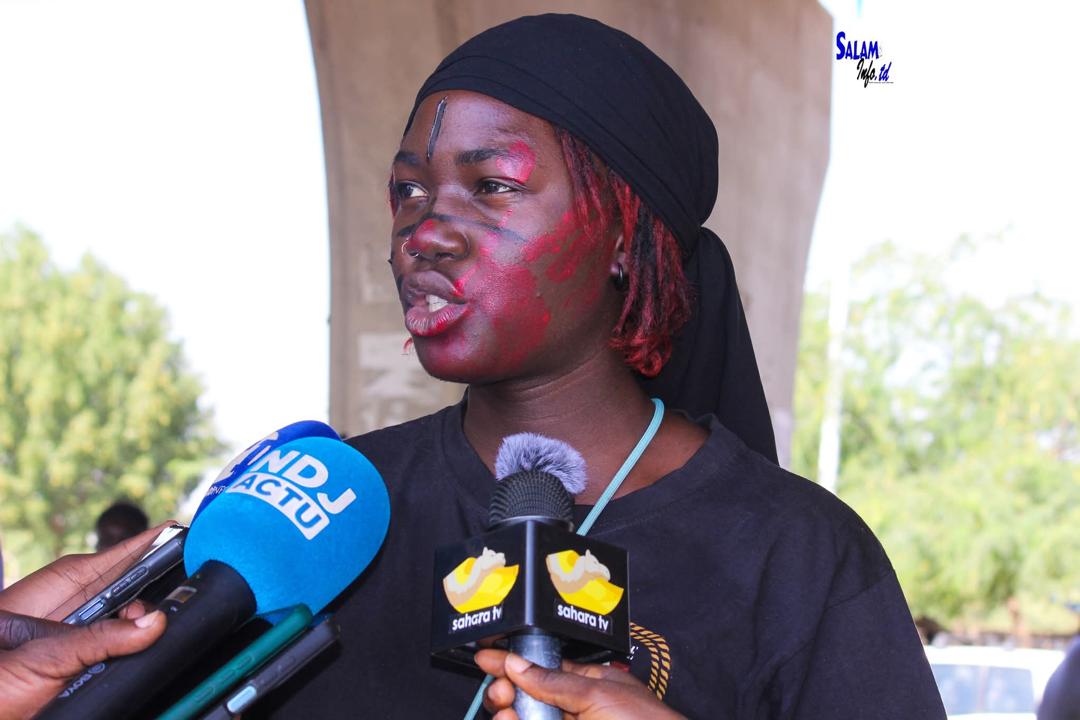
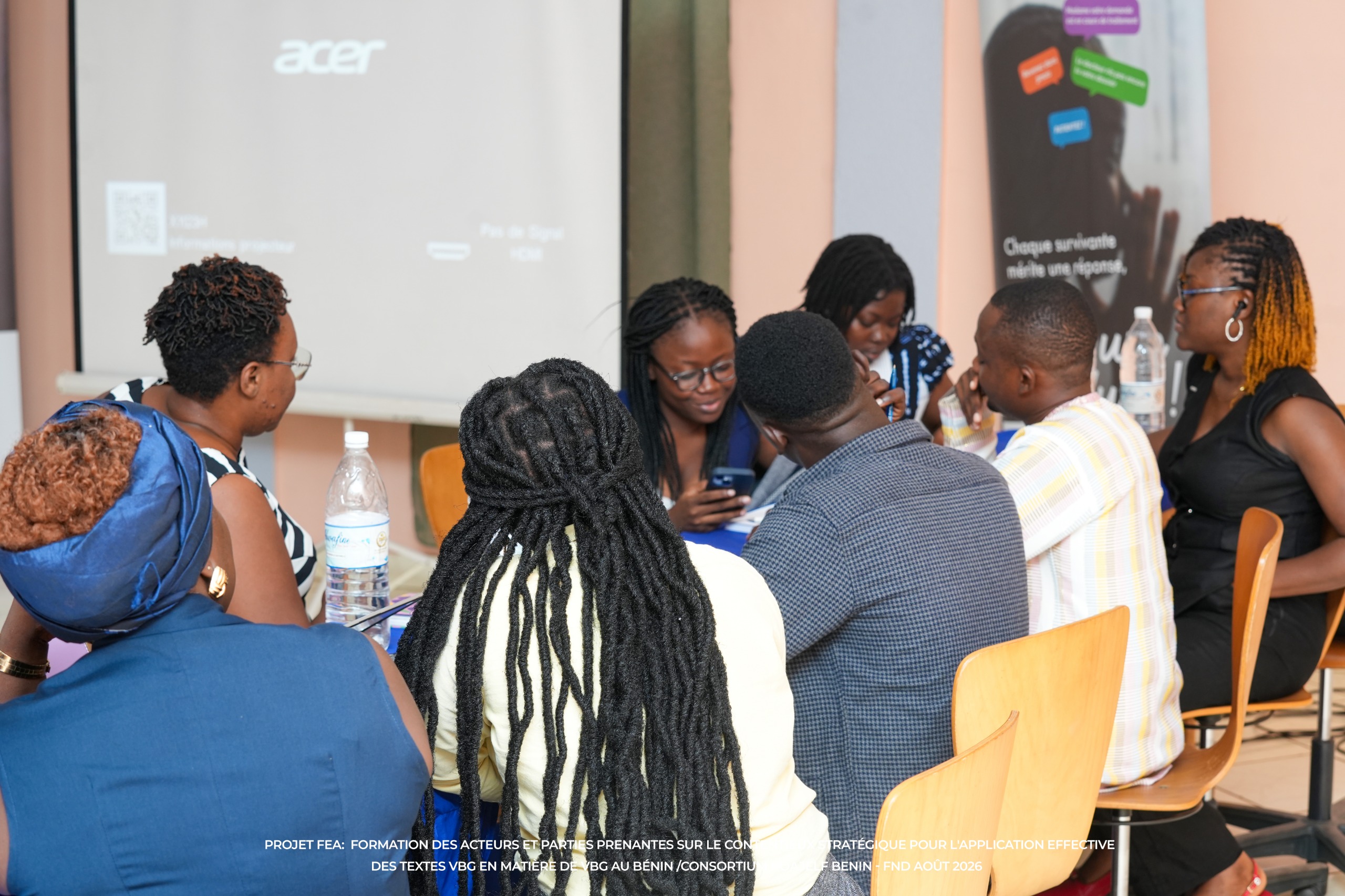
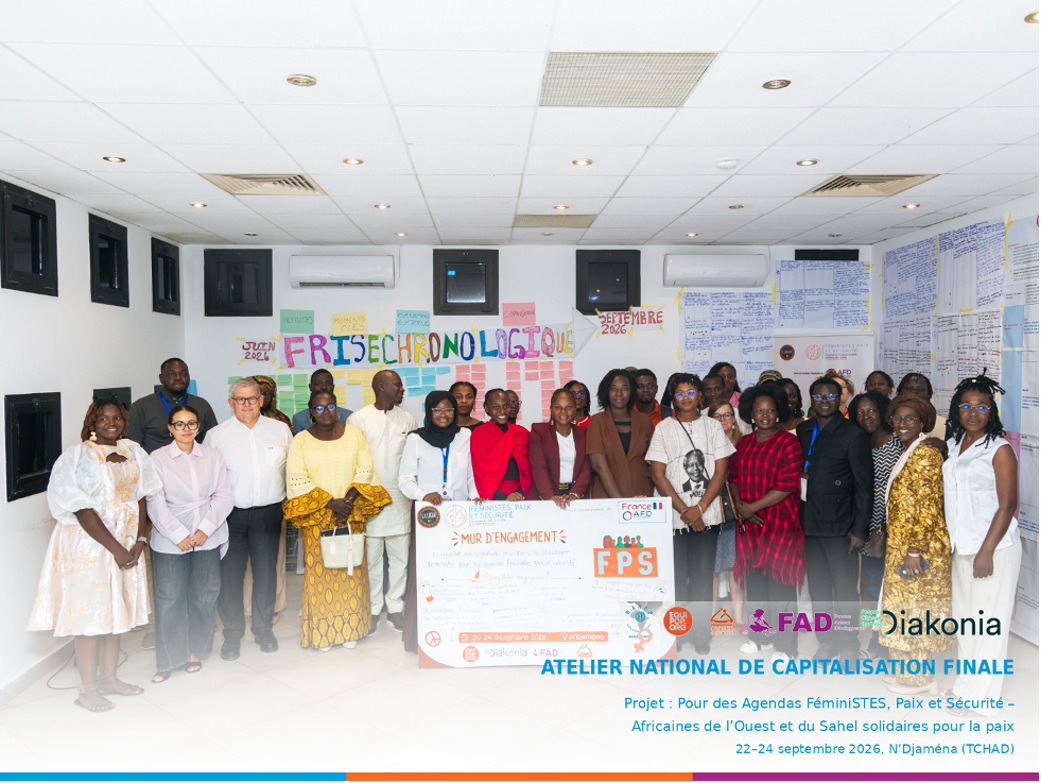
Today, I am vice president of theChadian Women's Rights League, a feminist association that fights against gender-based and sexual violence in Chad. I have participated in several meetings and forums on theWomen, Peace, and Security andYouth, Peace, and Security, where I was often invited to give my opinion on the role and involvement of women in peacebuilding processes. I also lead training sessions to help women understand the crucial role they can play in these processes and to become aware of their collective power.
One of my greatest sources of pride is having led a project to revitalize support for victims of gender-based violence in eastern Chad, a border area with Sudan. Many of the beneficiaries were women refugees who had fled the conflict. We raised awareness among around 200 women about GBV issues in crisis contexts and trained more than 50 of them in income-generating activities, the legal framework, and psychosocial care for survivors.
Our work is not easy. The patriarchal system, deeply rooted in Chadian society, makes it difficult to accept feminist values. Some of my opinions are not always well received, whether by members of my family, my community, or on social media. Added to this is the decline in funding for feminist organizations, which limits our capacity for action and influence, particularly in conflict zones.
Feminist peace is not simply the absence of war
Union RANNENDA, Vice President of the Chadian League for Women's Rights
For me, feminist peace is not simply the absence of war. It is based on the principles of feminism: equality, social justice, and recognition of women's work and power. Feminist peace seeks to transform the root causes of conflict—patriarchy, economic and social inequalities, and male domination. Without these principles, there can be no lasting peace.
In my country, women's involvement in peace processes remains insufficient. The lack of women in leadership positions in the defense forces, in mediation, or in conflict prevention limits progress. Many people, including decision-makers, are still unawareof the Women, Peace, and Security agenda and do not appreciate the importance of women's participation in peacebuilding.
My hope for the future is that one day we will be able to live in an Africa where women can fully enjoy their rights.
I deeply believe that women do not simply hope for peace: they build it every day through their actions and their courage. They are themselves artisans of peace. To all those who wish to commit themselves to contributing to change, I would say that peace cannot be decreed: it is built every day, through courage, solidarity, and justice. Change begins with oneself. Everyone can be a peacemaker by sowing peace around them—in their words, in their actions, in the way they love and act.
In the face of gender-based violence (GBV), feminist organizations are confronted daily with situations where the responses provided do not always succeed in removing the obstacles they encounter
This discussion on medical violence provided an opportunity to explore how feminist and decolonial approaches can transform healthcare practices and health policies. The challenge is to
From the increased participation of women and young people in decision-making bodies to the emergence of new spaces for feminist activism, including the strengthening of alliances to fight
To provide the best experiences, we use technologies such as cookies to store and/or access device information. Consenting to these technologies will allow us to process data such as browsing behavior or unique IDs on this site. Failure to consent or withdrawal of consent may adversely affect certain features and functions.
Functional
Always on
Storage or technical access is strictly necessary for the legitimate purpose of enabling the use of a specific service explicitly requested by the subscriber or user, or for the sole purpose of transmitting a communication over an electronic communications network.
Preferences
Storage or technical access is necessary for the legitimate purpose of storing preferences not requested by the subscriber or user.
Statistics
Storage or technical access used exclusively for statistical purposes.Storage or technical access that is used exclusively for anonymous statistical purposes. In the absence of a subpoena, voluntary compliance by your Internet service provider or additional third-party records, information stored or retrieved for this sole purpose generally cannot be used to identify you.
Marketing
Storage or technical access is necessary to create user profiles in order to send advertisements, or to track the user on a website or on several websites with similar marketing purposes.
Thanks to your support, Equipop can strengthen its efforts with grassroots organizations to defend the rights of women and minorities around the world.