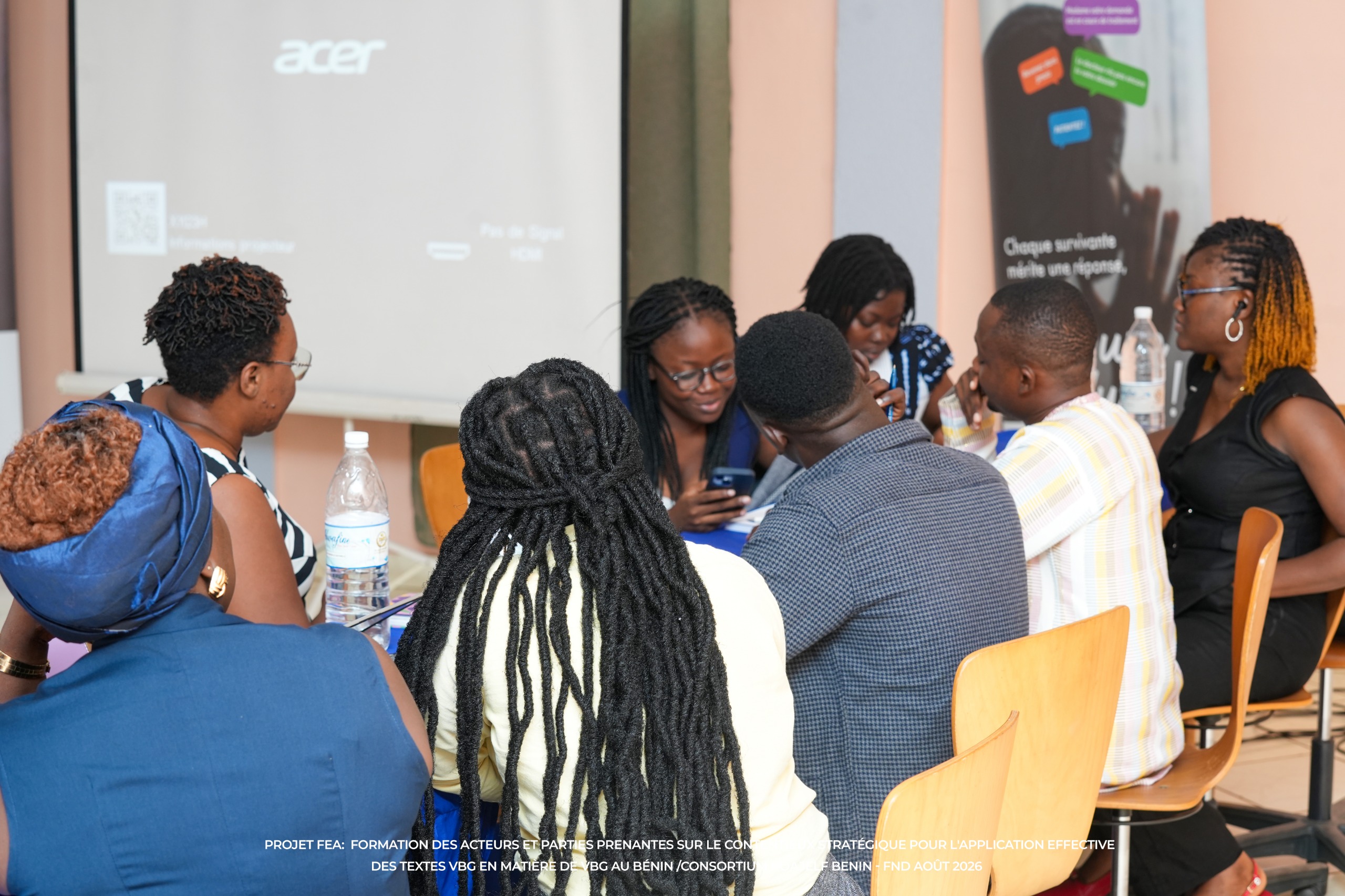
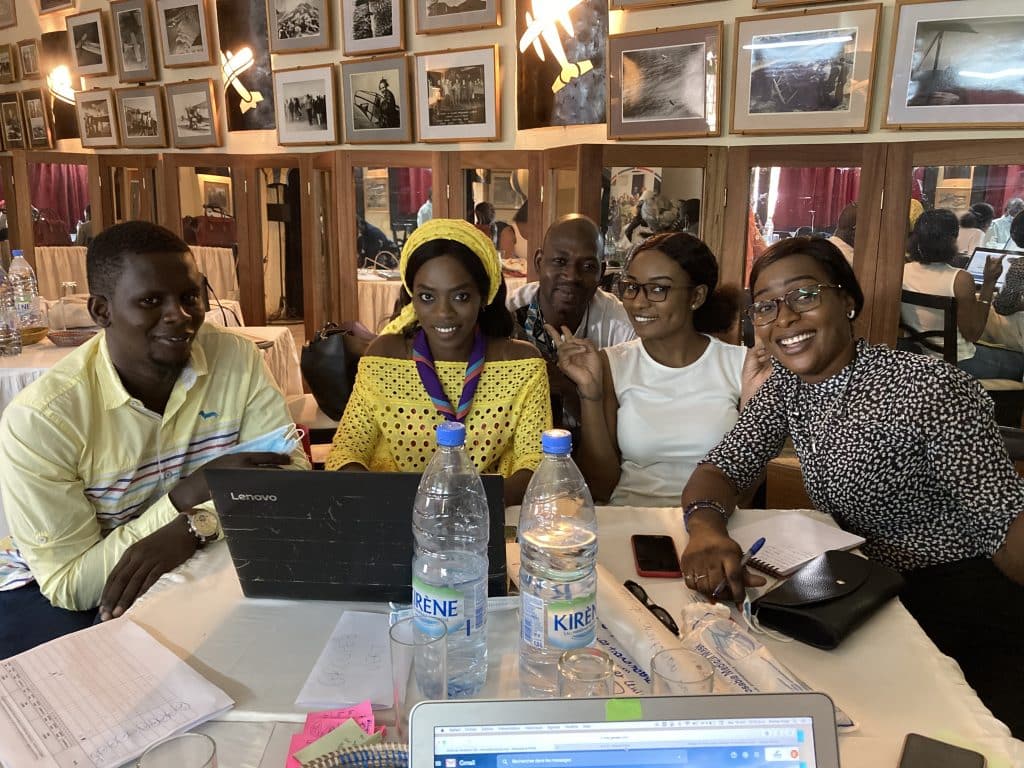
Saint-Louis is the starting point for a creative tour of Senegal featuring three hackathons. Several members of the community—the private sector, youth and women's associations, local authorities, and the medical community—came together for 48 hours to incubate projects on various topics related to adolescent and youth SRHR.
Thanks to these three hackathons, which took place in Saint-Louis, Kédougou, Dakar, and Thiès, 13 projects were incubated to improve information, awareness, and care for the needs of adolescents and young people. To achieve this, a map highlighting the specific characteristics and needs of the region was presented prior to the brainstorming and design activities to facilitate the incubation of these projects.
[blockquote text=""Young people's sexuality continues to be a taboo subject, so we need religious leaders to get properly involved." Kédougou Medical Region" text_color="#f7461c"][blockquote text="We need to get young people fully involved and make sure they have the right information," Chief Medical Officer for the Kédougou region, text_color="#f7461c"]The various stakeholders therefore focused on issues such as the rehabilitation of teen counseling centers, early pregnancy, capacity building for teens and young people, etc. Based on their knowledge and mapping, they developed projects that met the specific needs of young people, especially since the latter were involved in their design. These projects were then presented in the form of pitches to a jury composed of members of the consortium (NGOs RAES, JED, RSJ), which selected the best projects.
On the way to Saint-Louis....
In Saint-Louis, the first project that caught the jury's attention was called "Thielal Soukaber é Ngalu Thi communune bou Diama," which translates to "Reproductive health for adolescents and young people in the municipality of Diama." Diama is a predominantly Pular agricultural area, where most adolescents and young people, despite being educated, have difficulty finding employment and accessing information on reproductive health. During the development of the project, the Diama town hall, which was part of the creative group, committed to granting 2 hectares to the project, and the private sector committed to providing the center with agricultural equipment.
[vc_gallery interval= »3″ images= »32844,32843,32845″ img_size= »medium »]Added to this is the glaring lack of infrastructure capable of accommodating, informing, and educating adolescents and young people about reproductive health. To address this shortfall, a project combines agricultural training to improve the professional integration of adolescents and young people with SRHR through the creation of a multipurpose, multifunctional center. As a result, young people will have a dedicated space where they can learn agricultural techniques and obtain information on SR without being stigmatized, with the support of service providers who are sensitive to the needs of young people.
…Passing through Kédougou…
In Kédougou, the best project incubated is called "Cellal Sukabé," a name in Pular that means "Youth Health." Kédougou is a gold-mining area, predominantly Peulh. The region faces challenges related to marriage, early pregnancy, and a lack of information on sexual and reproductive health, since the sexuality of adolescents and young people, particularly those who are unmarried, is taboo, as it is in the rest of the country.
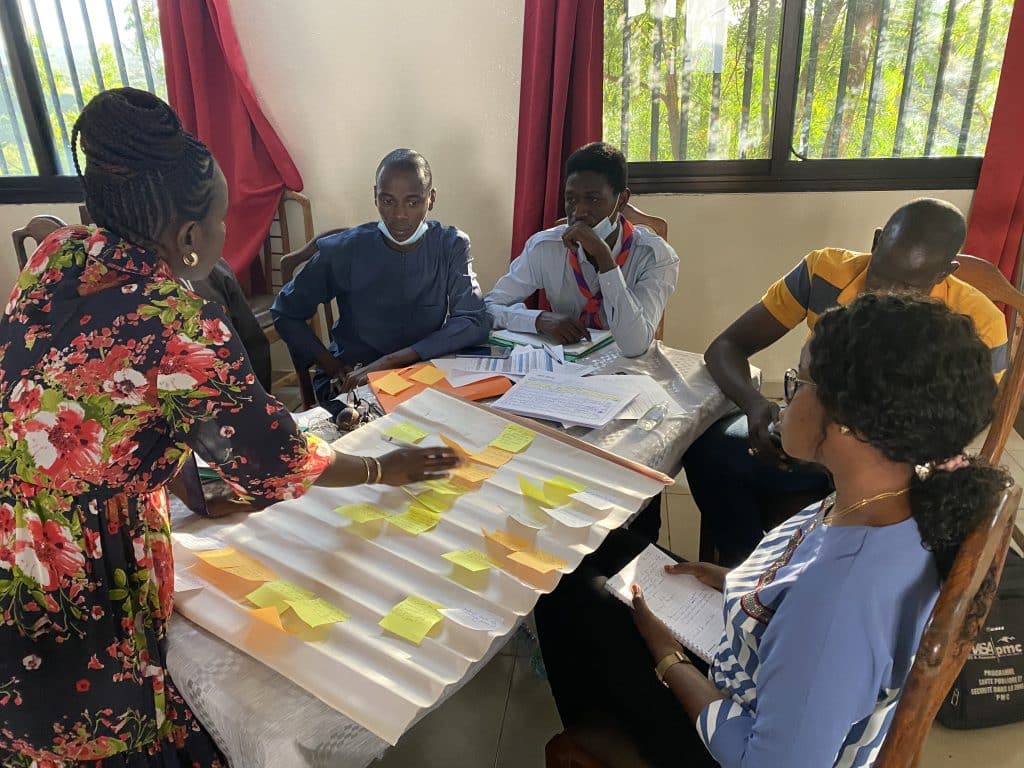
The project aims to contribute to improving adolescents'/young people's knowledge of SR through capacity-building, awareness-raising, and advocacy activities, in particular to inform young people about the benefits of these centers for their health. They will thus be able to access renovated and equipped youth-friendly spaces that meet their needs.
…Finally Dakar
In Dakar, the "Tektal" project, a Wolof word meaning "to guide," was selected. This project addresses issues related to menstrual hygiene, early pregnancy, and drug addiction through capacity-building activities for adolescents and young people and service providers, as well as information and awareness-raising activities.
Although these three projects were the first in their regions, the other groups did not disappoint.
The participation of various community members, particularly local authorities and the private sector, in project development not only facilitated advocacy and ownership of barriers to young people's access to SRHR, but also raised awareness among stakeholders of the importance of mobilizing local resources to better address the SRH needs of young people. This strategy has made it possible to mobilize 31 million CFA francs through contributions from different territories and the private sector.