To provide the best experiences, we use technologies such as cookies to store and/or access device information. Consenting to these technologies will allow us to process data such as browsing behavior or unique IDs on this site. Failure to consent or withdrawal of consent may adversely affect certain features and functions.
Storage or technical access is strictly necessary for the legitimate purpose of enabling the use of a specific service explicitly requested by the subscriber or user, or for the sole purpose of transmitting a communication over an electronic communications network.
Storage or technical access is necessary for the legitimate purpose of storing preferences not requested by the subscriber or user.
Storage or technical access used exclusively for statistical purposes.
Storage or technical access that is used exclusively for anonymous statistical purposes. In the absence of a subpoena, voluntary compliance by your Internet service provider or additional third-party records, information stored or retrieved for this sole purpose generally cannot be used to identify you.
Storage or technical access is necessary to create user profiles in order to send advertisements, or to track the user on a website or on several websites with similar marketing purposes.


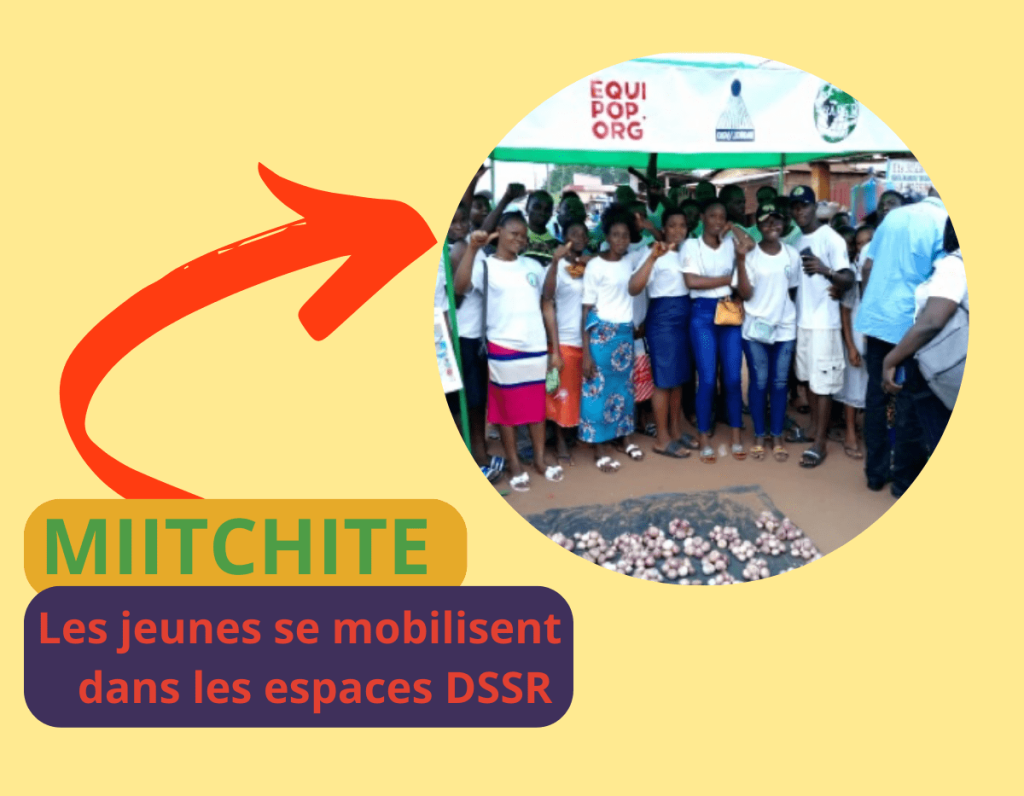
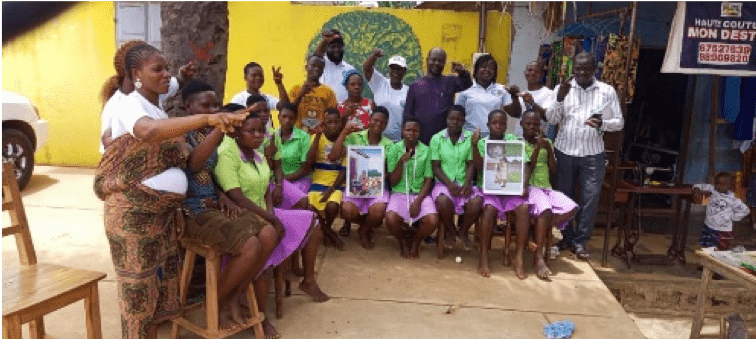 What makes this project unique is that young people aged 15 to 24 are at the forefront, speaking out and demanding their rights in terms of sexual and reproductive health. They are supported by religious leaders who are committed to and trained in a human rights-based approach. These young people have spoken out in their communities, workshops, schools, and markets after receiving training on SRHR issues.
They appealed to politicians (mayors, prefects, members of the departmental administrative conference, health workers, religious leaders, opinion leaders, etc.) for financial support to continue promoting the activities of the MIITCHITE project so as not to halt the process that has been started to create an environment conducive to SRHR. Today, adolescents and young people in the ADD health zone are saying NO to harmful practices and socio-cultural and religious influences that do not promote young people's access to their rights.
What makes this project unique is that young people aged 15 to 24 are at the forefront, speaking out and demanding their rights in terms of sexual and reproductive health. They are supported by religious leaders who are committed to and trained in a human rights-based approach. These young people have spoken out in their communities, workshops, schools, and markets after receiving training on SRHR issues.
They appealed to politicians (mayors, prefects, members of the departmental administrative conference, health workers, religious leaders, opinion leaders, etc.) for financial support to continue promoting the activities of the MIITCHITE project so as not to halt the process that has been started to create an environment conducive to SRHR. Today, adolescents and young people in the ADD health zone are saying NO to harmful practices and socio-cultural and religious influences that do not promote young people's access to their rights.