Launched in early 2022, the Feminists in Action (FEA) project was led by CARE France, Equipop, Oxfam France, the Fund for Women in the Mediterranean (FFMed), the Fund for Francophone Women (XOESE), and the Pananetugri Initiative for Women's Well-being (IPBF). It was completed in April 2025, after three years of working alongside feminist movements. Funded by the Feminist Organizations Support Fund (FSOF), the project enabled more than 200 feminist organizations in 30 countries in the Global South to strengthen their capacities and make their voices heard on a larger scale. Among these organizations is Jeunes Filles Actrices de Développement (JFAD), based in Benin. Its president, Chanceline Mevowanou, looks back on the progress made possible by Feminists in Action.
What is the Feminists in Action project? This project was implemented by a consortium of three NGOs and three feminist funds as part of the French government's Feminist Organizations Support Fund (FSOF). The program supported feminist organizations in several regions of the world, including Africa, Latin America, and the Middle East. The project offered not only flexible and feminist funding, but also enhanced support for project implementation, institutional strengthening of beneficiary organizations, and the mobilization of new resources. It also promoted networking and synergies between organizations, both nationally and internationally.
"Our organization has reached a decisive milestone by securing significant funding for the first time."
In concrete terms, what has it enabled you to put in place?
Thanks to the Feminists in Action project, our organization reached a decisive milestone by securing significant funding for the first time. This enabled us to pay staff salaries for a year, set up a comprehensive feminist training program, and purchase basic equipment such as computers, internet connections, and communication tools. These investments strengthened the association's operational capacity and visibility. Above all, it has enabled us to demonstrate our ability to manage significant resources—an essential condition for obtaining further funding—but also to structure our organization and activities in a sustainable manner.
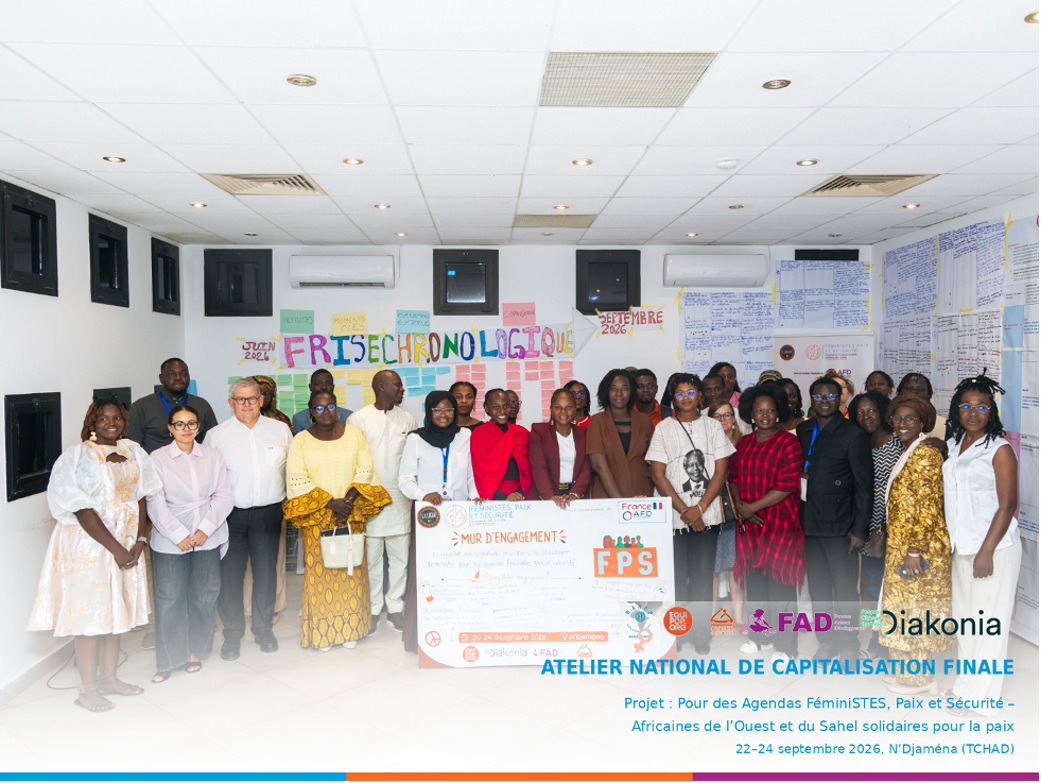
We were able to meet and exchange ideas with other feminist organizations supported by the project, in Benin and at regional meetings. These exchanges allowed us to share our actions, discover inspiring practices, and strengthen our approaches through a variety of experiences. Among these collaborations, feminist leagues in Benin, Côte d'Ivoire, and Niger conducted a joint advocacy campaign to institutionalize data collection on gender-based violence. This work was launched as part of an incubation lab, promoting solidarity. The project was also part of the dynamic of the "Count for All" campaign, led by French-speaking African feminists.
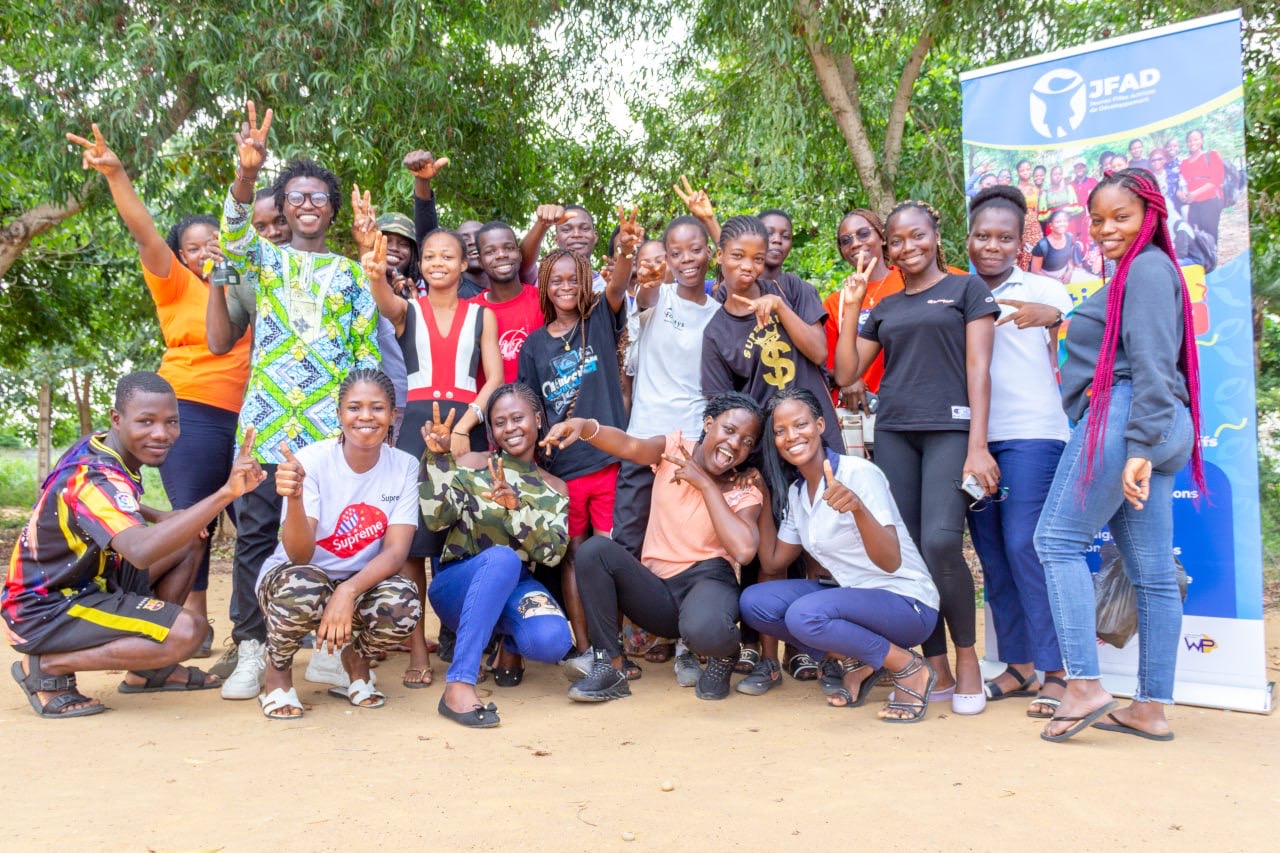 International advocacy trips have provided valuable opportunities to meet and exchange ideas with feminists from other countries, particularly Latin America and Tunisia. These moments have been a source of inspiration and learning, and have opened up prospects for future collaboration. On a personal level, they allowed me to break out of isolation by discovering that other activists are experiencing the same realities: the erosion of rights, the rise of conservatism, and violence. These exchanges gave me renewed strength and hope, reinforcing my sense of belonging to a global resistance movement.
"If anti-rights movements are gaining strength, it is also because feminist movements are gaining impact and visibility. This shows that feminist struggles are bearing fruit, and that it is crucial to continue to resist, together."
Why is this international development aid important for feminist organizations such as yours? International funding is essential to us, because at the national level, there is almost no support. Without these funds from abroad, we would be in a total financial desert, especially with our radical feminist position, which often excludes any collaboration with public institutions. These funds enable us to take concrete action, to advocate for national funding, and prove that our situation is not inevitable.
Unlike traditional funding, feminist funding recognizes activist work, takes into account the well-being of activists and the risks we face, such as online violence. Without this international support, it would be impossible to sustainably strengthen feminist movements in our countries, which often face hostile environments."Without these funds from abroad, we would be in a total financial desert, especially with our radical feminist position, which often excludes any collaboration with public institutions."
What are your concerns and hopes for the future of women in Benin?
I am concerned because women's rights are under attack by conservative forces, such as certain churches in Benin that oppose sexual and reproductive health rights, and masculinist groups that unfortunately hold decision-making positions. With the 2026 general elections coming up, I am even more concerned that if people who oppose progressive values come to power, recent laws—on the criminalization of rape or access to abortion—will be challenged or even repealed. This is especially true given that, for the moment, according to my observations and analysis, the issue of women's rights does not feature concretely in any political agenda.
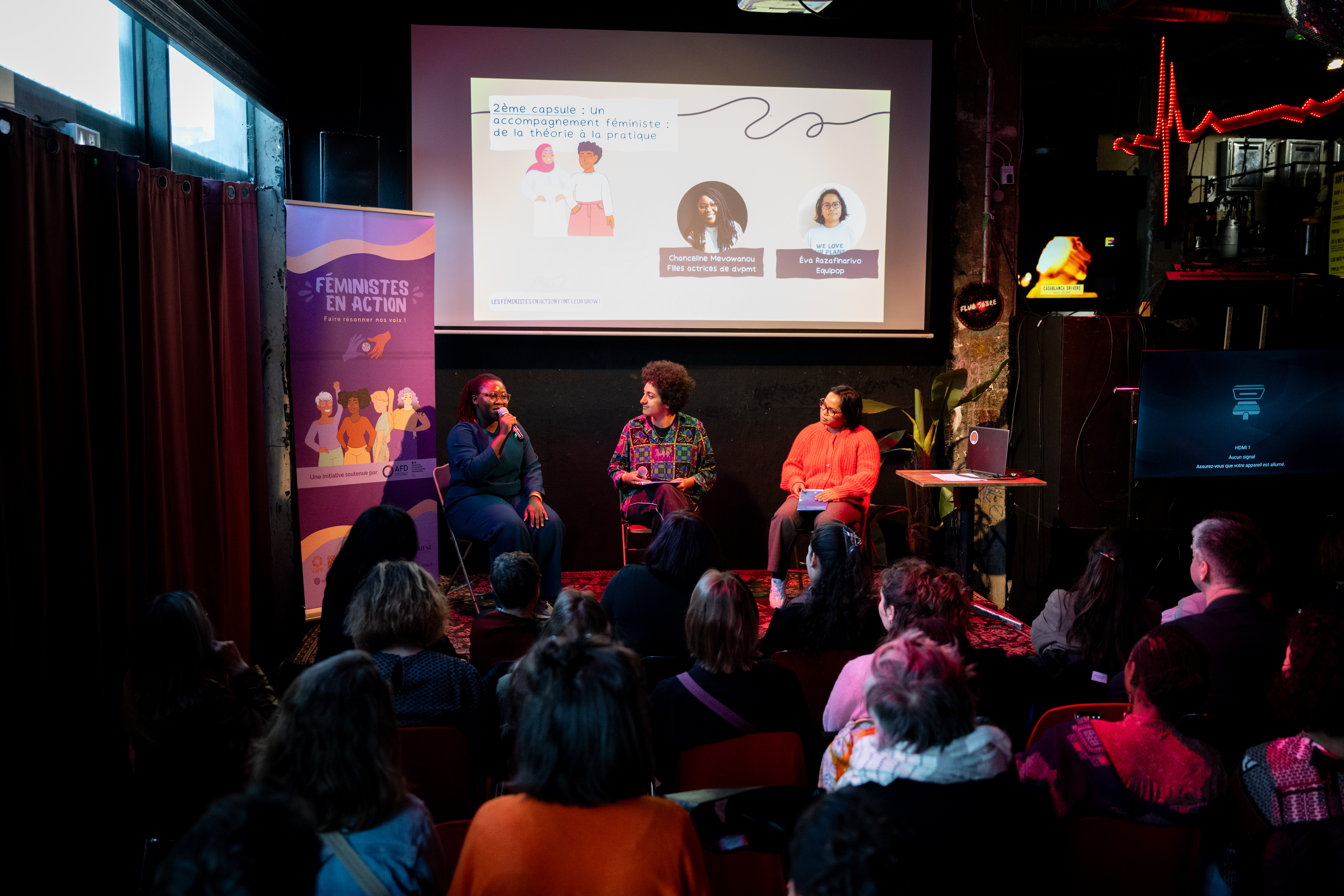 I am also concerned about the increasing repression of citizen and feminist protests, which limits the freedom to fight for social justice. Civic space is shrinking, but I remain very hopeful when I see the resistance of feminist movements.
I therefore call on our allies—organizations, donors, committed governments—to support us not only financially, but also politically, by backing our advocacy efforts with the authorities. May the feminist movement continue its fight, with greater resources, in safety and dignity."I was able to talk with other feminists from around the world, and our shared conviction is clear: we must continue to resist, but we need resources."