Female genital mutilation (FGM) is unique in that it is deeply rooted in the traditions of the communities that practice it. ItOnly through long-term efforts to raise awareness and challenge the foundations of FGM can lasting behavioral change be achieved.
FGM is a social norm in communities living in nearly 30 countries in Africa, Asia, and the Near and Middle East. It is often mistakenly associated with a religious obligation. Despite laws prohibiting and punishing FGM, the practice has not completely disappeared. It is still regularly defended by women, men, and religious leaders in Europe and around the world. Social media is now the preferred means used by the most vocal advocates to justify and perpetuate the practice of FGM. It is through long-term awareness-raising and questioning the foundations of FGM that we can achieve lasting change in behavior.
The objective of the Let's CHANGE project is to develop, implement, and disseminate an innovative approach to changing behavior towards SFIs. It aims to:
✔ Raise awareness of the physical and psychological consequences of the practice;
✔ Promote sustainable behavioral change among women and men from communities that traditionally practice FGM and live in the European Union.
"The subject of MSF is taboo. You have to be very sensitive and learn how to deal with resistance" –Dieynaba, trainer at Equipop.
Let’s CHANGE places the individuals and communities affected at the heart of promoting the sustainable abandonment of FGM. The project offers a genuine pathway to empowerment for those affected, transforming them from victims or witnesses into experts on the subject and on gender-based violence.
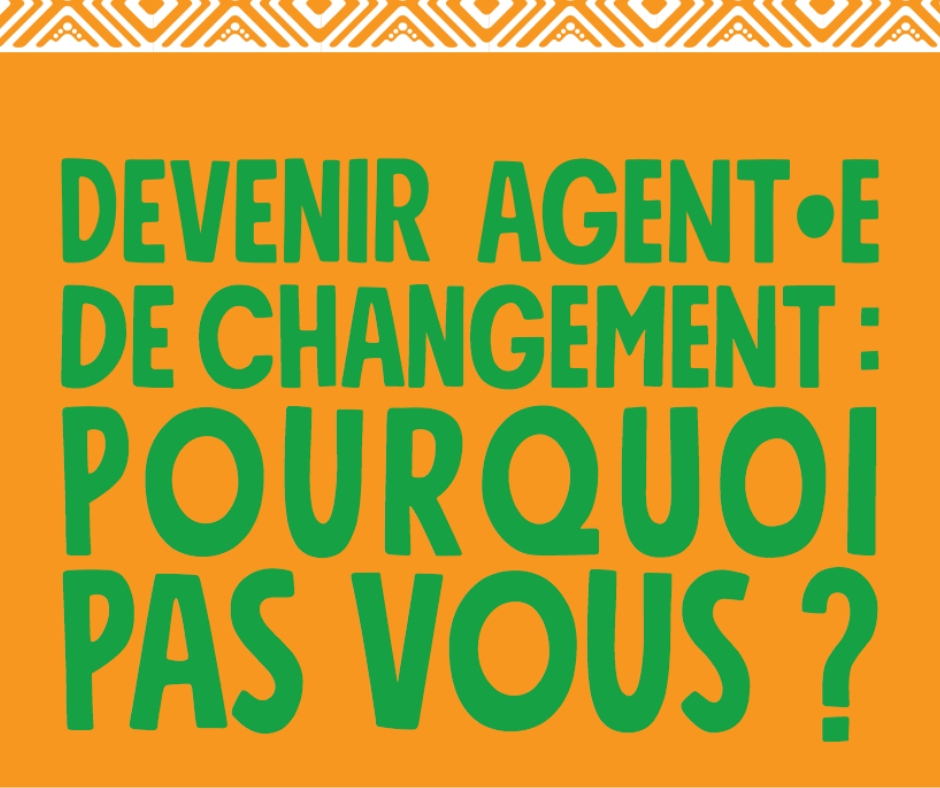
After two project phases in which Equipop was involved, we drew up a profile of the Change Agents for the eradication of FGM in Europe and their methods of intervention. The brochure "Become an Agent of Change, why not you?", aimed at future participants, provides information on the criteria for participating in this project, with an emphasis on commitment to gender equality, the benefits of the program for their personal and professional development, their missions, and the organization of awareness-raising workshops.
In July 2019, the Weekly Epidemiological Bulletin* announced that the number of women affected by female genital mutilation in France had doubled, reaching 125,000 today. This increase is due to the feminization of the latest waves of immigration and the aging of second generations who were not taken into account in the last study, which dates back to 2007.
This situation requires associations and decision-makers to strengthen prevention initiatives such as Let’s CHANGE, as well as protection and care measures.
If you are interested in the project and would like to become a Change Agent, please contact:
IN GERMANY:
Terre des femmes – Menschenrechte für die Frau e. V. +49 (0)30 40 50 46 99 0 change@frauenrechte.de
Plan International +49 (0)40 611 40 – 0 info@plan.de
IN FRANCE:
Equipop / Equilibres & Populations +33 (0) 1 74 01 71 24 info@equipop.org
IN THE NETHERLANDS:
FSAN (Federatie van Somalische Associaties in Nederland) +31(0)20 – 486 16 28 info@fsan.nl