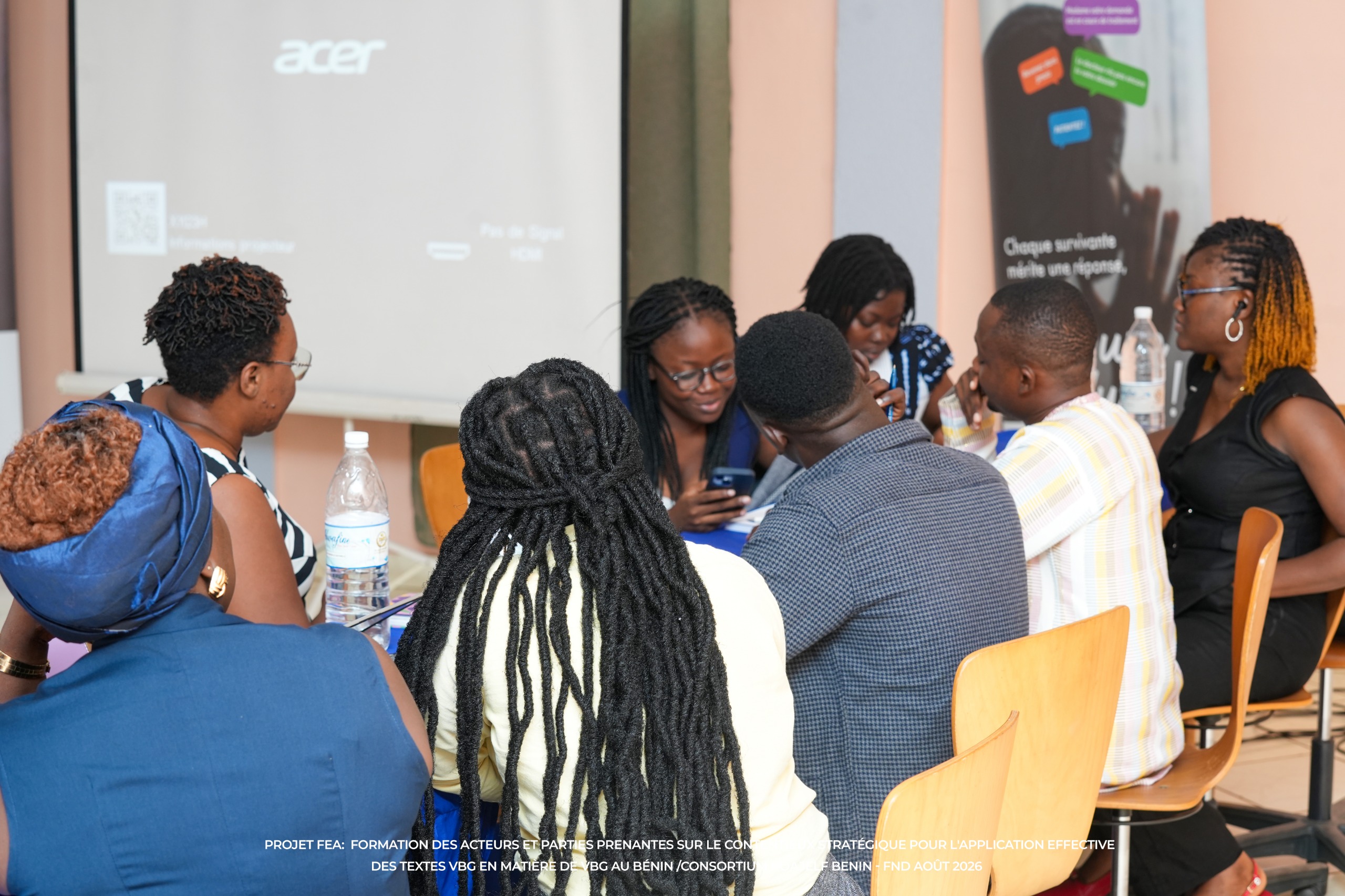

As part of the Feminists in Action project, a delegation of seven African feminist activists traveled to Paris from January 23 to 27 to advocate on behalf of feminist movements in the Global South.
For five days, Adeline NEGOB (Association for Women's Empowerment, Chad), Dieynaba N'DIOM (Initiative for Reproductive Health, Mauritania), Mamounata KI/OUEDRAOGO (Network for the Promotion and Empowerment of Rural Women, Burkina Faso), Marie-Paule OKRI (Ivorian League for Women's Rights, Ivory Coast), Najet AARI (Tunisian Association of Democratic Women, Tunisia), Rolande ABSAYAH (Association au secours des Filles Mères, Cameroon) and Totine KOLANI (Women's Initiative for Development, Togo) held a series of meetings with French decision-makers. They were able to convey their messages and share their experiences as feminist organizations with, among others, Ms. Isabelle ROME, Minister for Gender Equality, Diversity, and Equal Opportunities; members of the Senate delegation for women's rights and equal opportunities between men and women; Marie-Hélène LOISON, Deputy Director General of the AFD; and Raphaël DANG, Advisor to the Minister for Europe and Foreign Affairs.
The realities of feminist organizations and access to funding at the heart of discussions
African feminist activists seized the opportunity of these meetings to share the current challenges in their countries regarding women's rights: protecting acquired rights in the face of backlash and rising conservatism, impunity for perpetrators of violence linked to the non-enforcement of existing laws on gender-based violence, etc. It was an opportunity to engage in dialogue on France's feminist foreign policy and how it can encourage the countries with which it cooperates to enforce laws relating to women's rights.
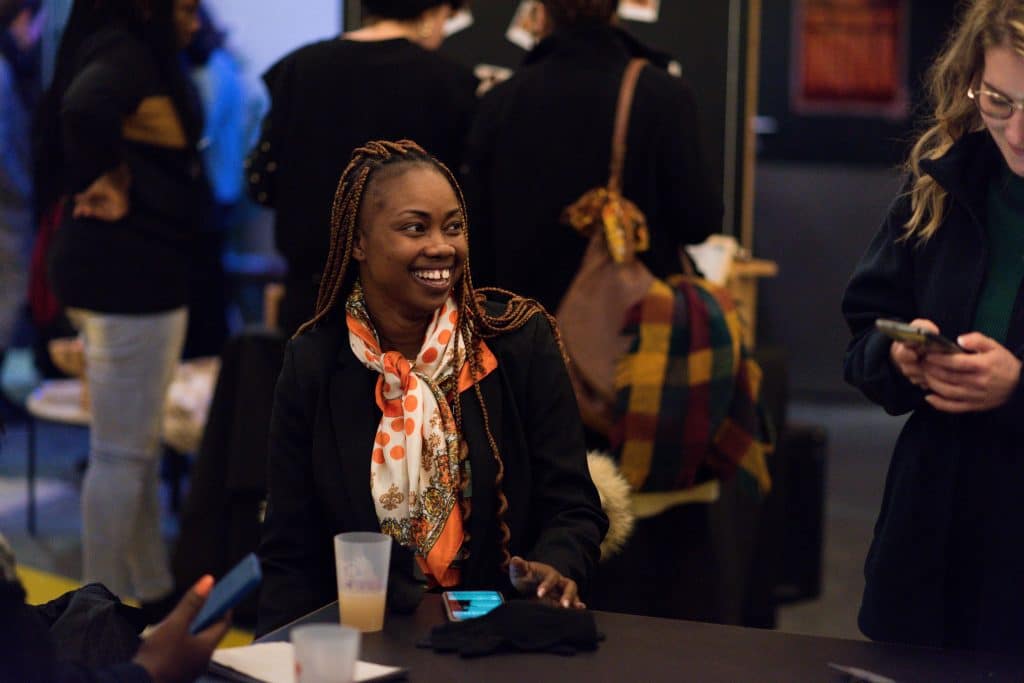
The importance of mobilizing more funding for feminist organizations was the central message conveyed by feminists during these meetings. This increase in funding is key for organizations to enable them to meet the many challenges they face. To carry out their actions, organizations mobilize teams of volunteers, making it difficult to monitor activities and the changes initiated. The issue of professionalizing these organizations through stable and dedicated human resources is therefore key. This inevitably requires budgets that take these human resources into account. Not to mention the need to relax the conditions for accessing funding. These tend to limit access to funding for "small" organizations (those with an annual budget of less than $30,000), even though these "small" organizations represent almost half of all feminist organizations in the Global South, according to the Association for Women's Rights in Development (AWID)[1]. Another point raised was the importance of considering measures to ensure the safety of feminist activists, whose positions can sometimes lead to death threats. [1] Where is the money for feminist movement organizations? 2021
[vc_video link= »https://youtu.be/10FxzbutWCk » align= »center »]
A successful first meeting that must now be translated into concrete actions
At the end of this week of advocacy, the prevailing feeling among the delegation was that they had been heard. This first series of meetings is only the beginning. Each of the feminists and organizations is determined to continue working within their own countries to translate these meetings into concrete actions in support of feminist movements in the Global South: communicating with embassies, advocating for the creation of a label certifying organizations' professionalism in budget management to facilitate feminist organizations' access to other funds, and more. This is a comprehensive program to enable feminists to continue their mobilization and transformative actions for more just societies.
Photos: Juliette Dupuis Carle