In October 2025, Namibia hosted a momentous occasion steeped in history and commitment: the celebrations marking the 25th anniversary of United Nations Resolution 1325 on Women, Peace, and Security. Adopted unanimously in 2000 under Namibia's presidency of the Security Council, this resolution marked a major turning point by recognizing the essential role of women in conflict prevention, peacebuilding, and post-conflict reconstruction.
A quarter of a century later, this gathering co-organized by the African Union and the Southern African Development Community (SADC) was not just a commemoration: it provided a collective space for reflection, learning, and looking ahead to the coming decades.
Undeniable progress, but persistent challenges
The African continent can boast significant progress in implementing the Women, Peace and Security (WPS) agenda. Today, 34 African Union member states have a National Action Plan, and six regional economic communities have developed regional plans, representing the continent's undeniable leadership on the agenda. Despite these advances, women and young people remain underrepresented in peace processes. Current conflicts, from Sudan to Gaza, from the Sahel to the DRC, remind us of the urgent need to fundamentally rethink our models of security and peace.
The persistence of militarism, climate and economic crises, disinformation, and digital violence further complicate the dynamics of peace. These challenges highlight one reality: peace cannot be sustainable without transforming the patriarchal and security systems that perpetuate inequality and violence. Justice and stability will not be achieved by adding women to unchanged structures, but by transforming those structures themselves.
Windhoek FPS+25: a turning point for the African agenda
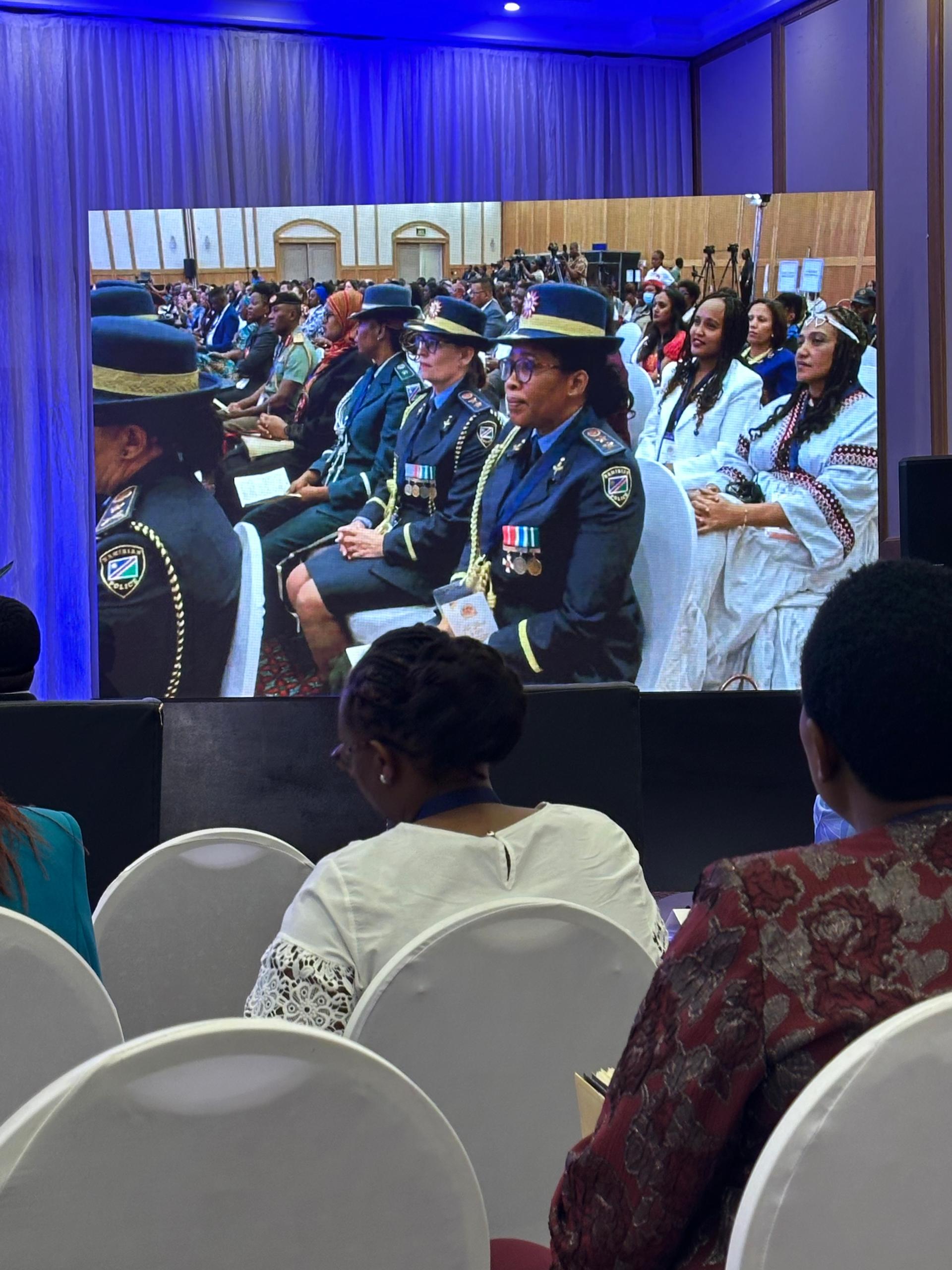
Over three days, celebrations in Windhoek brought together politicians, young leaders and feminists, civil society networks, and representatives of international institutions.
The President of the Republic of Namibia, Dr. Netumbo Nandi-Ndaitwah, opened the ceremony by recalling that:
“Peace is not only the absence of war, but also the presence of cooperation and respect for human dignity.”
The African Union Special Envoy for Women, Peace, and Security, Liberata Mulamula, recalled the historical roots of the resolution and the importance of reaffirming the centrality of African women's leadership in peacebuilding.
The discussions highlighted the link between the Women, Peace, and Security (WPS) and Youth, Peace, and Security (YPS) agendas, emphasizing the need for intergenerational dialogue and meaningful participation by young women. The discussions concluded with the adoption of the Windhoek WPS+25 Declaration, a collective roadmap for the next 25 years.
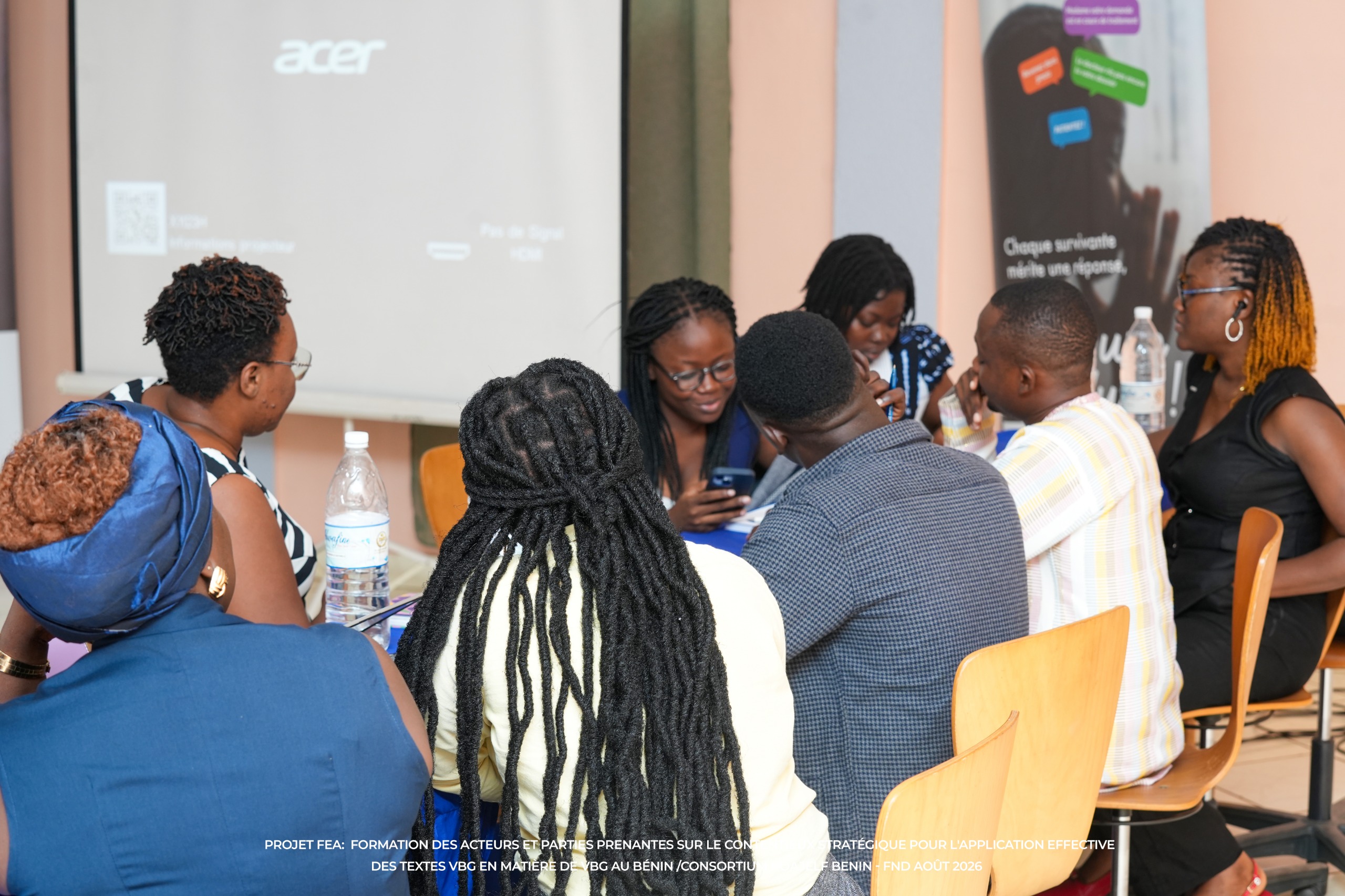
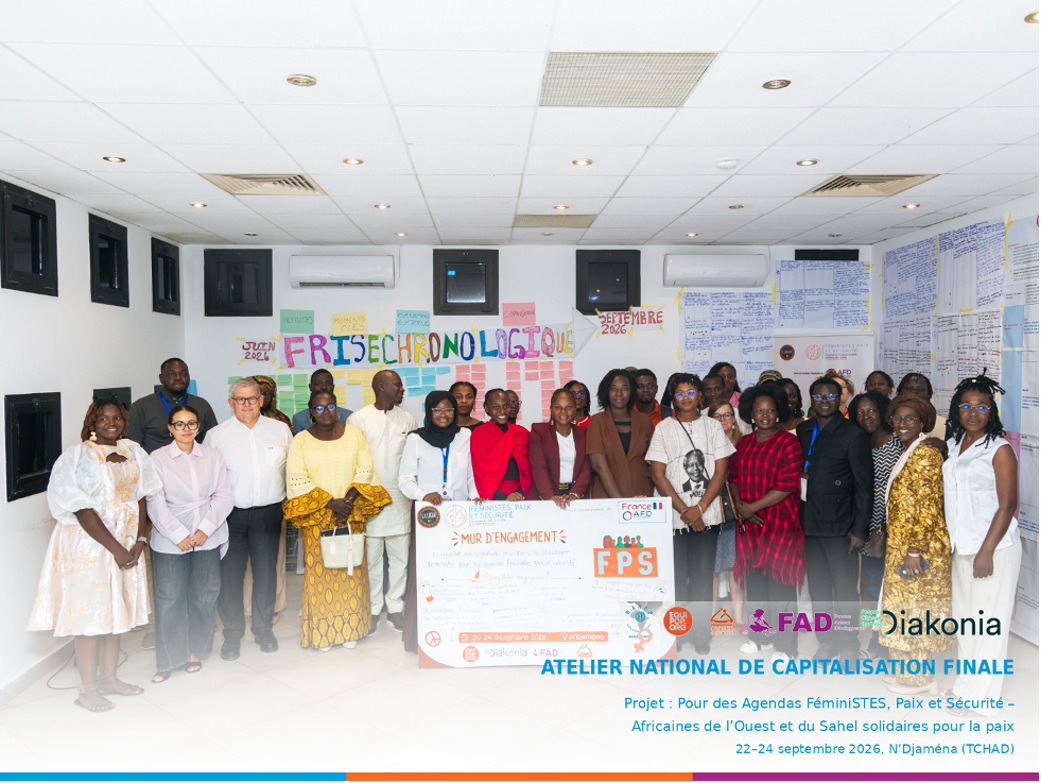
Through the project "For Feminist, Peace, and Security Agendas," we were present with some of our feminist partners for these celebrations, carrying strong messages: thinking synergistically about the FPS and JPS agendas. Peace, and Security," we were present with some of our feminist partners for these celebrations, carrying strong messages: thinking synergistically about the FPS and JPS agendas to guarantee a real place for young women, thinking beyond the performative inclusion of women at decision-making tables and seeking to transform systems with the help of feminist thinking.
What now?
This 25th anniversary marks a decisive milestone. It is no longer just a question of measuring the progress made, but of redefining the Women, Peace and Security agenda so that it responds to current challenges, from persistent militarization to violent extremism, the rise of conservatism, and the surge in political, health, and even climate crises.
Together with the consortium and project partners, we leave Windhoek with a renewed conviction: to firmly establish the prospect of feminist and transformative peace at the heart of policies and practices in the coming years; a peace driven by a desire to effectively involve and protect women, girls, and young people, who are the main targets and victims of violence. The next 25 years of Resolution 1325 oblige us to go further: to think about peace differently, based on the experiences, struggles, and endogenous knowledge of African women.