Ahead of the major international gathering Generation Equality Forum, which will take place from July 7 to 10, 2020, in France, Equipop organized a meeting between French journalists and its partners in Senegal. This will give the general public an opportunity to learn about the actions being taken in the country to promote sexual and reproductive health and rights (SRHR), particularly among young people.
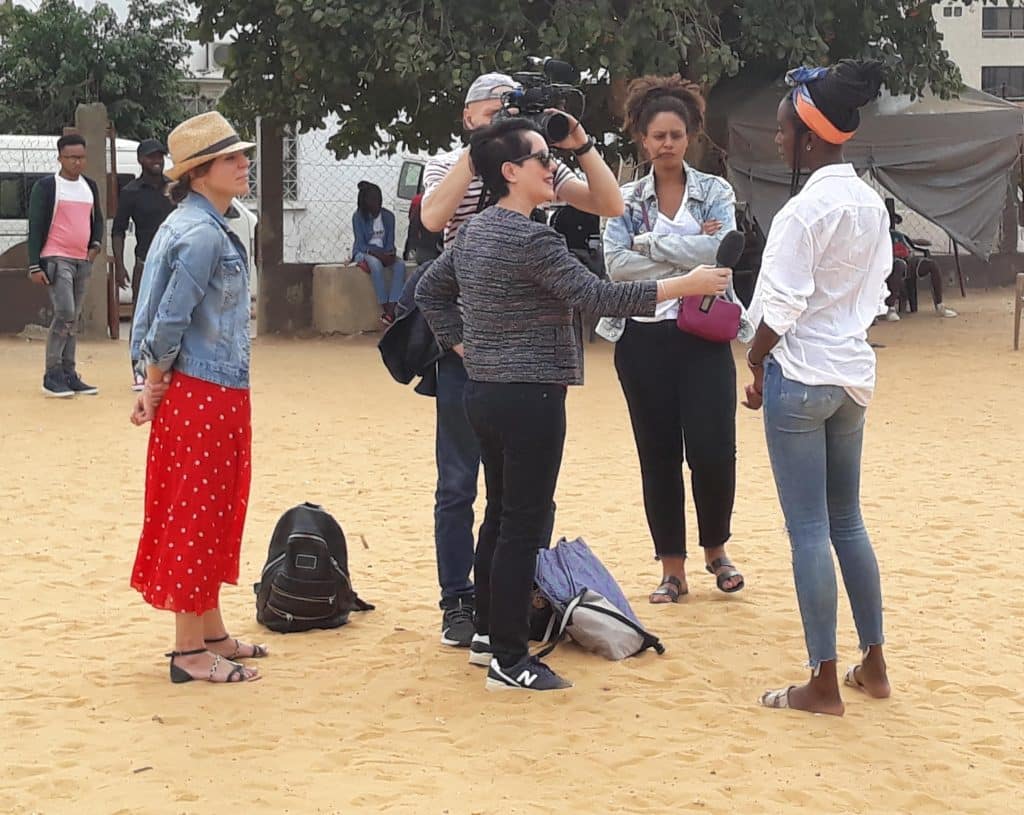
Dakar, Senegal, Sacré-Cœur neighborhood. On a soccer field, the production team of the TV series "C'est la vie!" has already set up its equipment to film the last episode of season 3. In the stands, around fifty extras make up the crowd that has come to listen to a speech given by Guinean activist Hadja Idrissa BAH, playing herself as a feminist activist. Further away, the series' star actors and actresses wait their turn to enter the camera's field of view.
On the sidelines, the France 24 team, not wanting to miss any of the excitement, brought out their cameras and microphones. The two journalists, Virginie Herz (from the French-language program ActuElles) and Annette Young (from the English-language program The 51%), conducted a series of interviews: Mohamed Keita, alias "Julien"; producer Alexandre Rideau; Mame Diara Senghor, social media manager for the NGO RAES, which co-produced the series...
The behind-the-scenes report on “C’est la vie!” was the first stop on a five-day press trip. Five days to discover various initiatives in the field of SRHR.
Anchoring oneself in the reality of SRHR needs
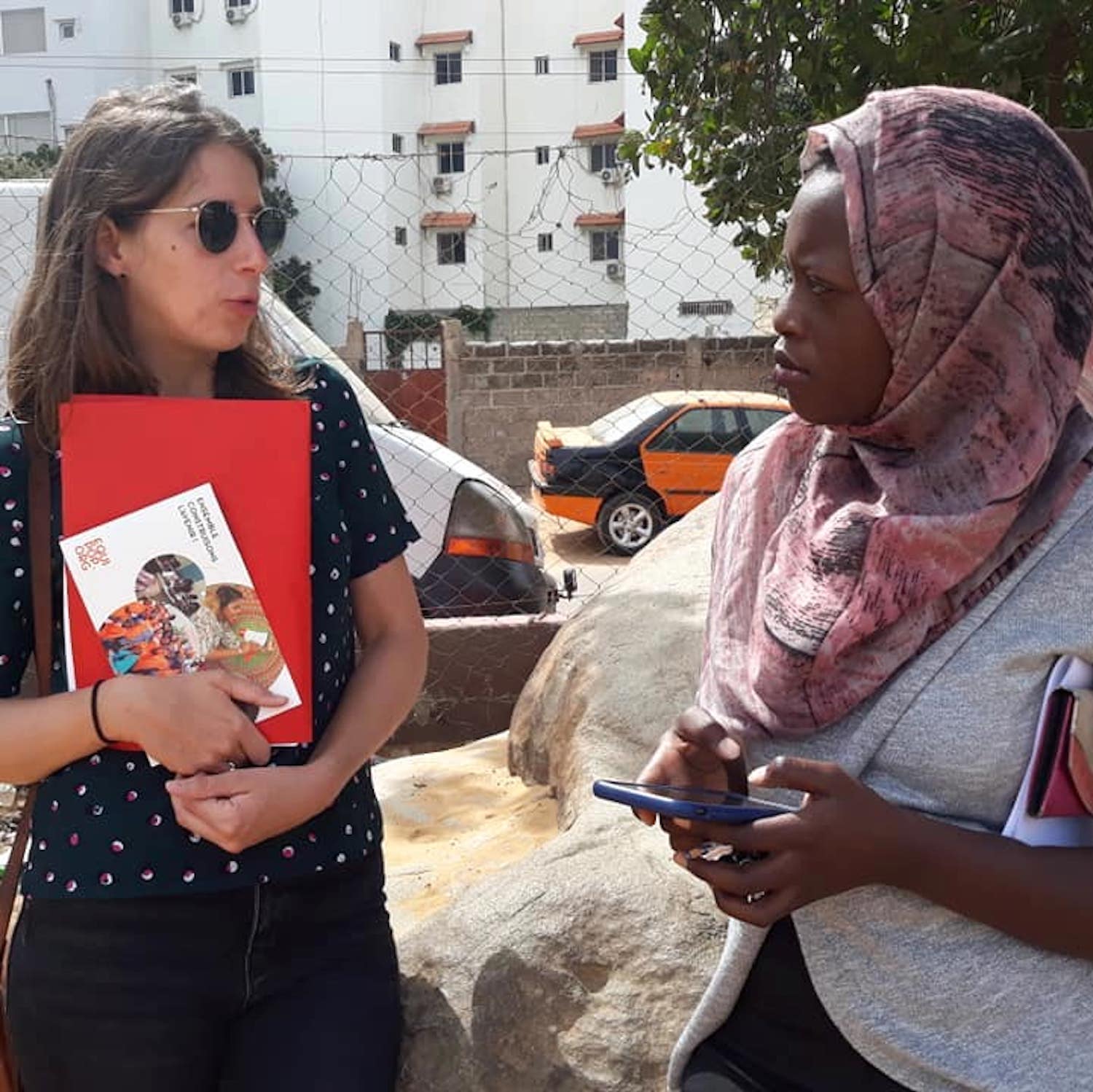
This press trip provided French media outlets with first-hand information on the impact of sexual and reproductive health and rights on development, demonstrating the need to continue supporting the efforts of West African governments, municipalities, and civil society.
For Equipop's partners JED/EEDS, RAES, and Siggil Jigeen, these meetings and project visits shed light on the realities of women, men, and young people in terms of SRHR. They gave substance to the concepts discussed at major international events on women's rights issues, such as the upcoming Generation Equality Forum.
Share young people's questions and demands regarding SRHR
Improving SRHR and reducing teenage pregnancies are real challenges in Senegal, where 43% of the population is under the age of 15. According to Senegal's Continuous Demographic and Health Survey (EDS – Continue 2017), 34.1% of adolescent girls have already had a child or are pregnant before the age of 19, and 23% of adolescent girls aged 15 to 19 are married or living in a union.
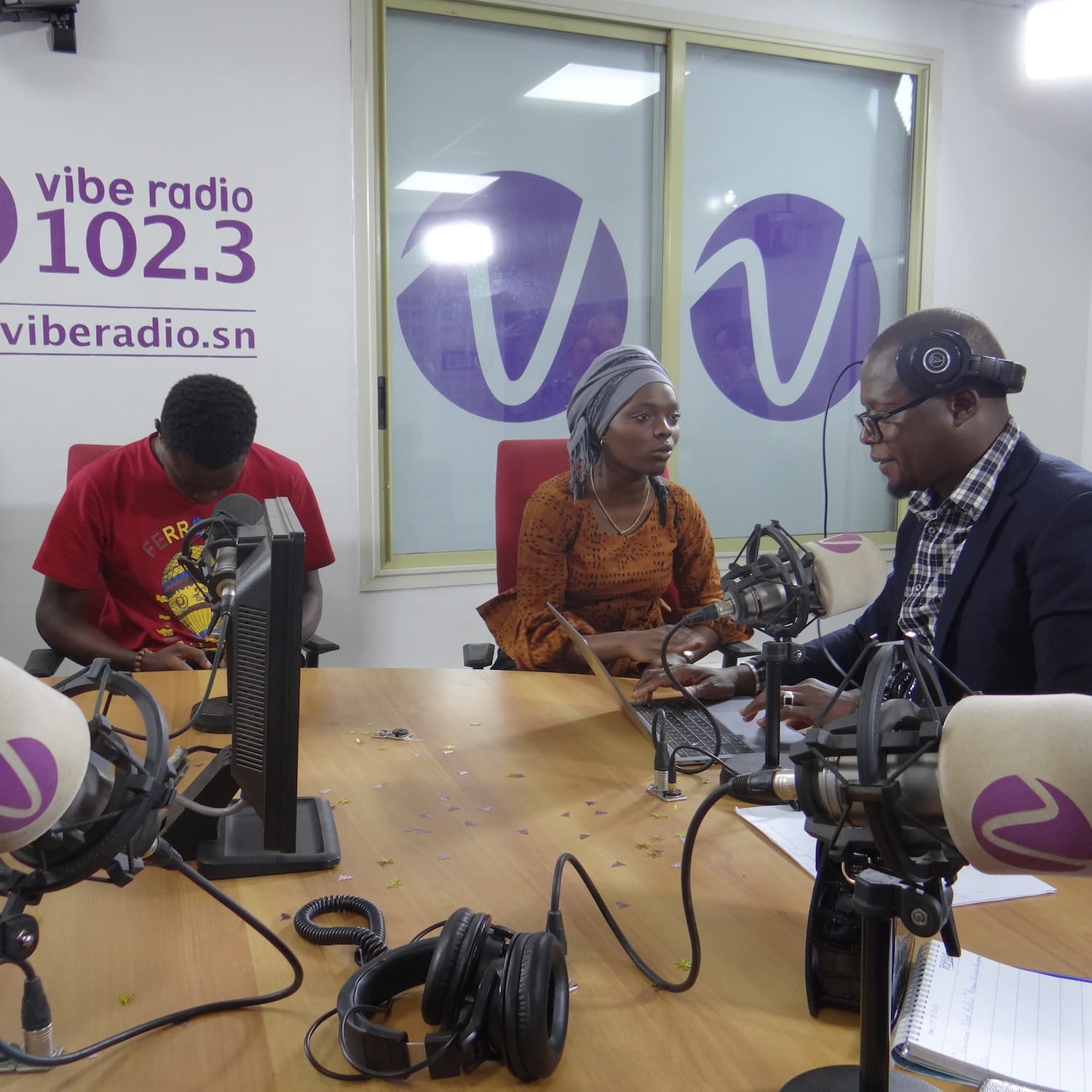
Providing young people with access to accurate information and high-quality services is one of the priorities of Equipop and its partners. Radio stations play a major role in disseminating information and facilitating the expression of young people's concerns. Journalists were able to discover specific initiatives in this area, such as a behind-the-scenes visit to the popular national radio show Parole aux jeunes on Vibe, hosted by the well-known Mandiaye Pety Badji, who tackles young people's concerns without taboos. This time, the show was dedicated to first sexual experiences. They also visited the community radio station Niayes FM in Mboro, in the interior of the country. Since 2012, this radio station has been broadcasting the weekly program "Fagaru mo gueune Fadju" ("better safe than sorry"). Regularly dedicated to issues of sexuality, that day's program focused on discussions between parents and children about #SRHR.
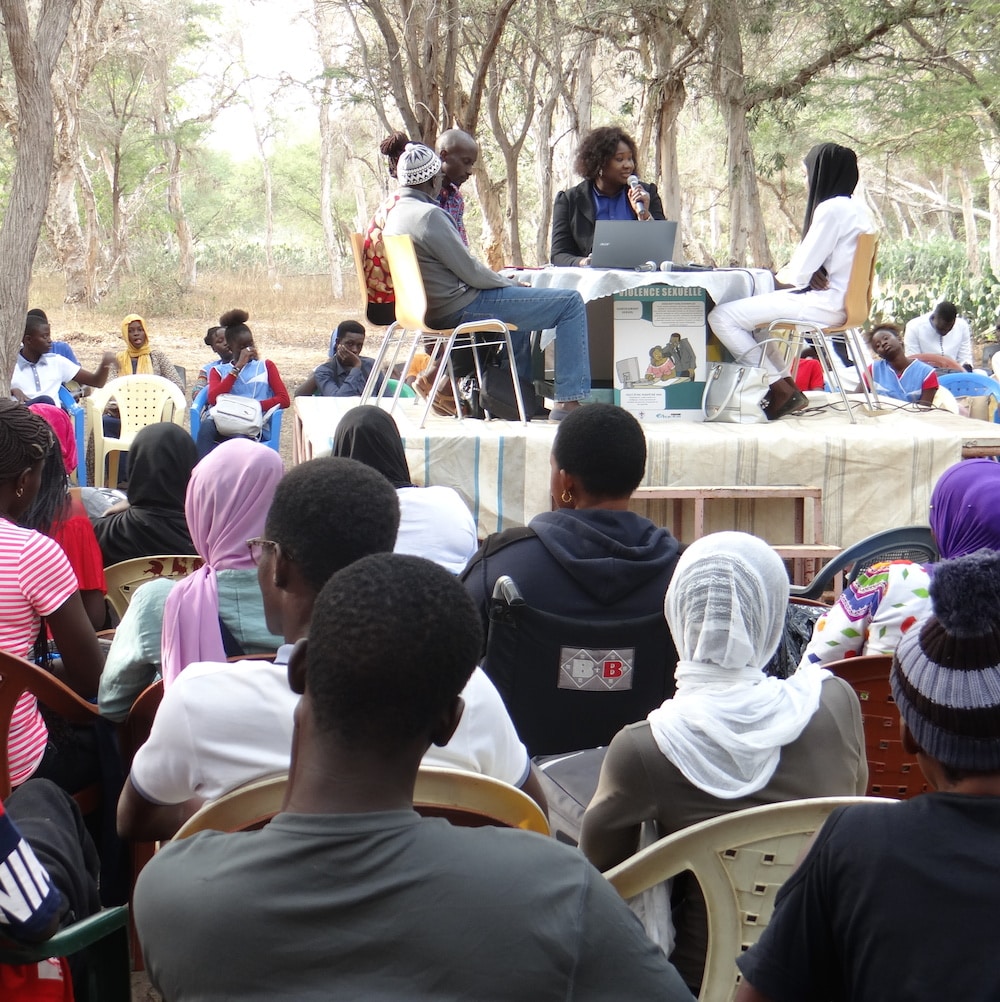
More direct exchanges with youth groups are also regularly organized. Journalists attended a public discussion, moderated by Soxna Khady Diatta, director of Niayes FM radio, between around 100 high school students and local authorities in Mboro. The topic of their discussion? SRHR funding. "The aim is to encourage young people to express their expectations and needs," explains Mody Ndiaye, program director at the NGO JED/EEDS.
Equipop also organized a meeting between journalists and young feminists from Senegal who are closely involved with the organization. During a dinner, leading figures in Senegalese activism, such as Néné Maricou and Zipporah Ndione, were able to talk informally with journalists about their concerns and the difficulties they face in addressing SRHR issues, particularly with institutions.
High-quality services and contraceptive products available: a major challenge

Locally, health centers provide a snapshot of the healthcare system and its progress, particularly in terms of raising awareness about sexuality, family planning, and drug supply. Journalists therefore met with the Siggil Jigéen Network and its partners. The network works closely with the health center in the Pikine district, in the greater Dakar area, and with advanced health posts, such as the one in Darou Koudoss. Health professionals—midwives, nurses, etc.—and community health workers (CHWs) carry out awareness-raising missions close to the communities. These volunteers, known as "Badienou Gokh" (neighborhood aunt), visit local families, either on request or spontaneously, to offer to discuss sexual health. Addressing issues of contraception and birth spacing remains a challenge for a population where contraceptive use does not exceed 26%.
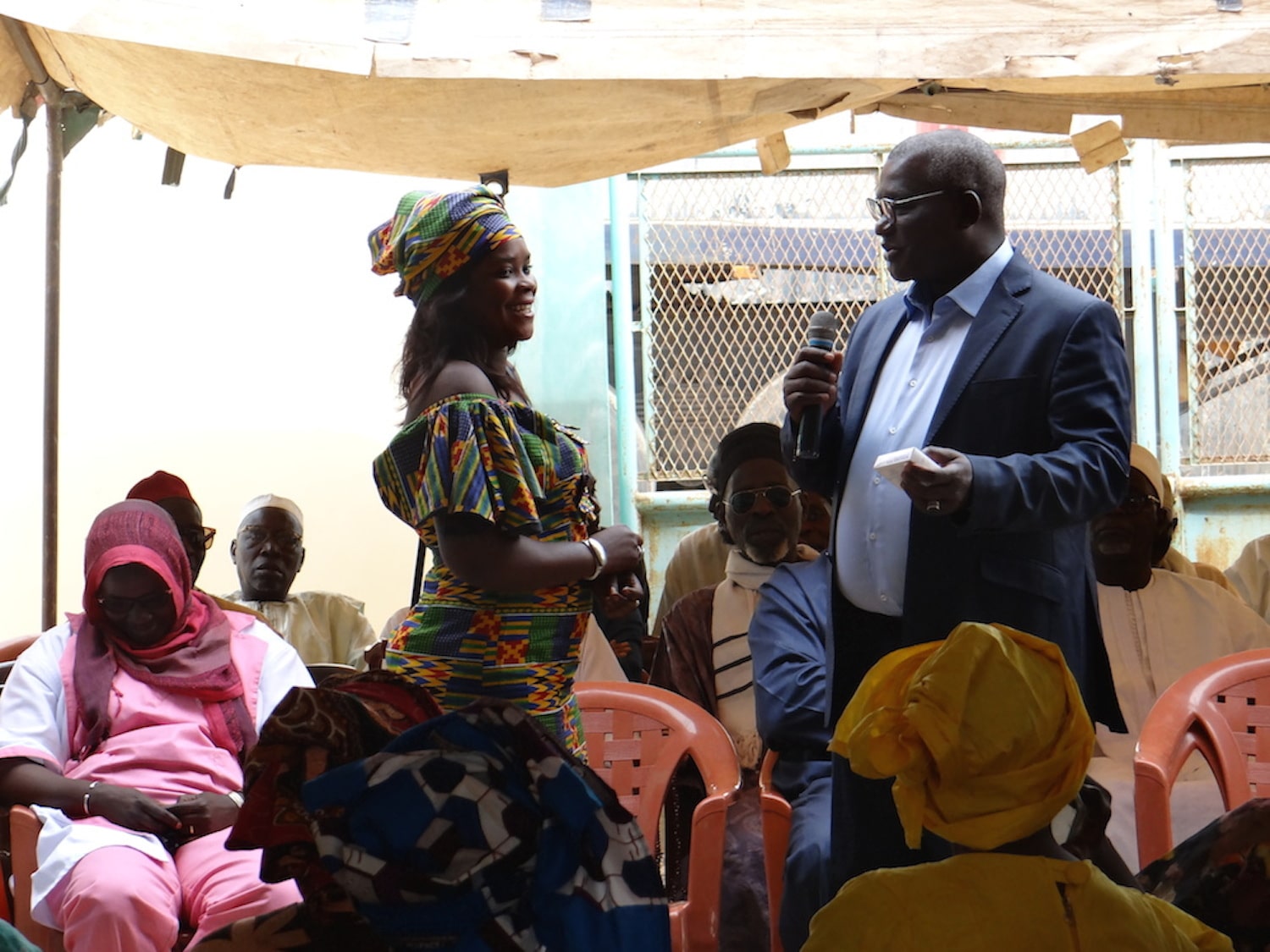
A few days later, in Rufisque, the team witnessed the municipality distributing family planning kits to around 50 women who attend the health center.
Sexual and reproductive health and rights issues are the cornerstone of gender equality. The reports and analyses produced and disseminated at the end of this mission provide an opportunity for women and young people to share their aspirations and for France to gauge the importance of supporting local efforts to address them.
Find lots of data and figures by downloading our fact sheet on Senegal.
Press review
France 24
Watch the report produced for the ActuElles program
Tune in on Friday, February 7 at 4:40 p.m. to watch The 51% program
RFI: report by Charlotte Idrac, RFI correspondent in Dakar, on the subject of the Badienou Gokh.