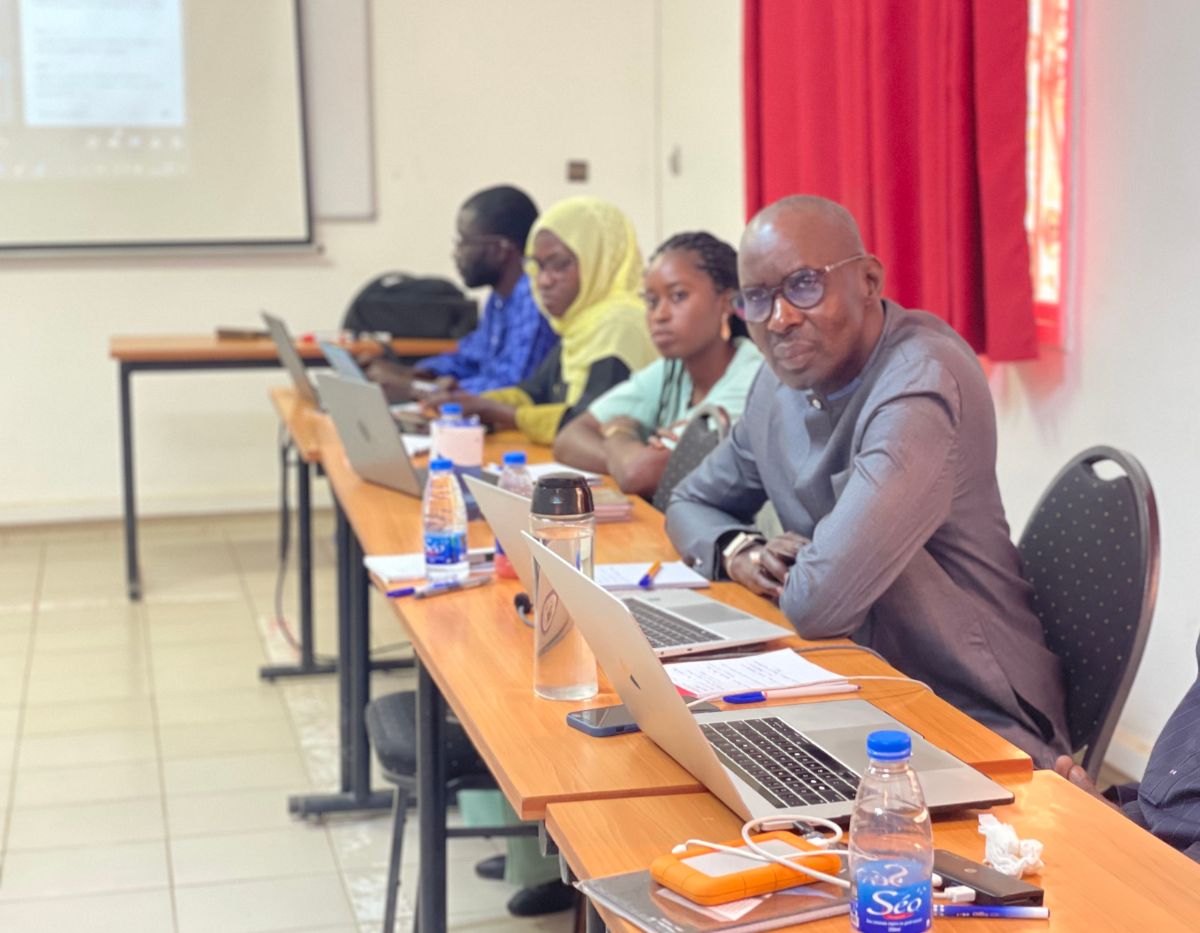
From May 21 to 23, 2024, a technical workshop on national survey methodologies was held in Dakar as part of the "Our Bodies, Our Health" project, which combats gynecological and obstetric violence (GOV) in Senegal.
The aim of this workshop was to develop a robust and appropriate co-constructed research methodology. Adopting a feminist perspective, the research aims to document the nature of VGOs in the Senegalese context, taking into account social inequalities and power relations.
The challenge of research within the framework of this project is to fill the data gap on GBV while addressing the political issues of human rights and public health related to such violence.
 This research adopts an intersectional feminist perspective, highlighting the power relations between healthcare providers and users. It aims to transform these relations by providing the information needed to support advocacy and policy.
In this research, the gender approach is crucial for analyzing the impact of social norms on the attitudes of healthcare workers in sexual and reproductive health (SRH). In addition, it will examine the often overlooked role and responsibilities of men in reproduction and the continuum of violence.
This research adopts an intersectional feminist perspective, highlighting the power relations between healthcare providers and users. It aims to transform these relations by providing the information needed to support advocacy and policy.
In this research, the gender approach is crucial for analyzing the impact of social norms on the attitudes of healthcare workers in sexual and reproductive health (SRH). In addition, it will examine the often overlooked role and responsibilities of men in reproduction and the continuum of violence.
Intersectional feminist approach and continuum of violence
This research adopts an intersectional feminist perspective, highlighting the power relations between healthcare providers and users. It aims to transform these relations by providing the information needed to support advocacy and policy.
In this research, the gender approach is crucial for analyzing the impact of social norms on the attitudes of healthcare workers in sexual and reproductive health (SRH). In addition, it will examine the often overlooked role and responsibilities of men in reproduction and the continuum of violence.
“This immersion in community activities really allowed me to learn more about GBV and how it fits into the continuum of GBV, because I hadn't made the connection between men and GBV. For me, it was just midwives who were most concerned.”