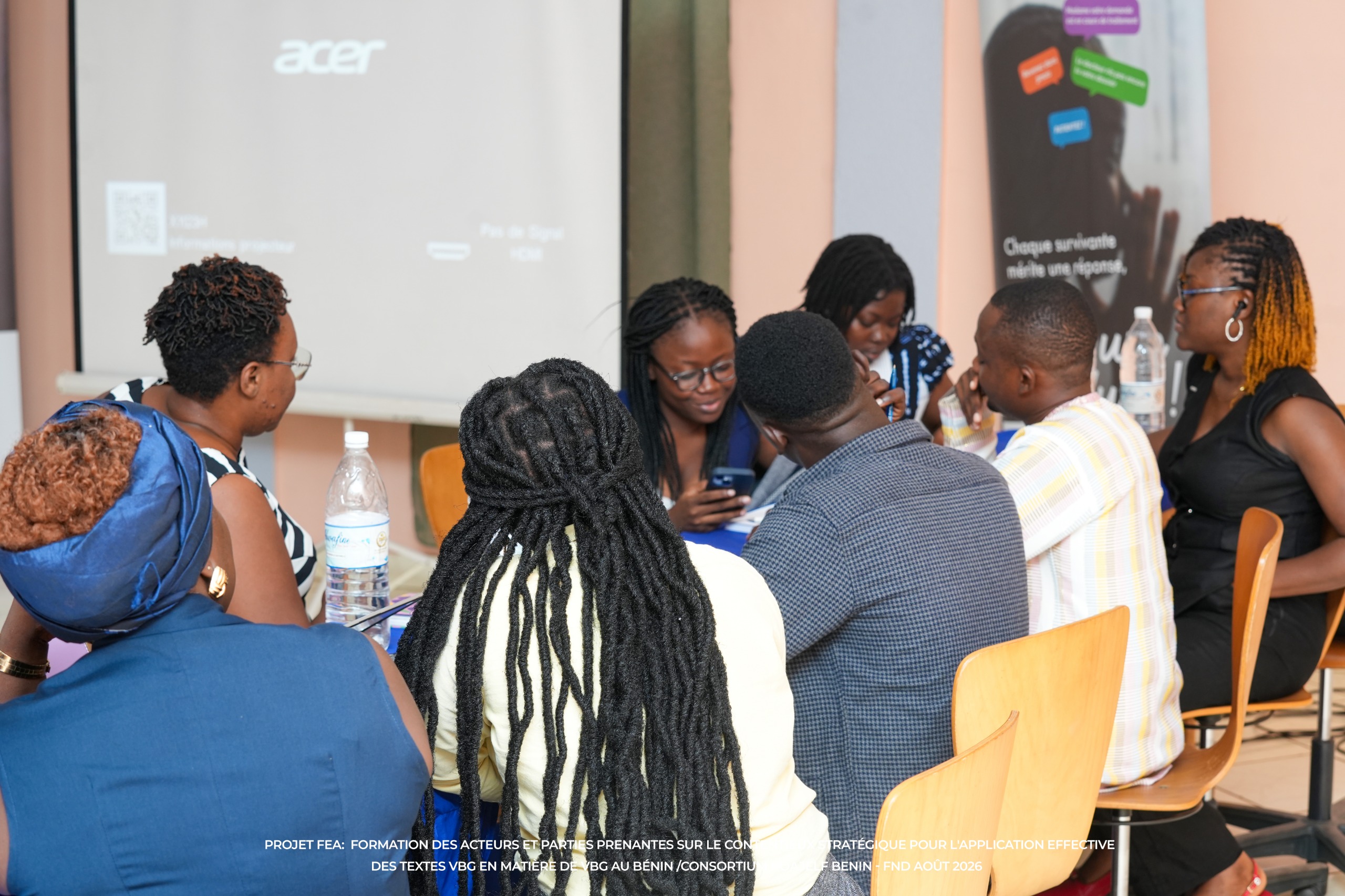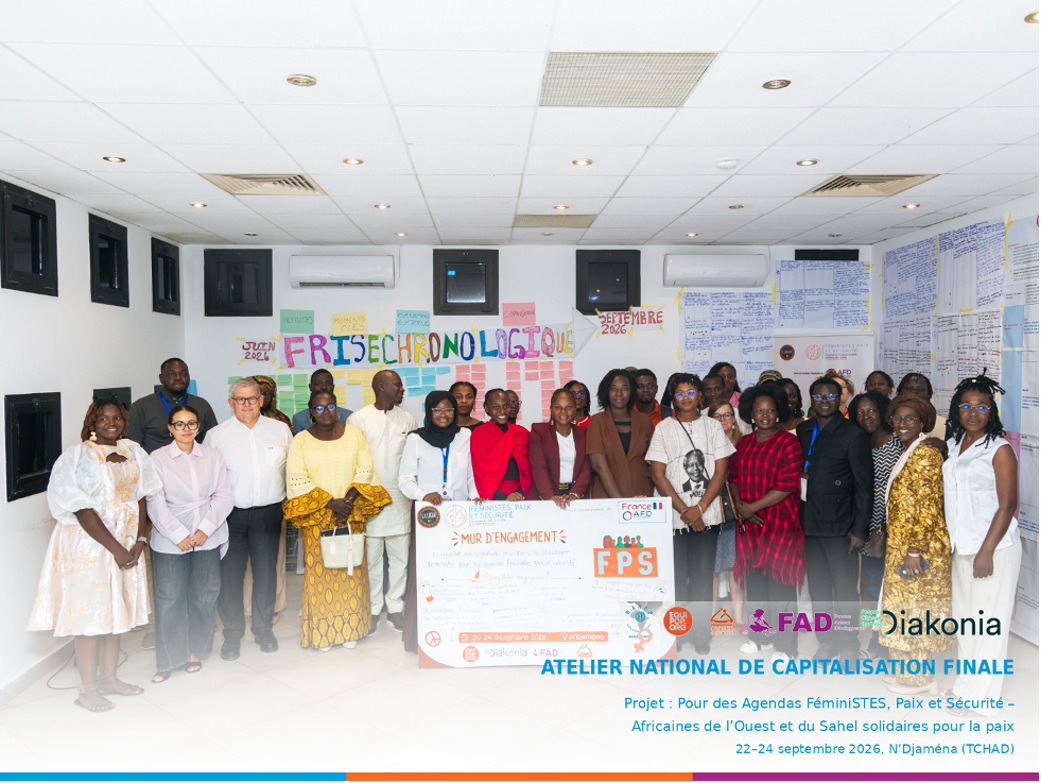
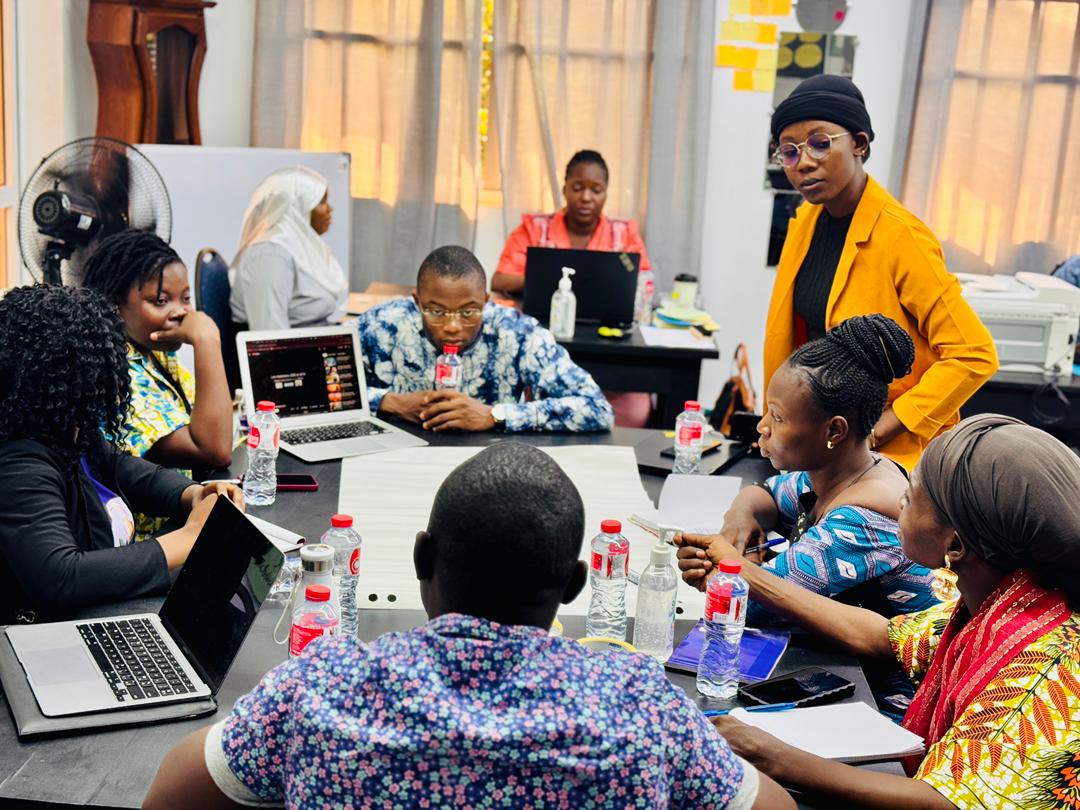
From November 17 to 19, 2025, Ouidah hosted a highlight of the project "For Feminist Agendas for Peace and Security – West Africa and the Sahel in Solidarity for Peace." For three days, 24 committed actors from partner organizations in Benin gathered for a training workshop for trainers in feminist advocacy, in a dynamic that was institutional, participatory, and deeply rooted in regional security realities.

In West Africa, a region ravaged by armed conflict, humanitarian crises, and growing political instability, the marginalization of women and young people remains a striking reality. Yet their daily actions, local initiatives, and community engagement are essential pillars in the dynamics of prevention, mediation, and social cohesion. This workshop is therefore an indispensable space for strengthening the capacity of organizations to influence, propose, and transform, based on a resolutely feminist approach rooted in local contexts.
A committed and collective methodology at the heart of a feminist movement

Co-facilitated by Gorée Institute, EQUIPOP, Filles en Action, ROAJELF Benin, AJEF, and a feminist activist specializing in peace and security, the workshop adopted a participatory, hybrid, and inclusive methodology that recognizes the legitimacy of activist knowledge as well as the rigor of institutional tools. Far from traditional frameworks, participants shared their experiences, revisited their practices, and identified the challenges that hinder the implementation of the Women, Peace, and Security (WPS) and Youth, Peace, and Security (YPS) agendas.
On the first day, a World Café provided an opportunity to discuss the realities on the ground around three major themes: political mobilization and engaging with decision-makers, community leadership among young women, and the prevention of gender-based and sexual violence. This exchange revealed the depth of the initiatives carried out in Benin and showed how organizations are already articulating advocacy, community mobilization, and social transformation strategies.
This collective momentum was reinforced by an exploration of the international, regional, and national legal frameworks that support the FPS and JPS agendas. By tracing the history of Resolutions 1325 and 2250, participants took stock of the political advances achieved through decades of feminist mobilization, while identifying the structural obstacles that remain: insufficient funding, slow implementation, cultural barriers, and weak institutional coordination.
Thinking about feminist advocacy as a strategy for change
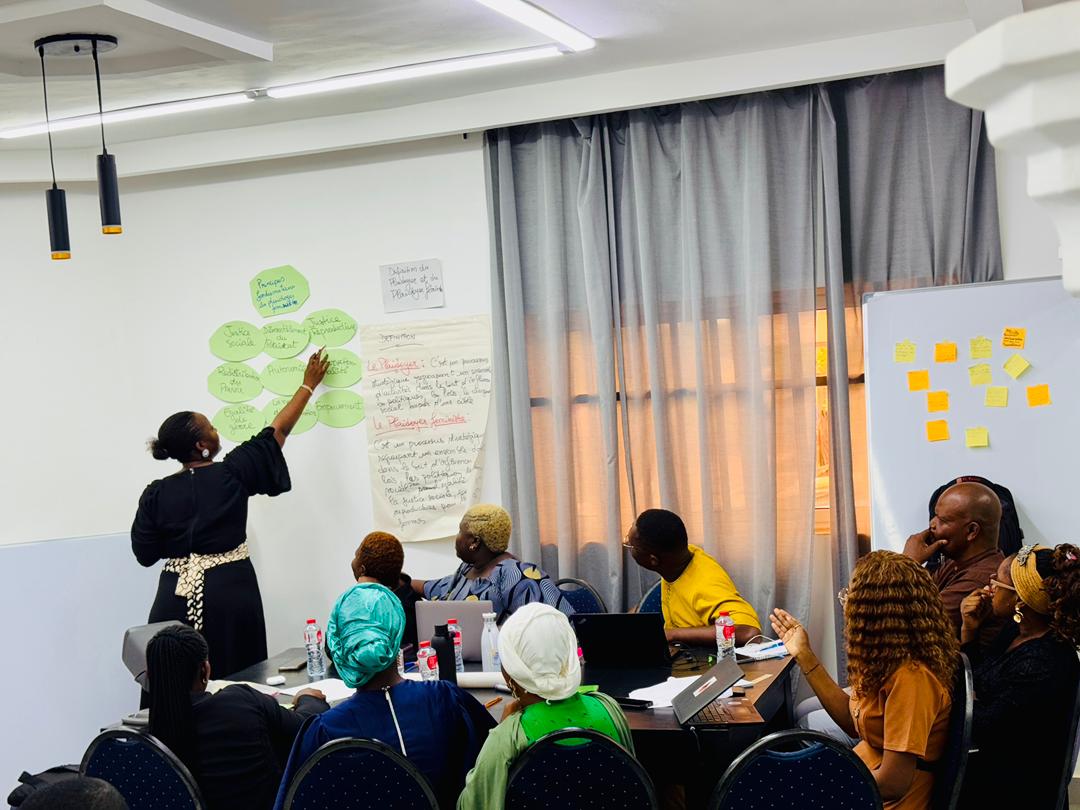
The second day was devoted to the heart of the advocacy process: defining the contours of feminist advocacy, its principles, positions, and techniques. The discussions highlighted that feminist advocacy is not limited to influencing public policy; it also seeks to transform power relations, deconstruct discriminatory norms, and share stories that make visible those whose voices are often invisible.
Exercises involving mapping stakeholders, formulating key messages, and building solution/objective trees helped to anchor this reflection in practical tools. Each group was able to formulate impactful narrative messages and arguments capable of reaching both institutions and communities, adopting a stance that values situated experience, inclusivity, and empathy.
These moments paved the way for the collective development of mini-advocacy strategies, in which the different groups articulated their objectives, targets, messages, and priority actions needed to strengthen the impact of their interventions in the field. This exercise highlighted the need to build inclusive, collective, and contextualized strategies, taking into account local realities and the specific dynamics of each territory.
Making feminist voices heard in the media and public spaces
The third day continued this momentum by focusing on communication for advocacy, an essential lever for amplifying feminist voices in media spaces still riddled with stereotypes and biased narratives. Participants began by analyzing various media—posters, flyers, video clips—to identify the elements that make a message coherent, powerful, and effective.
The discussions then turned to the strategic role of the media and social networks in disseminating feminist narratives, challenging decision-makers, and mobilizing communities. Building on what they had learned in the previous days, the groups developed gender-sensitive action plans tailored to their contexts and aligned with their advocacy priorities.
The day ended with simulations of media interventions, allowing participants to work on their posture, the clarity of their messages, and their ability to respond to sensitive questions. These role-playing exercises strengthened the group's confidence and ability to occupy the public space with assurance and consistency.
A space for solidarity, commitment, and action for the future
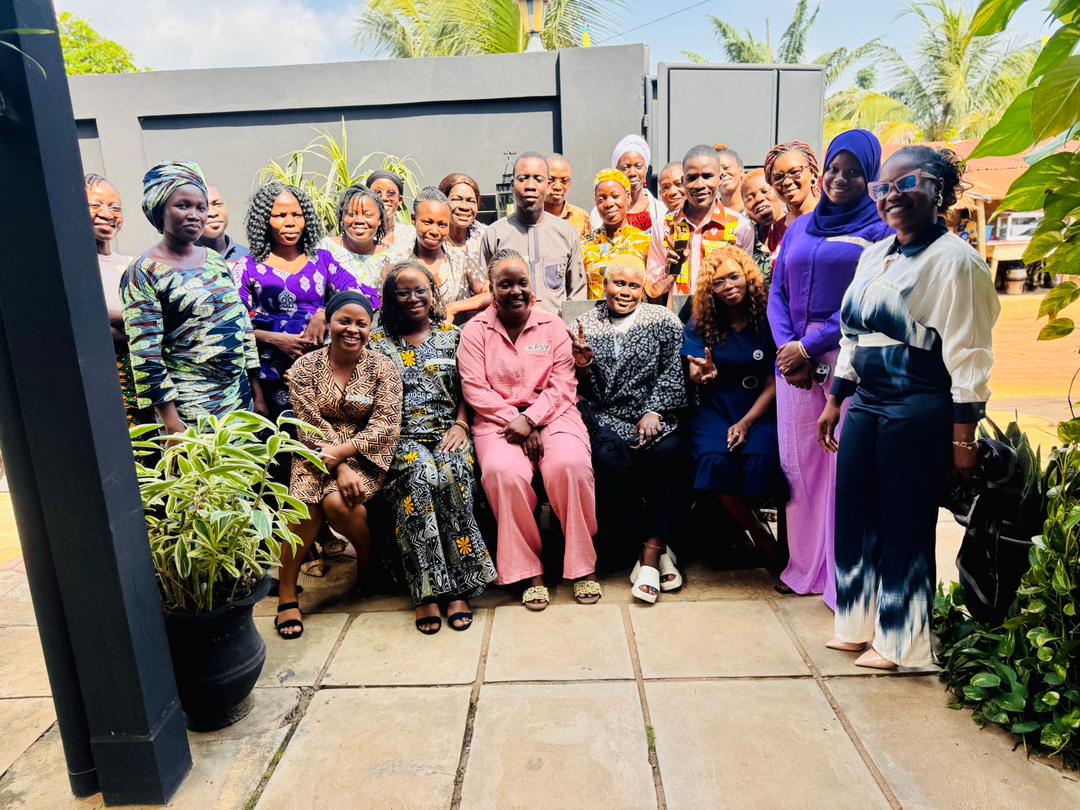
Beyond tools and knowledge, the workshop created a space of trust and solidarity between organizations and activists, including feminist journalists, strengthening synergies and consolidating a shared vision of advocacy within the project. The commitments made to cascade the findings demonstrate a desire to make this a long-term dynamic, in order to disseminate the lessons learned to communities and to the young people and women who will directly benefit from them.
In closing, a common sentiment emerged: this workshop not only imparted skills, it also revived a collective energy and renewed determination to bring feminist voices into public, institutional, and community spaces. In a regional context marked by rising conservatism, worsening security crises, and persistent gender-based violence, the partners reaffirmed the importance of strong, intersectional advocacy rooted in the realities on the ground.
The EQUIPOP–DIAKONIA–FAD–GORIN consortium, alongside Beninese feminist organizations: Filles en Action, Fondation des jeunes amazones pour le développement (FJAD), Havre de Paix, Institut Tonafa, Rescue and Hope, Réseau Paix et Sécurité pour les Femmes de l’Espace CEDEAO/Bénin (REPSFECO), NGO Barika, West African Network of Young Women Leaders – Benin (ROAJELF-Benin), Yonba, Young Mediators of Benin (JMB), Jeunesse Regard et Actions (JRA), Association des Jeunes des Espaces Frontaliers du Bénin (AJEF-Bénin) and West Africa Network for Peacebuilding (WANEP-Bénin), thus continues its commitment to building spaces and strategies that not only document but also transform. In Ouidah, an important milestone was reached: that of feminist advocacy in action, carried forward by determined, united voices resolutely focused on peace, justice, and equality.