On January 9, the national incubation lab for the Sansas project will begin in Dakar. The incubation lab will bring together young people and civil society organizations to define their vision for better consideration of reproductive health rights (RHR) and gender equality in Senegalese public policy. This meeting follows five Labs organized in the SANSAS project intervention areas in Mbour and the Sédhiou region in 2022. The aim is to launch a strong advocacy campaign to promote the reproductive health of adolescents and young people in Senegal.
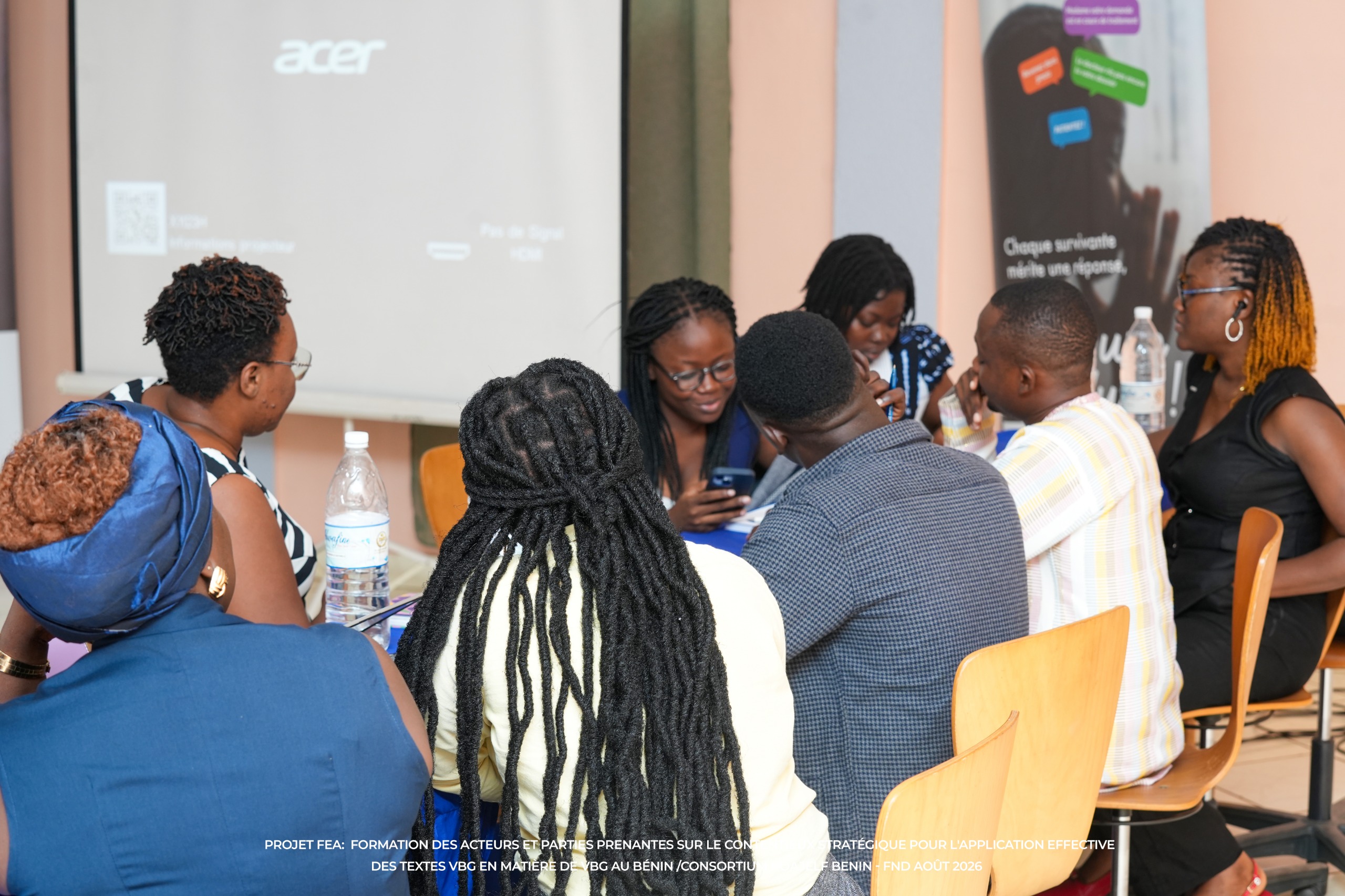
From January 9 to 15, 25 representatives of young people and civil society organizations defending the rights of young people and women and fighting gender inequality, along with members of the SANSAS project consortium, will meet in Dakar. During five days of discussions and reflection, facilitated using Equipop's incubation labs method, they will co-develop an advocacy project to be implemented at the national level on reproductive health and gender equality. This advocacy will be presented to policy makers. The voices of young people will thus be amplified to have a real impact on public policies concerning reproductive health and gender equality in Senegal.
The Incubation Labs Model
This national lab follows on from the five previous labs organized between late May and early June 2022 in the project's target departments: Sédhiou, Goudomp, Bounkiling, and Mbour. These labs brought together around 60 young leaders trained by the NGOs Equipop and RAES on topics related to SRH, gender, leadership, and advocacy, as well as resource persons from CSOs, health districts, and local authorities. The aim of these labs is to incubate advocacy action plans by young people and for young people at the project's intervention districts in order to place them at the heart of the process of change concerning their SRHR. The following themes emerged from their discussions: improving access to reproductive health, combating sexual exploitation, preventing rape, and eradicating early pregnancy in schools.
[vc_video link= »https://youtu.be/5pi0kv06c9M »]This is also the overall ambition of the SANSAS (Reproductive Health of Adolescents and Young People in Senegal) project, of which these incubation labs are a part. Ma consortium led by Solthis (lead partner), ENDA santé, LARTES, RAES, and Equipop, the SANSAS project aims to improve access to reproductive health rights for young people in Senegal, particularly young girls, young women, and vulnerable young people. The project's approach is geared towards behavior change, capacity building, and empowerment.empowermentbeneficiaries, particularly young women and young men, by involving them actively in all stages of the project cycle. Gender-sensitive indicators identified by operational research will ensure the project's impact.
The Sansas Project
According to the Solthis organization : "Senegal has fairly low indicators in terms of reproductive health (RH), particularly in terms of the realization of reproductive rights for young people and adolescents. (...) However, the country offers a favorable context for targeted action on these issues, with a relatively robust legal framework, although largely unenforced, an active civil society bringing together a wide range of actors, and several interventions carried out by the country's Technical and Financial Partners (TFPs), which can be complemented by efforts to strengthen, extend, and synergize initiatives." With a duration four years (February 2021-February 2025), the SANSAS project aims to promote access to high-quality and appropriate health servicesquality and appropriate health services, promote reproductive health education for young people, and reduce gender inequalities and the violence that results from them. Interventions will be carried out in schools and outside of school, and will focus on social and political mobilization at the local and national levels. This innovative project, which integrates operational research and the promotion of self-care, will, thanks in particular to knowledge transfer, fuel public debate at the local, national, and subregional levels in order to have a lasting impact on SRH in Senegal and, by extension, in West Africa.