Since 2010,Equipop and its partnerAMSOPThave been working in theKayesregion of Mali to promote the sustainable abandonment of female genital mutilation(FGM)and early marriage(EM). 2018marks the start of a new phase with the launch of the "Protecting Future Generations" project, which extends the initiative to the eastern region of Burkina Faso with the association SOS Jeunesse et Défis.
A comprehensive and coordinated strategy to end female genital mutilation and early marriage
In this new phase of the project in Mali, activities aim to consolidate the momentum for ending FGM and early marriage in more than 150 villages that have benefited from previous phases, 140 of which have officially and publicly committed to ending female genital mutilation. A political mobilizationcomponent,ledby young people, complements the field activities with a view to accelerating the process of adopting a law prohibiting FGM in Mali. In Burkina Faso, the social mobilization mechanism, medical care for the consequences of FGM, and the involvement of local authorities, which have previously proven successful in Mali, will be replicated.
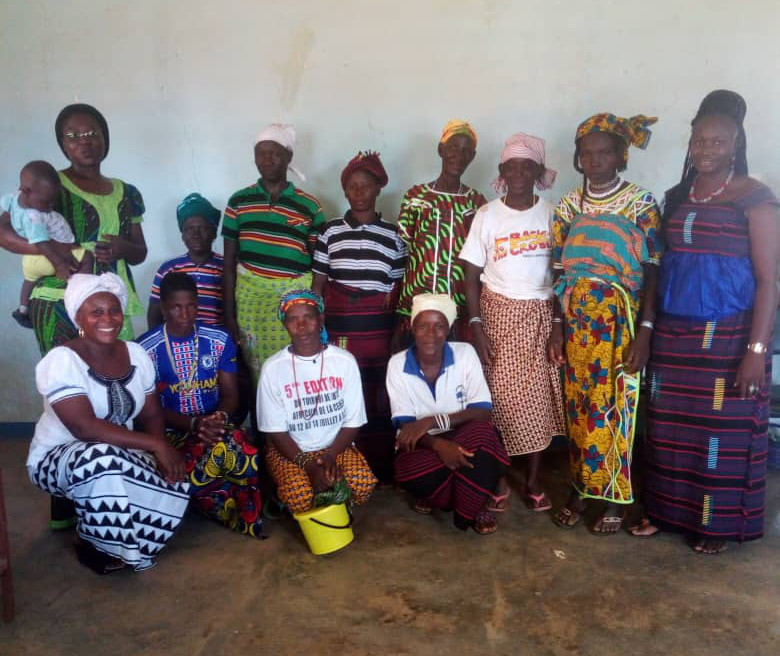
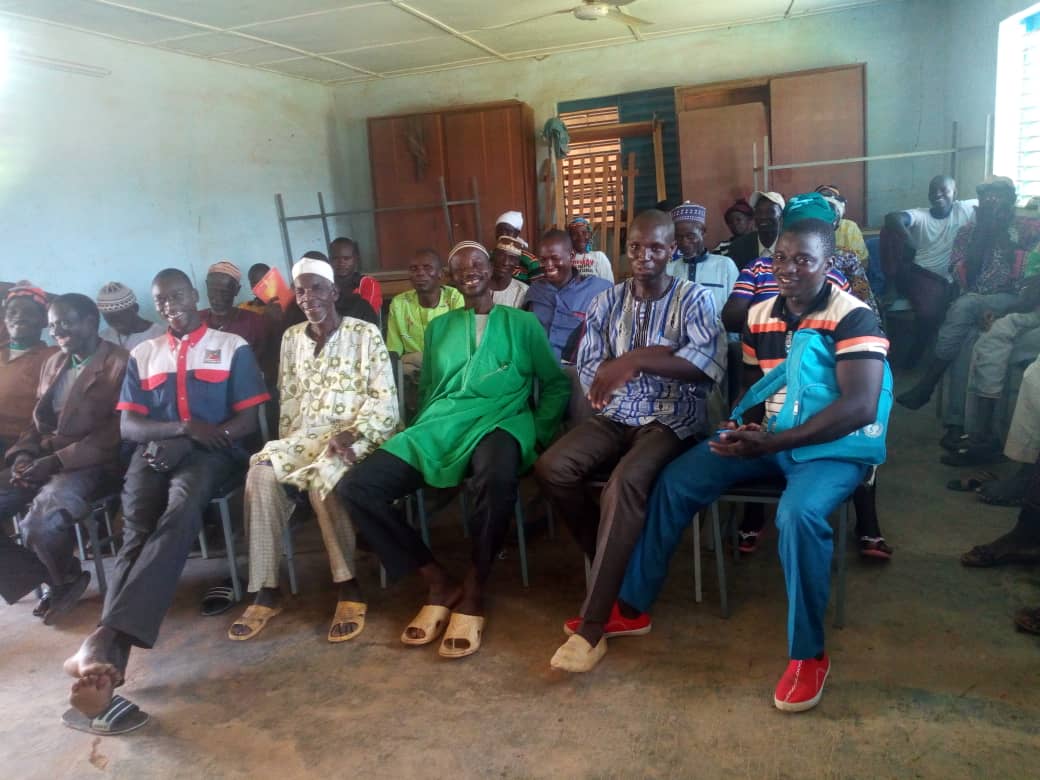
[vc_column_text css= ».vc_custom_1537886892727{border-top-width: 1px !important;border-right-width: 1px !important;border-bottom-width: 1px !important;border-left-width: 1px !important;padding-top: 4px !important;padding-right: 4px !important;padding-bottom: 4px !important;padding-left: 4px !important;background-color: #b3ada9 !important;border-left-color: #b3ada9 !important;border-left-style: solid !important;border-right-color: #b3ada9 !important;border-right-style: solid !important;border-top-color: #b3ada9 !important;border-top-style: solid !important;border-bottom-color: #b3ada9 !important;border-bottom-style: solid !important;border-radius: 1px !important;} »]The activities of the new phase are launched:[/vc_column_text][vc_empty_space height= »10px » css= ».vc_custom_1537886771355{background-color: #b3ada9 !important;} »][vc_column_text css= ».vc_custom_1537886939855{border-top-width: 1px !important;border-right-width: 1px !important;border-bottom-width: 1px !important;border-left-width: 1px !important;padding-top: 4px !important;padding-right: 4px !important;padding-bottom: 4px !important;padding-left: 4px !important;background-color: #b3ada9 !important;border-left-color: #b3ada9 !important;border-left-style: solid !important;border-right-color: #b3ada9 !important;border-right-style: solid !important;border-top-color: #b3ada9 !important;border-top-style: solid !important;border-bottom-color: #b3ada9 !important;border-bottom-style: solid !important;border-radius: 1px !important;} »]– In Burkina Faso, training for field teams and community leaders has taken place, social and health authorities are being mobilized, and the first awareness-raising activities in villages have begun. The next steps will involve training healthworkersand doctors to treat the consequences of excision and starting medical treatment. – In Mali, youngchampionsand leaders have beenidentifiedandtrained. Nearly 50teachershave benefited from capacity building on MSF. Political mobilization efforts will begin in the first quarter of 2019 with the newlyelected officialsfromthe August 2018 presidential elections and the legislative elections scheduled for November 2018.[/vc_column_text]
Mali and Burkina Faso: two different legislative contexts regarding female genital mutilation
In legislative terms, Burkina Faso has had a law in place since November 13, 1996, which prohibits the practice of female genital mutilation and punishesperpetratorsand accomplices with a fine of 900,000 CFA francs and three years' imprisonment(10 years if the victim dies). In Mali, for several years, numerous civil society actors, includingAMSOPT, as well as United Nations institutions and agencies, have been working on drafting a preliminary bill against gender-based violence(GBV). This draft bill was submitted in 2017 to the Ministry for the Promotion of Women to be brought before the National Assembly. However, there is still resistance to the adoption of a law criminalizing FGM and early marriage.
Meetings between parliamentarians are planned as part of the project to facilitate exchanges and enable the transfer of experiences. Burkinabeparliamentarians will demonstrate to theirMaliancounterparts that, even if the law alone is insufficient to end FGM, it plays a major role in creating an environment conducive to its abandonment.
Young people at the heart of political mobilization
Building on the achievements of the previous phase and convinced of the essential role that young people have to play in social change that promotes the abandonment of practices that are harmful to health,Equipopand its partners are placing young people at the center of a political mobilization initiative. In Mali, youngchampionsand leaders will betrainedandsupportedin implementing social media campaigns and advocacy actions targeting parliamentarians and state authorities. The aim is to help facilitate the adoption of a law against female genital mutilation and, more broadly, the creation of an environment conducive to their sexual and reproductive rights and health.
The diaspora's involvement in the projectcontinues
In France, supporting diasporas in the process of abandoning MSF andMPin their countries of origin is essential. Firstly, the Malian andBurkinabediasporas have considerable socio-economic power in their communities of origin, and their opinion is crucial in validating decisions. Second, involving them in the project is a way of turning them into positive advocates for abandonment or, if this is not the case, neutralizing any negative influence they may have in the face of change. Finally, informing diasporas about the abandonment of the practice also helps prevent young girls living in France from being sent to their parents' village of origin to undergo FGM. More broadly, building bridges between communities in Africa and Europe contributes to the process of collective change based on the exchange of experiences and dialogue, and is an essential element of sustainable social change.