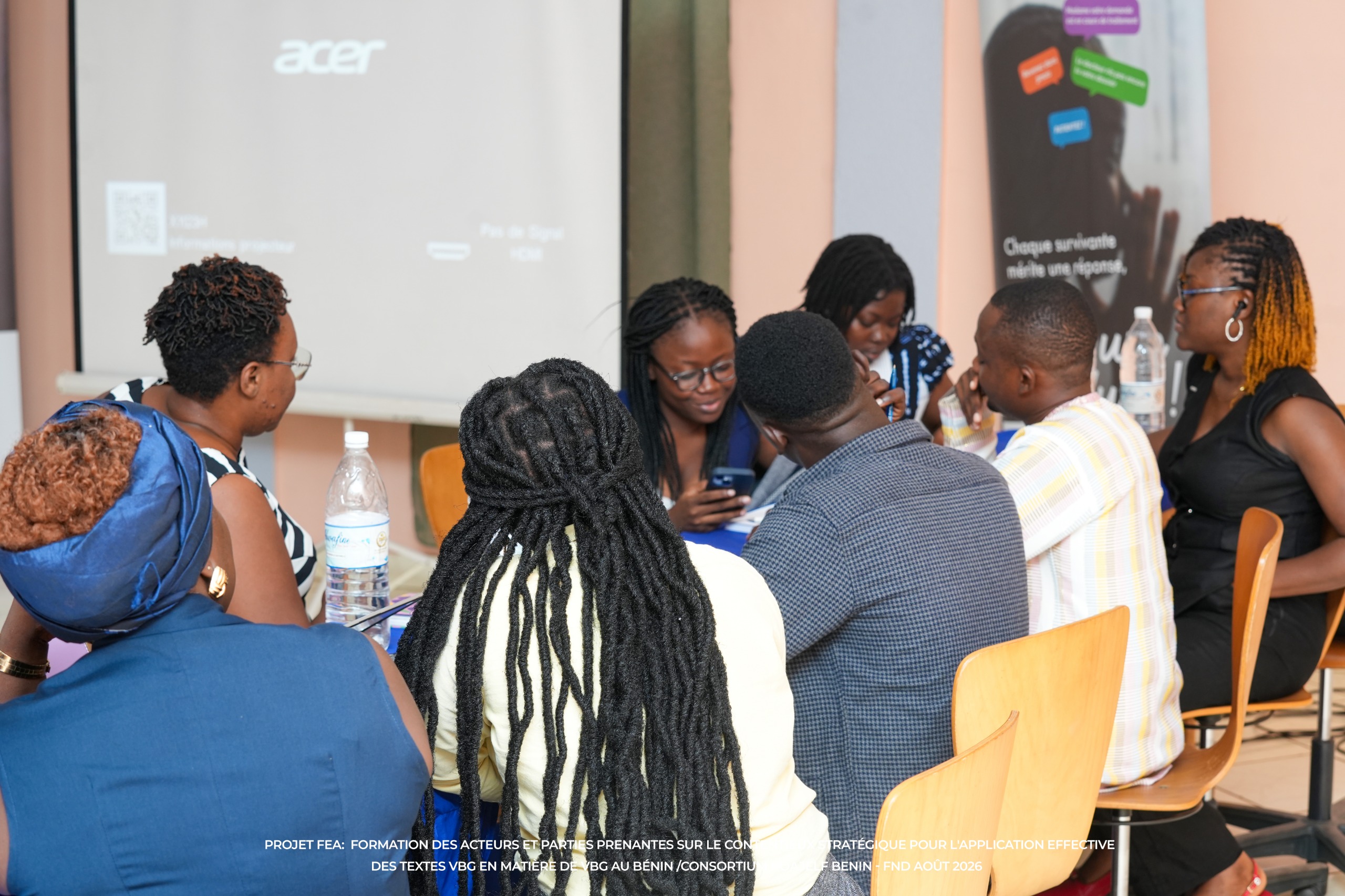
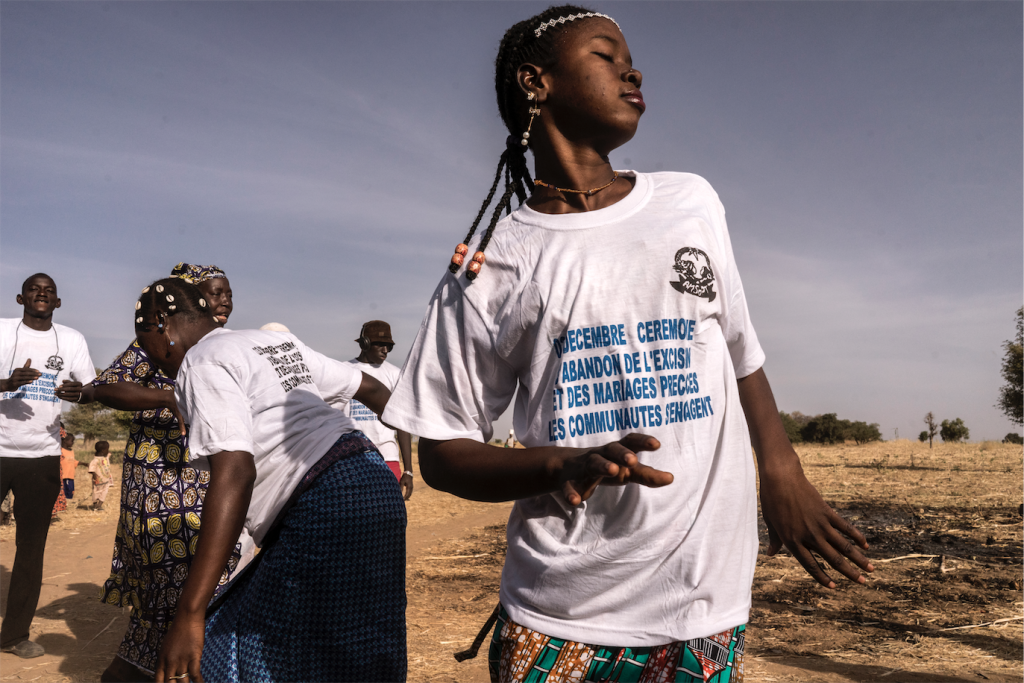
From October 22 to 25, BurkinaFasohosted an international conference on female genital mutilation in Ouagadougou. Organized by the African Union, under the leadership of His Excellency the President of Burkina Faso and in collaboration with the jointUNFPAand UNICEF program for the elimination of female genital mutilation, the conference welcomed politicalactors, organizations, and associations fighting female genital mutilationfromall continents. Equipopand its partners from Burkina Faso(SOS/JD)and Mali(AMSOPT)were also in attendance.
ThePrime Ministerof Burkina Faso, PaulKabaTHIÉBA, on behalf of His Excellency the President of Burkina Faso, opened the International Conference on Female Genital Mutilation(FGM), with the theme: "Galvanizing political action to eliminate female genital mutilation." In his speech, the Prime Minister emphasized that Burkina Faso's decision to host this conference demonstrates theBurkinabegovernment's commitment to supporting actions aimed at ending the practice of female genital mutilation:
" It is through the combination of national policies with subregional and continental policies that we will be able to achieve the total elimination of FGM by 2030. Female genital mutilation is an ancestral practice that must be stopped because it violates women's rights."
Attending the conference, the Minister for Women, National Solidarity, and Family, Laurence MarshallIlboudo, pointed out that " Burkina Faso is not immune to this backward practice, to which 68 million girls and women worldwide could be exposed by 2030."

Burkina Faso's efforts have yielded encouraging results. The prevalence rate of female genital mutilation among girls aged 0 to 14 fell from13.3%in 2010 to11.3%in 2015, a decrease of 2 percentage points in five years. And for women aged 15 to 49, the prevalence rate fell by 8 percentage points, from75.8%to 67.6%. However,according toDiakitéAïssataTraoré, Malian Minister for the Promotion of Women and Children, " in Mali, the situation is alarming because the prevalence rate for the 0-49 age group is91%and for the 0-14 age group, the rate is 75%, which is one of the highest rates."
In fact, it is estimated that there are 200 million victims of genital mutilation worldwide. This practice is more prevalent inAfrica and Asia. Certain African countries, such as Somalia, Guinea, and Djibouti, remain the countries with the highest rates of mutilation: 98% of girls undergo genital mutilation in the first, 97% in the second, and 93% in the third.
Through its Protecting Future Generations (PPG) project,Equipopis firmly committed to combating female genital mutilation practices in France and West Africa.