What if art became a lever for transforming society?
From July 23 to 27, 2025, Rufisque, Bargny, Sangalkam, and Yenne vibrated to the rhythm of creativity and mobilization. For four days, artists, young people, healthcare workers, institutional leaders, and citizens came together to amplify voices against gynecological and obstetric violence (GOV) and affirm an obvious truth: dignity, consent, and reproductive justice are non-negotiable.
VGO: violence that remains too invisible
VGO encompasses medical practices that violate the integrity and rights of women of all ages: imposed procedures, childbirth without privacy, non-consensual acts, ignored pain, and humiliating comments. Thanks to collective and committed advocacy, VGO is now being named and denounced by feminist advocacy groups.
The Artistic Marathon has chosen art as a language to heal, mobilize, and transform.
Institutions mobilized from the outset
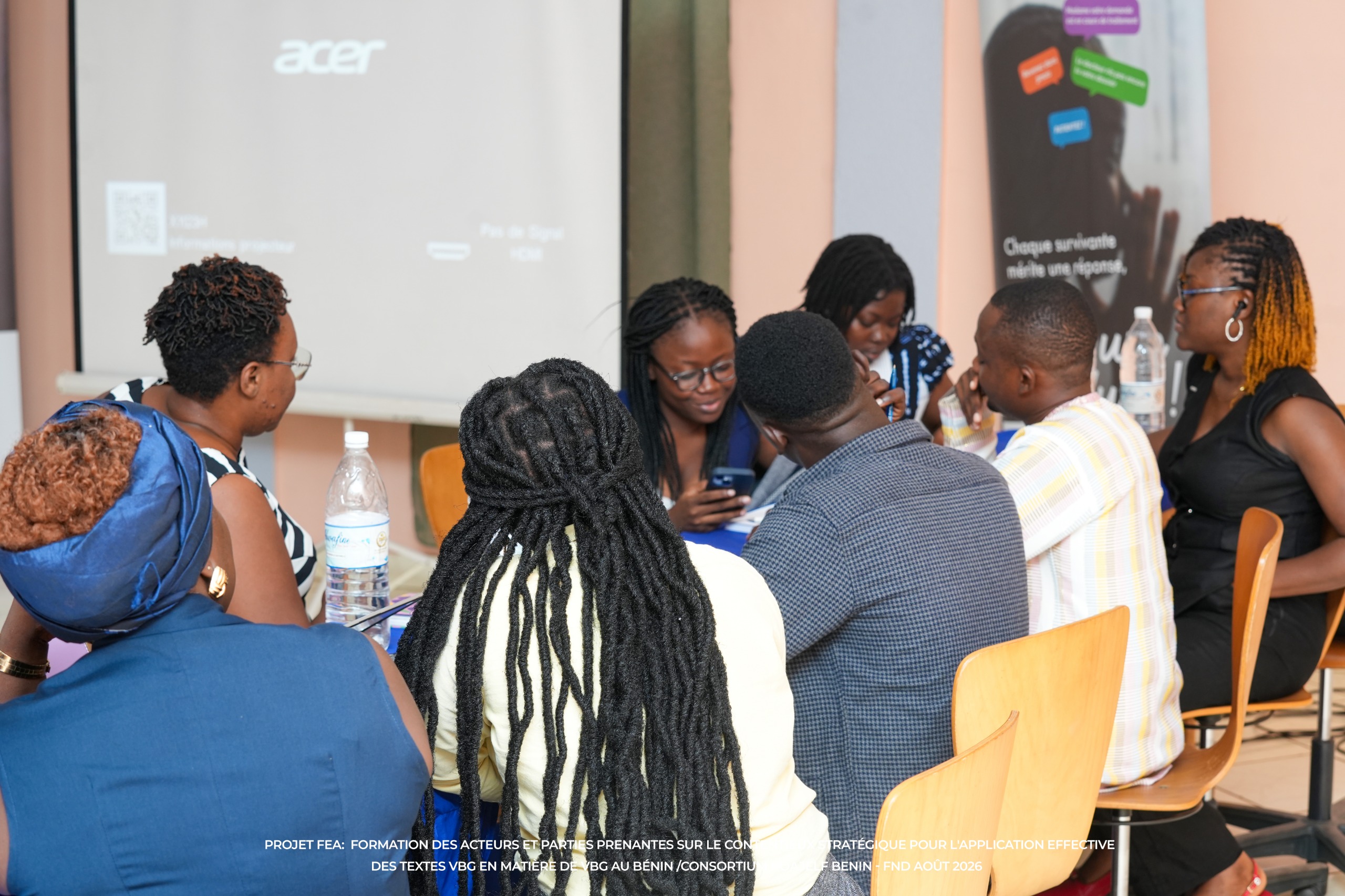
The launch, held at the Maurice Guèye Cultural Center in Rufisque, brought together representatives from national and international institutions: the Director of Family Affairs, the World Health Organization, as well as association and community leaders.
Khadidiatou Kaya Sy, advocacy officer, pointed out that this campaign is based on testimonies gathered in discussion groups and on qualitative and quantitative data produced by the consortium. These results will be officially presented at a national workshop in October.
"Violence in healthcare settings exists. We must accept this, understand its causes, and find solutions," said Dr. Ousmane DIENG, WHO representative in Senegal and expert on respectful care.
When art becomes manifest
At each stage, four artistic disciplines—mural painting, theater, singing, and dance—transformed public spaces into stages for healing and advocacy.
July 23 – Rufisque: dance and poetry opened up a space for shared truth, giving voice to the pain of VGO victims but also to the hope of overcoming it. This opening allowed the link between art, dignity, and the right to consent to be publicly established.
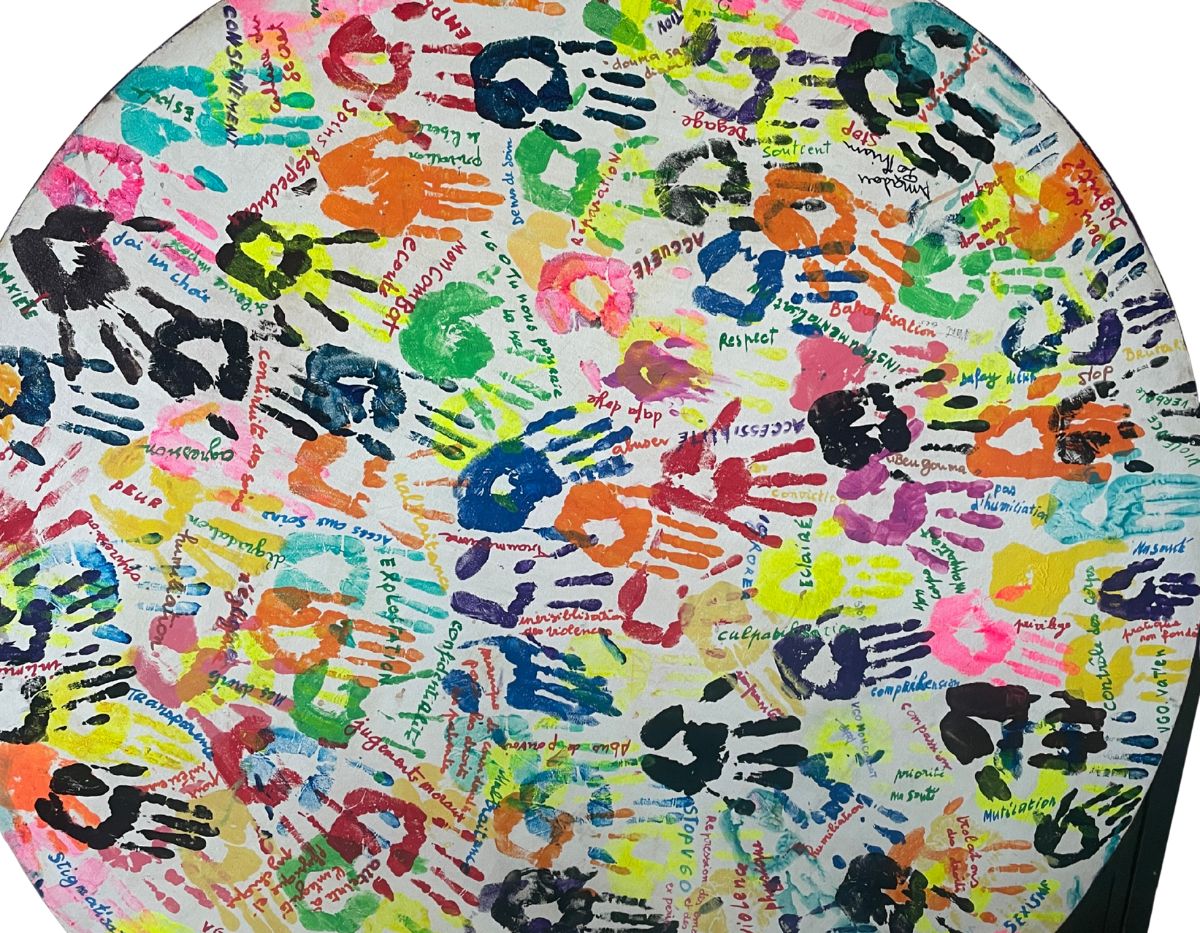
July 24 – Bargny: a mural turned living manifesto brought together residents and artists to proclaim, in images and colors, that our bodies belong to us.
July 26 – Sangalkam: Interactive theater allowed the audience to reenact scenes of care, introducing dialogue and dignity where they had been lacking.
"I thought I was alone. When I saw the others, I realized that there are thousands of us. And that we are no longer alone," said one participant.
Like her, many voices were raised throughout the Marathon, demonstrating the power of collective speech.
July 27 – Yenne: the closing ceremony took the form of a celebration of resistance, accompanied by music and dance, to seal the strength of solidarity that heals and reinforces the power to act.
"I found a part of myself in every gesture, every painting. It's as if we were drawing our wounds... but also our hopes," says Marième, a participant in Bargny.
"Men must be empowered in sexual and reproductive health care processes; they have a role to play in preventing abuse in hospitals," participant, Yenne.
These voices and stories reflect the scope of this Marathon: to make art a collective language and a political tool for transforming society.
Figures that speak for themselves
- 4 days – 4 cities mobilized
- Over 1,500 participants
- Several collective murals
- 8 artistic performances (dance, theater, singing, music)
- 12 local associations involved
- 1 united cry: Stop VGO!
Art in the service of advocating for dignity
"Through painting, singing, dancing, or theater, messages are more audible. Art touches, mobilizes, and paves the way for mass awareness." — Sister LB, composer, feminist activist, and member of the project's advocacy support committee
Beyond the emotions, this Marathon is part of a fundamental advocacy strategy. The data produced by the consortium—based on research and women's stories—aims to highlight difficulties in accessing care, poor hospital reception, lack of informed consent, and discrimination.
The immediate goal is clear: to incorporate the fight against gynecological and obstetric violence into Senegal's National Plan to Combat Gender-Based and Sexual Violence.
These analyses also contribute to a broader goal: helping to reduce maternal mortality in order to achieve the target of fewer than 70 deaths per 100,000 live births by 2030.
An event rooted in the Our Bodies, Our Health project
The Marathon is part of the Notre Corps, Notre Santé(Our Bodies, Our Health) project, led by Equipop and a consortium of Senegalese organizations, with support from AFD. This project aims to raise awareness of VGO, empower women and young people, and promote respectful and humane care.
Following the graphic novel Nos corps, nos voix(Our Bodies, Our Voices), Marathon once again illustrates a strong conviction: changing social and medical norms also requires art, memory, and collective mobilization.
Our bodies, our voices, our struggles
The Artistic Marathon reminded us that another way of healing is possible. To make it happen, we call on:
- communities to increase opportunities for discussion and solidarity;
- caregivers to place consent at the heart of their practices;
- institutions to integrate the fight against VGO into public policy;
- artists and creators to amplify these voices and stories.
Relive the highlights of this Marathon through our recap video: 🎥 Video link
Because dignity and consent are non-negotiable, let's make our voices heard everywhere—in treatment rooms, on the streets, in public policy. The fight continues.