In its 2018 annual report, the Global Fund to Fight AIDS, Tuberculosis and Malaria sounds the alarm. Unless efforts are stepped up, particularly those targeting women and young people, epidemic levels seen in the 2000s could be reached again.
GENDER INEQUALITIES AND MARGINALIZATION OF YOUNG PEOPLE
The report by the Global Fund to Fight AIDS, Tuberculosis and Malaria, published on Wednesday, September 12, is unequivocal:
[blockquote text="The conclusion is simple: we are not on track to end epidemics by 2030, in line with the Sustainable Development Goals targets." text_color="#b3ada9" border_color="#f7461c"]Progress in the fight against HIV/AIDS is indeed insufficient, and international attention must not waver. Against a backdrop of rapid growth in the young population, particularly in Africa, countries must instead redouble their efforts.
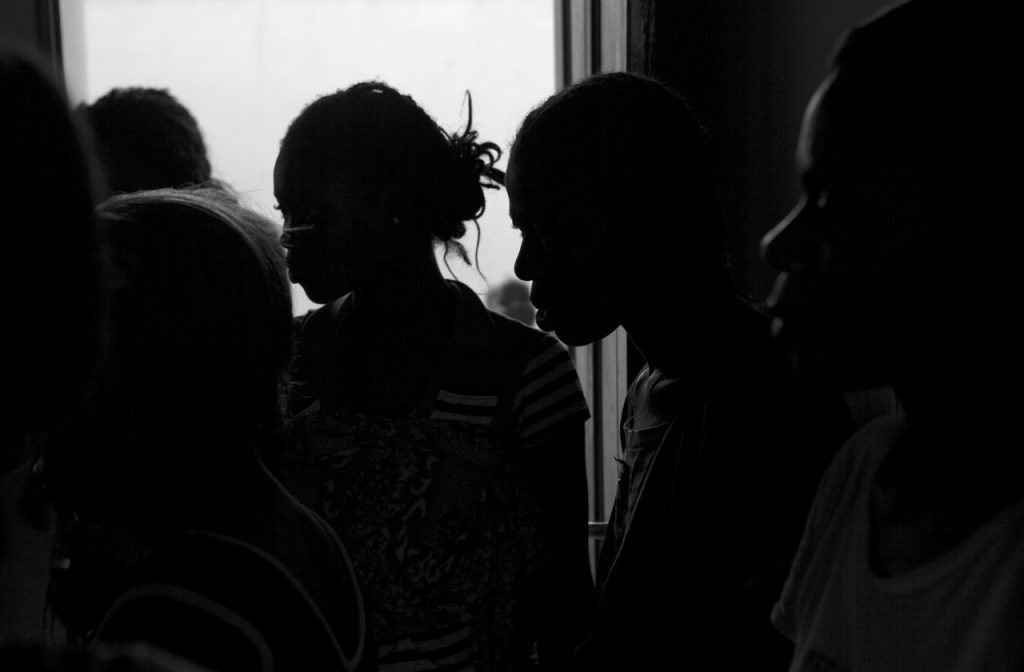
The report highlights that slow progress is due in particular to the fact that infection rates remain very high among adolescent girls and young women, who are disproportionately affected by the epidemic. For example, in some African countries, women aged 15 to 24 are up to eight times more likely to contract HIV than men of the same age.
Two phenomena are at play here. On the one hand, gender inequalities limit women's decision-making power when it comes to sexual and reproductive health. Early marriage, violence, taboos surrounding sexuality, lack of access to education and information, and coercive laws are all obstacles to negotiation, particularly when it comes to condom use or access to health services for women, especially adolescents. On the other hand, the significant progress made in HIV/AIDS care has had the paradoxical effect of dampening the sense of urgency around prevention, particularly among young people.
Furthermore, there has been a relative general disinvestment in sex education and health programs for young people, despite their proven effectiveness.
AN EMERGENCY LEVERAGE POINT: PROMOTING AN INTEGRATED APPROACH TO SRHR AND AIDS CONTROL
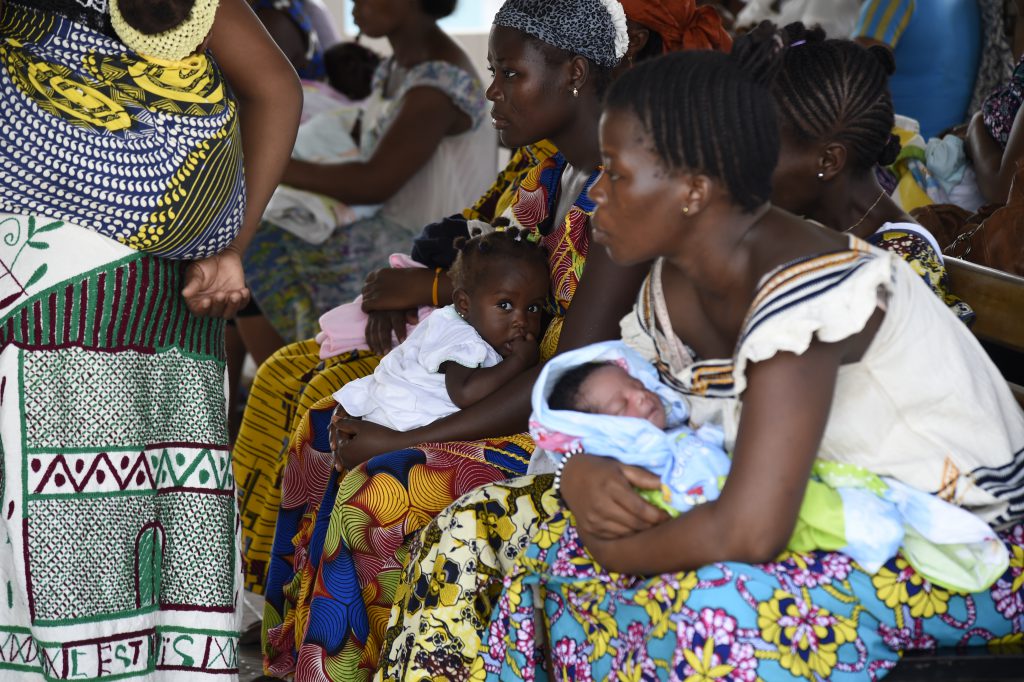
In this context, one lever that can be activated is the integration of sexual and reproductive health and rights (SRHR) programs and HIV/AIDS prevention programs. With the Glion Appeal [1], it has now been fourteen years since the international community reached a consensus on the value of this approach. This involves rethinking the provision of prevention, counseling, and care services within a health care pathway: prevention and management of unwanted pregnancies and STIs/HIV, prenatal care and prevention of mother-to-child transmission, assisted childbirth, postnatal care, and access to treatment. However, much remains to be done to make it effective. This integration, which has been proven to be both efficient and effective, must be based on cross-cutting approaches, in particular the promotion of human rights and a gender perspective. These approaches will make it possible to tackle the social determinants at the root of the pandemic.
© Christophe Abramowitz
The Global Fund report echoes this analysis, considering the fight against gender inequality and the promotion of human rights as two solutions to be promoted. This also complements the cross-cutting approach it promotes to strengthen health systems and improve universal health coverage.
INCREASE FUNDING EFFORTS
While it is important to review policies and programs, these efforts may be in vain without the mobilization of resources commensurate with the challenge. In 2017, international aid for the fight against HIV/AIDS fell well short of what was needed. For example, experts estimate that the Global Fund will need between $16.8 billion and $18 billion for the period 2020-2022. However, contributions from governments have steadily declined over the past five years, with a particularly sharp drop in US funding.
That is why, in a press release co-signed with its civil society partners, Equipop is calling on President Emmanuel Macron to mobilize his counterparts at the Global Fund Replenishment Conference to be held in Lyon on October 10, 2019. Equipop is ready to support France in its leadership role. It will also ensure that future programs take into account gender issues and the needs of young people, and make the integration of SRHR and the fight against HIV/AIDS a reality.