It is by listening to those most affected that we can understand the oppression they face. Feminist activists involved with Equipop as part of the "Young Feminists in West Africa" project have understood this approach well. For nearly a year, they have been meeting with women and girls in rural areas to listen to their concerns, difficulties, priorities, and specific needs in terms of rights. Equipop presents feminist community discussion caravans !
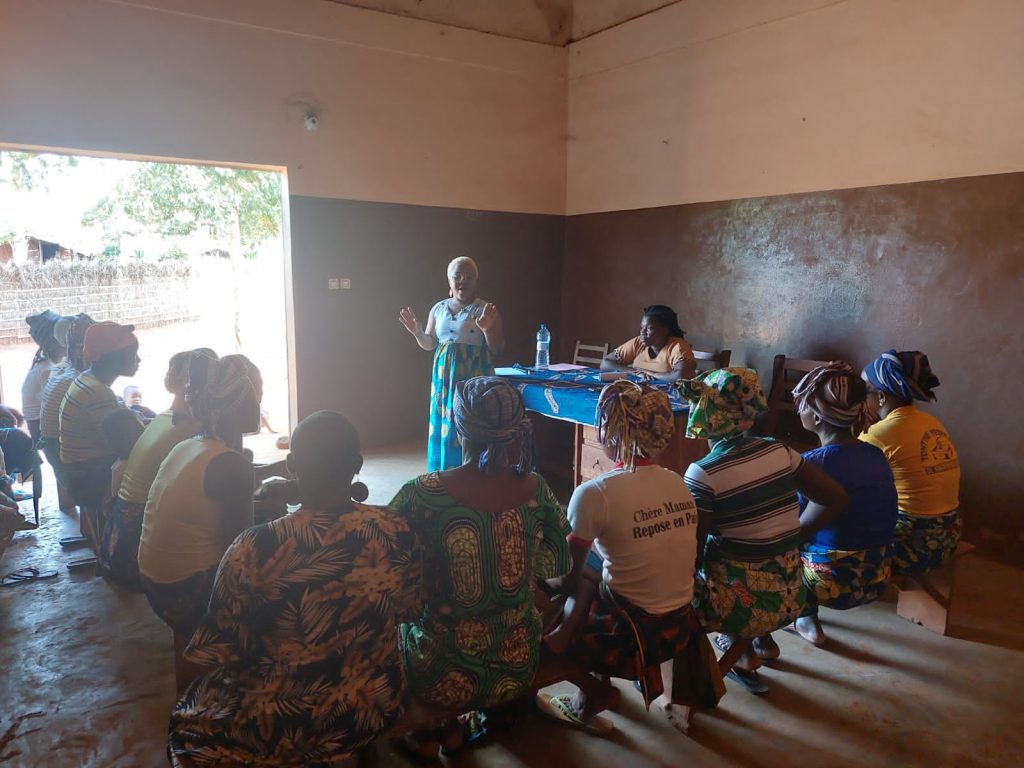
In Benin, Burkina Faso, Côte d'Ivoire, Guinea, Mali, Mauritania, Niger, and Senegal, Equipop and feminist activists organized community discussion caravans in three regions per country, particularly in rural and peri-urban areas. These caravans consist of organizing opportunities for discussion between feminist facilitators from each country and women and girls from these localities, particularly those in vulnerable situations. From July to September 2022, a first series of caravans took place. We are currently in the middle of the second series, which began in February.
The origin of the caravans: the desire to better defend the rights of all women and girls
Feminist activists in West Africa are often criticized for focusing too much on the realities of women in capital cities. Well aware of their blind spots, several activists working in the sub-region have been questioning this approach for several years and proposing ways to make the feminist movement more inclusive. The challenge is also to make room in the feminist movement for women and girls who are socially or geographically marginalized. Another observation is that the severe lack of data on gender-based and sexual violence in West Africa makes it more difficult for feminists to mobilize social and political support. To address these concerns collectively, Equipop has facilitated online discussion forums open to feminist activists. Gradually, these discussions have evolved into co-construction meetings involving some 50 activists from diverse backgrounds, including community activists, journalists, sociologists, doctors, and others. By sharing their ideas and experiences, they have managed to formalize a regional action plan for feminist community discussion caravans.
Encouraging open discussion about gender-based and sexual violence
For over a year, feminists have been reaching out to marginalized women's groups. In each locality, they created a space for dialogue about sexist experiences and gender-based and sexual violence experienced or witnessed by the women and girls they met. These spaces took the form of talking circles where women shared their experiences and gave their opinions and feelings about their rights and feminist actions. In all of the areas visited, the women and girls they met reported having experienced or witnessed gender-based and sexual violence. In particular, there was a high prevalence of intimate partner violence, difficulty for young people to access sexual and reproductive health information and services, a virtual absence of services for victims of violence, and the omnipresence of sexual violence. In order to collect more data on this violence and improve the reception and care of survivors, feminists—as well as health workers, community and social workers, justice officials, and police—need human and financial resources. That is why, in parallel with the caravans, feminists are preparing the Compter pour toutes (Counting for All) campaign. Finally, despite the common misconception of rivalry between women and a lack of female solidarity, many participants in the discussions shared stories of mutual support and sisterhood among women.
Collective learning
“These caravans were a wake-up call: I realized that the impact of my activities was limited to Dakar. We need to try to decentralize things!” – Fatou Warkha Sambe, Senegalese feminist activist. These caravans proved to be a rich source of knowledge and learning for all parties involved. The work on privilege undertaken since the beginning of the process allowed everyone to take a step back and reflect on the biases that could alter their understanding of the situations experienced by the women they met, and their responses to these situations. The listening approach used by the facilitators encouraged the women and girls they met to speak more freely. Through these exchanges, the feminist activists became aware of the lack of information about rights and violence affecting some women and girls in their countries, which can lead to misunderstandings about feminist actions. Finally, this activity highlighted the importance of connecting feminists with women and girls in rural or less accessible areas, regardless of the logistical challenges. We must continue to create spaces for exchange that are as safe as possible for women to better understand each other and collectively build responses to patriarchal oppression.
As the last caravans come to an end, the analysis of exchanges and data on the rights and realities of the women and girls encountered will lead to the writing of a regional report to promote social and political mobilization. A reflection on the lessons to be learned from such a collective experience is also being launched to enrich the dynamic of opening up feminist movements to women and girls in situations of marginalization.