– Feminist caravans of community discussions: meetings with Ramatoulaye and Irad

For nearly a year, feminist activists from eight West African countries, working with Equipop as part of the "Young Feminists in West Africa" project, have been traveling the roads of their countries. They set out to meet women and girls in rural areas to listen to their concerns, difficulties, priorities, and specific needs in terms of rights. These are the feminist community discussion caravans. This week, Equipop takes you to meet two of these activists: Ramatoulaye and Irad! 

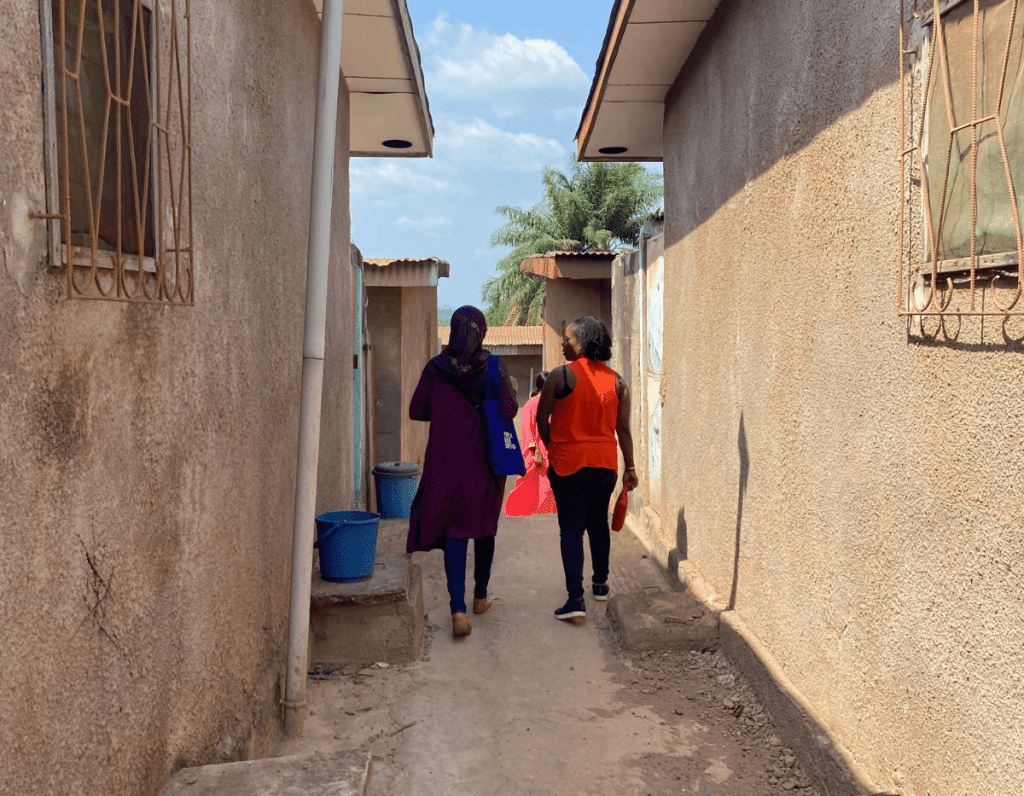
Ramatoulaye is an Ivorian feminist activist committed to fighting violence against women in her community and country. Irad is an Ivorian feminist activist who is also involved in several women's networks, including the Côte d'Ivoire Network of Women Peace Mediators.  Together, last March, they traveled west to Duékoué and Bangolo, where they met with women working in the cassava fields and young girls in Bangolo. On the road, they shared with us the reasons for their commitment. 

[vc_column width= »1/2″]
[vc_column width= »1/2″]

Ramatoulaye TRAORE

“When it comes to women's rights, whenever I can contribute, I don't hesitate.”

  • Why did you join the caravan project? 
I thought it was a wonderful initiative. As a women's rights activist, I thought it was a great opportunity to meet rural women.

My second motivation was sharing. I knew that I would be able to share my knowledge about women's rights and also learn from them. I already saw discussion groups as spaces where we could offer possible solutions to women who experience violence on a daily basis. My feminist commitment left me no choice but to join the caravans!   

  • What did you learn from the women you met? 
The contrast between urban and rural areas was striking! With them, I was certain that I had not chosen the wrong fight. They taught me that they were the real targets of our commitments, of our struggle. I learned more from them than they learned from me! They also fight for women's rights with great solidarity.  Every encounter is different. We learn from their lives and reorient our positions.   
  • The two rounds of meetings were held in towns in western Côte d'Ivoire. Do women there share common concerns? Do they face the same challenges? 
The situations are the same. When we talk about violence, we immediately think of "rape" and "domestic violence." The older women we met were all married at a very young age, did not attend school, and are more likely to suffer violence. They were taught to endure hardship for the sake of their families. The prevalence of rape, regardless of location, means that victims are numerous and diverse in age. During the first wave of caravans, we noted many pregnancies in schools (more than 400 in one school year in Man). There, school pregnancies are a real issue. The way these issues are addressed varies depending on the location: in Man, there are many feminist associations, unlike in Duékoué, Bangolo, and Danane, where there are no feminist associations, but rather neighborhood community associations. 

[vc_column width= »1/2″]
[vc_column width= »1/2″]

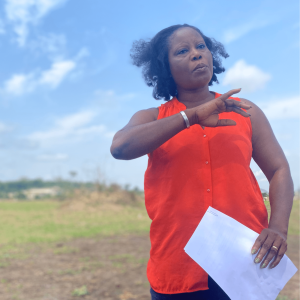
Irad GBAZALE

  • Why did you join the caravan project? 
Leading these caravans is a passion; it's my world, my daily life.  Once again, I wanted to serve women's rights, to fight for their rights. 

Introduce them to different fields and teach them about women's movements. They should not be left out of all these actions; motivate them in their commitment.  They take action without knowing that they are feminists.     

  • What did you learn from the women you met? 
I learned a lot from their shared experiences and their lives. 

  • The two rounds of meetings were held in different locations in western Côte d'Ivoire. Do women have common concerns? Do they face the same challenges?
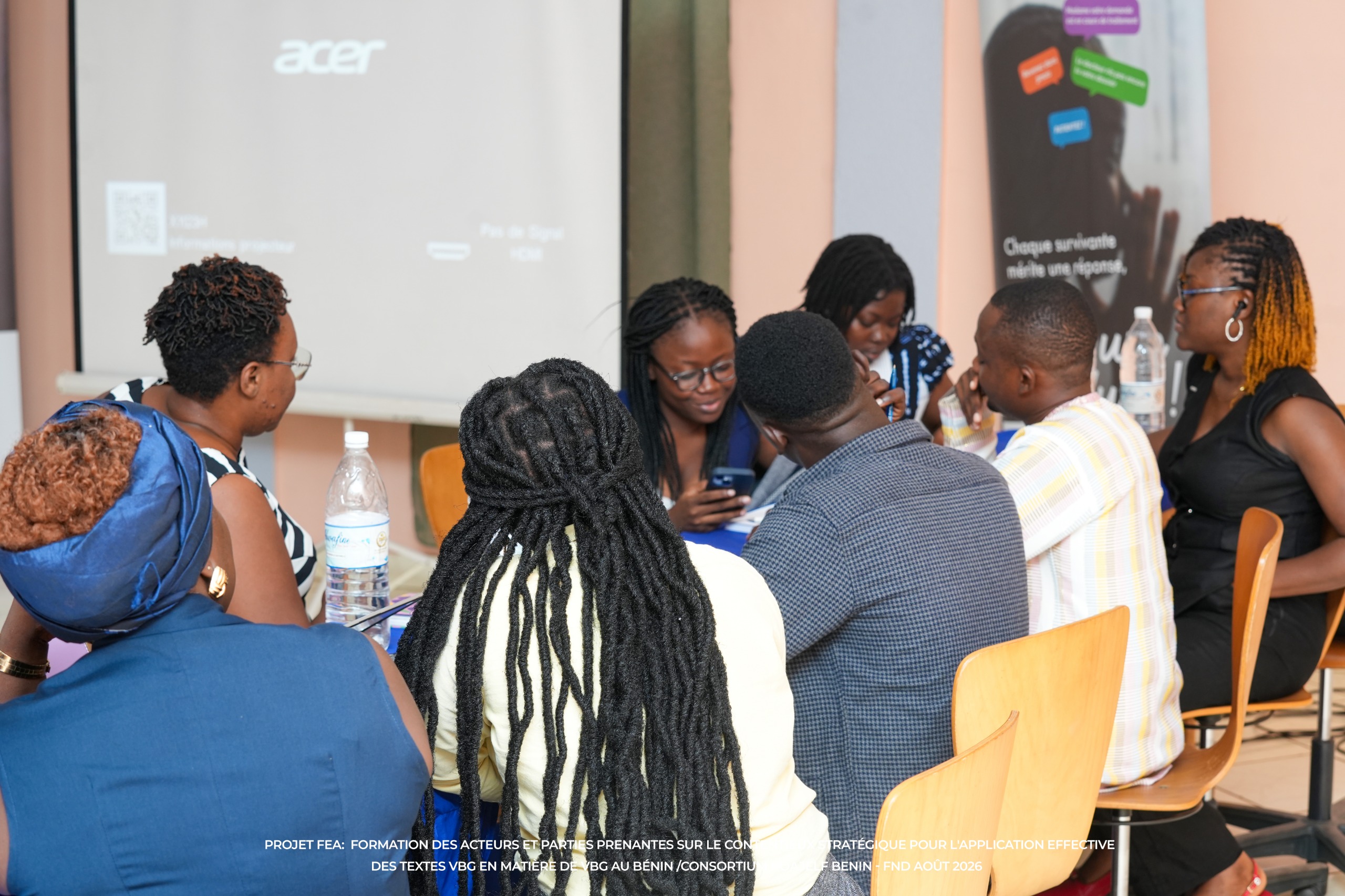
They share the same concerns: the violence they suffer, sexual assault, rape, denial of resources. The amicable settlement imposed in cases of sexual assault by customary law is an injustice that they all denounce.  They placed a strong emphasis on health, access to healthcare, which is difficult and costly for them. 

Further information

April 22, 2026

At a time when gender equality and international solidarity are under direct attack around the world, Equipop has set out to strengthen its alliances in order to take strong

April 2, 2026

Open Letter to Public Authorities, Academic Institutions, and Stakeholders Committed to the “One Health” Approach, Ahead of the One Health Summit in Lyon

March 31, 2026

Equipop has been involved in the development and monitoring of French feminist diplomacy for several years. In particular, in October 2025, we published a report on

Looking for something?