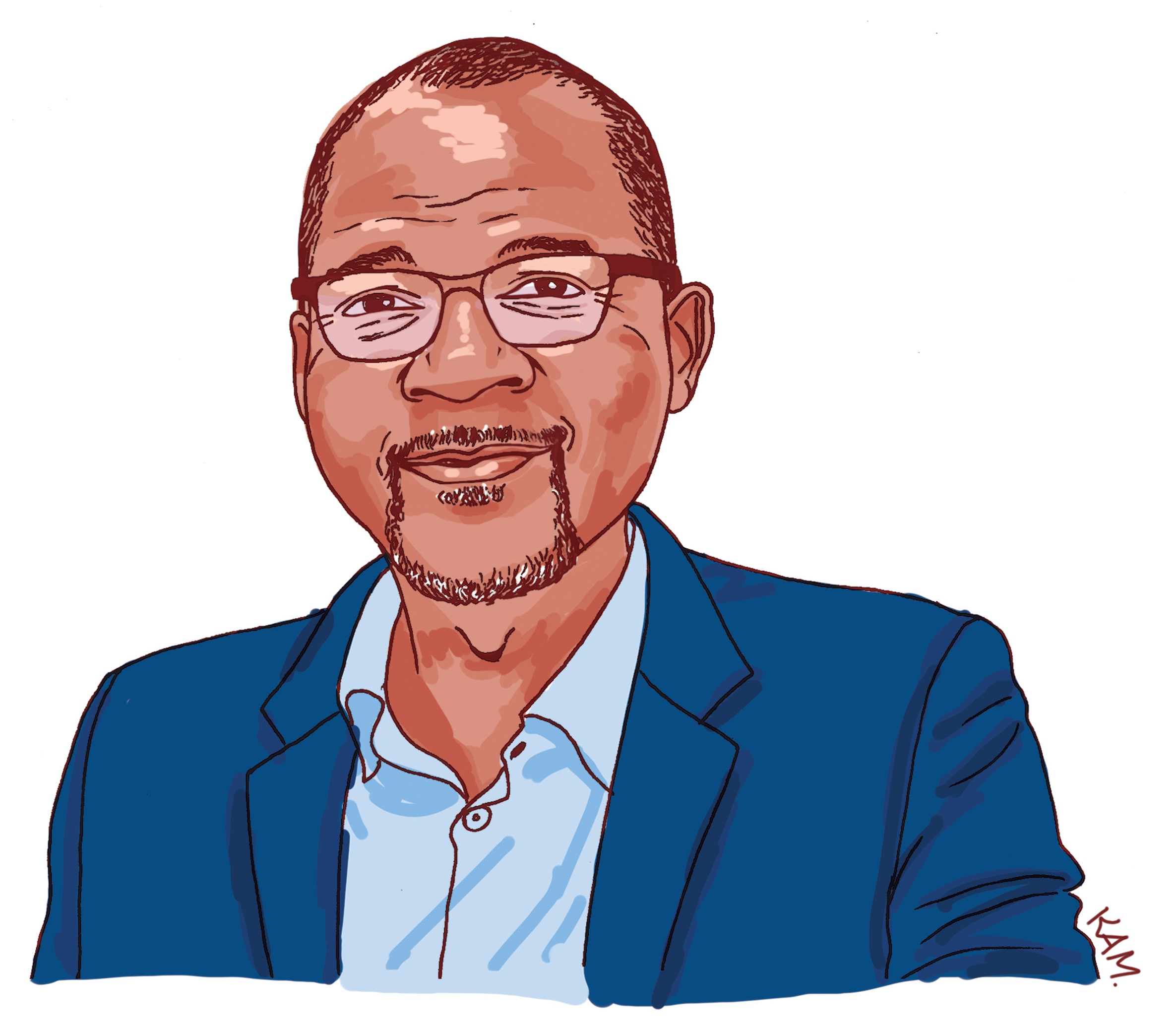
François Brou is a project manager forONEF (National Organization for Children, Women, and Families). Founded in 1994 in Côte d'Ivoire, ONEF works in the areas of health, education, the promotion of women's rights, and agriculture. Led by a woman, Ms. Gogoua Rachel, it has around ten employees and volunteers. It is based in Abidjan and has two offices as well as representatives in cities throughout the country.
Why did you want to submit ONEF for certification?
 Other NGOs belonging to Alliance Droits et Santé in Côte d'Ivoire and other countries in the region had already committed to the process. We didn't want to be left behind. We quickly realized that we couldn't let this opportunity to affirm ONEF's good governance and management pass us by.
During the exercise, we realized that beyond seeking to obtain the Label amplifierThe entire process allows us to become aware of many issues that we would probably not have noticed otherwise. It is therefore an opportunity to improve our management. The process involved both the technical teams in the field and the board of directors. We had to work together to try to meet all the requirements for obtaining the label.
Other NGOs belonging to Alliance Droits et Santé in Côte d'Ivoire and other countries in the region had already committed to the process. We didn't want to be left behind. We quickly realized that we couldn't let this opportunity to affirm ONEF's good governance and management pass us by.
During the exercise, we realized that beyond seeking to obtain the Label amplifierThe entire process allows us to become aware of many issues that we would probably not have noticed otherwise. It is therefore an opportunity to improve our management. The process involved both the technical teams in the field and the board of directors. We had to work together to try to meet all the requirements for obtaining the label.
How did the certification process go?
When we first applied, we requested Level 1 certification. However, ONEF was not selected. We mainly ran into issues with employee social security declarations. Our reporting processes were not systematic. The information was reported to the board of directors. Since then, of course, things have been getting back on track. We have integrated it into our procedures. We are gradually allocating resources to bring ourselves into compliance.
When you were denied Level 1, why didn't you give up?
Two factors led us to persevere. First, we were convinced of the added value of this label. It is an important seal of approval for us. Second, other organizations had achieved Level 1. Our pride was stung when we saw that other, younger NGOs had obtained the label. How could we move forward without it? It was impossible!
What has the Amplifier Label brought to your organization?
There have been some very concrete advances, such as bringing employee social security declarations into compliance and regulating internal meetings of the executive management and the Board of Directors. Statutorily, meetings are held quarterly. But the members of the Board are busy with their activities and it is very difficult to bring them together; there were always scheduling conflicts. When we sent reports by email, we received little feedback and there was virtually no communication between Board members. The certification process has brought people back to their commitments. They have regained their strategic importance for ONEF. The certification process also involves an in-depth analysis of management, at both the strategic and operational levels. We combed through all our plans and processes to review all our elements and bring them up to standard. In truth, it is becoming increasingly difficult to mobilize resources, particularly financial resources, to implement activities. We must therefore do everything we can to secure funding. When we submit funding applications, donors see the label. They know that we are supported by a group comprising Equipop and Alliance Droits et Santé. This is a guarantee of credibility and transparency. They know that our accounts and procedures are monitored and certified. This enables them to enter into partnerships with us.
Are you already thinking about applying for Level 2?
Of course! For now, we are communicating within ONEF to try to raise awareness among all our agents and inform them about the label and its importance. We want to let people know that we are in the process of becoming an exemplary NGO. As soon as the third call for applications opens, we will be ready to try for level 2! I also think it would be interesting to share more experiences with other certified organizations. We already have the Label newsletter ampli newsletter, which provides us with a lot of information. But we could go further: why not analyze the impact in depth, initiate procedures to apply jointly for funds, etc.?