Head of Advocacy and Communication for SOS Jeunesse et Défis in Burkina Faso, Etienne Koula has been involved in Alliance Droits et Santé since its launch in 2013. His organization is committed to quality initiatives undertaken with the support of Equipop, and then to the implementation of the Label Ampli process. He participated in the first mission of the certification committee in Benin in early March 2021.
 How did you come to participate in this mission in Cotonou?
Equipop and Alliance Droits et Santé have been supporting organizations in their quality initiatives for many years. Several steps have already been taken through self-assessments of Alliance member organizations and thanks to the SCAN tool and other tools offered. The SCAN tool enables organizations to perform a self-assessment to identify their weaknesses and strengths. This tool enables suggestions for improvements to be made for future interventions by each organization involved in the quality approach process. The certification is the culmination of these efforts.
At the end of 2018, I became a member of the Committee for the Allocation of DO Funds.DO fund allocation committee set up by Equipop. When the Ampli Label was launched, the members of the DO Fund Allocation Committee were invited to become members of the Labeling Committee. Thus, for several years, I have been involved in analyzing applications for DO funds. As a continuation of this work, the Committee appointed me to participate in the mission to evaluate organizations in Benin.
What criteria were used in the evaluation?
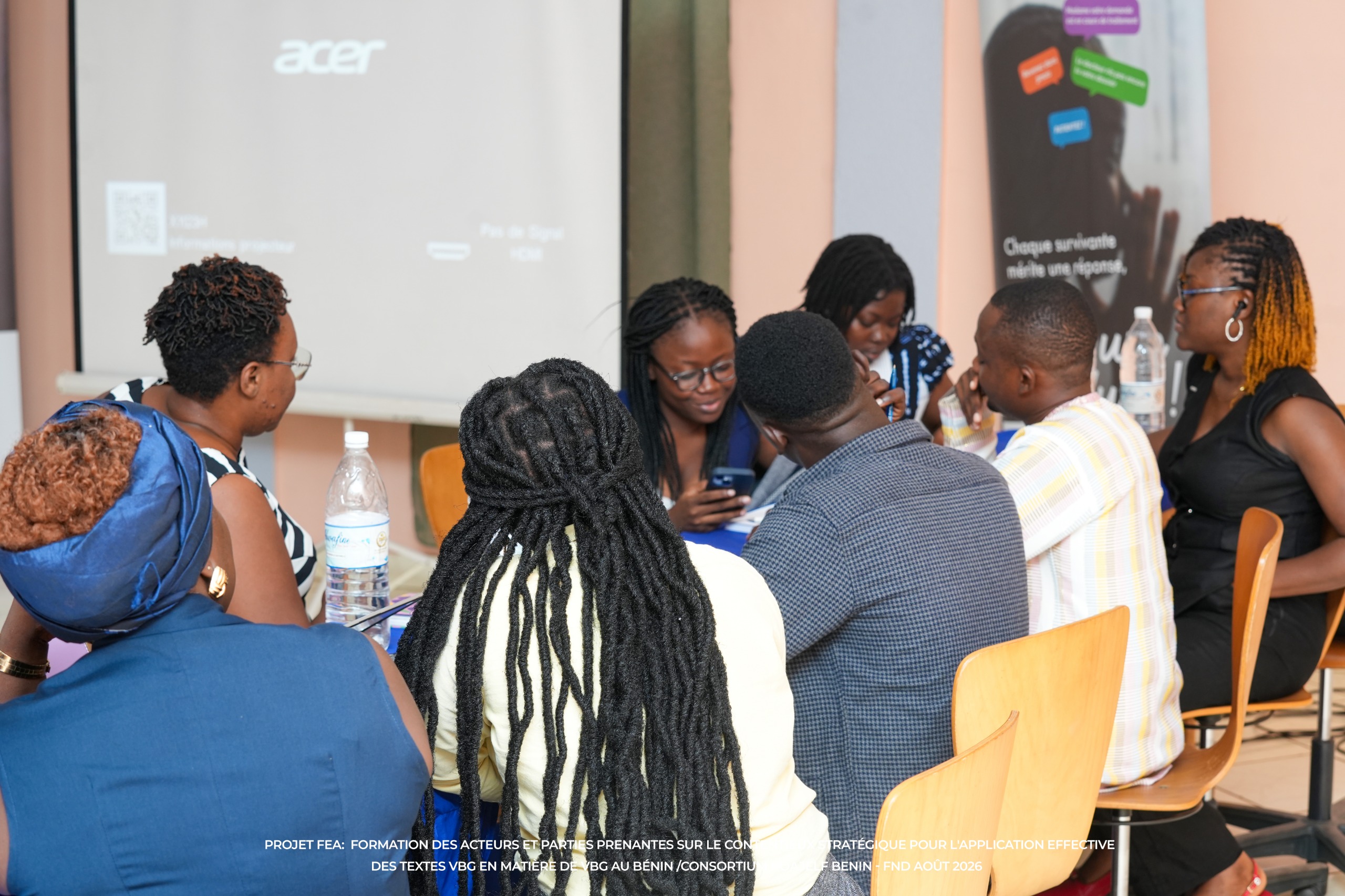
In Cotonou, we met with representatives from three organizations (ROAJELF, Jeunes Volontaires pour la Santé, and the NGO Le Bacar). We scheduled one session per organization to meet with the heads of the organization, members of the board, and other individuals who would be useful for the mission. In practical terms, the organizations provided the evaluation team with all the documents necessary for this evaluation. The evaluation team used an evaluation grid, which had been shared in advance with the organizations applying for the Label. Based on the existing documents, the work mainly consisted of verifying all these documents in terms of completeness, authenticity, and availability.
The assessment is based on compliance criteria covering six areas: quality culture, leadership and governance, strategy, activities, employees, and resources. It is essentially an assessment of the administrative situation. First and foremost, we check whether the documents are partial or complete and whether they comply with standards. When this is the case, there is no need for discussion. However, for certain documents, if they do not exist or are partial, we can discuss the reasons why a particular element is missing. Sometimes these are items that exist but have not been updated. For example, in the statutes of certain organizations, there is no mention of the frequency of revision of the texts. We have therefore drawn the attention of these organizations to the need to include this provision in the texts for greater transparency.
What is the primary benefit for an organization to embark on this process?
As a member of an organization, I clearly see that having this physical presence to immerse oneself in these investigations helps organizations to self-criticize, to raise questions about governance principles and everything related to the life of their structure, and finally to look to the future. Thanks to the committee's observations, organizations have been able to identify their shortcomings and deficiencies. For example, in terms of document archiving, governance, employee management, and the availability or otherwise of certain strategic documents that are a minimum requirement for the organization. This gives them a clear idea of the state of their organization and leads them to self-criticize the way they manage certain things. This strengthens their vision and encourages them to work towards achieving a certain level of quality in their interventions. It also guarantees that resources will be mobilized for the organization in the future.