The International Day for African Culture and Culture of African Descent, celebrated annually on January 24, highlights the richness, diversity, and vitality of the cultures of the African continent and its diasporas. Established by UNESCOUNESCO in 2019, this day is part of a commitment to promote cultural diversity, human creativity, and dialogue as the foundations of sustainable development and peace. But this celebration is also an opportunity to examine the power relations that exist across cultures, particularly gender inequalities, and to highlight the long-invisible contributions of women.
Long relegated to the margins, cultural practices promoted by women have nevertheless been a central focus of feminist struggles, in Africa as elsewhere. Faced with gender hierarchies reproduced by cultural institutions, African thinkers and artists have embraced culture as a space for resistance, reappropriation, and reinvention. Between criticism of colonial legacies, promotion of traditional knowledge, and internal debates within African feminism (from womanism to motherism), culture has become a powerful lever for liberating imaginations and asserting diverse female voices.
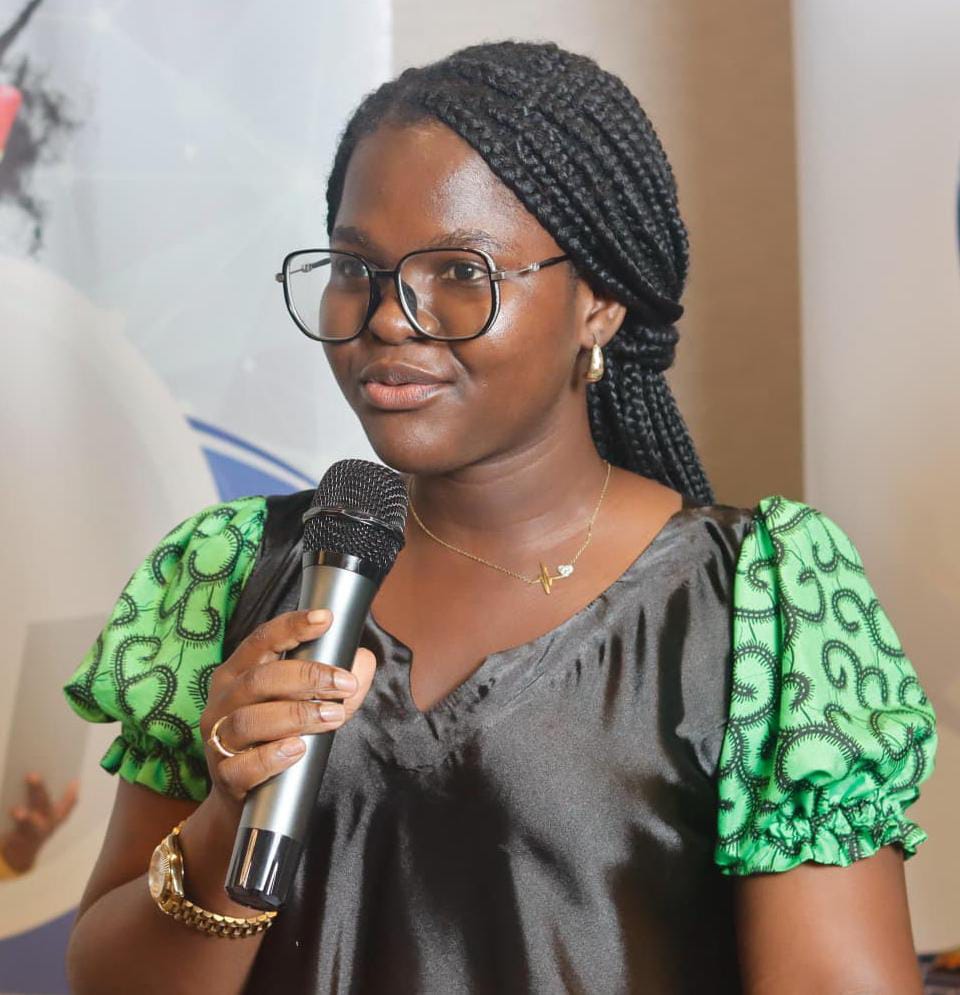
Charlotte Ezebada, consultant and trainer in women's political participation and gender issues, project manager and president of the Women and Power Association in Benin, is committed to feminism at the intersection of culture, leadership, and social transformation. With a Master's degree in development, specializing in governance and public management, from Senghor University in Alexandria, and as an activist withthe Francophone Feminist Alliance, she advocates for an approach to African feminism rooted in cultural realities and women's lived experiences.
How does culture fuel your feminist commitment?
Culture is one of the first areas where I understood that power is never neutral. It is through culture that roles and imposed silences are transmitted, but also the invisible strengths of women. In my feminist commitment, I refuse to allow culture to be used to justify injustice. Instead, I want to reinvest it as a field of resistance and transformation.
As an African feminist and activist for women's leadership in decision-making spaces, I draw on culture to anchor our struggles in our realities, our histories, and our languages. Deconstructing, transmitting, reinventing; culture allows me to politicize women's lived experiences and legitimize their presence where decisions are made.
A work of art, a practice, or a cultural heritage that has given you strength?
I draw strength from the legacy of African women who have always resisted, even without being labeled as activists. Those who held families, markets, and communities together. Those who spoke up when it was necessary to speak up and who took action when the system excluded them.
The practice that inspires me most is that of women sharing their voices. Circles, discussions, stories passed on from woman to woman. This collective voice, often relegated to the margins, is for me a profoundly feminist act. Today, I continue this practice by supporting women in speaking up in spaces of power, asserting themselves without apology, and transforming these spaces from within. I began by creating Café Femme Leader, an intergenerational space that I created in 2019 that brings together leading women and young girls who are committed or seeking guidance.
For me, culture is not a fixed heritage. It is a field of struggle, memory, and future.
Charlotte Ezebada is a member of the Francophone Feminist Alliance and regularly collaborates with Equipop on issues related to gender and women's political participation. She also participated in the Fourth International Conference on Financing for Development in Seville (June 30–July 3, 2025), where she raised feminist issues related to culture, leadership, and social transformation.