Can you briefly introduce your organization and share the feminist vision that guides your work in your country and in the MENA region more broadly?
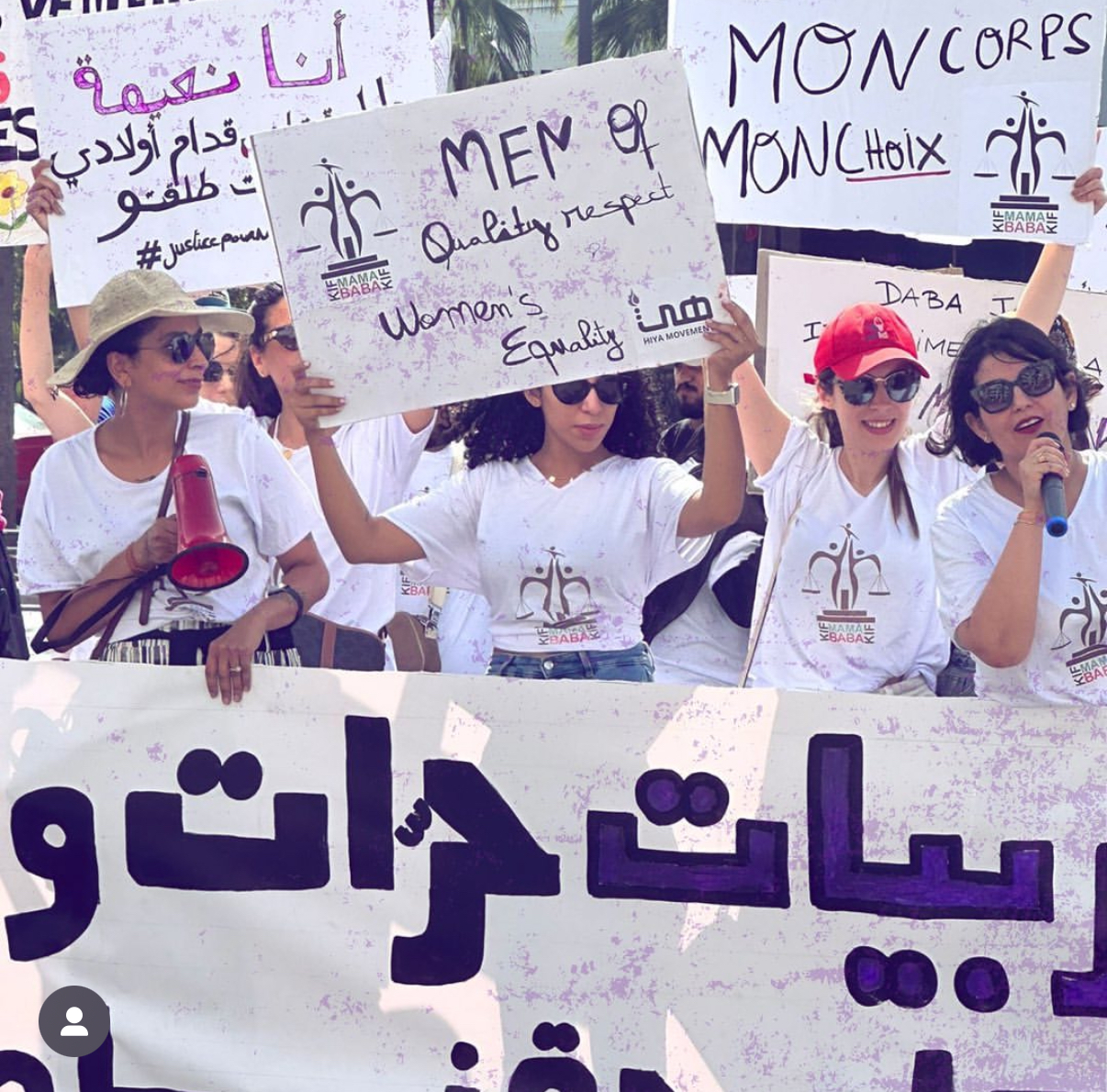
Kif Mama Kif Baba is first and foremost a simple idea: to make feminism a collective, living cause that is accessible to all. We are a Moroccan feminist collective working to create a more just, equal, and free society. We believe that change comes through speech, solidarity, and women's ability to reclaim their spaces, their stories, and their rights. The beating heart of our work is the generational continuum for women's rights. Our ambition is for women and men from all walks of life to come together to exchange ideas, debate, learn, and imagine concrete actions together.
Our approach is based on transmission and co-construction: building bridges between generations, between movements, between living spaces. The feminism we defend does not exclude, it connects. It invites us to collectively rethink power relations, masculinities, and solidarity in a society that is changing rapidly but still needs to learn to fully recognize women's rights.
In your opinion, what is the main challenge facing women and young feminists in your country today?
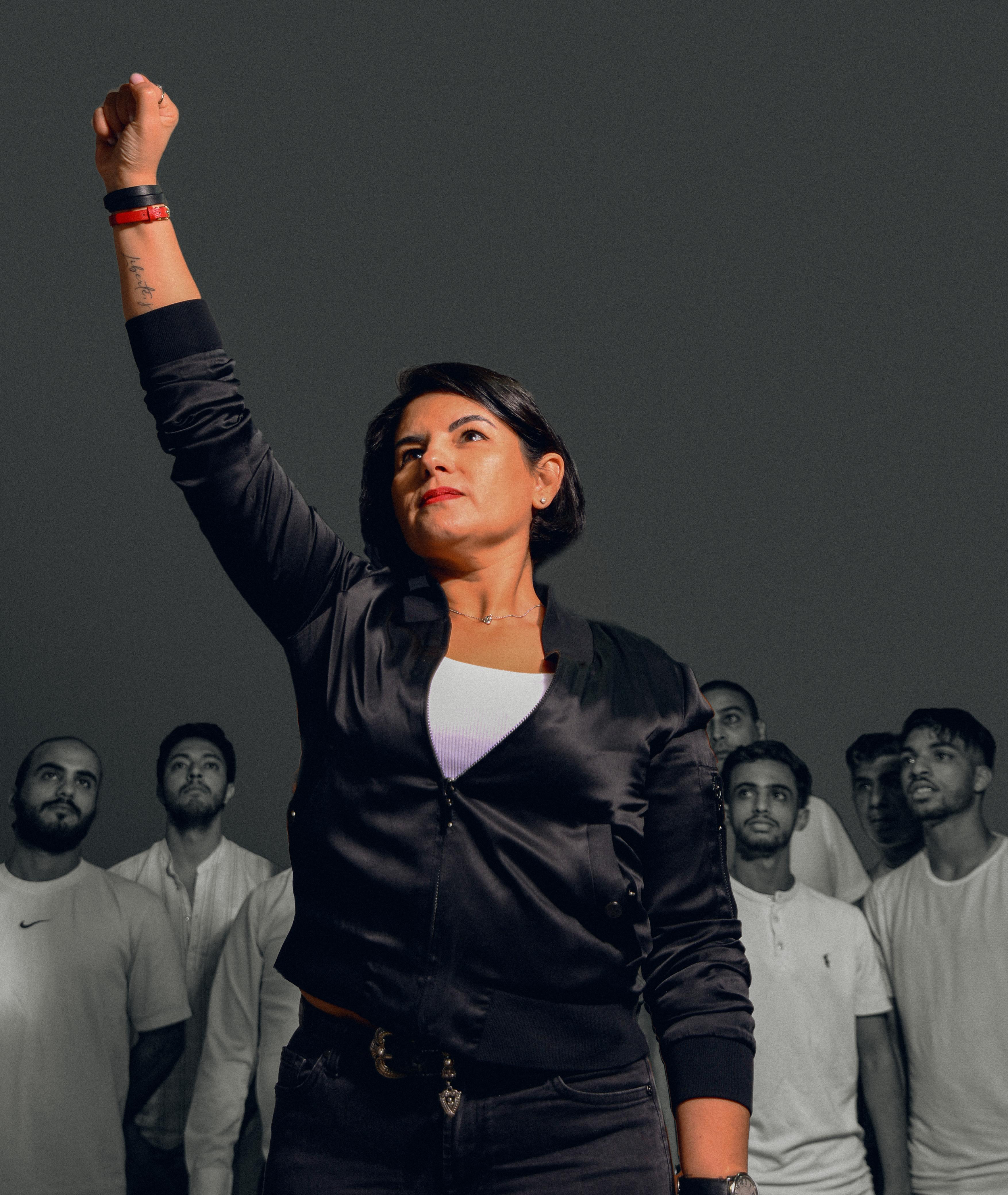
The major challenge today is that women's voices are still too often invisible, marginalized, or silenced, especially when it comes to young feminists from working-class backgrounds. On the one hand, we are seeing the rise of anti-rights movements, which are organizing and occupying more and more space, both online and in the public sphere, to challenge advances in equality and individual freedoms.
On the other hand, there is the inability of politicians and institutions to make decisions and accelerate essential reforms: the Family Code, the Penal Code, the law against violence against women, and women's political participation.
This institutional slowness creates a feeling of weariness and disillusionment. Yet Moroccan society has evolved. Women are present, active, educated, and engaged, but they come up against structures that are not advancing at their pace. Meanwhile, online violence is on the rise on social media. Young activists, journalists, and content creators are the targets of harassment and smear campaigns, some of which are orchestrated.
Why did you decide to participate in the Questions of Equality project, and what does this partnership mean for your organization?
We joined Questions d’Égalité because it promotes a vision of feminism that resonates with us: an approach rooted in the field, based on the real needs of activists and communities. For us, this partnership is a space for breathing and connecting. It allows us to strengthen our advocacy, give more visibility to women's voices, and build solidarity with sister movements at the national and regional levels.
What specific activities are you carrying out as part of the project in your country? Why is flexible feminist funding important for young feminist movements?
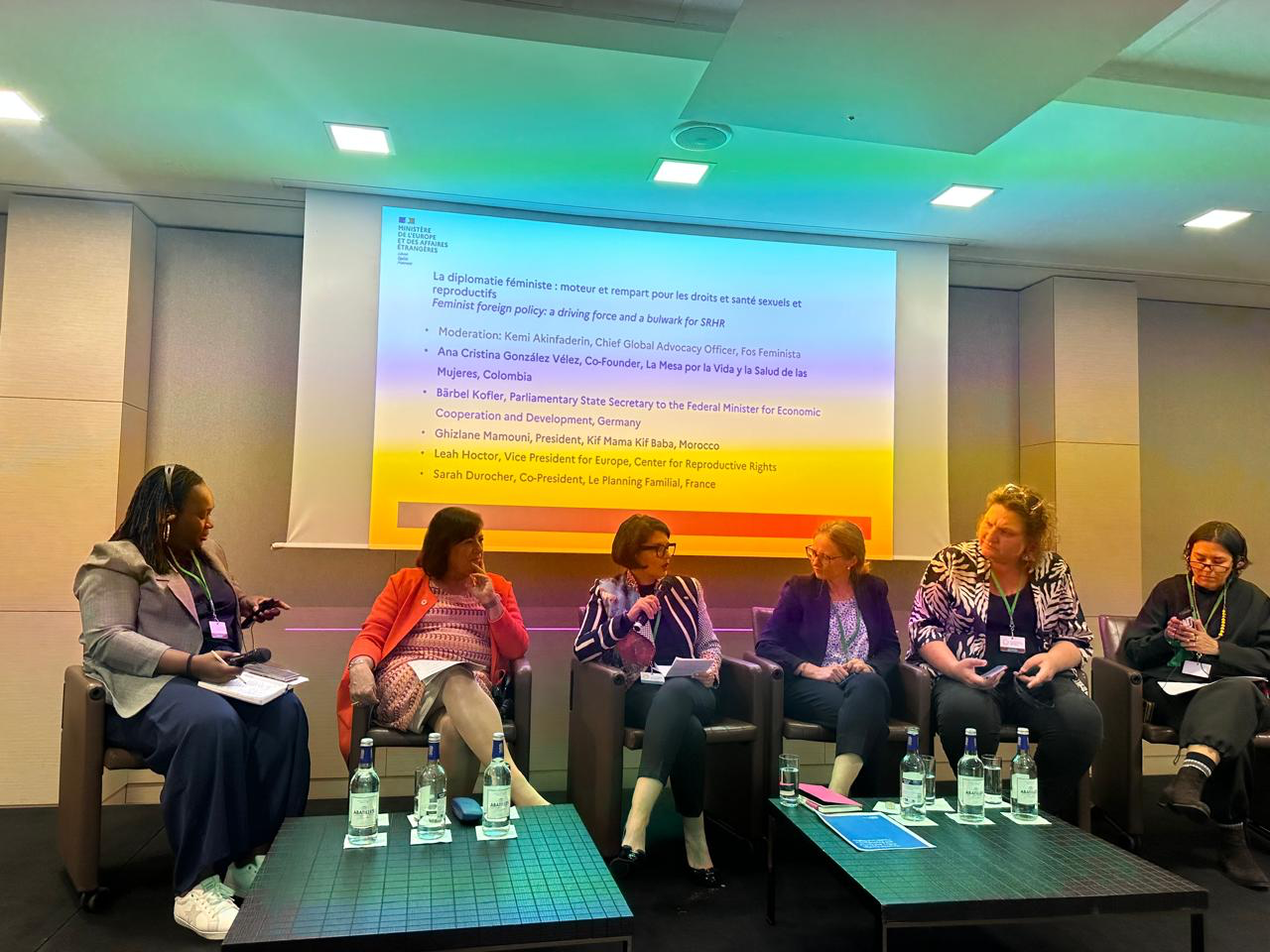
In Morocco, our work is fueled by three closely linked dynamics. The Women's Circle remains our beating heart—a space for meeting, exchange, and sisterhood, where bonds are forged between generations of women. Alongside this, we run awareness and advocacy campaigns that have reached thousands of people online and in community media, denouncing technology-facilitated violence and defending women's right to exist in the digital space without fear. Finally, we support and train young activists in communication, advocacy, and collective organization. These activities feed into each other, making our feminism a movement of action and continuous learning.
The flexible funding model allows us to act at our own pace, according to the urgent needs on the ground, without being constrained by a rigid schedule. Feminist activism, especially when it is young and popular, does not always follow a linear plan: it is invented in the moment, in response to the realities of the moment. This freedom is precious; it allows us to experiment, to create, to resist.
How does the project contribute to strengthening the feminist movement in Morocco, particularly in a context that is sometimes hostile to women's rights?
The Questions d’Égalité project also helps to strengthen our presence in what can sometimes be a hostile environment. It acts as a space for breathing and solidarity, where feminist voices can come together, exchange ideas, and support each other. In a country where debates on reforming the Family Code are stalled and institutions are moving slowly, it is crucial that civil society stays the course, continues to occupy the field, and relentlessly reminds everyone that equality is not a favor, but a fundamental right.
How do you contribute your expertise to the Equality Issues project?
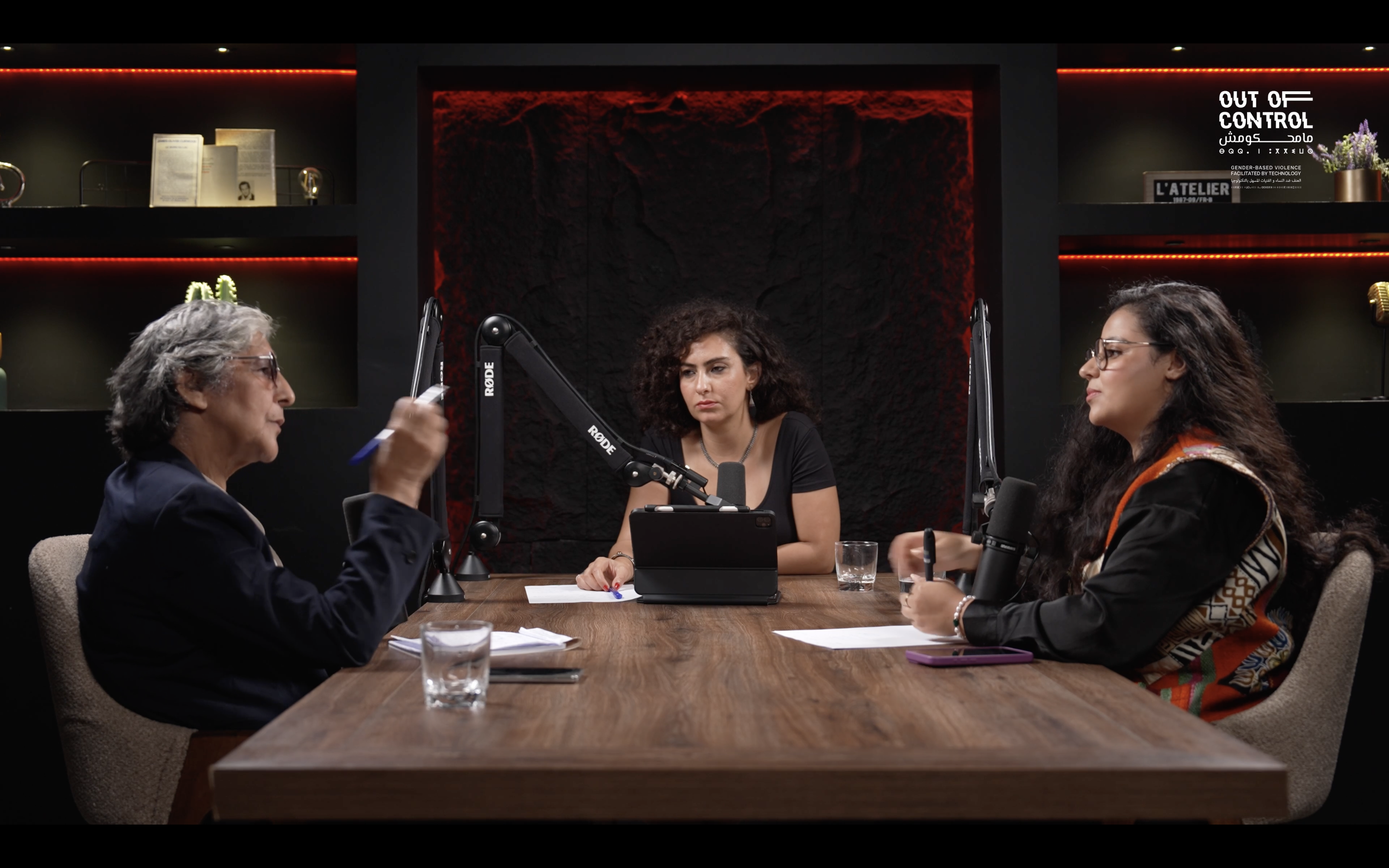
What Kif Mama Kif Baba brings to this project is our expertise in incubation and community mobilization. We know how to transform life stories into political narratives, connecting the personal to the collective, experience to action. We use speech, video, and debate as tools for change. Our role is to make visible what others would prefer to keep silent.
What forms of solidarity or collaboration do you hope to see emerge with feminist organizations in Morocco, Lebanon, and Tunisia through this project? In your opinion, what contribution can Morocco make to feminist struggles in the region, and what lessons can it learn from them?
At the regional level, we hope that this project will pave the way for genuine active feminist solidarity. We share similar contexts, marked by rising conservatism and the fragility of our achievements. Our exchanges with collectives in Lebanon and Tunisia have helped us understand that, despite our differences, our struggles converge: defending women's freedom, equality, and autonomy in the face of systems that still seek to contain them.
If you had to sum up in one sentence the change you hope to see come about thanks to Questions d'Égalité, what would it be?
May every woman, regardless of her age, status, or background, be able to say without fear: my voice matters, and it makes a difference.
What are the next major battles or priorities for your organization as a feminist organization?
Our next battles will be along these lines: continuing to advocate for reform of the Family Code and the Penal Code, strengthening the generational continuum of the feminist movement, and resisting the rise of anti-rights rhetoric. We want a vibrant, courageous, collective feminism—reflecting the Morocco we dream of building.