The #JeVeuxSavoir campaign—launched in March 2019 by members of the Alliance Droits et Santé network with the support of Equipop—worked to open a civic and political dialogue on Comprehensive Sexuality Education (CSE) for young people in West Africa. It has reached more than 9 million people online and helped to break down misconceptions around an often taboo and sensitive topic: informing young people about their sexual and reproductive rights and health.
[vc_column width= »1/2″]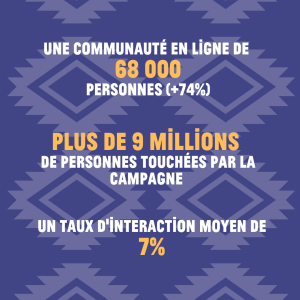
A space for citizen and political dialogue on the benefits of ECS
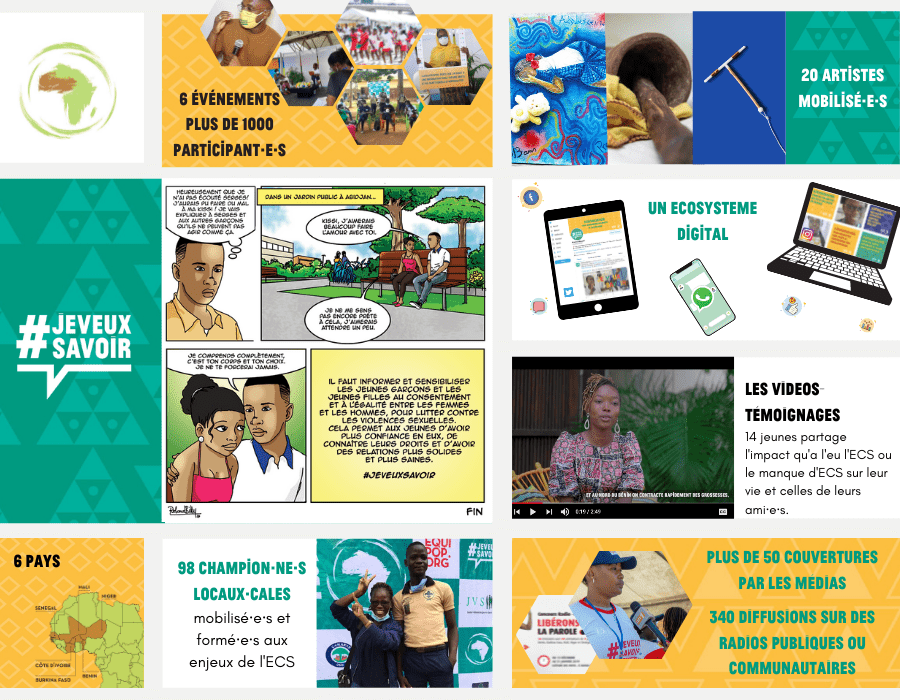
The issue of ECS is on the political agenda of several West African countries. To support advocacy efforts, Alliance for Rights and Health launched the #JeVeuxSavoir communication campaign. It aligns with existing initiatives (UNESCO/UNFPA) and aimed to debunk myths and misconceptions. so that people can see the positive effects of ECS on young people.[vc_row_inner][vc_column_inner width= »1/2″]A broad political and social mobilization has been set up via social media, the media, and through mobilizing and artistic events in Benin, Burkina Faso, Côte d'Ivoire, Mali, Niger, and Senegal. The aim was to use advocacy messages and testimonials to highlight the positive impact of Comprehensive Sexuality Education programs a positive impact on the lives of young people and adolescents and that they must be strengthened in each country in terms of content, pedagogical approach, and accessibility.
[/vc_column_inner][vc_column_inner width= »1/2″]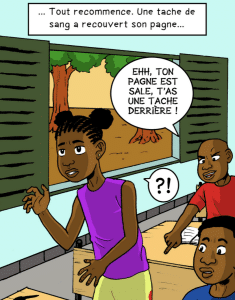
A participatory campaign tailored to local contexts
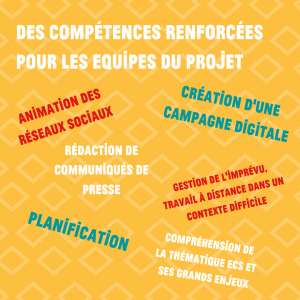
Following a participatory approach, this campaign was developed taking into account the contexts of each country, while being part of a regional movement with inter-association sharing. The co-construction of #JeVeuxSavoir by members of 14 associations in the network—spread across six countries—made it possible to adjust the terminology, community activities, and communication and advocacy messages to suit local realities and anticipate possible socio-cultural resistance. The campaign was also adapted in real time to political developments and the Covid-19 health crisis. This was made possible by effective coordination between the network and its allies—mobilized via WhatsApp—and ongoing support from Equipop (thematic, technical, and operational), which encouraged the sharing of experiences and expertise between associations.[vc_column width= »1/2″]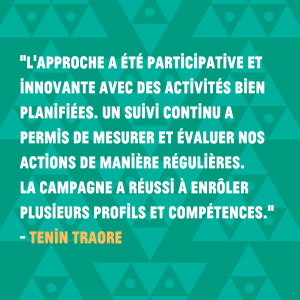
A creative campaign that mobilizes many actors and actresses
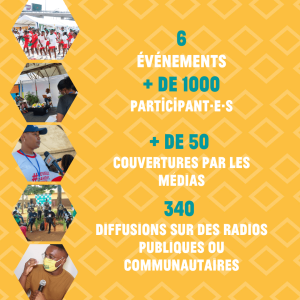
The quality and originality of its content and activities (comic strips, self-defense classes, slams, storytelling, etc.) also contributed to the campaign's success, thanks to the involvement and creativity of 98 young champions and 20 local artists trained in comprehensive sexuality education issues."As a champion, I was involved in mobilizing and working with the artists who were asked to participate in the campaign. I acted as master of ceremonies during the mobilization event and took advantage of the presence of local elected officials to remind everyone of the benefits of comprehensive sexuality education and to make a plea to the audience. My favorite part of the event was talking with the young people. They showed interest and a real need for information. This event revealed the sensitivity of local elected officials to SRHR issues and led to their commitment. I dare to believe that it is the starting point for a long advocacy campaign for effective CSE in our schools." – Gloire AYETOLOU, #JeVeuxSavoir champion in Benin
Young activists, artists, parents, journalists, decision-makers, civil society organizations... It is the diversity of the actors involved that has made #JeVeuxSavoir a success!