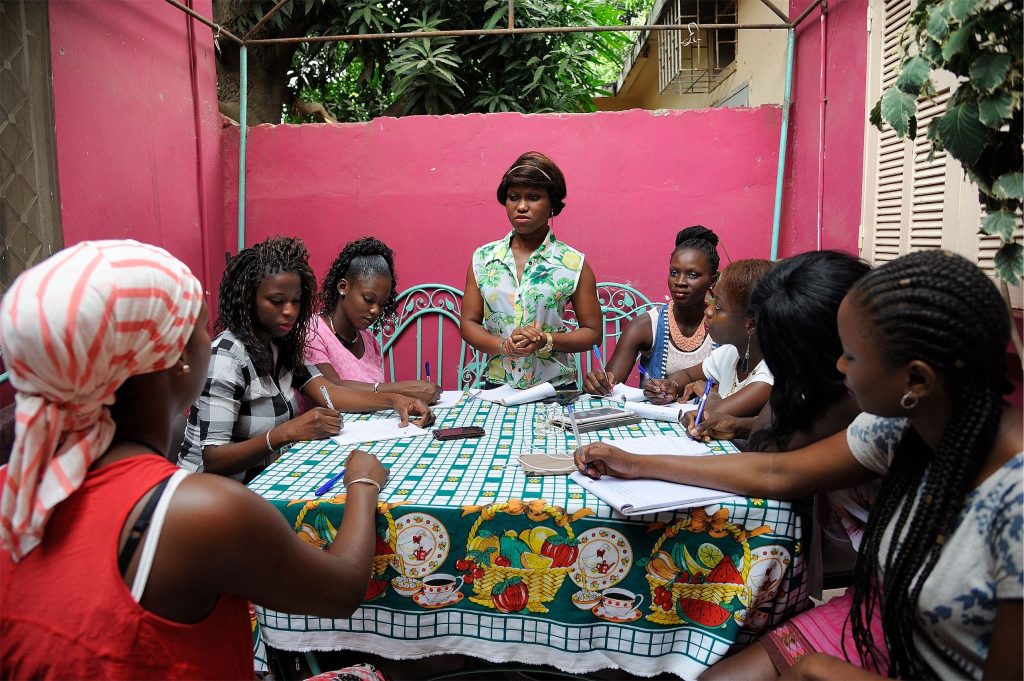
In 2019, Equipop continues to support initiatives promoting civic participation among young people and women with the Jeunes en Vigie project, backed by the5% Initiative. This project aims to improve the healthcare system's response to the specific needs of girls and respect for their rights, particularly with regard to the treatment of the three pandemics—HIV/AIDS, tuberculosis, and malaria—with a focus on carefully integrating sexual and reproductive rights and health.
Girls and young women, because of their age and gender, face highly unequal power relations. These power relations can impact their health in various ways, for example by limiting their access to certain resources such as food or by exposing them to specific forms of violence. At the same time, the health care system and, more generally, programs and policies struggle to meet their specific needs. This is due to multiple factors: underinvestment in this "neglected" population, discriminatory attitudes among health care workers and the community, failure to take their words into account, etc. Their access to information, advice, and appropriate medical and psychosocial care is thus greatly reduced.
THE HEALTH OF GIRLS AND YOUNG WOMEN: A PUBLIC HEALTH CHALLENGE AND A HUMAN RIGHTS ISSUE
In Burkina Faso and Senegal, the situation and indicators are worrying for girls, particularly with regard to their sexual and reproductive rights and health. Seventy-five percent of new HIV infections among young people occur in young girls, thereby increasing their risk of contracting tuberculosis. They are also particularly at risk of malaria infection, and this risk is heightened when they are pregnant. However, many girls in Burkina Faso and Senegal begin their reproductive lives early, with consequences not only in terms of mother-to-child transmission of HIV but also in terms of maternal, neonatal, and infant morbidity and mortality. By the age of 19, 57% of Burkinabe women and 34% of Senegalese women have already had a child or are pregnant.
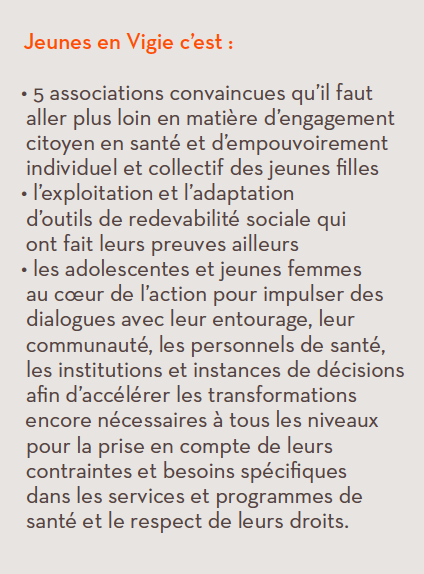
There is now consensus on the need to take better account of girls and young women in the fight against the three pandemics (HIV/AIDS, tuberculosis, and malaria) and on the leverage effect this could have in strengthening the resilience of health systems. However, these guidelines are still difficult to put into practice. Building on existing guidelines, past experiences, and complementary partners committed to the rights and health of adolescent girls, this project contributes to strengthening health systems in Burkina Faso and Senegal. Through an approach that places girls and young women at the heart of the action, the Jeunes en Vigie project, in partnership with Burcaso and SOS/JD in Burkina Faso, and JED and RAES in Senegal, is improving this population's access to quality health services that are integrated and tailored to their specific needs, while respecting their rights.
SOCIAL AUDITING IN HEALTHCARE AND SUPPORT FOR YOUNG FEMINIST NETWORKS: TWO PATHS TO SYSTEMIC CHANGE
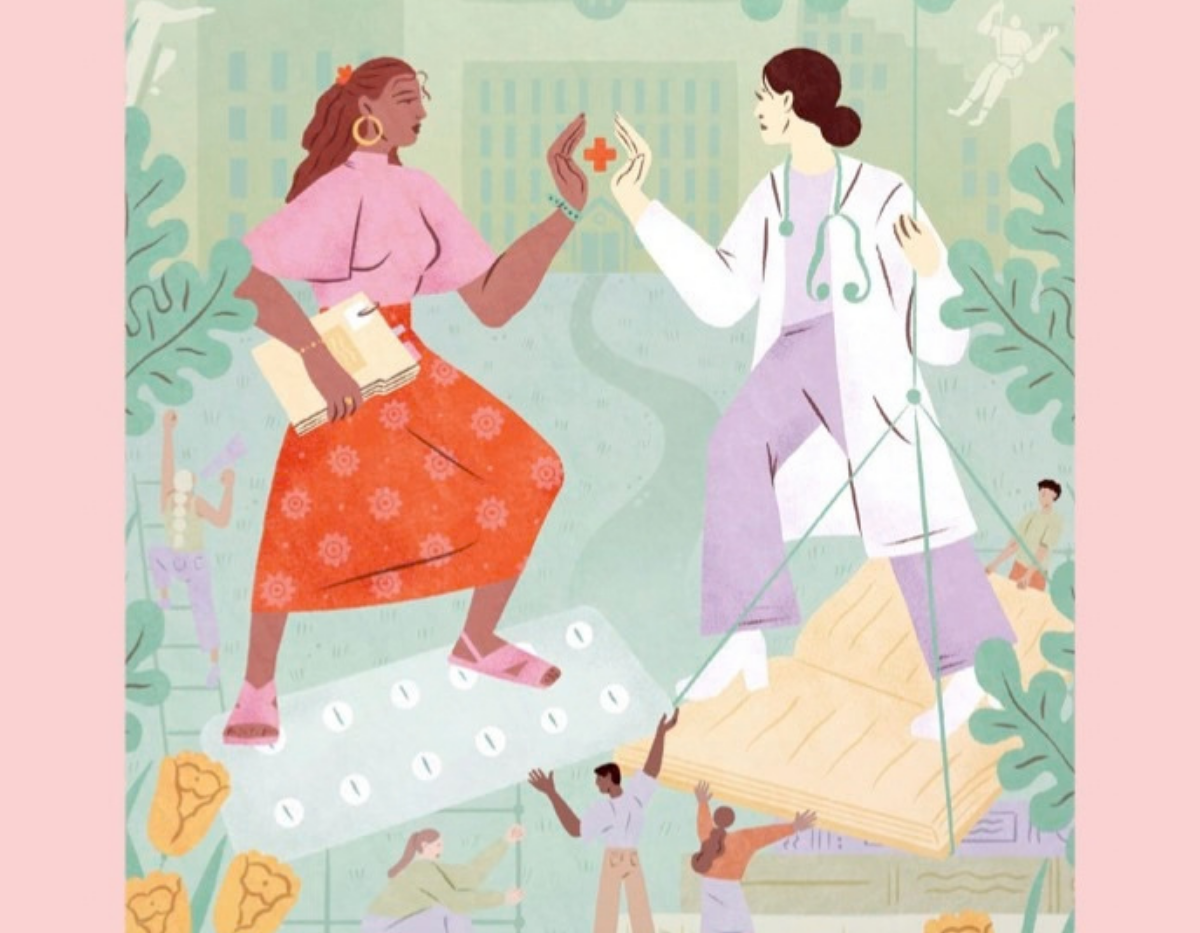
In projects and within healthcare systems, patients, particularly women and young people, are often considered "beneficiaries" rather than "users with rights," and even less so as "engaged citizens." However, this potential change in status offers opportunities to improve the quality of services by strengthening respect for individual rights and promoting collective action. This change in attitude requires several prerequisites: information and training for girls who use health services, awareness-raising among health providers and decision-makers, and the creation of spaces for dialogue. The Jeunes en Vigie project aims to address these various issues.
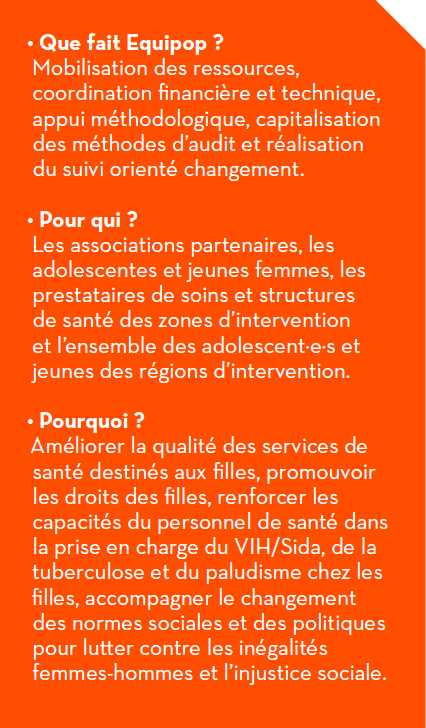
The system developed allows girls in particular to confidently express their experiences, the challenges they face due to their age and gender, their practical needs, and strategic interests. The creation of these safe spaces—with people trained to listen to them and help structure their demands—will be a key factor in improving the services and care offered by the healthcare system. In this context, social audits conducted by female users through field surveys within health services and interviews with their peers make it possible to highlight the good practices of certain health centers as well as to point out violations of rights or malfunctions in other establishments. Young feminist activists are also closely involved in the project. They will help train users about their rights and raise awareness among health personnel about non-sexist approaches. Finally, they will incorporate the data collected into their political demands in order to bring girls' voices to the highest levels of decision-making.