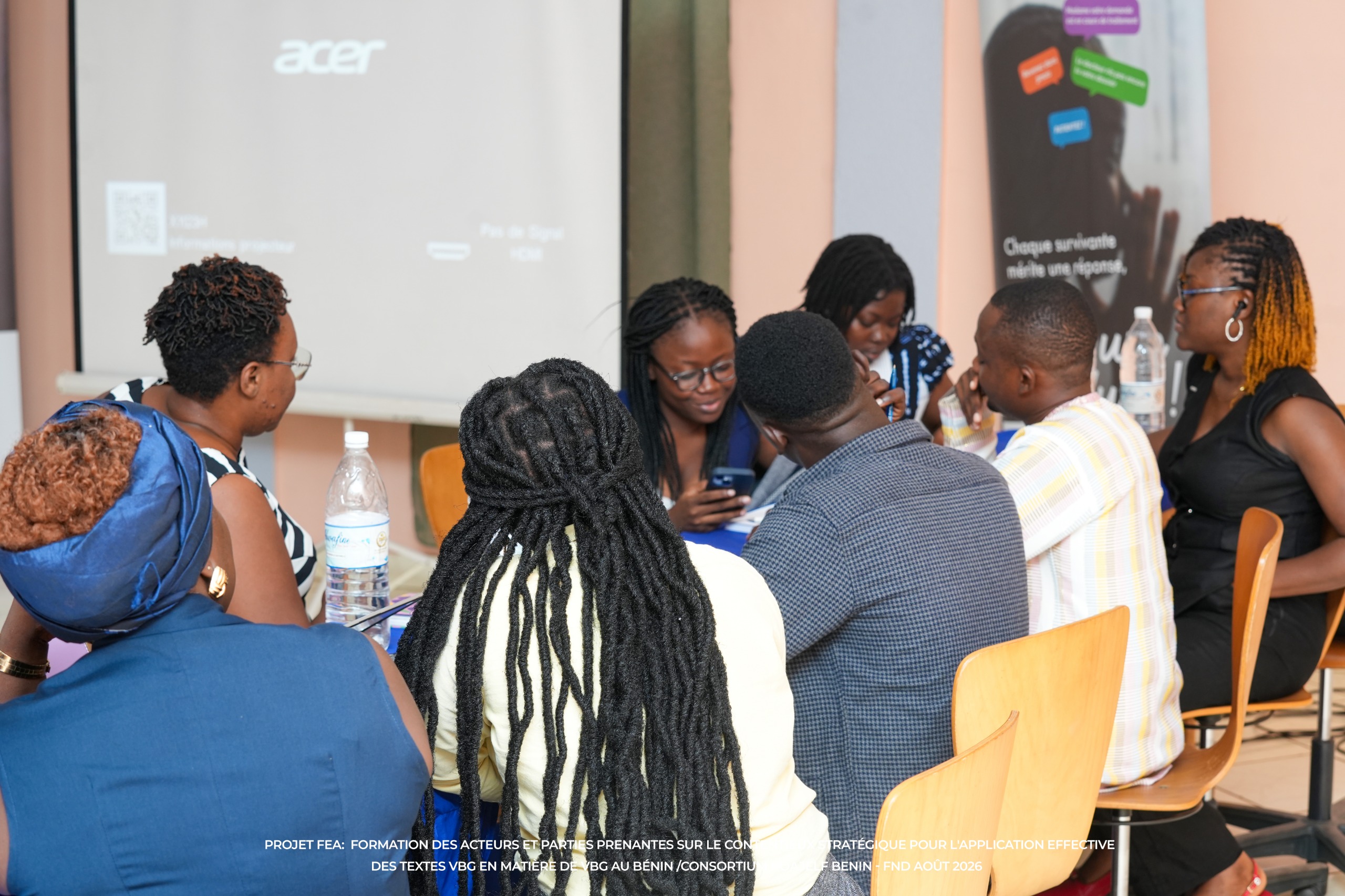
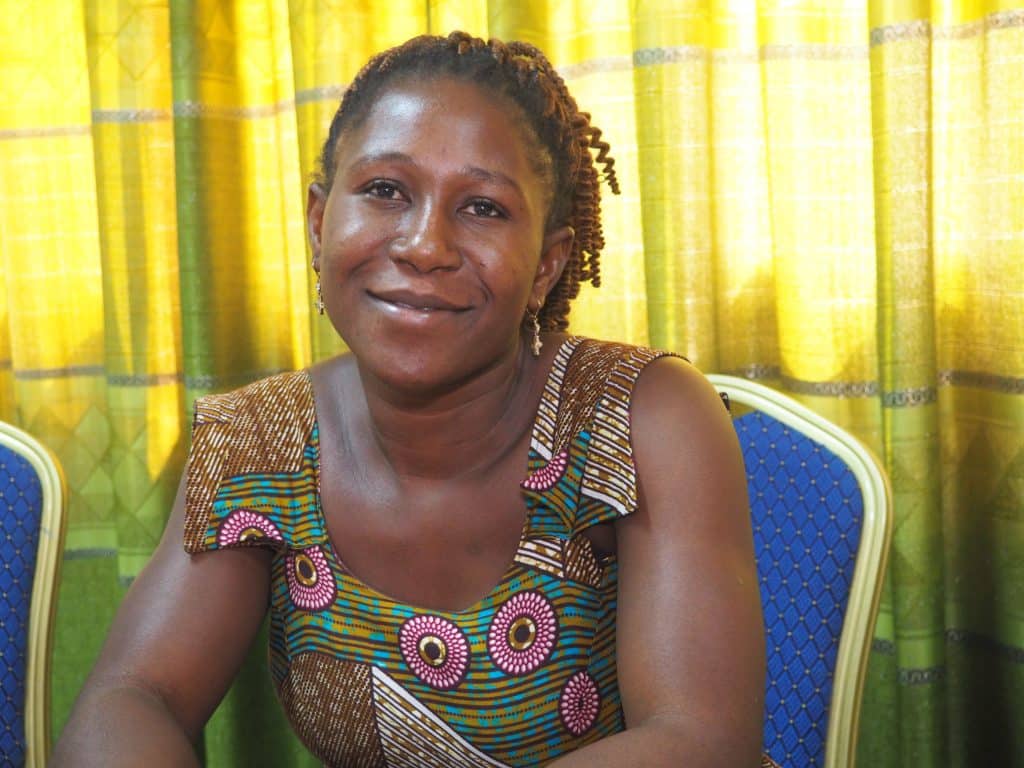
Between her new skills in conducting social audits, the development of her self-confidence, and her new role as a leader on SRHR issues among young people, Micheline Gouem reflects on her experience as an auditor in health centers as part of the Jeunes en vigie (JEV) project in Burkina Faso.
How was your experience with the Jeunes en vigie project? What did you learn?
What I liked most was the target audience of the project: us young girls. We feel valued and important. Some young people opened up to me and participated in the discussions actively and without reservation. That is my fondest memory from the data collection process. In terms of learning this year, we had leadership training, which helped me become more independent and confident in my role as an auditor. I collected data using a smartphone, something I had never done before. I also had to lead a focus group to gather information on violations of sexual and reproductive health rights.
What difficulties did you encounter? And what did you do to overcome them?
The absence of young people in health centers and also a healthcare provider who refused to answer my questions. To overcome these difficulties, I had to go to the CSPS (Center for Health and Social Promotion) to find young people and participate in discussions. I rephrased the questions in local languages to motivate them to participate more. On the side of the reluctant service provider, I had to cultivate optimism in order to obtain the information I needed.
Since you started conducting audits, how are you perceived by the community? How do you feel?
I now believe I am a role model. I am seen as a leader. Personally, I feel very proud because I have been able to raise awareness among my peers about their sexual and reproductive rights and the three pandemics.
In your opinion, what major action should be implemented as part of the project to improve young people's access to SRHR and 3 pandemics?
I think it is raising awareness among parents, religious and traditional authorities. These groups of individuals represent one of the barriers to young people's access to health centers. To improve the situation, health centers or spaces reserved exclusively for young people must be built, offering leisure activities such as an internet café, a sports field, or a library to encourage young people to visit health centers.