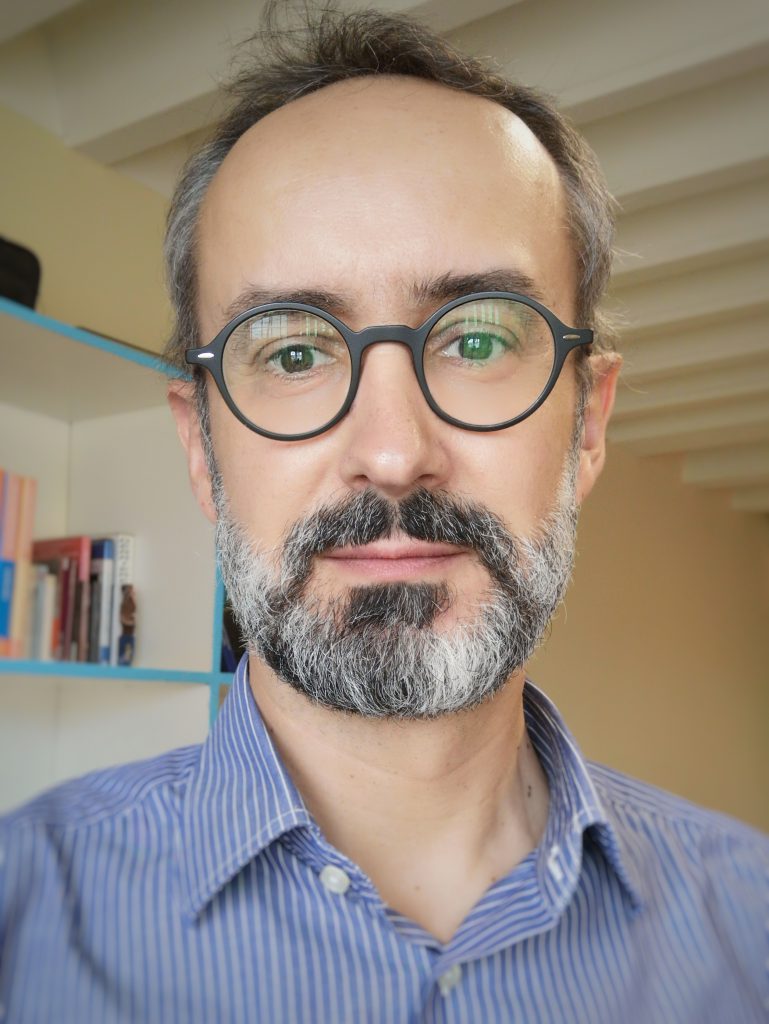
Xavier Hospital is Regional Advisor for Health Education in West and Central Africa at UNESCO.
What, in UNESCO's view, are the main challenges for Comprehensive Sexuality Education (CSE) in West Africa?
Let us begin by applauding the efforts of countries that are actively strengthening their ECS programs. Next, we must acknowledge that despite studies highlighting its benefits, many children and young people in the region still do not have access to high-quality ECS. There are several reasons for this, including resistance from some parents, teachers, and policymakers, resulting from misunderstandings about the nature, purpose, and effects of CSE. Within the education sector, there are gaps in sector analysis and planning, teaching and learning, and coordination between sectors. National governments need appropriate strategies to integrate ECS and responses to gender-based violence in schools into sectoral education plans. Teachers need to be better trained. Finally, better collaboration with other sectors, particularly health, is needed to ensure that young people have access to appropriate services.
UNESCO and UNFPA are spearheading a movement in favor of ECS in West and Central Africa: can you tell us about this campaign?
More and more national leaders are recognizing the role that ECS can play in creating healthy, educated citizens who are able to contribute to the economic and social well-being of their societies. These leaders need a supportive policy framework that will enable them to scale up high-quality CSE programs, which is why UNESCO and UNFPA have launched a process to engage ministers of education and health in CSE and sexual and reproductive health and rights in West and Central Africa. Several regional organizations have come together in a Technical Working Group to lead the commitment process. These include United Nations agencies, regional economic communities, youth networks, bilateral cooperation agencies, and, of course, civil society organizations such as Equipop.
In your opinion, what role do civil society organizations and structures such as Equipop play in this regional dynamic?
A large number of actors need to be mobilized, and structures such as Equipop play a very important role in the region's engagement process. Their knowledge of the field and the actors involved puts them in a good position to identify strategic partners, guide and lead advocacy activities, ensure that the voice of civil society is heard in consultation processes, and guarantee that important issues are not overlooked. At the national level, organizations such as Equipop can strengthen coordination between partners, which is very important for conducting advocacy and implementing coherent WSS programs under the auspices of national governments.