TW: This article discusses sexual violence related to armed conflict. Some content may be disturbing to readers.
June 19, International Day for the Elimination of Sexual Violence in Conflict, reminds us of a fact that is too often ignored: wars are also fought on the bodies of women and girls. From the Sahel to Gaza, from the DRC to Haiti, from Sudan to Ukraine, sexual violence remains a weapon of war, a strategy of domination, amid complicit silence and persistent impunity. This violence is neither accidental nor marginal: it is systemic. And it must be a starting point for rethinking peace, based on those who pay the highest price but who resist, organize, and chart other paths to justice.
Growing insecurity, skyrocketing sexual violence
Sexual violence in times of conflict was at the heart of the international mobilization that led to the adoption of Resolution 1325 nearly 25 years ago, recognizing for the first time the specific and disproportionate impact of conflict on women and the need for their participation in peace processes. However, the resurgence of conflict in several regions of the world, particularly in the Sahel, continues to have dramatic consequences on the bodies, lives, and rights of the people who live there, with a specific and often multiplied impact on women and girls. Fueled by the presence of non-state armed groups, inter-community conflicts, armed banditry, and persistent political instability in certain countries in West Africa and the Sahel, this widespread instability exacerbates humanitarian crises and compromises access to basic services such as health, education, and protection. According to a UN Women report, approximately 612 million women and girls lived within 50 kilometers of a conflict zone in 2023, more than 50% more than a decade ago. In this context of chaos and militarization, sexual violence in times of conflict continues to increase. Far from being "collateral damage," it is used as a weapon of war, terror, and social control. According to the most recent UN data, the number of confirmed cases of conflict-related sexual violence has increased by 50%, a figure that represents only a fraction of the reality, as such violence remains underreported. Serious violations against girls in conflict zones have jumped by 35%. This sexual violence takes many horrific forms: gang rape used as a method of terror, genital mutilation inflicted to humiliate and break women, women reduced to sexual slavery in mines or offered as "rewards" to soldiers. In some contexts, "rape camps" have been set up to wipe out entire communities, with violence used to destroy collective identity and carry out ethnic "cleansing." It has even been used to intentionally transmit HIV as a weapon of long-term destruction. This violence primarily affects the most marginalized social groups: displaced girls, women living in rural areas, people with disabilities, migrants, and stigmatized communities. It reflects systems of intersecting domination that predate conflicts, where gender, class, origin, or disability expose people to extreme and often invisible violence.
Feminist responses rooted in local realities
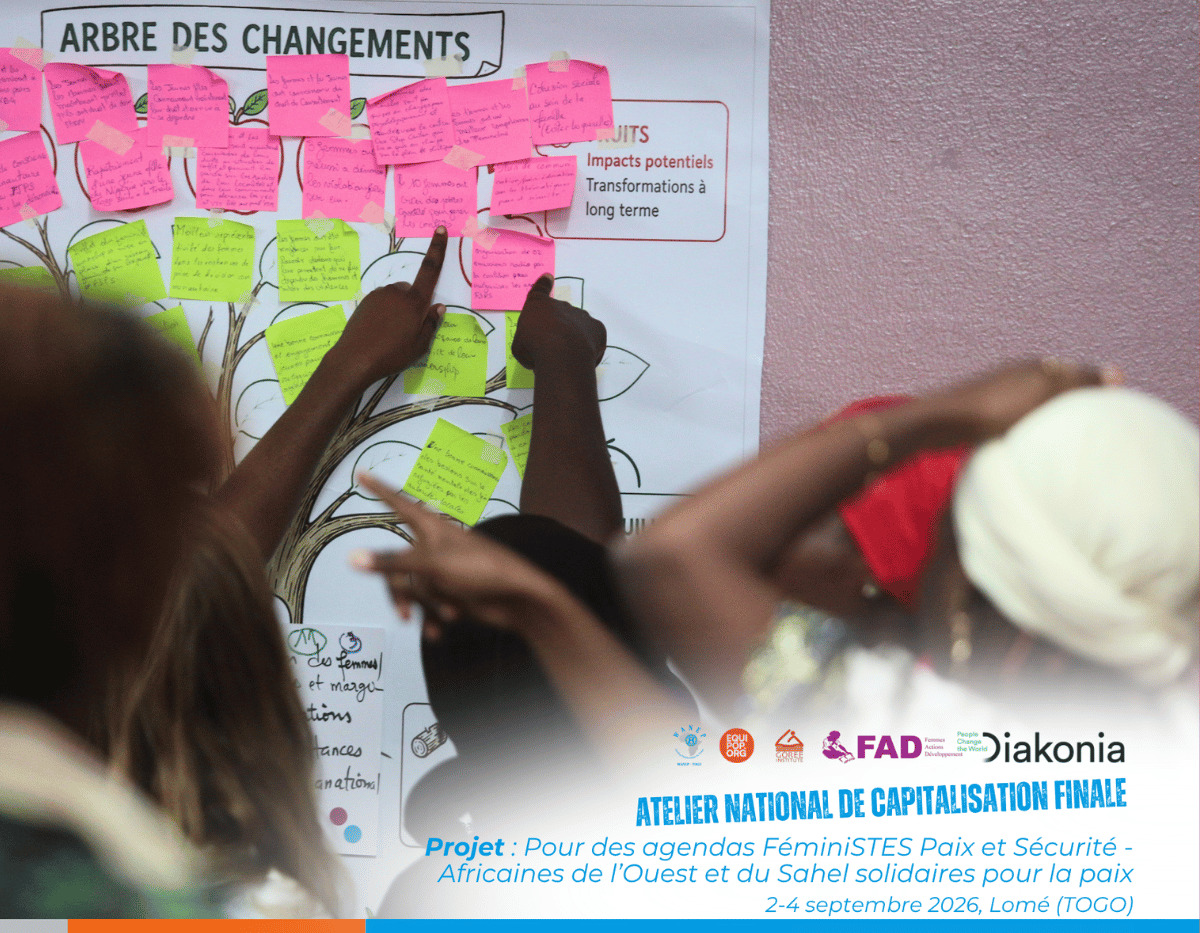
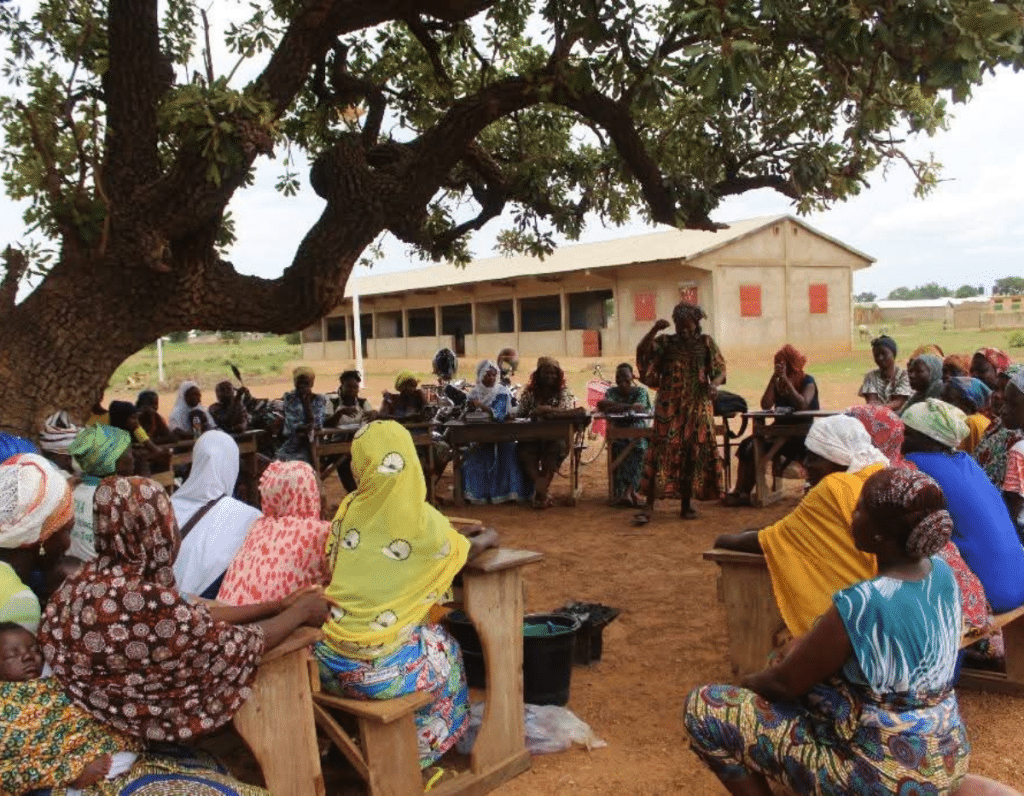
In a context of prolonged crises, increasing militarization, and the collapse of public services, women and girls living in insecure areas are often viewed solely through the lens of their vulnerability. They are deliberately targeted by armed groups, but are also exposed to violence from government forces, communities, or within their own homes. Access to healthcare, education, and protection is very limited in these contexts, and the absence of the state exacerbates the precariousness and isolation of survivors. Faced with this situation, feminist approaches call for a radically different response. Rather than reducing women to the status of passive victims, it is more than urgent to support them as agents of peace, justice, and social transformation, capable of influencing public policies and practices from the local to the national level. It is women who are often on the front lines, supporting survivors, documenting violence, rebuilding solidarity, and promoting alternatives. As part of the project "For Feminist Agendas, Peace, and Security" funded by the French Development Agency's Support Fund for Feminist Organizations and implemented by Equipop in consortium with Diakonia, Femmes, Actions et Développement, and Gorée Institute, women in Benin, Burkina Faso, Côte d'Ivoire, Niger, Chad, and Togo* are developing their own interpretations and solutions to conflict, security, and violence, based on their experiences, needs, and struggles. As Dr. Denis Mukwege points out, sexual violence is a highly effective weapon of war, used to destroy communities. Restorative justice for these atrocities cannot exist if the stories, knowledge, and practices of African women remain peripheral to the very definition of security. These feminist responses remind us that we cannot combat sexual violence without fundamentally rethinking the norms of security and power in our societies, which bear the scars of patriarchy.