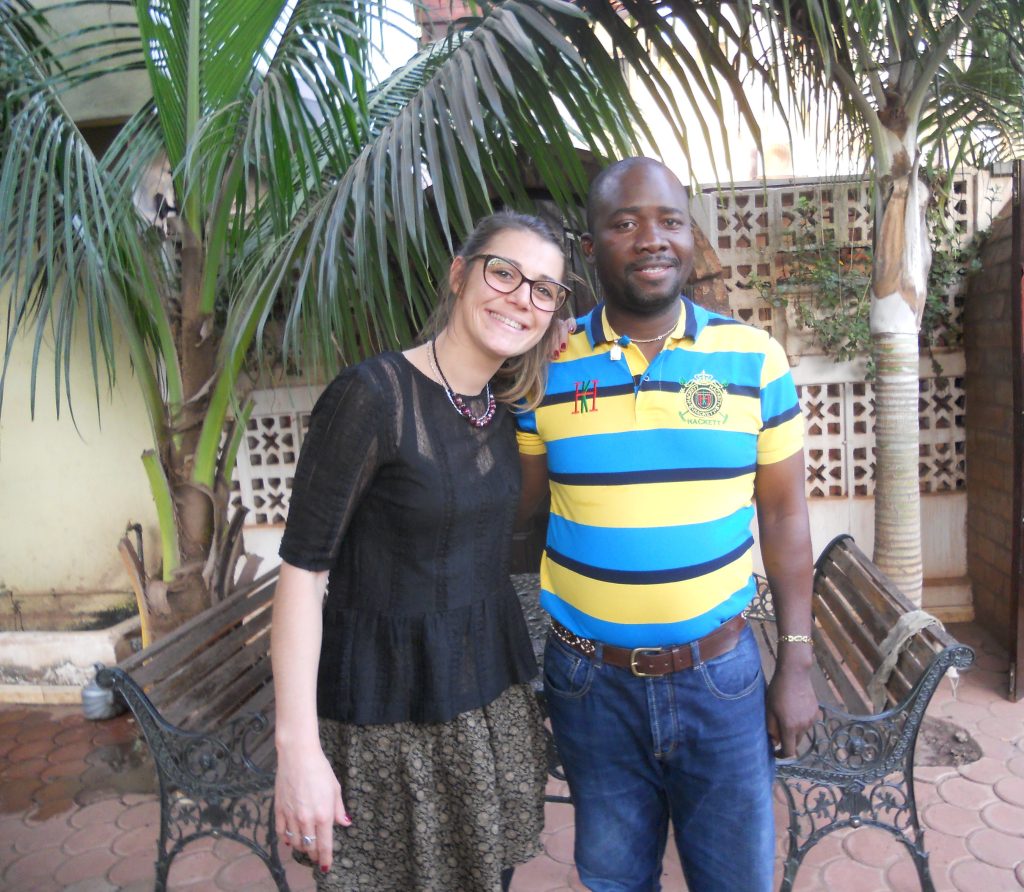
Last November, Equipop's project manager spent a few days in Bamako with the team working on the "Protecting the Next Generation" project. This mission marked the official launch of a new phase of the project. In 2015/2016, Equipop is expanding its activities to 50 new villages in the Kayes health district in northwestern Mali.
Scaling up to 50 new villages
Just one year ago, during the abandonment ceremony in November 2014, 96 villages in the Kayes health district officially declared their intention to abandon the practice of female genital mutilation. Among them, 45 villages also spoke out against child marriage. Since then, Equipop and its field partner, AMSOPT, have joined forces to reinforce the momentum for social change in these villages that have abandoned the practice.
Since September 2015, Equipop and AMSOPT have been preparing to extend the project's activities to 50 new villages. Half of these new villages approached AMSOPT spontaneously to request support in abandoning female genital mutilation. This is a "positive contagion" effect of changing social norms. "Protecting the Next Generation" is a holistic and integrated project based on communication for behavioral change, medical care, and the involvement of district health and social authorities.
This year, the strategy will also focus on setting up income-generating activities, getting more migrants living in France involved in the process of ending female genital mutilation, and making greater use of information and communication technologies.
Community radio stations, a tool for ending FGM Equipop and AMSOPT will, for this new phase of the project, intensify the use of community radio stations to enable wider dissemination of awareness messages and information. The movement to end female genital mutilation in the Kayes health district is unprecedented and marks a real desire for social change by the communities themselves. This is a crucial decision that will shape the future of communities in the Kayes region. Community radio stations therefore have an important role to play in providing information and stimulating debate on this issue. Furthermore, communication between villages in the area is not always easy: the distances between villages are significant, means of communication are limited, and the demands of daily life do not allow communities to travel easily to inform other villages of their decisions.
The production and broadcast of programs via community radio stations will enable communities to make their voices heard and communicate to other villages the decision to abandon the practice of female genital mutilation. In addition, debates and contributions from legitimate figures expressing their views on this subject will enable communities to learn about female genital mutilation and other related issues (child marriage, early pregnancy, rape, gender-based violence). The aim of the programs will therefore be to develop an educational program to complement the awareness-raising sessions in the field.
The French Embassy in Mali and the European Commission, two new partners in the project