UNESCO has just published a technical guide on comprehensive sexuality education. Fully in line with international development that respects human rights and gender equality, this document establishes comprehensive sexuality education as an essential approach to the effective achievement of the 17 Sustainable Development Goals (SDGs). The recommendations in this report reinforce this approach, which is supported by numerous associations, including Equipop.
Ten years after the first edition, UNESCO released an updated version of the document entitled "International Guidelines on Sexuality Education" on January 10, 2018, produced in collaboration with UNAIDS, the United Nations Population Fund (UNFPA), the United Nations Children's Fund (UNICEF), UN Women, and the World Health Organization (WHO).
A guide to international best practices
This 140-page document is presented by UNESCO as a guide to international best practices. While not claiming to be universal, it calls for the recommendations to be adapted to local contexts. UNESCO Director-General Audrey Azoulay states: "These International Guidelines, which are based on the latest scientific data, reaffirm the place of sexuality education within the framework of human rights and gender equality."
Divided into six main sections, the report provides a detailed definition of comprehensive sexuality education (CSE) and highlights its relevance and effectiveness in addressing young people's sexual and reproductive health and rights needs. Intended asa resourcefor individuals and organizations working in this field, the report also devotes a section to recommendations for mobilizing support for CSE. One of the key recommendations is theneed to identify"champions" who can raise awareness in their communities. This approach, known associal mobilization, which obviously applies to fields other than SRHR, is considered crucial by Equipop, which puts it into practice in most of its projects, particularly in itsGeneration PF campaign.
Finally, the main objective of this guide is to enable the widespread implementation of ECS programs and policies. It concludes with recommendations related to the design and implementation of ECS programs for public authorities (Ministries of Health, Education, etc.). In this regard, it highlights the needto involveall stakeholders(youngpeople, parents/families, other relevant community members, etc.)in all stages of the development of ECS modules.
Recommendations to be implemented in West Africa
At a time when 64% of the population of West and Central Africa is under the age of 24 and52%of girls aged 15 to 19 have already had sexual intercourse,95% of themwithout contraception*, promotingaccess tocomprehensive, high-quality sex education is crucial. Equipop had also identified CSE as a key to social change in West Africa, and this new UNESCO guide provides additional valuable reference material to accelerate the process, as it is particularly relevant in the West African context.
Targeting young people is afundamental lever for reducingrisky sexual behavior (non-use of contraception, lack of protection against STIs, etc.). ECS also contributes toachieving gender equalitybyreducingstereotypes and discriminationbased on gender and sexual orientation.
The report is available here (in English only).
*Data taken from the report “Adding it up: cost and benefits of meeting the contraceptive needs of adolescents.” (Darroch, J.E. et al., 2016. Guttmacher Institute)
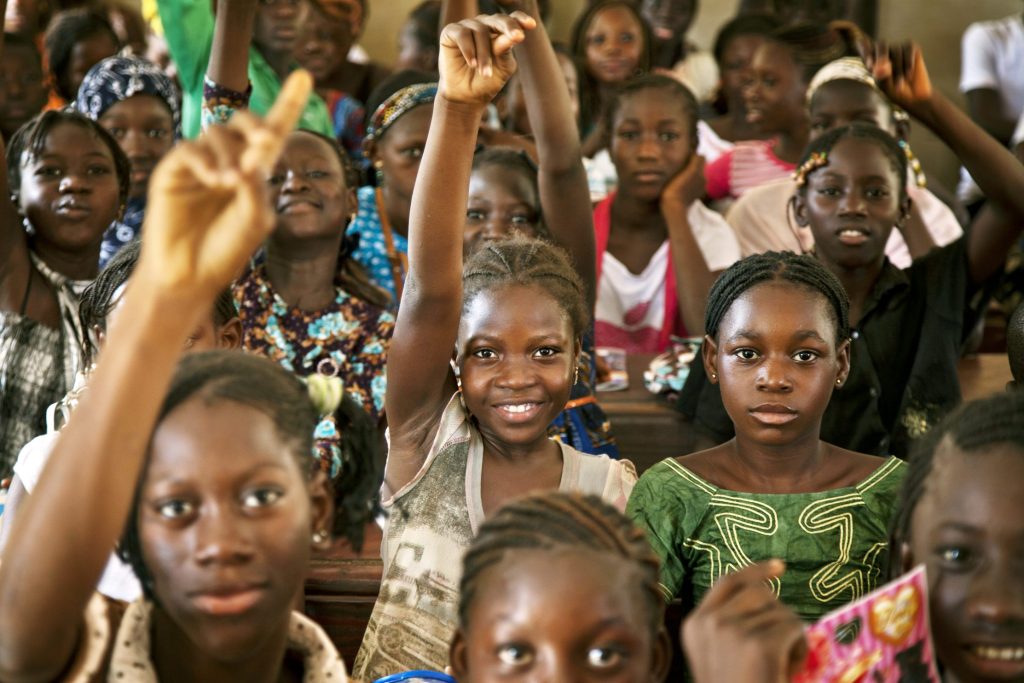
Photo credit: UNPhoto, Marco Dormino