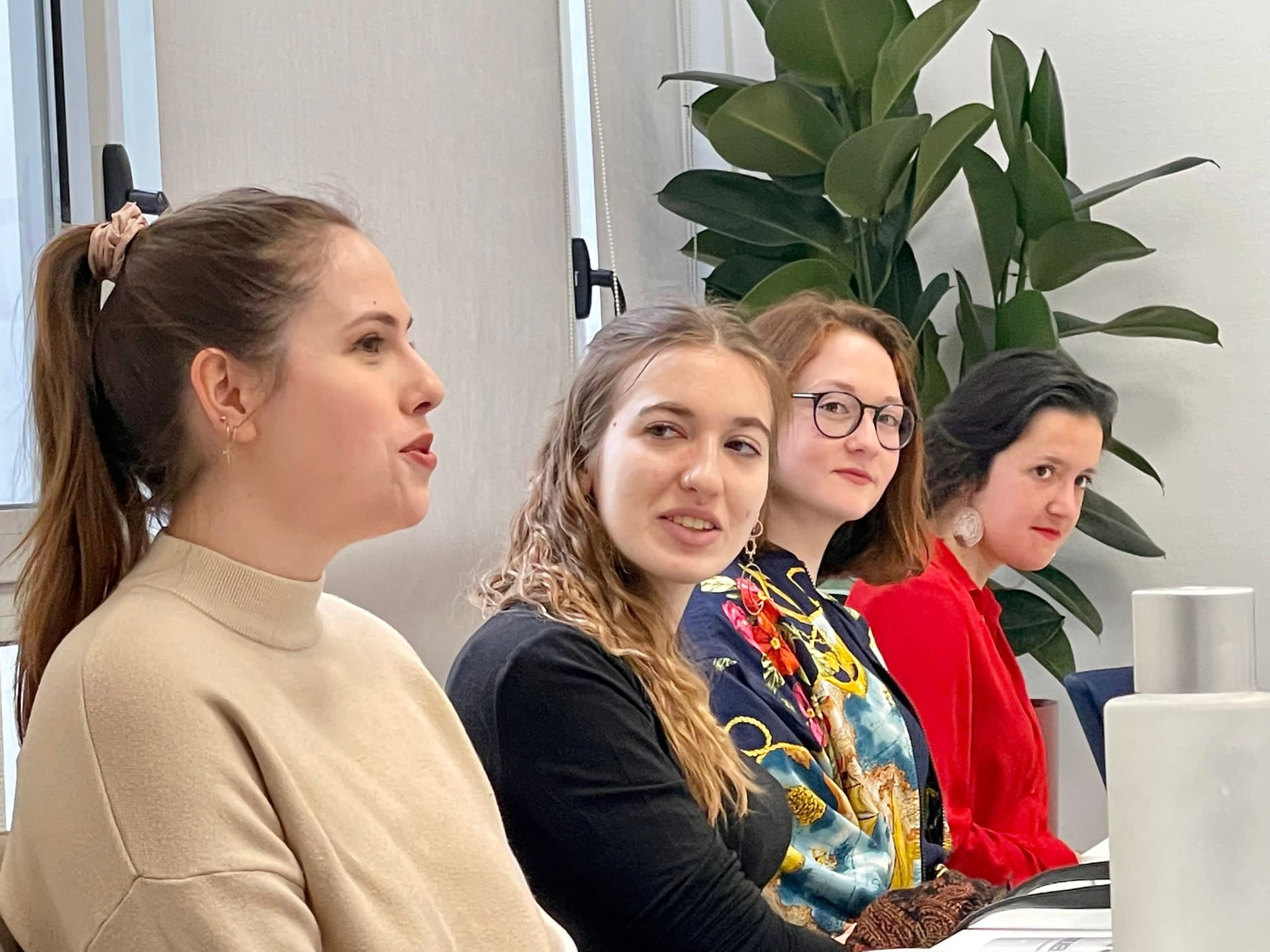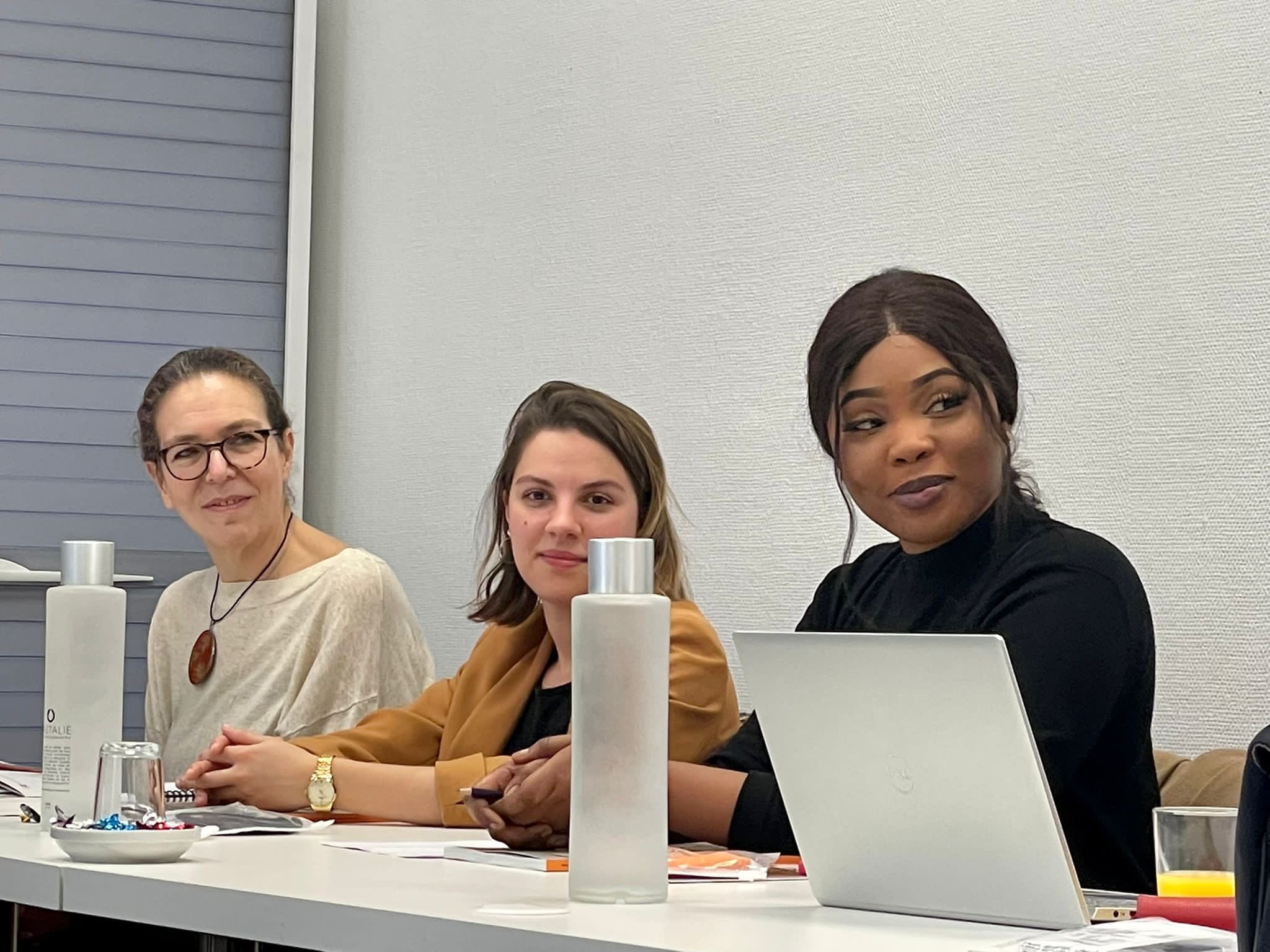

On April 7, Equipop facilitated a meeting between Diene Keita and a dozen young feminists from France and West Africa. It was a unique opportunity to highlight the challenges young people face in accessing sexual and reproductive health and rights, and their place in decision-making processes.
This exchange took place during the visit to Paris by Ms. Diene Keita, Deputy Executive Director of UNFPA (the UN agency responsible for SRHR) and Assistant Secretary-General of the United Nations, for the launch of the UNFPA annual report. Aurélie Gal-Régniez, Executive Director of Equipop, and Lucie Daniel, advocacy expert, spoke alongside Ms. Keita at the Ministry for Europe and Foreign Affairs and at the Canadian Embassy in France. On Thursday, April 7, a dozen young French-speaking feminists (students, academics, activists, and members of various associations) had the opportunity to discuss a variety of topics with a high-level UN representative. The discussion opened with the issue of youth participation in decision-making bodies. Young people, and in particular young women and feminists, are still underrepresented in these bodies. Their ideas are rarely taken into account or implemented, which is one of the obstacles to a more intersectional approach. The importance of co-construction with civil society was also mentioned, particularly in the area of SRHR, where the work of associations has had a significant influence in the shift from a demographic approach to a rights-based approach. This approach obviously still needs to be consolidated and developed. In this regard, feminist perspectives are fundamental, including within UN processes, where resistance is sometimes very strong.
[vc_column width= »1/2″]
Systemic nature of violence
The participants were then able to highlight their different experiences, the challenges they face, and the campaigns they have launched, for example in the areas of comprehensive sexuality education, period poverty, and funding for feminist organizations. Finally, they discussed the impact of the patriarchal system on the response to gender-based violence and SRHR. The vast majority of speakers emphasized the systemic nature of this violence and the need to implement cross-cutting national and international strategies. In conclusion, UNFPA is committed to sharing its key resources and continuing this privileged dialogue. In the near future, young feminist leaders from France and West Africa will be invited to participate in regional UN conferences. Equipop will continue to facilitate these exchanges in order to enrich the SRHR agenda with a diversity of positions and representation. [vc_column width= »1/2″]