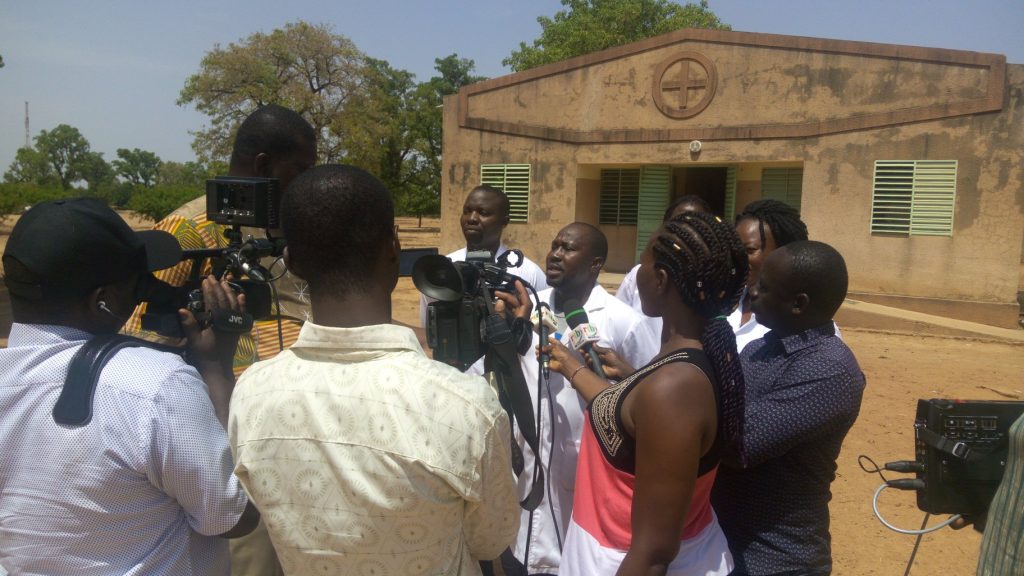
From May 2 to 5, 2018, a team from Burkina Faso Radio and Television (RTB) and Equipop visited the Hauts-Bassins region of Burkina Faso* to produce a radio and television report on task delegation in the field of family planning. This capitalization will contribute to learning and facilitate the scaling up of the project. Let's review the points that this report highlighted:
A successful community-level initiative
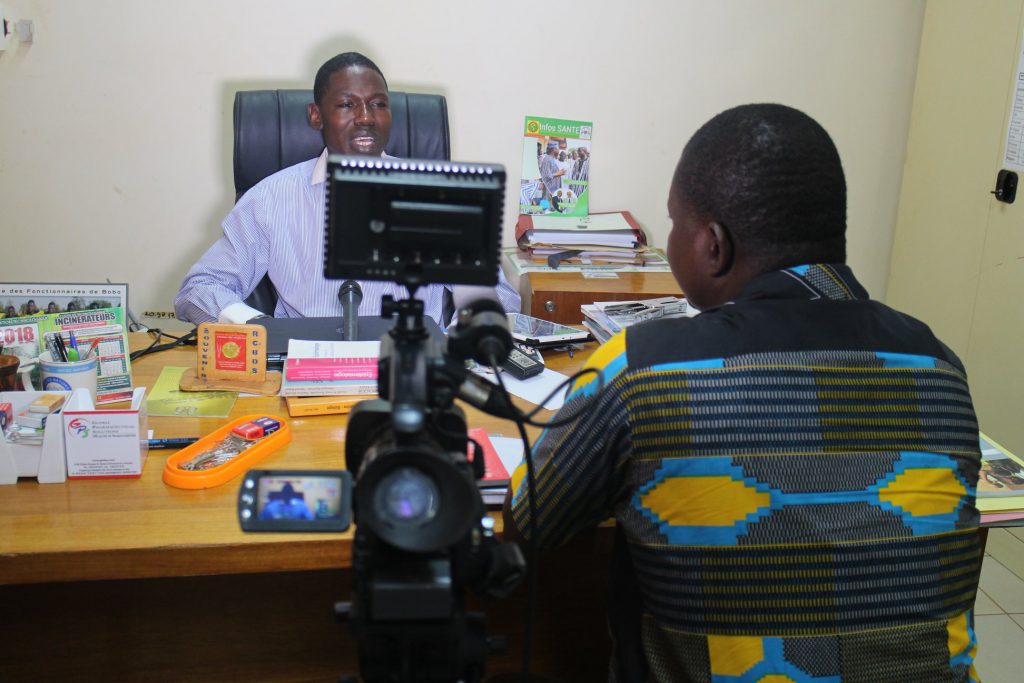
The health workers interviewed are convinced that delegating tasks in the area of family planning is a good initiative. For the Regional Director of Health for Hauts-Bassins, delegating tasks should be seen and appreciated as more than just a way to improvecontraceptive prevalence indicators. In fact, task delegation also helps to overcomegeographical obstacles, especially in areas that are difficult to access, and to break down sociocultural barriers, given that community-based health workers are part of the communities themselves. This helps to create a climate of trust between FP service providers and (new) clients. For the chief medical officer of the Dandé district, task delegation has above all made it possible to increase the number of new users of long-acting methods.
Frontline agents, an essential link in this success story
The innovation that has been widely praised and is a source of pride for Burkina Faso is the possibility given to community-based health workers—frontline workers and head nurses—to administer short-acting methods (Sayan press, pills) and long-acting methods (IUDs).
[vc_column width= »1/2″]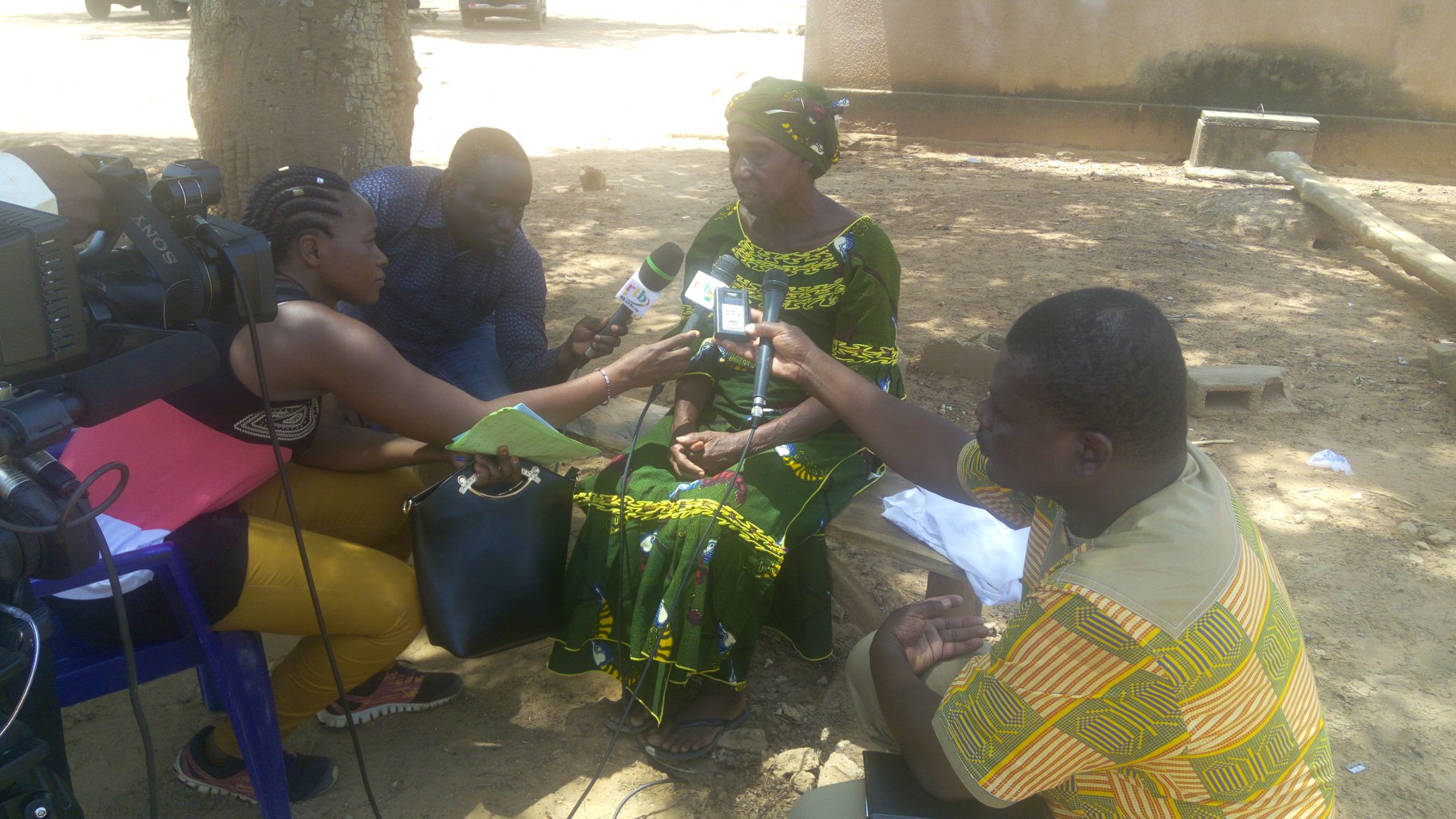
This authorization was made possible after a rigorous capacity-building program and a viable system for regular monitoring in the field. Moreover, no major incidents were reported during the pilot phase of theproject's implementation.
CSOs and the government join forces
Burkina Faso has implemented a pilot project on the delegation of family planning tasks in order to help improve access to family planning services for the population. This project is being carried out in consortium with the Family Health Directorate of the Ministry of Health (DSF/MS), Marie Stopes International in Burkina Faso (MSI BF), the Burkinabe Association for Family Welfare (ABBEF), and Equipop. Each actor, according to their expertise, contributed to the success of this project to test task delegation in FP. However, even though great successes have been achieved in the implementation of this project, a major challenge remains: the appropriation by community-based health providers of their important role in improving contraceptive prevalence through task delegation. Overall, task shifting has made modern contraceptive methods more accessible and helped create demand through frontline health workers. We eagerly await the next phase!