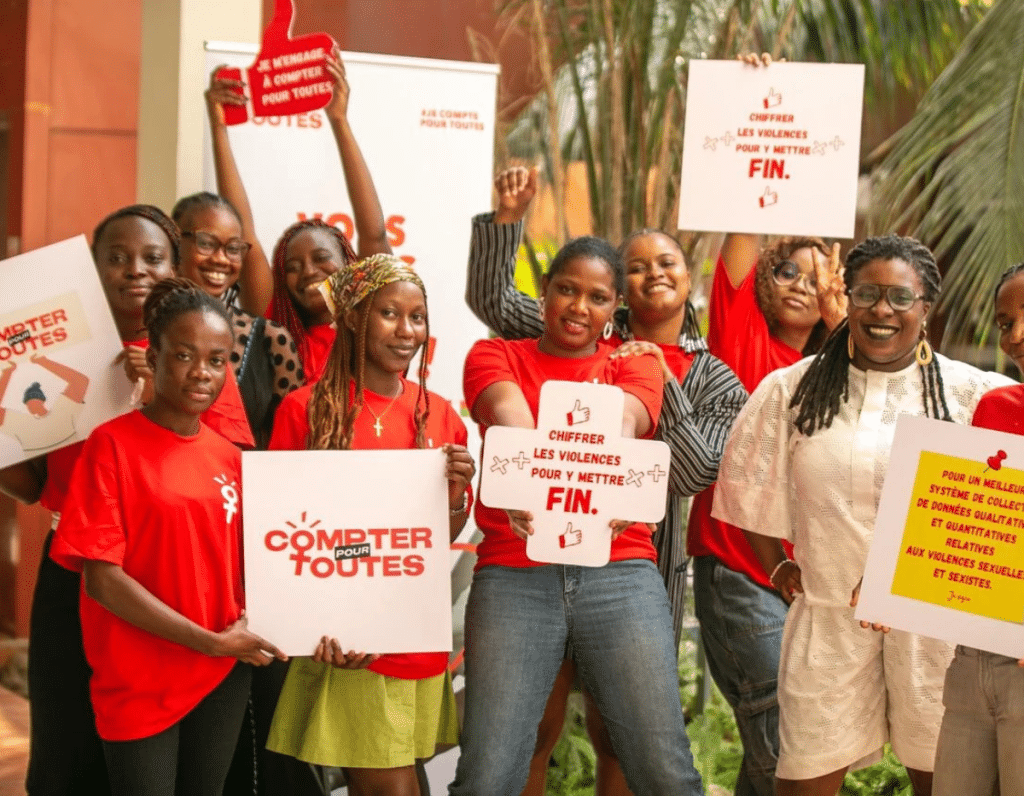
Faced with the absence or glaring lack of data on gender-based and sexual violence (GSV), feminist collectives in West Africa—in Benin, Burkina Faso, Côte d'Ivoire, Guinea, Mali, Mauritania, Niger, and Senegal—have launched the campaign #CountForAllcampaign. The goal: to call for the inclusion or reinforcement of a budget line dedicated to the collection of quantitative and qualitative data on GBV in the finance laws of these countries. A look back at several months of mobilization.
In order to effectively combat gender-based and sexual violence (GBV), the collection of reliable and accurate data is an essential prerequisite. This information enables public authorities, associations, and professionals in the fields of health, justice, law enforcement, and social work to develop appropriate prevention strategies and concrete responses to the needs of survivors. However, feminist activists in West Africa note and deplore the lack of reliable data on cases of GSV in their countries. In response to these observations made by activists, in April 2023, Equipop organized a workshop in Dakar workshop to create a feminist social and political mobilization campaign as part of the "Young Feminists in West Africa". After several months of preparation, the campaign was launched by several feminist collectives in early 2024, through several channels: online : via X, notably with the account @CompterPrToutes, in the media : distribution of a regional forum signed by more than 200 activists and experts, and on the ground : through advocacy activities and workshops with journalists and political decision-makers.
Involve stakeholders to better understand needs
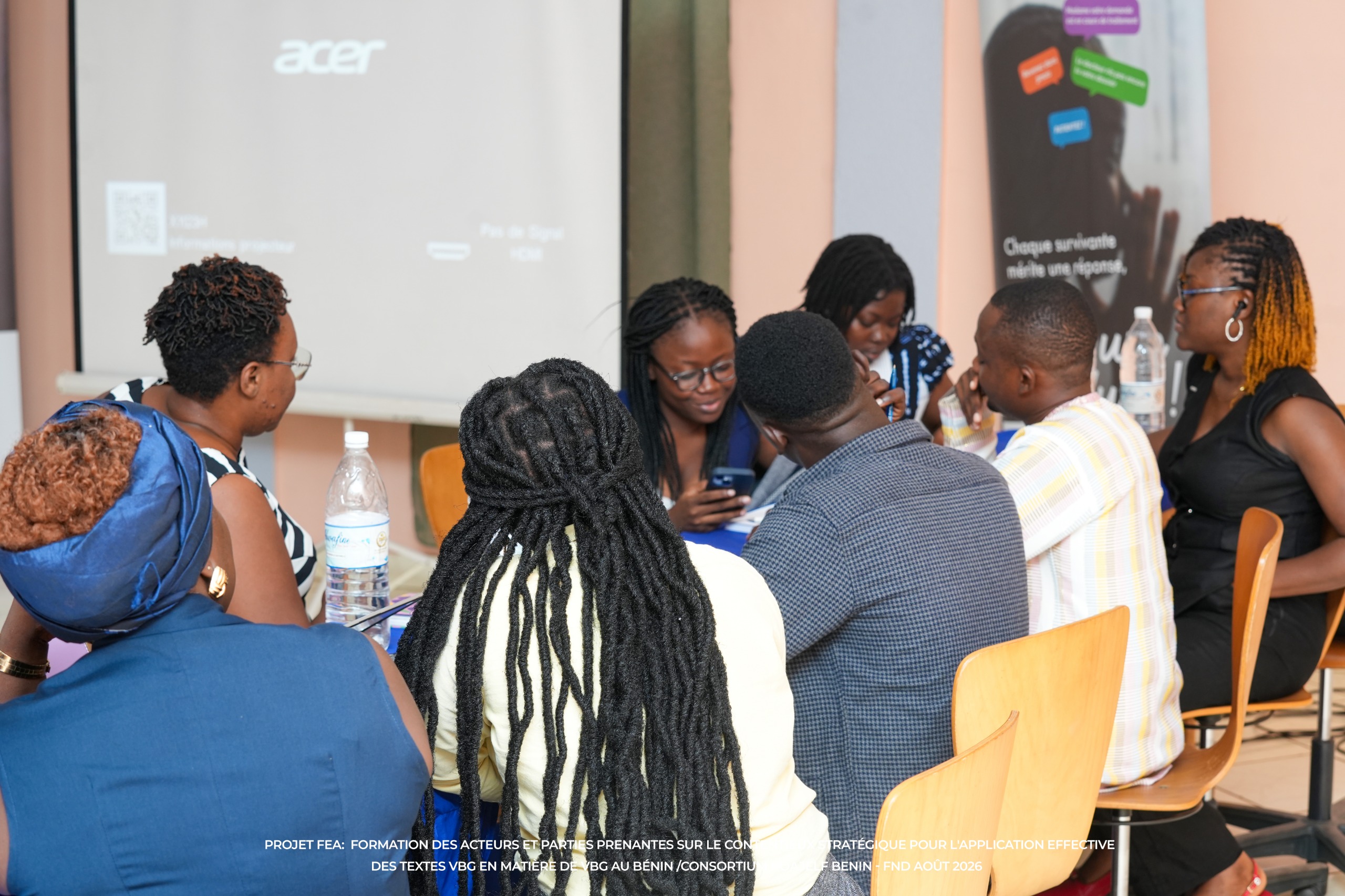
Prior to the campaign, multi-stakeholder workshops were organized by feminists in each country. They brought together professionals from key sectors (justice, police, health, social services), political and institutional leaders, religious leaders, and feminist activists. These exchanges helped identify the challenges associated with the lack of data on VSS, highlight the specific needs of local actors, and strengthen the legitimacy and impact of the campaign's messages. "The lack of reliable data leads to poorly targeted interventions and misuse of resources, while undermining collaboration between the various actors involved in the care chain." – Mariata LAM – Focal Point Mauritania “ The commitment of participants, including high-level authorities such as parliamentarians, demonstrated institutional support that we were able to count on throughout the campaign.” – Brian Erudie SOSSOU – Focal Point Benin
A powerful media lever for a feminist cause
The media played a central role in the campaign #CountingForAllcampaign. In addition to guiding journalists toward a feminist approach to covering sexual violence, an op-ed signed by more than 200 activists was published simultaneously in 25 national and regional media outlets, marking a strong start. With more than 40 media outlets involved (print, online, TV, radio), the campaign gained visibility among the general public and decision-makers. Press conferences also reinforced this momentum in each country.
Social media at the heart of the movement
On Twitter, the campaign recorded an estimated reach of 400,000 for the hashtags #JeComptePourToutes and #CompterPourToutes, with more than 300 posts using these hashtags during the two weeks of digital activity on the @CompterPrToutes account. "Many people contacted us directly to find out more about the campaign and how they could contribute, which shows that there is real interest and that awareness has been successfully raised." – Brian Erudie SOSSOU – Focal Point Benin The campaign benefited from strong support from feminist movements in each country on X (formerly Twitter), Instagram, Facebook, and WhatsApp. In some countries, feminists benefited from the support of local influencers, such as the Association of Bloggers in Benin. However, challenges remain, particularly in Burkina Faso, where X remains underused. The campaign also relied on local content such as web TV shows in Senegal and podcasts in Mauritania, promoting greater engagement. Partnerships with local media and the adaptation of formats to national contexts amplified the reach of the messages. Among the most engaging content were: a video co-produced by the feminist activists behind the campaign, publications promoting the forum, and excerpts from national web TV programs. "Many users expressed their support and gratitude for raising awareness about gender-based and sexual violence. Professionals in the justice, health, police, and social work sectors welcomed the initiative, and some shared testimonials about their own experiences." – Fatou Warkha SAMBE – Focal Point Senegal
Coordinated advocacy for greater impact
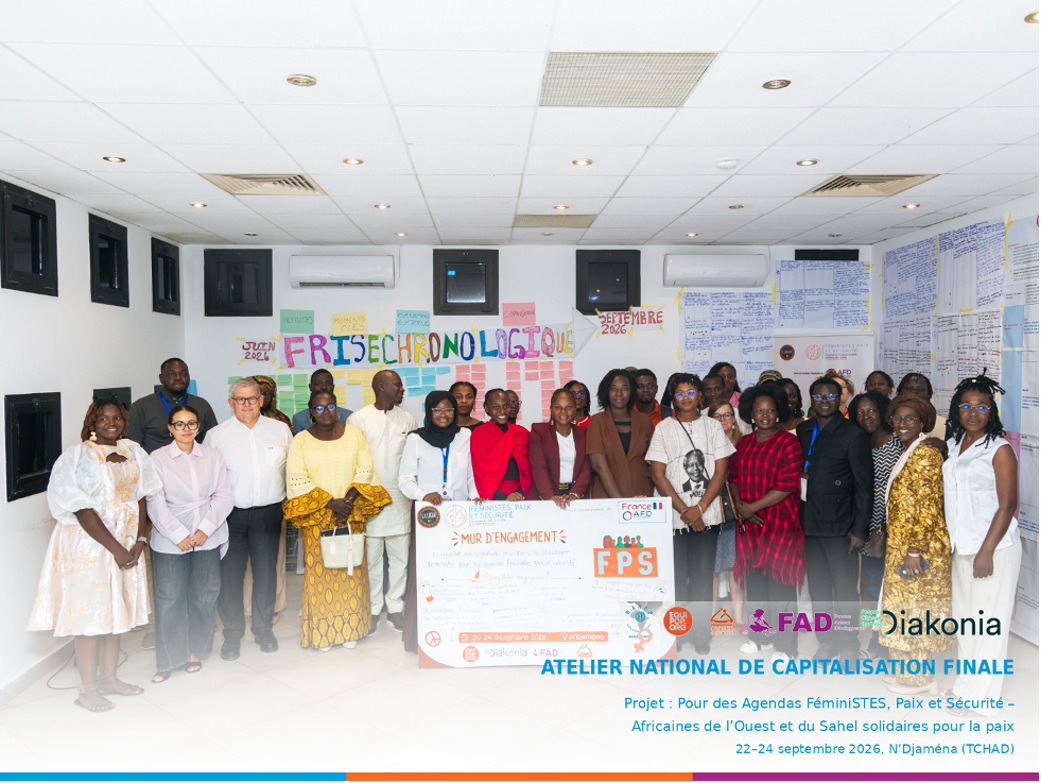
The #CountForAll has led to progress in several countries, demonstrating the effectiveness of coordinated advocacy at the regional level while adapting to national contexts. In Benin, for example, during an advocacy event bringing together 58 participants from various sectors (CSOs, parliamentarians, ministries, media), a commitment table was signed, illustrating strong institutional support. The initiative also sparked interest among parliamentarians in a seminar aimed at deepening their understanding of the campaign's issues, with a view to influencing the 2025 finance law. In Mali, a similar event highlighted the importance of a dedicated budget line for data collection on VSS. This advocacy also emphasized the security dimension of such violence, particularly in the Sahel, stressing the need for specific resources for an appropriate response. In Côte d'Ivoire, discussions with the Ministry of Women, Family, and Children led to concrete proposals, such as the addition of new types of violence (denial of resources, domestic violence) and the involvement of survivors in projects designed for them. These efforts are part of a drive to revise the national strategy to combat gender-based violence (PNLVBG). Although progress has been made, obstacles remain, as in Niger, where the lack of institutional support, exacerbated by an unstable political context, has slowed progress.
In just a few months, #CompterPourToutes has demonstrated the power of feminist advocacy to influence political agendas and raise awareness among citizens. The results achieved, while promising, also highlight the need to continue the effort: thanks to the Feminist Funds in Action (FEA) project, a coalition of feminist associations—composed of the Ivorian, Beninese, and Nigerien women's rights leagues—has launched a second phase of mobilization around the need to collect data on VSS. We hope that this movement will find other echoes, with resources as ambitious as their goal: to change mindsets, power relations, systems, and laws.