When Women and Youth Become Peacebuilders in West Africa and the Sahel: A Review of Three Years of Implementation of the FPS and JPS Agendas by Feminist CSOs, at a Regional Knowledge-Sharing Workshop in Cotonou, Benin
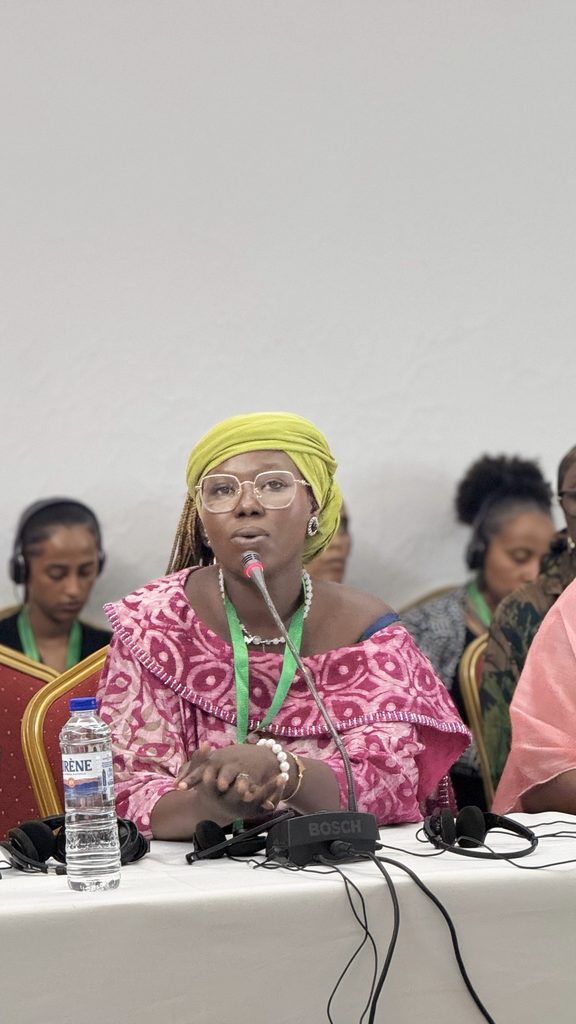
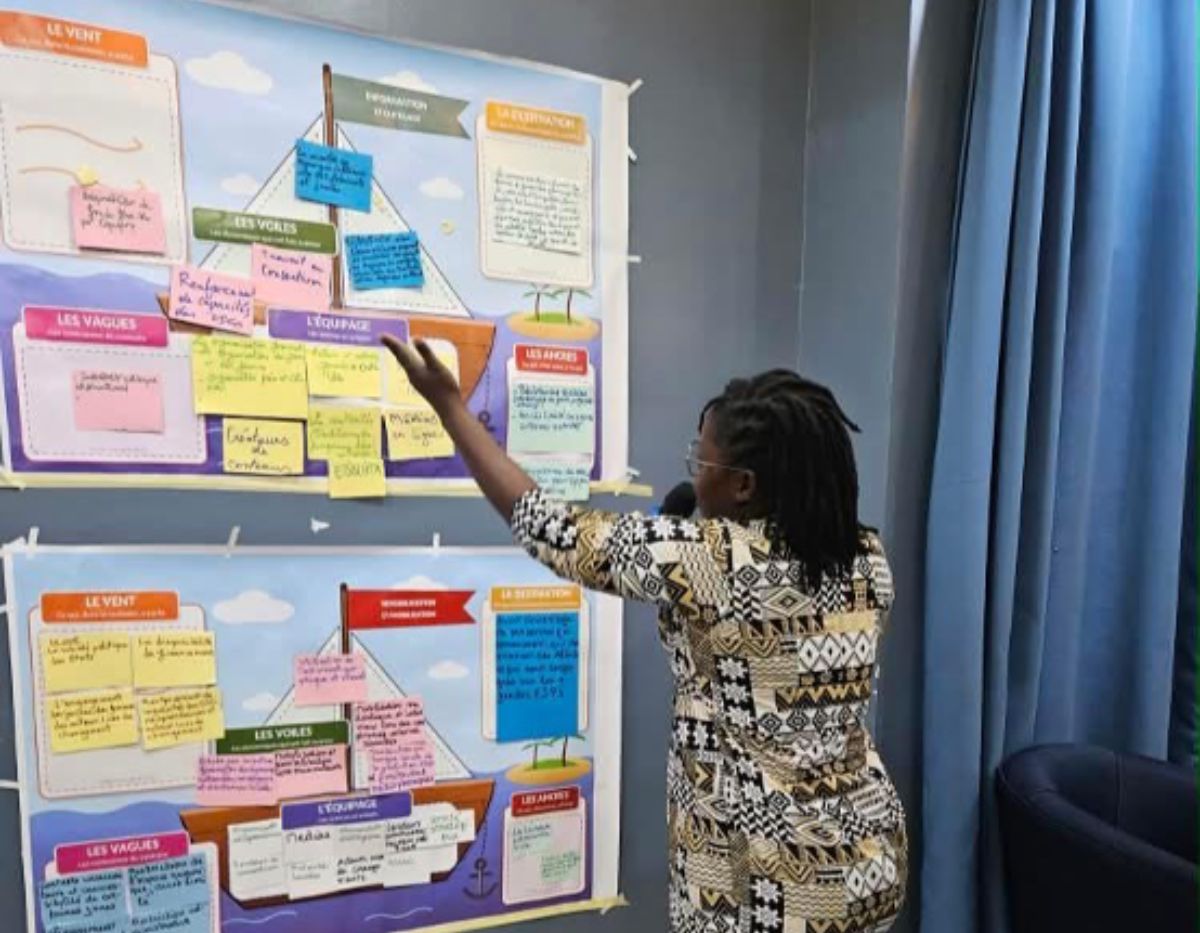
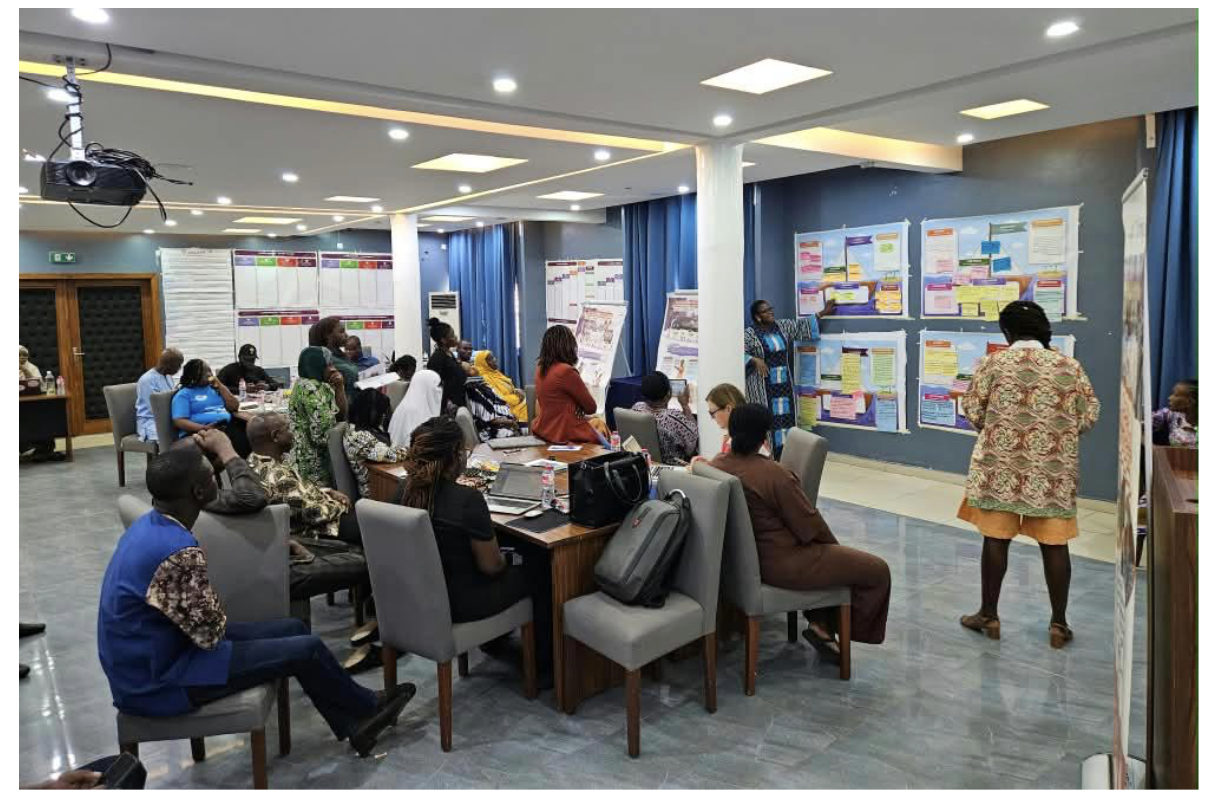
“Alliance, synergy, knowledge, capacity building, empowerment, mutual learning, positioning, legitimacy, visions”—these are the keywords chosen by the 40 participants in the Regional Final Review Workshop to describe the project “Toward Feminist Agendas for Peace and Security — West Africa and the Sahel for Peace,” funded by the French Development Agency (AFD) and implemented by the Equipop Consortium (lead partner) – Diakonia Sweden – Femmes Actions et Développement – Gorée Institute. With just a few weeks remaining before the conclusion of the projects carried out by the 67 grant-recipient partners in Benin, Burkina Faso, Côte d’Ivoire, Niger, Chad, Togo, and Senegal at the regional level, representatives from these countries gathered from November 3 to 5, 2026, in Cotonou, Benin. Together with members of the Consortium and the Strategic Committee, their mission was to build on successful strategies by conducting a retrospective, reflective, and forward-looking assessment of three years of an innovative project aimed at driving a feminist implementation of the FPS agenda, in conjunction with the JPS agenda.
Tangible Changes in Communities
This 100% feminist project represents three years of collective implementation, has impacted several hundred thousand people, and has mobilized 67 activists, journalists, researchers, organizations, networks, and both formal and informal feminist movements across seven countries in West Africa and the Sahel. Despite their great diversity, these partners were able to observe, during the workshop, fundamental and convergent changes on the ground; here are a few examples.
Today, for example, in all intervention areas—including many sensitive areas—women and young people are speaking out more and asserting their rights with authorities and religious and traditional leaders. In many communities, the FPS and JPS Agendas are embodied by women and young people who dare to address issues sometimes considered taboo, such as sexual and gender-based violence (SGBV) as well as sexual and reproductive health and rights (SRHR)—for example, early marriage, women’s access to land, and their active participation in positions of power and decision-making. As drivers of social transformation, AGRs and Associations for the Promotion of Savings and Credit (AVEC) offer tens of thousands of women—including young women and/or those from the most vulnerable and marginalized groups (refugees, displaced persons, ethnic minorities, people with disabilities, etc.)—not only greater financial autonomy but also a better understanding of their rights so they can assert them. Beyond their economic dimension, these empowerment initiatives have also served as spaces for mobilizing women and young people, raising awareness of their rights, and strengthening their capacity for action and community solidarity.
Innovative Communication and Engagement Practices
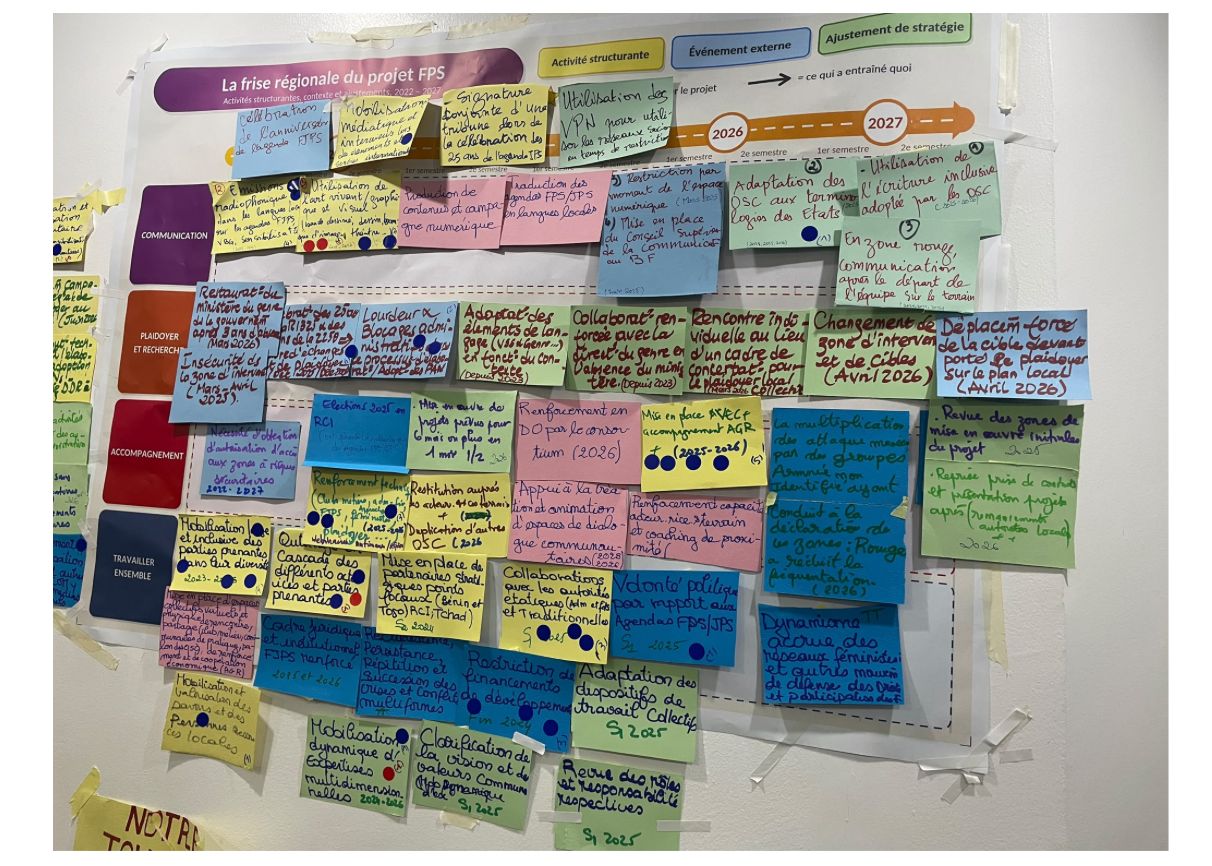
Among the many topics discussed during the regional workshop, communication and advocacy received particular attention. These are two essential tools for achieving one of the project’s key objectives: rolling out the FPS and JPS Agendas as closely as possible to women and young people within their communities. To facilitate communication, the project supported the creation of a feminist media consortium, bringing together journalists and communications professionals from four countries (Burkina Faso, Benin, Togo, and Côte d’Ivoire). This also made it possible to produce content that incorporates feminist approaches.
But communication is not a given when the people being addressed are not familiar with UN jargon or the language used in official national texts. Paintings, murals, theater, picture books, songs, the involvement of griots, and games—no stone was left unturned to facilitate the transmission of messages through tools and languages adapted to the contexts and populations on the ground. Several countries, such as Burkina Faso, Niger, and Chad, have even embarked on the oral translation of the FPS and JPS Agendas, which are broadcast on radio stations.
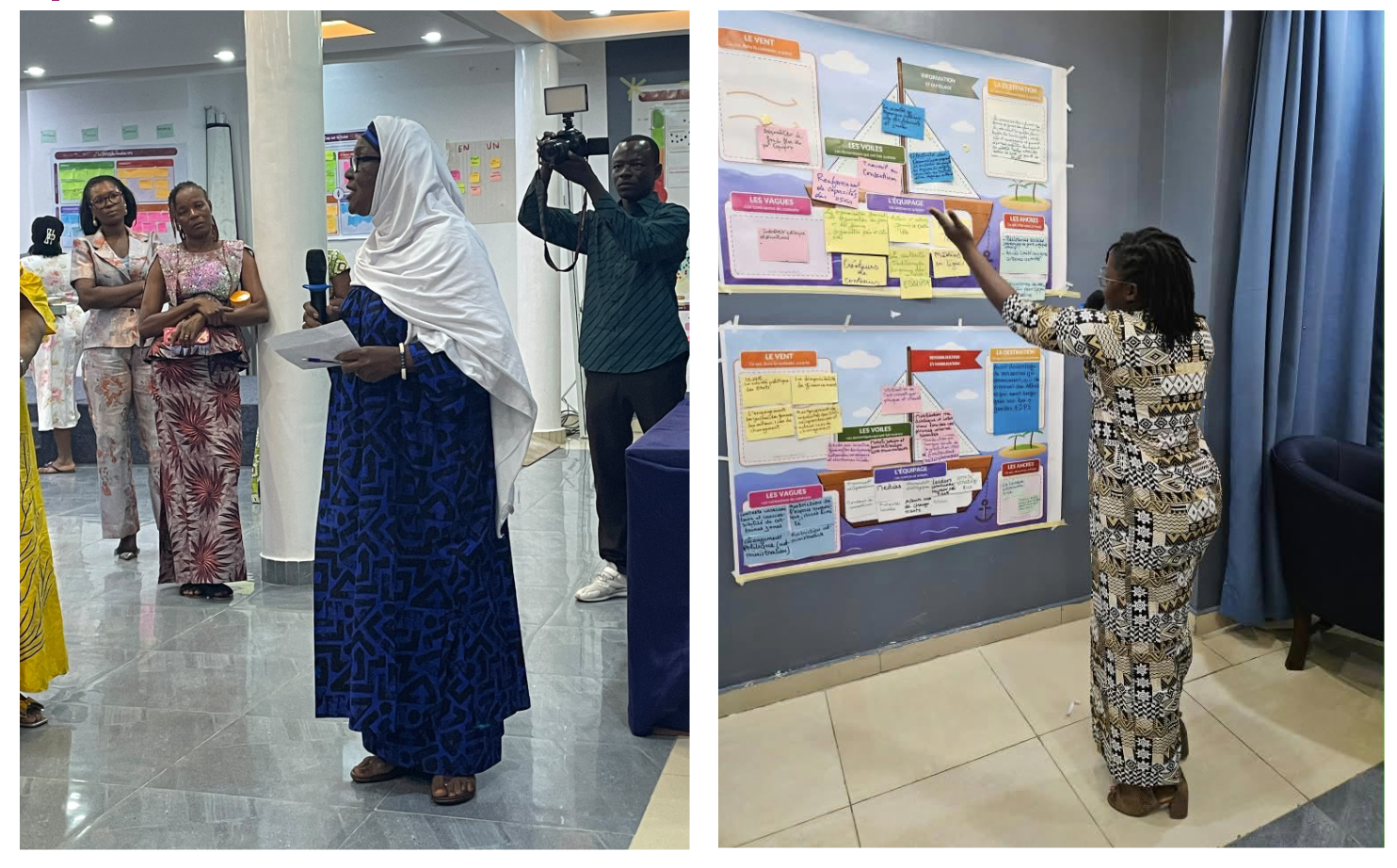
Strengthened group dynamics
How can we ensure the sustainability of these concrete changes on the ground and elevate them to the decision-making level in order to help drive change from the grassroots to the top? To this end, feminist CSOs have developed numerous advocacy strategies at the local, national, and international levels that have proven highly effective. At the international level, for example, they have succeeded in making their voices heard all the way to the United Nations in New York by signing an open letter initiated by a group of international feminist NGOs. In Benin, Côte d’Ivoire, Chad, and Togo, these advocacy efforts have borne fruit with the respective national authorities. Thus, in Côte d’Ivoire, the Minister of Youth and the Minister of Women, Family, and Children committed to developing the first-generation National Action Plan (NAP) for Resolution 2250 and mobilizing resources for the implementation of the second-generation NAP for Resolution 1325. In Benin, the organization of a national conference on Resolutions 1325 and 2250 in 2025 and 2026 helped reignite discussions about the NAP and strengthen CSO participation in its development. Their advocacy led the Ministry of Family and Solidarity to commission an evaluation of the first-generation NAP (2021) and to hire a consultant to draft the new-generation NAP. The ministries responsible for implementing the Women’s and Youth Agendas have made commitments to advance these issues. In addition, some CSOs have been invited to join the technical committees responsible for drafting and/or monitoring the National Action Plans (NAPs) 1325 and 2250 in certain countries. At the local level, advocacy efforts have enabled women in Niger and Chad, for example, to secure seats on local peace committees that had previously been composed exclusively of men.
Toward Building on Achievements and Looking Ahead
Three days of fruitful discussions, intense reflection, and at times, self-examination to draw lessons, culminating in a rallying event attended by various speakers on the themes of the FPS and JPS agendas in Benin: the representative of the Littoral Departmental Directorate of Family and Social Action, the National Institute for Women, the French Embassy, the Dutch Embassy, Swiss Cooperation, the World Bank, UNFPA, Plan International, Amnesty International, the Association of Women Lawyers of Benin, and other local civil society actors.
This event had two objectives: to present the results of the regional workshop and to initiate a dialogue with partners with a view to future commitments aimed at ensuring the sustainability of the achievements. During these discussions, representatives from France and the Netherlands expressed that they were very impressed by the results achieved through the project’s implementation and were open to discussing future collaborations. Benin’s National Institute for Women (INF), for its part, praised the concrete implementation of the FJPS Agendas. The NGO Plan Benin expressed confidence in finding synergies for action with feminist CSOs in Benin. The representative from Swiss Cooperation, for her part, noted that their new programming incorporated the implementation of the FPS Agenda, and that collaborations were already underway with some of the project’s partners. She promised to involve other feminist CSOs in Benin in joint initiatives. The evening featured a guided tour of the wall exhibition highlighting achievements in the six project countries and at the regional level, video and photo presentations of change-makers—women and young people working on the ground—a traditional musical performance and a slam poetry reading on women’s rights, as well as a dance demonstration followed by a cocktail reception.
The hopeful closing words were given to a young woman who was supported throughout her remarkable journey of empowerment to become an advocate for peace within an Indigenous community in northern Benin:“The future belongs to those who believe in the beauty of their dreams.”
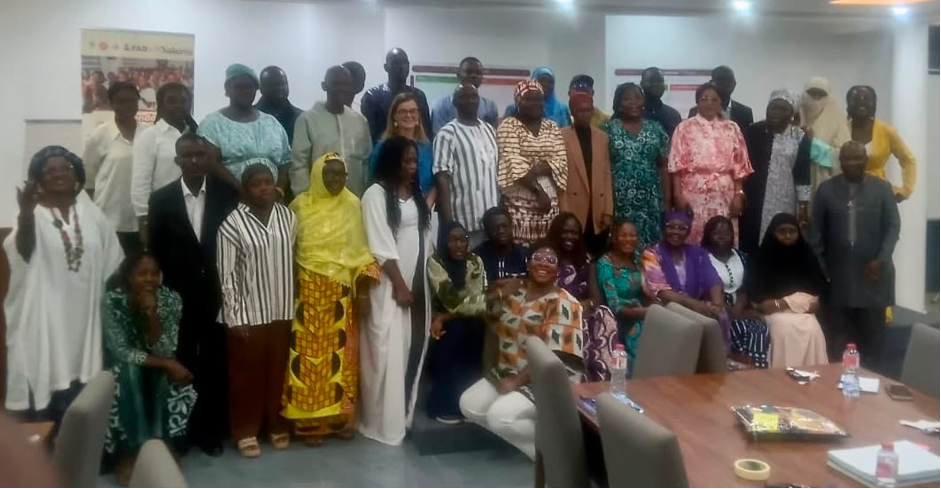
These past three years have shown that women and young people are not merely beneficiaries of peace and security policies—they are indispensable actors in these efforts. The challenge now is to consolidate the gains made, strengthen their effective participation in decision-making forums and processes at all levels, and mobilize the resources and partnerships needed to sustain and expand the collective momentum that has been built.
The project “Toward Feminist Agendas for Peace and Security—Women of West Africa and the Sahel United for Peace” is funded by the French Development Agency (AFD) and implemented by a consortium comprising Equipop, FAD in Niger, Diakonia in Burkina Faso, and the Gorée Institute in Senegal, across six countries in West Africa and the Sahel—Benin, Burkina Faso, Côte d’Ivoire, Niger, Chad, and Togo—as well as at the regional level.
Press Contacts:
HOUNKPATIN Romance:romance.hounkpatin@equipop.org– EQUIPOP
Priscille BANSE:priscille.banse@equipop.org– EQUIPOP