Thanks to a collaboration with members of the #Jeresiste group, Equipop and members of the West African Young Feminists Network had the opportunity to participate in an online conference on June 10, 2020, on digital activism.
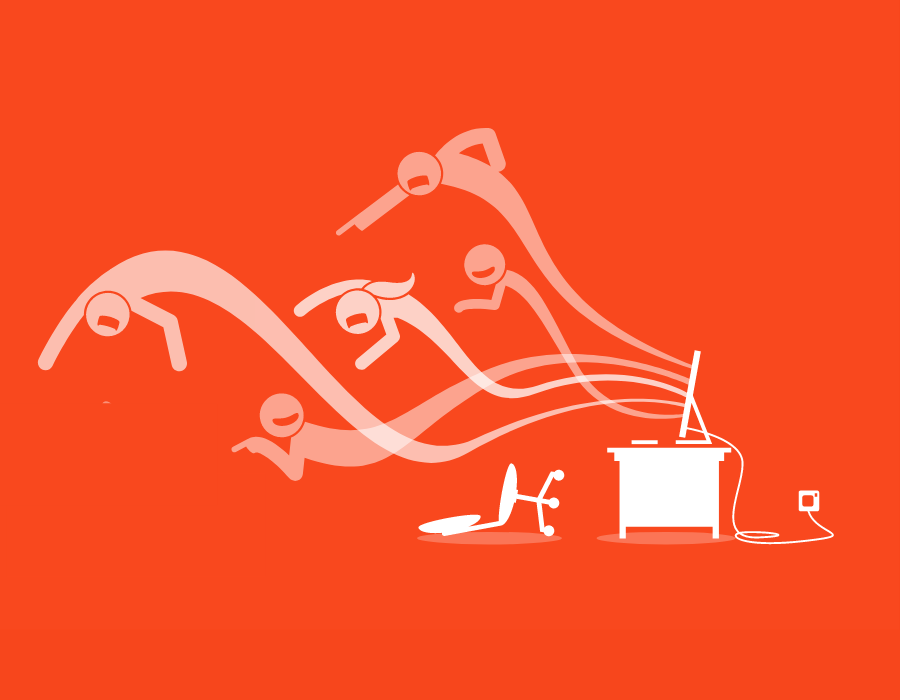
As feminist activists, members of the West African Young Feminists Network and other Equipop partner activists are regularly active on social media. This digital activism can lead them to face violence or difficulties online. These take various forms: insults, intimidation, cyberbullying, etc. There are several strategies for overcoming these obstacles. One of them is to be able to talk to other activists about their experiences, their struggles, and their practices, in a spirit of mutual support and exchange of experiences.
In this context, the panelists' testimonials and discussions with the audience provided an opportunity to reflect on online activism, and especially on ways to protect oneself and one's loved ones.
Online activism: continuing activism in the field
Little by little, the use of the internet in activists' communication efforts has become indispensable as a complement to traditional activities. Engaging on social media is a way for human rights defenders to continue and amplify their actions on the ground, as Hadja Idrissa Bah does by mobilizing and raising awareness about child marriage.
“Some people are for ( what we do), others are against it, but we continue to share information about the activities of the Guinea Young Women Leaders Club.”
Hadja Idrissa Bah
Facebook, Twitter, and WhatsApp can also be used to spread messages and raise awareness or mobilize citizens and politicians on social issues. Dieynaba N'diom gives the example of the work on the Mauritanian bill on violence against women: in this specific case, activists like her use social media to inform and raise awareness about this law, and to counter false information spread by the opposing camp. This also allows feminist activists to stay in touch with their counterparts in the region and inspire each other. This was the case, for example, during the tweetathon organized by the West African Young Feminists Network on its Twitter account to highlight the voices of West African feminists on the consequences of COVID-19.
“These channels can be used to convey messages; social media is one of the most powerful channels for communication.”
Dieynaba N’diom.
Doxing, intimidation, threats...
Despite the opportunities offered by social media to strengthen the work of activists, it remains a hostile environment for human rights defenders, who find themselves confronted with the scrutiny and judgment of the society to which they belong.
“On social media, we are confronted with the barbed wire of patriarchy, obscurantism, and ignorance.”
Dieynaba N’Diom.
Feminist activists are particularly vulnerable and face personal attacks and threats to their integrity, as Hadja Idrissa Bah can attest. Some of them may face serious harassment and receive thousands of insulting or threatening messages, sometimes targeting their loved ones.
Protecting yourself against these practices
People will use what is on your Facebook page to attack you, with insults or threats.
Dieynaba N’diom
When faced with threats or harassment, the panelists gradually developed several strategies to protect themselves:
- Protect your privacy on social media by controlling as much as possible the personal information (family status, contact details, etc.) that appears on your account.
- In the event of a threat, take screenshots or ask allies to do so if it is too difficult for the person being attacked. These images can then be used for possible legal action.
- Try to verify and source the information you publish in advance.
- Try to distinguish fake accounts from real ones, and block fake accounts.
- Talk to people you trust about what you are going through and the difficulties you are facing. Don't face the threat alone, and don't hesitate to ask other activists, loved ones, or associations for help.
- Forming a network to exchange ideas and support each other with other activists.
- When other activists are attacked, show your support.
“I was fortunate to have the support of young feminists, whom I thank, the girls in my association. (...) I had the support of my friends, my feminist sisters from French-speaking West Africa. It's comforting to know that you have support when you're in a difficult situation.”
Hadja Idrissa Bah.
The panelists' testimonials and the experience of the #Jeresiste activist group show the importance of peer support and provide some ideas for how everyone, at their own level, can fight cyberbullying and hateful comment threads online. For example, you can express your support for a victim of harassment, either publicly or privately, like positive comments, and avoid responding or interacting directly with hateful comments so as not to give them more visibility. And if you feel able to do so, you can comment peacefully on articles or posts on social media, reminding people of the key principles of human rights and avoiding any ad hominem attacks.
To go further: