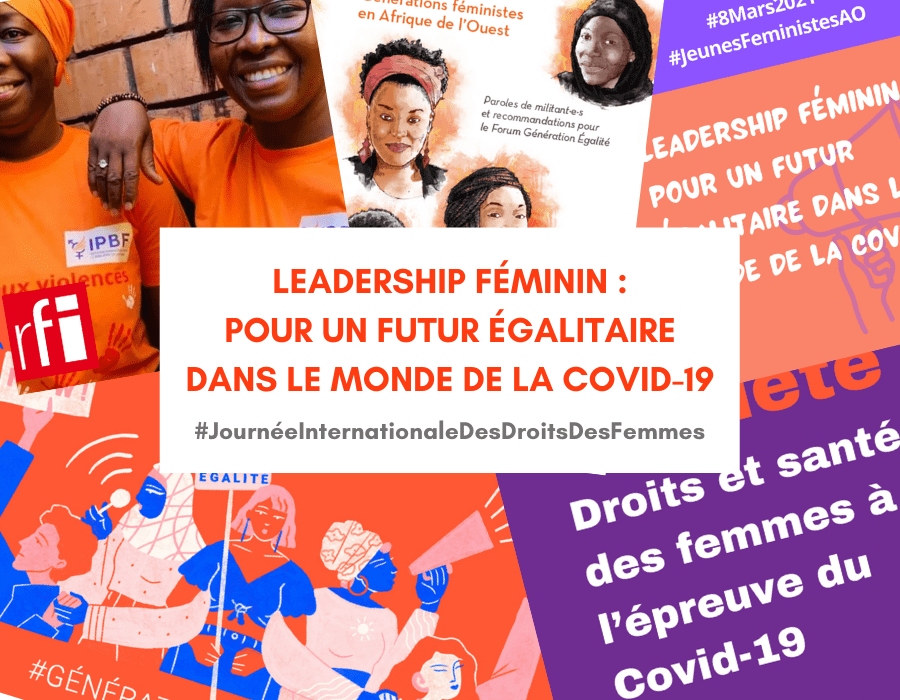
Today, March 8, is International Women's Day, whose theme this year is: "Women's Leadership: For an Equal Future in a Covid-19 World." With the Generation Equality Forum set to take place in 2021 to relaunch the global agenda for women's rights, the United Nations wanted to celebrate "the tremendous efforts of women and girls around the world to shape a more equal future and recovery from the Covid-19 pandemic."
Women's rights and Covid
The health crisis has had some paradoxical effects, in particular that of removing women from the media and decision-making spaces, even though they were even more active than usual in families, neighborhoods, businesses, and social and health care institutions. Need we remind you that, according to the World Health Organization, "globally,70% of health and social care workers are women"? It is this situation experienced by the "frontlineworkers" that is being denounced today through the feminist strike.
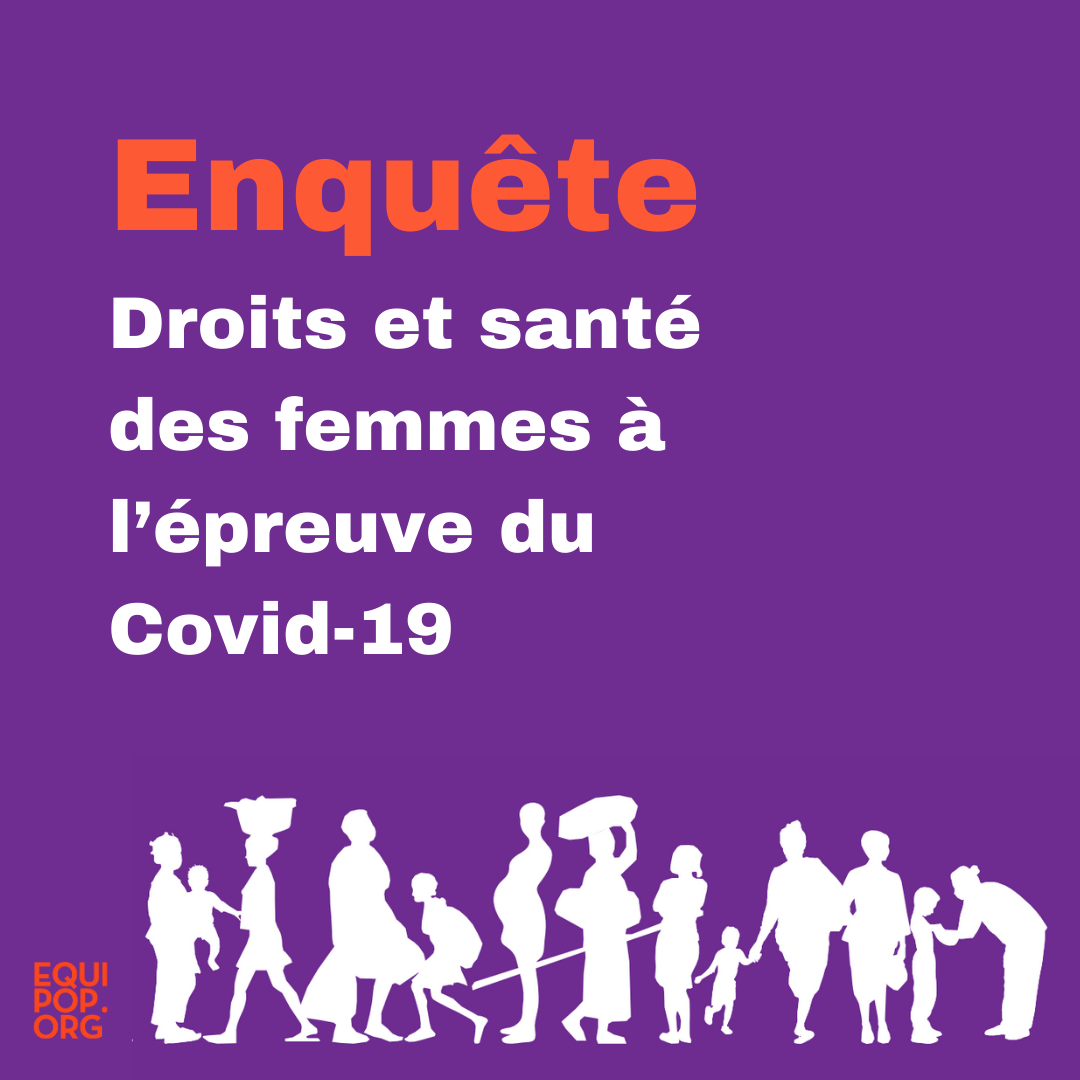
This situation is not specific to any given territory; it has been observed throughout the world, particularly in French-speaking West Africa, a region where Equipop has forged strong partnerships over the past 20 years. During this health crisis, African women's rights associations have drawn conclusions based on the experiences of the women they represent, as well as on an analysis of the sociocultural context and institutional framework in which they operate. On this basis, they have made requests to public authorities and donors. This report presents these demands, which should enable a more appropriate response to future crises and help to emerge from the current one while limiting the already observable increase in inequalities.
LWomen's leadership, collective mobilization
The title of Women's Rights Day 2021 could be misleading. Leadership is neither inherently feminine nor masculine. Both women and men can demonstrate leadership, but the barriers for women are often more numerous and socially constructed. The testimonies of feminists from Senegal and Côte d'Ivoire that we collected in partnership with students from Sciences Po illustrate these difficulties, as does the report produced byRFI with the support of Equipop in Burkina Faso.
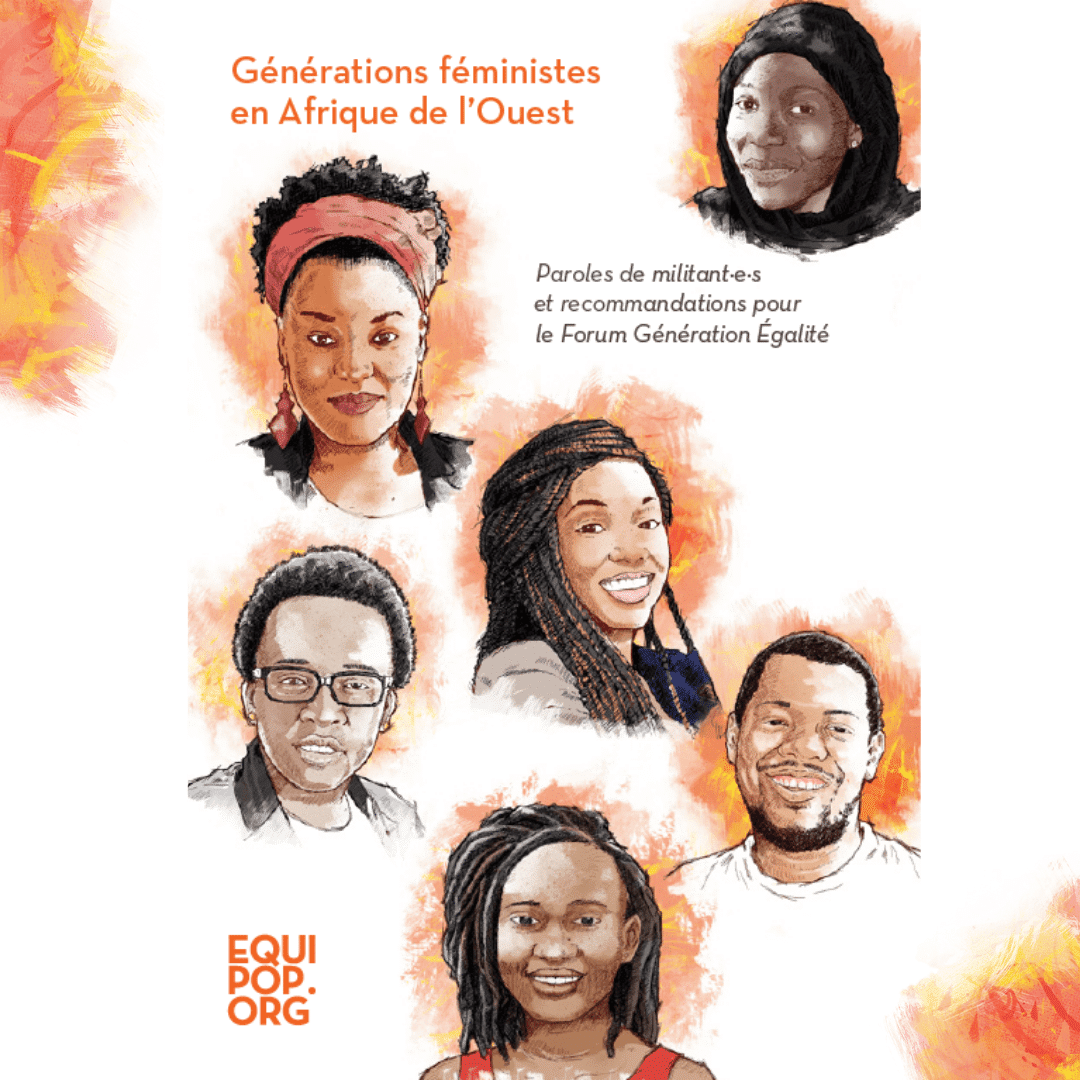
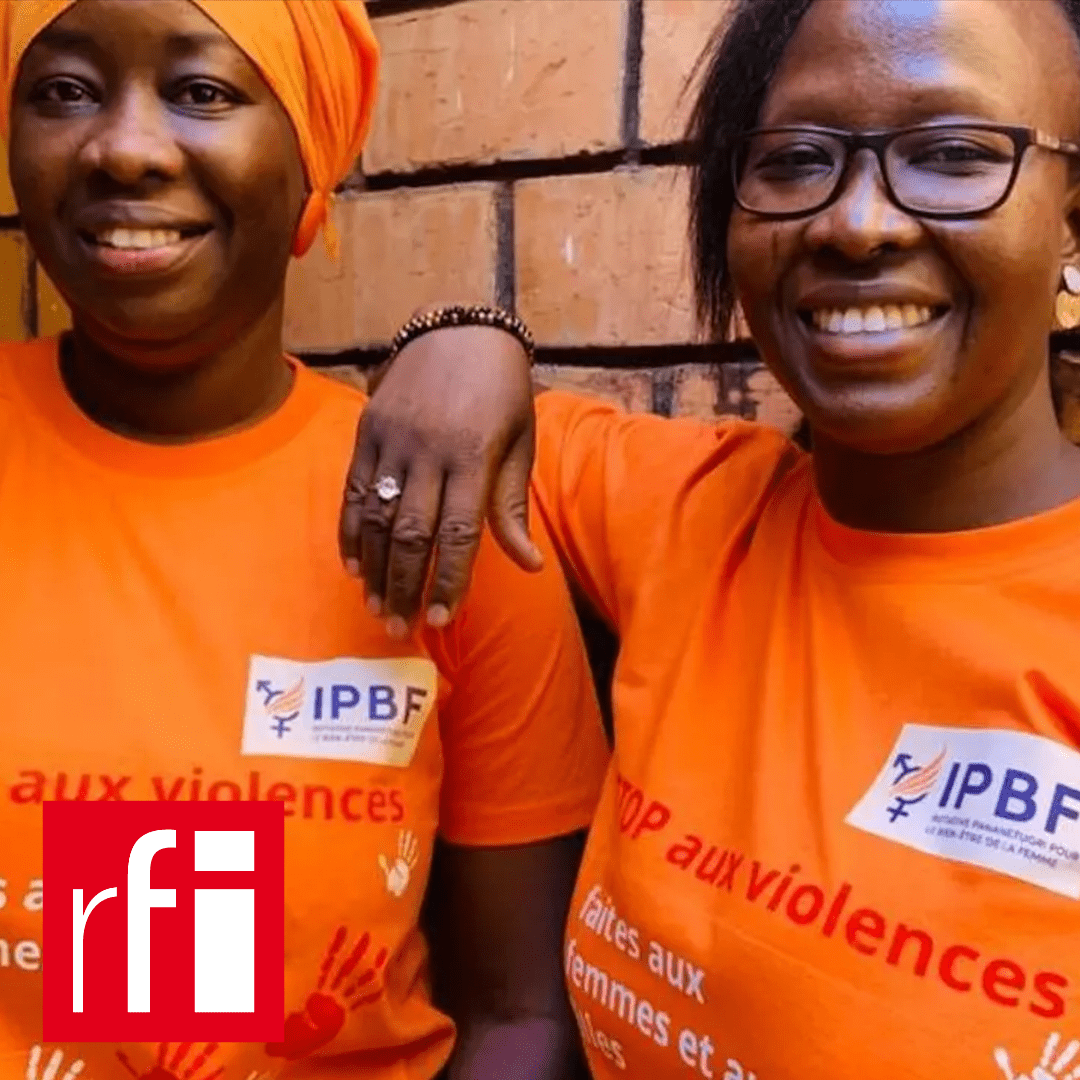
What these testimonies also show, and what is reaffirmed every day in our work with activists and associations promoting women's rights, is that individual leadership and collective leadership are closely linked, with "power with" being a crucial dimension of both individual empowerment and political and social change. In this sense, it would undoubtedly be more relevant to talk about feminist leadership.
"The more feminists there are, the stronger they become. All women and girls should know that injustice will not stand in the way of their success if they stand together,dream big, and work hard." Aminata Badiane Thioye, Senegal
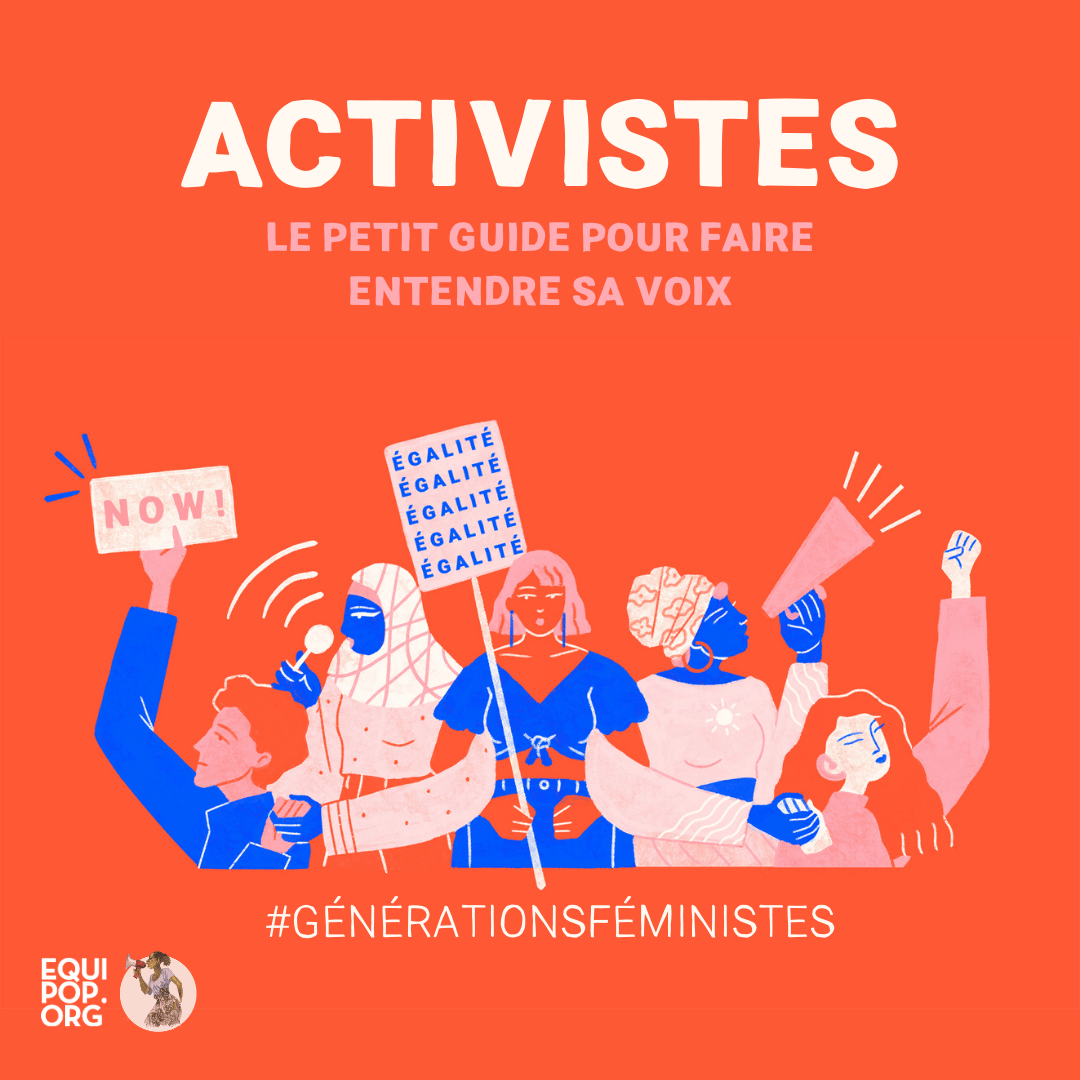
It is this collective dimension that the young people of the West African Young Feminists Network and Equipop wanted to emphasize through this guide to feminist activism. Ahead of the Generation Equality Forum, the aim is to encourage young people to take action for fair societies.
When will we see feminist public policies?
This year's Generation Equality Forum will be a crucial opportunity to relaunch political agendas in favor of women's rights. To accelerate progress toward egalitarian societies, the commitment of states to genuine feminist approaches is a path worth exploring, despite all the pitfalls we can anticipate, starting with the instrumentalization of these approaches and their "deradicalization." Several states, including France, have positioned themselves as wishing to participate in this "feminist leadership." It now remains to be seen whether this stated willingness will be accompanied by a long-term vision, substantial resources, and a coherent approach between feminist diplomacy and national measures. This is the advocacy we are conducting alongside many other actors, notably through the Générations féministes collective.
Twenty-six years after the Fourth World Conference in Beijing, human rights are still not guaranteed for women and girls. The emergence of an egalitarian world requires the pooling of progressive energies and the recognition of the plurality of lived experiences. In such a transnational movement, guided by social movements, all actors, including states, must play their part. Equipop will play its part.